





 Português
  Inglês
  Espanhol
  5 min de leitura
  0 comentários


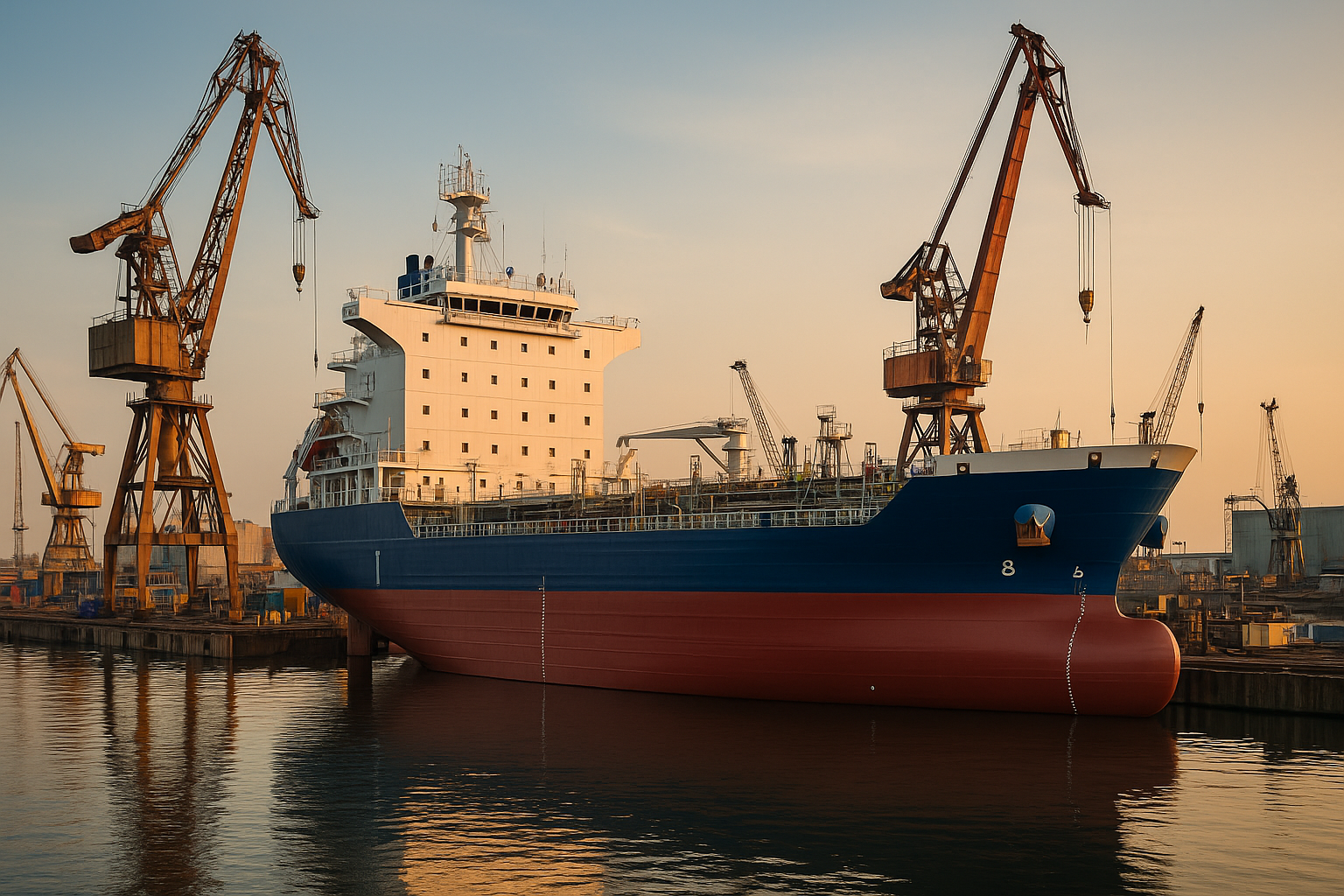
Discover How to Explore Opportunities in the Shipbuilding Industry and Make Your Mark in a Sector That Connects History, Innovation, and Economic Development in Brazil and Worldwide.
The shipbuilding industry is one of the oldest and most essential for humanity.
Since ancient times, simple vessels have been used for transportation and trade, driving the growth of early civilizations.
According to the National Institute of Educational Studies and Research Anísio Teixeira (INEP), ancient peoples such as the Egyptians and Phoenicians, around 3000 B.C., already mastered shipbuilding techniques that allowed them to explore rivers and seas for trade and territorial expansion.
-
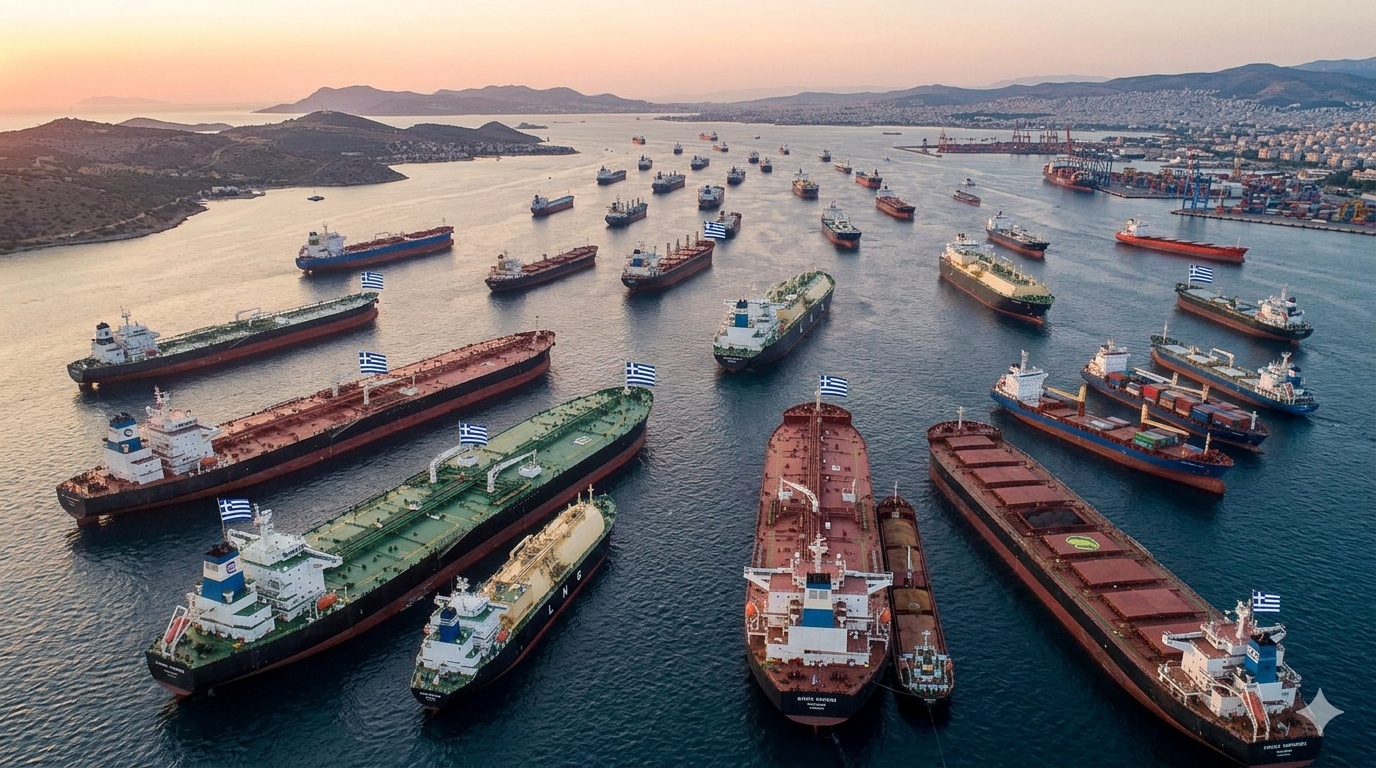
Neither the USA nor China: a small European nation has become one of the largest maritime powers on the planet, controlling one of the largest merchant fleets in the world with thousands of ships and dominating the global transportation of oil and strategic cargo.
-
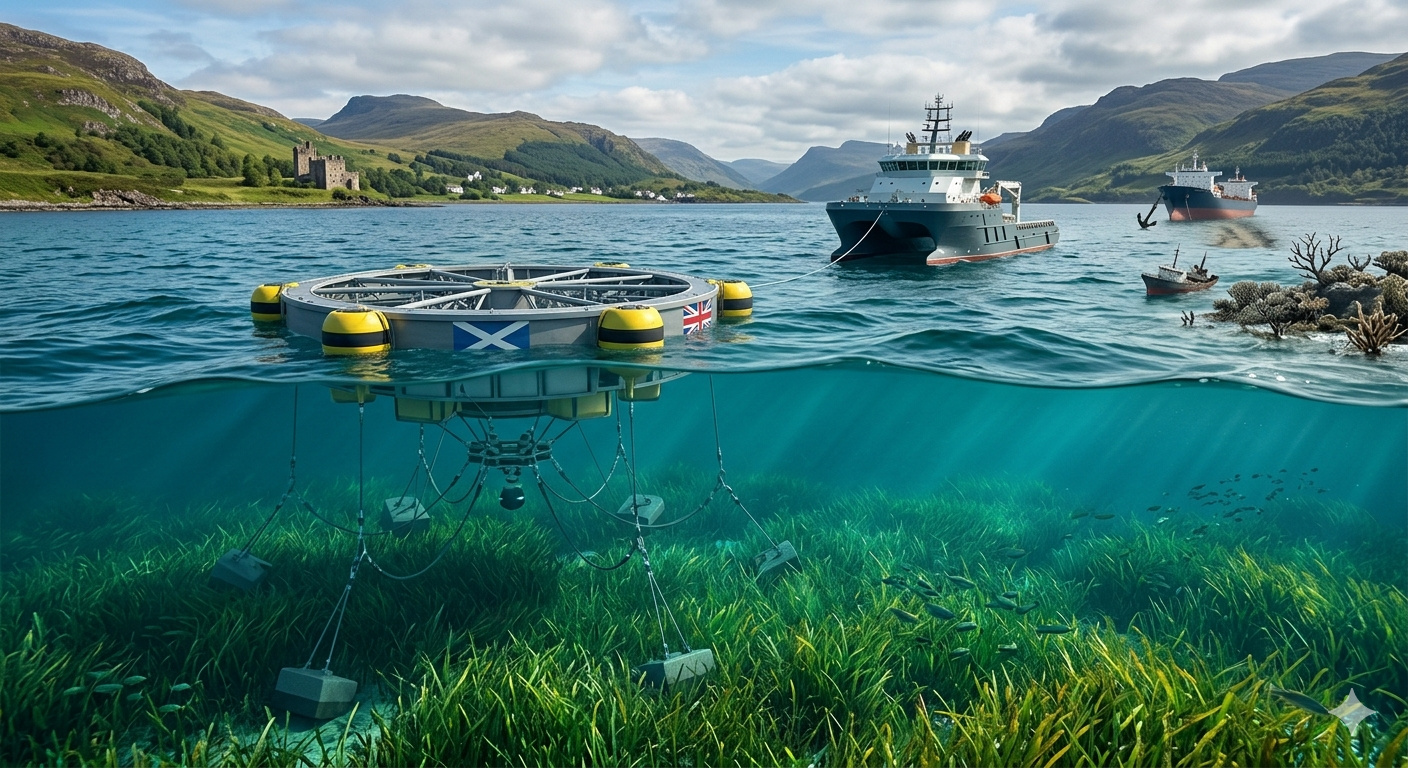
Scotland and the United Kingdom have created a new anchoring system that floats in the water without touching the seabed, after discovering that the current from a conventional anchor destroys up to 50 m² of seagrass meadow per event and that ship-damaged reefs showed no signs of recovery even ten years later.
-
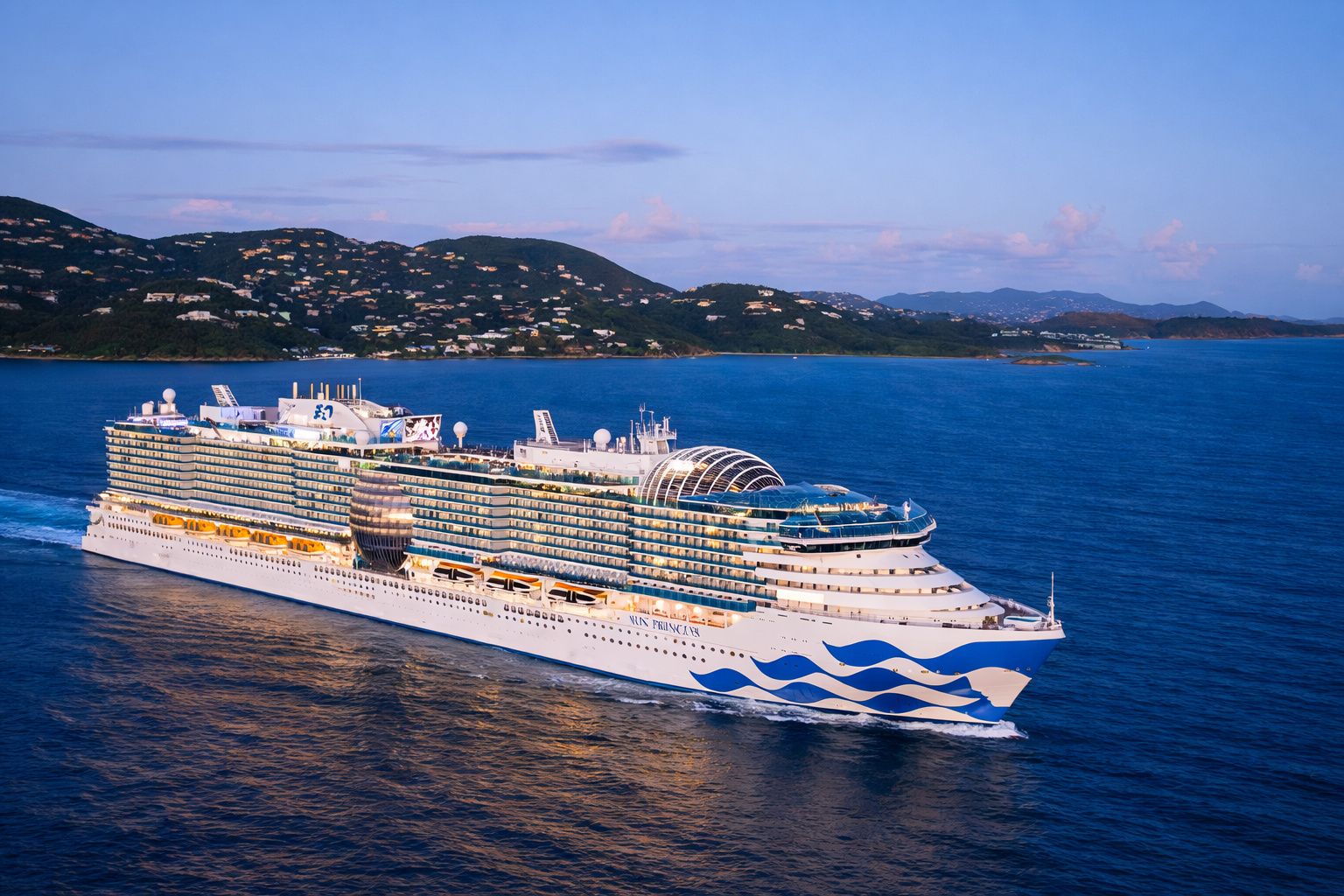
Weighing 175,500 Tons, Measuring 345 Meters Long, and With Capacity for Over 4,300 Passengers, the Sun Princess Becomes the Largest Ship Ever Built by Princess Cruises and Attracts Global Attention for Its Huge Glass Dome Inspired by Santorini’s Architecture Installed on Top of the Vessel
-
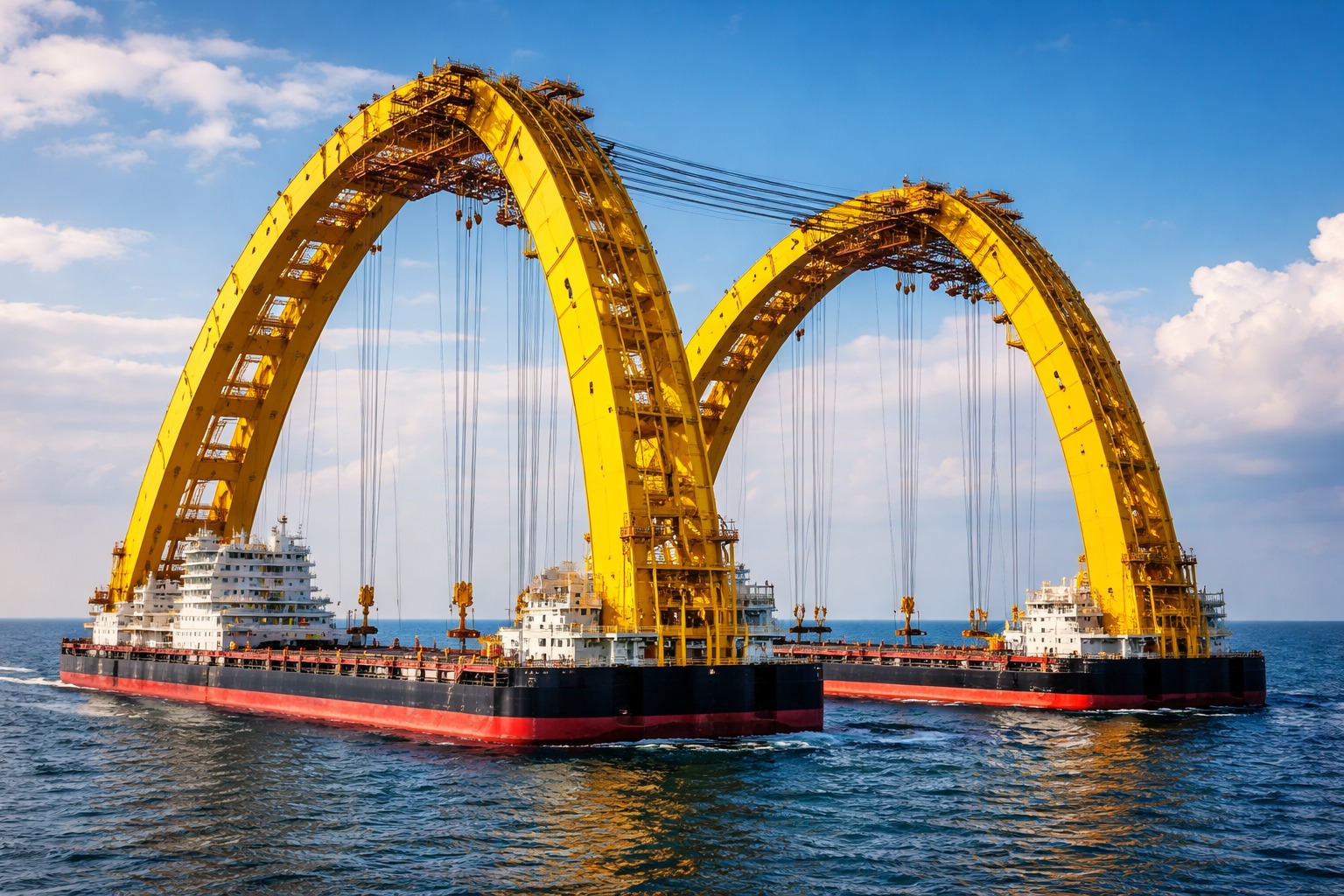
TX-10, The Colossus of The Sea: Largest Lifter Ship in The U.S., With Two Giant Barges, 73-Meter Tall Structure, and Strength to Raise 7,500 Tons of Sunken Oil Rigs
During the Ages of Exploration, between the 15th and 17th centuries, as reported by the United Nations Educational, Scientific and Cultural Organization (UNESCO), advances in shipbuilding opened new trade routes.
European countries like Portugal and Spain led these expeditions, using improved vessels to conquer and establish colonies.
With the Industrial Revolution in the 19th century, the shipbuilding industry changed radically.
According to the National Agency of Waterway Transportation (ANTAQ), the use of iron and steel, along with the introduction of the steam engine, replaced the old sailing vessels.
This increased the capacity and speed of maritime transport, boosting global trade.
These changes transformed the shipbuilding industry from a craft activity into a technological and structured sector capable of meeting emerging economic demands.
The Current Scenario and Its Multiple Opportunities
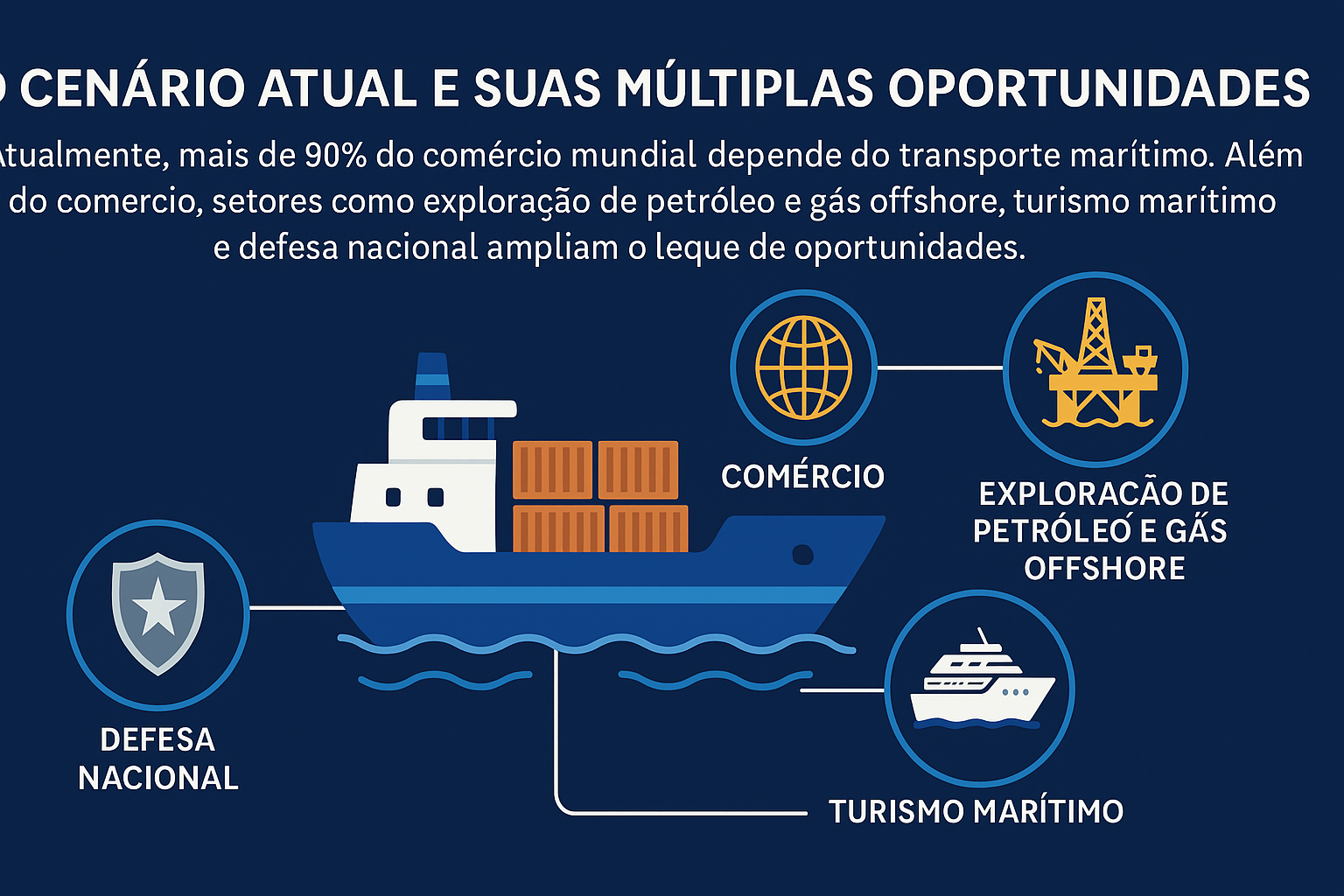
Currently, according to data from the International Maritime Organization (IMO), over 90% of global trade depends on maritime transport. This shows the strategic importance of the shipbuilding industry for the global economy.
In addition to trade, sectors such as offshore oil and gas exploration, maritime tourism, and national defense expand the range of opportunities.
According to the Ministry of Economy of Brazil, the national shipbuilding sector has been seeking modernization to take advantage of these demands.
Construction and maintenance of vessels, specialized engineering, integrated logistics, and technological solutions are areas with constant growth.
Another important point, according to the Brazilian Institute of Environment and Renewable Natural Resources (IBAMA), is environmental concern.
There is a global trend of building sustainable ships that utilize less polluting fuels and smart technologies.
Thus, hybrid vessels and ships powered by clean energy are replacing traditional models, aligning the sector with international environmental goals.
Moreover, the growth of cabotage transport, which means transport between national ports, offers a more economical and ecological alternative to road transport.
According to the National Agency of Waterway Transportation, this requires investments in port infrastructure and technologies to ensure efficiency.
Digitalization is another clear trend. Tools such as GPS tracking, automated port systems, and artificial intelligence optimize operations and reduce costs, according to studies by the Institute of Technology for Development (Lighthouse Lab).
Companies that adopt these innovations gain competitiveness and expand their market share.
Professional Training and Career Paths
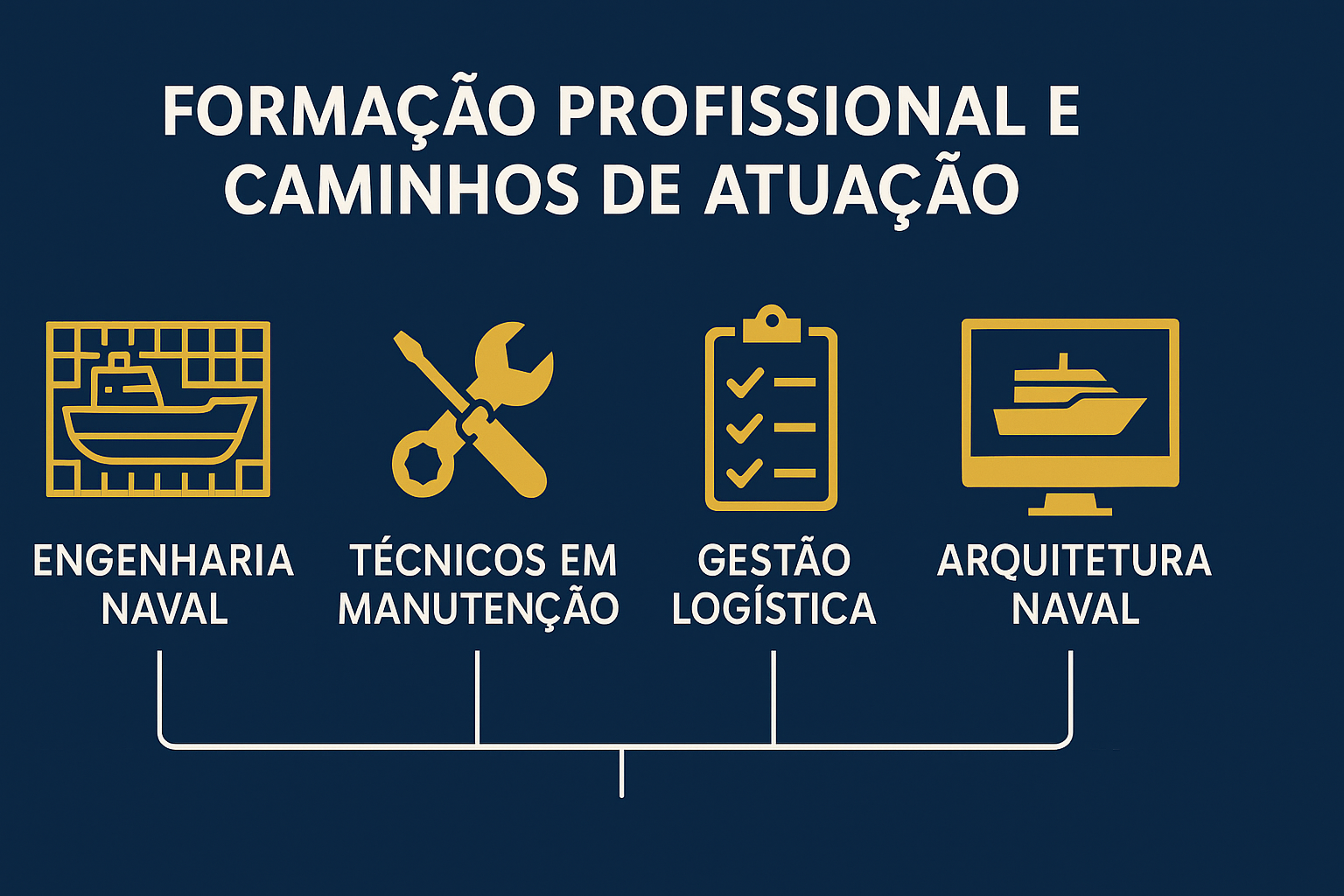
To master opportunities in the shipbuilding industry, professional training is essential. The fields of naval engineering, electrical engineering, and information technology have high demand in the sector.
Furthermore, maintenance technicians, welding, port operations, and logistics management are essential for the efficient functioning of the sector.
The National Service for Industrial Training (SENAI) offers technical and vocational courses that prepare workers for these roles, strengthening the qualified workforce in Brazil.
With a coastline of over 7,000 kilometers, Brazil has strategic potential. Important ports like Santos, Suape, Paranaguá, and Itajaí, according to the Company of Planning and Logistics (EPL), handle millions of tons annually.
This scenario creates vacancies not only for technicians and engineers but also for professionals in the fields of naval architecture, maritime law, and environmental management.
Thus, the shipbuilding sector offers various opportunities for those seeking a solid career aligned with sustainable development.
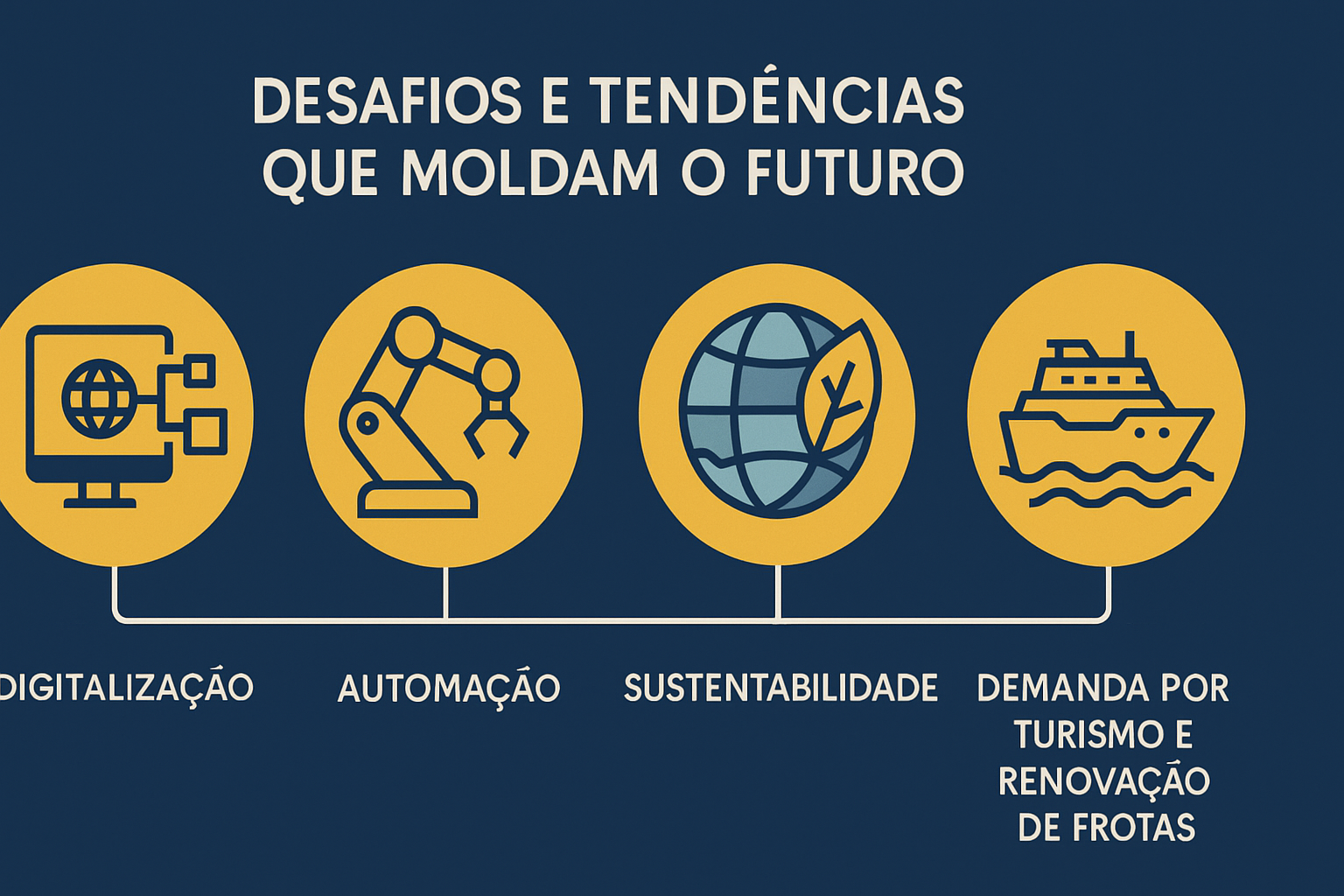
Challenges and Trends Shaping the Future
Although opportunities are vast, the shipbuilding industry faces significant challenges.
The Brazilian Association of Naval and Offshore Construction (ABCON) highlights that high costs, deficient infrastructure, and bureaucracy are frequent obstacles in Brazil.
Furthermore, the shortage of skilled professionals limits the growth of the sector.
On the other hand, new trends offer solutions.
Digitalization, automation, and sustainability are at the forefront of the transformation in the shipbuilding sector. Countries like Norway, Japan, and South Korea lead the use of autonomous ships and advanced technologies, according to a 2024 IMO report.
In Brazil, initiatives to modernize ports and implement environmentally responsible practices have been advancing, according to plans from the National Secretariat of Ports and Waterway Transportation.
Companies committed to ESG (Environmental, Social, and Governance) gain prominence in the market. This is because investors value businesses that respect the environment and promote diversity.
Additionally, the growing demand for cruise tourism, offshore exploration, and fleet renewal expands the field of action for professionals and companies.
Those who keep up with these changes, according to the National Bank for Economic and Social Development (BNDES), have the opportunity to innovate and grow in this promising segment.
Sailing Towards the Growth of Opportunities in the Shipbuilding Industry
Mastering the opportunities in the shipbuilding industry is a strategic decision, but fully viable and rewarding.
The sector not only drives the global economy but also connects people, creates jobs, and promotes constant innovation.
Thus, professionals and entrepreneurs looking for qualifications and a vision for the future find in the shipbuilding industry a fertile ground for growth.
The historical tradition, combined with modernization and sustainability, guarantees the shipbuilding industry a prominent place in the global scenario.
Whether as an engineer, technician, manager, researcher, or entrepreneur, the sector offers space for those who wish to build a solid and innovative future.
The sea continues to be a route of progress. And for those who prepare, the opportunities in the shipbuilding industry are ready to be explored.









Seja o primeiro a reagir!