





 Portuguese
  English
  Spanish
  5 min of reading
  0 comments


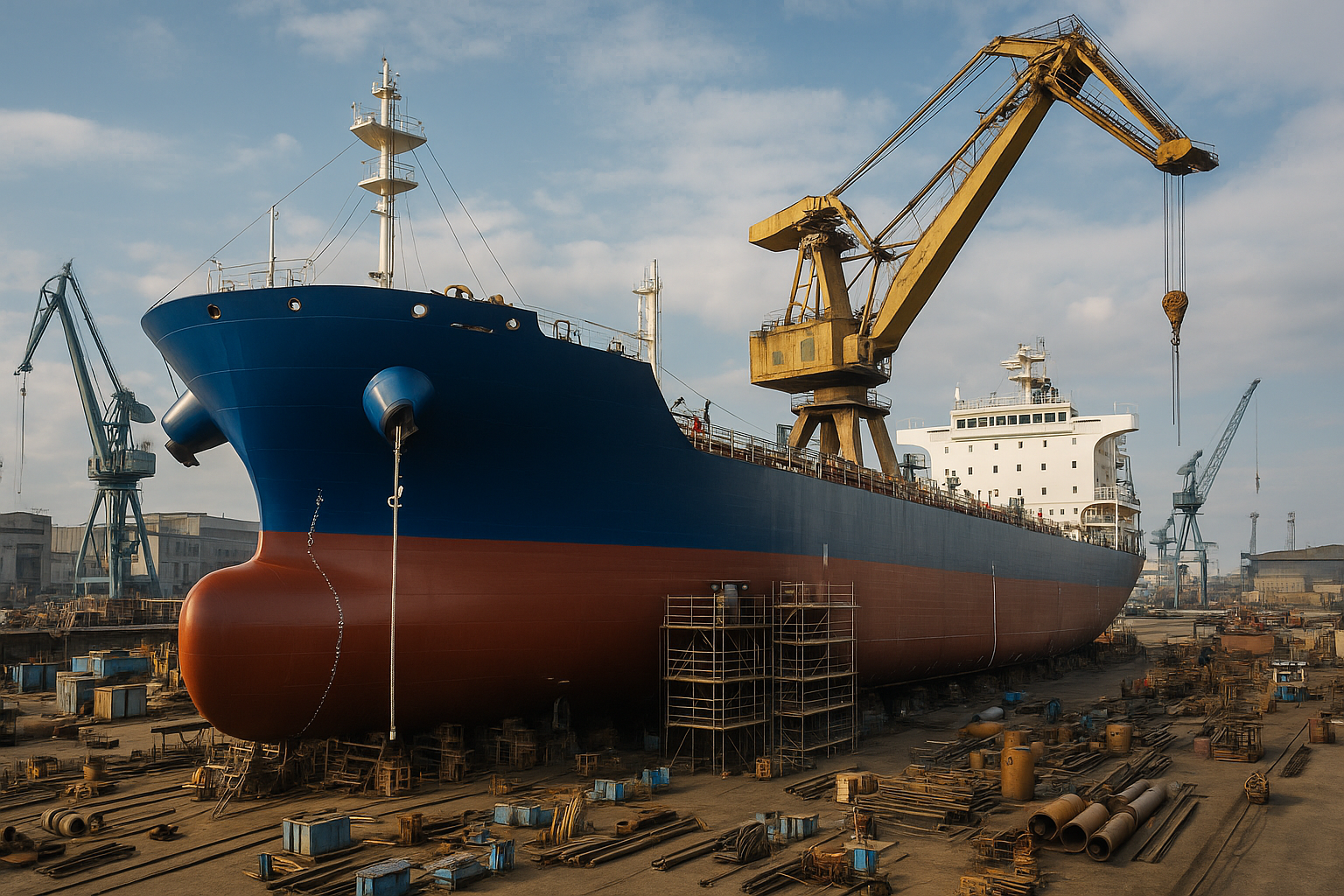
Understand How Naval Industry Projects Work and Discover the Essential Steps to Master This Strategic Area Based on Historical Knowledge, Technical Skills, and Updated Insights.
The naval industry is undoubtedly one of the oldest and most fundamental sectors for the economic, commercial, and technological development of various nations throughout history.
According to the UK’s National Maritime Museum, shipbuilding dates back over 5,000 years, with evidence of vessels in the region of present-day Egypt and Mesopotamia, dated around 3,000 B.C.
These vessels enabled trade and territorial expansion, being essential for the growth of ancient civilizations.
-
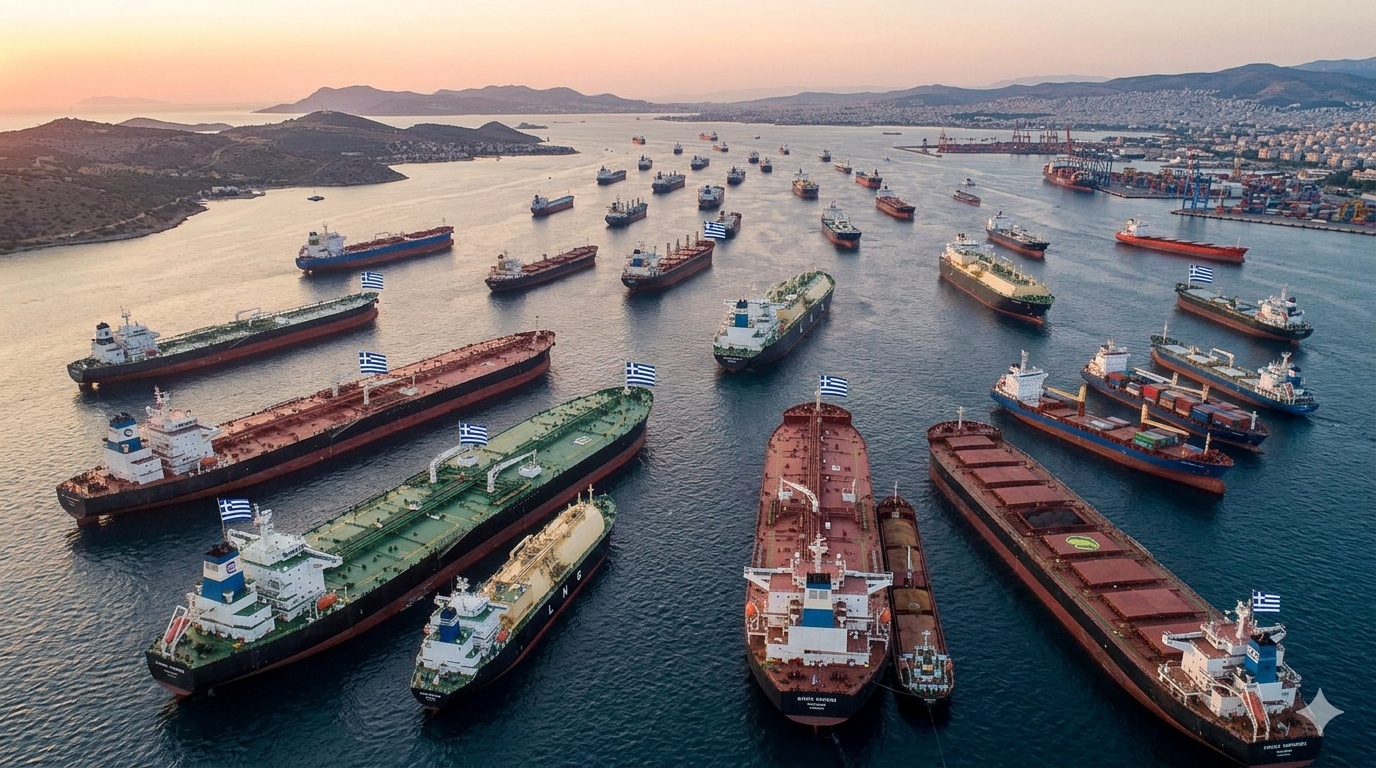
Neither the USA nor China: a small European nation has become one of the largest maritime powers on the planet, controlling one of the largest merchant fleets in the world with thousands of ships and dominating the global transportation of oil and strategic cargo.
-
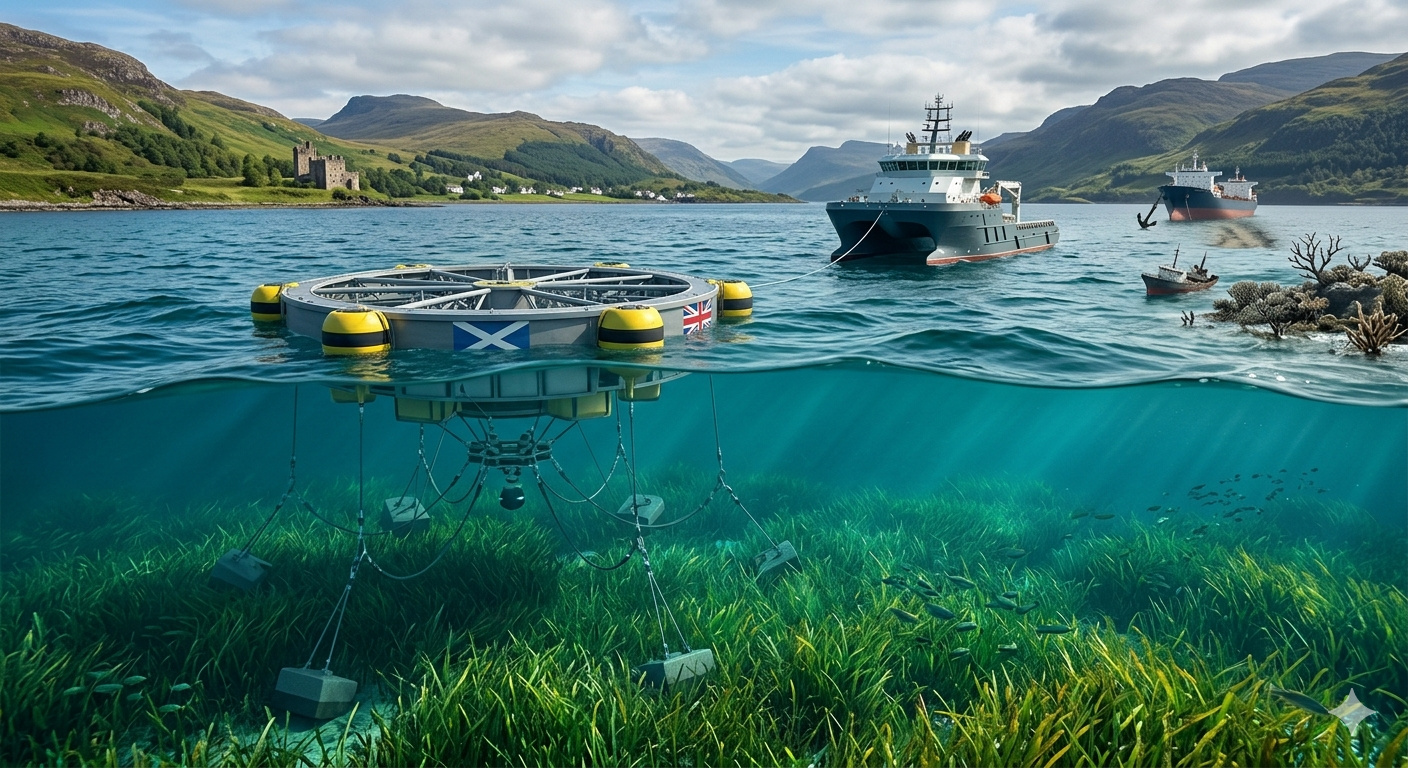
Scotland and the United Kingdom have created a new anchoring system that floats in the water without touching the seabed, after discovering that the current from a conventional anchor destroys up to 50 m² of seagrass meadow per event and that ship-damaged reefs showed no signs of recovery even ten years later.
-
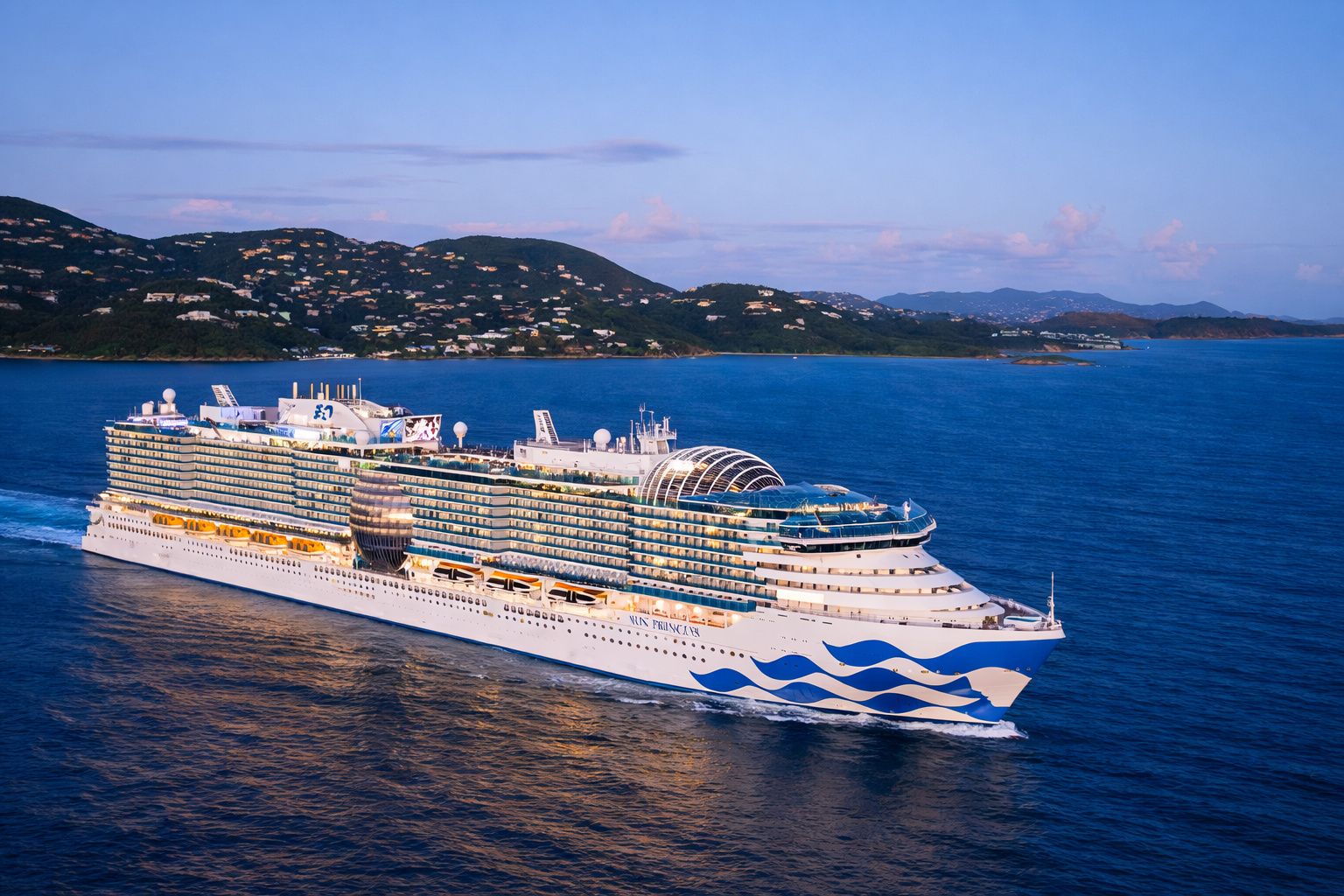
Weighing 175,500 Tons, Measuring 345 Meters Long, and With Capacity for Over 4,300 Passengers, the Sun Princess Becomes the Largest Ship Ever Built by Princess Cruises and Attracts Global Attention for Its Huge Glass Dome Inspired by Santorini’s Architecture Installed on Top of the Vessel
-
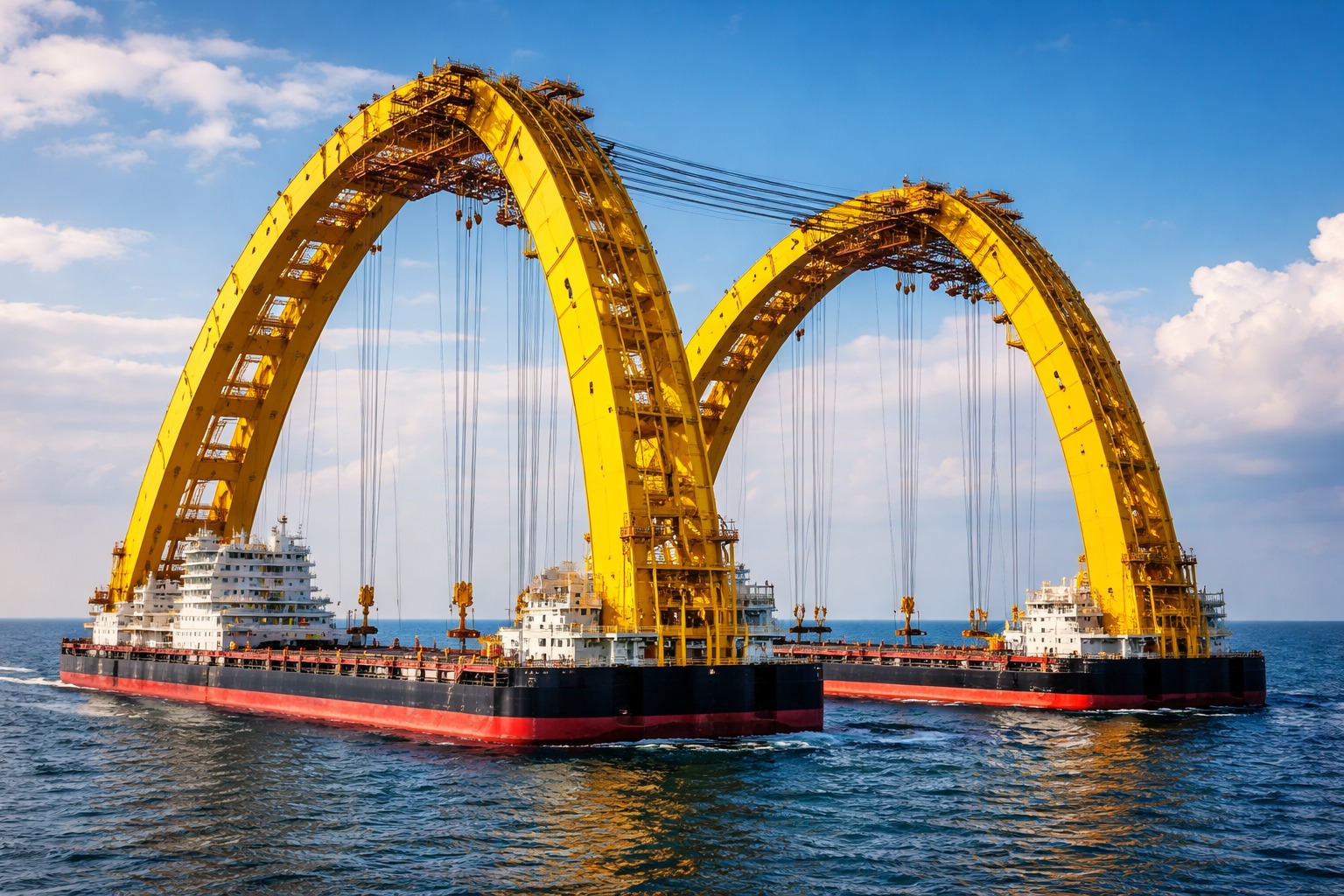
TX-10, The Colossus of The Sea: Largest Lifter Ship in The U.S., With Two Giant Barges, 73-Meter Tall Structure, and Strength to Raise 7,500 Tons of Sunken Oil Rigs

According to the Technological Research Institute (IPT), the use of steel in shipbuilding began to gain momentum in the 19th century, especially after the Industrial Revolution, which took place between 1760 and 1840.
From then on, there was a significant leap in technical capacity and the scale of the ships produced.
Over the centuries, the Industrial Revolution marked a turning point for the naval industry. The emergence of steel as the predominant material and the use of steam engines revolutionized naval designs.
Thus, it became possible to build larger, more resilient vessels with greater autonomy. Additionally, the introduction of complex electrical systems required a new approach to project planning.
Since then, shipbuilding has established itself as a strategic sector for the economic and military powers of the world.
Over time, advances in technology have also brought automation to shipyards.
Precision machines, robotics, and 3D printing have begun to aid in the development and construction of ships. This has raised standards for quality and safety while also reducing costs and timelines.
With the aid of digitalization, professionals can simulate projects that previously took months to design and test.
In this way, these digital simulations help anticipate problems and refine solutions with a high degree of realism.
What It Takes to Master the Naval Industry Today
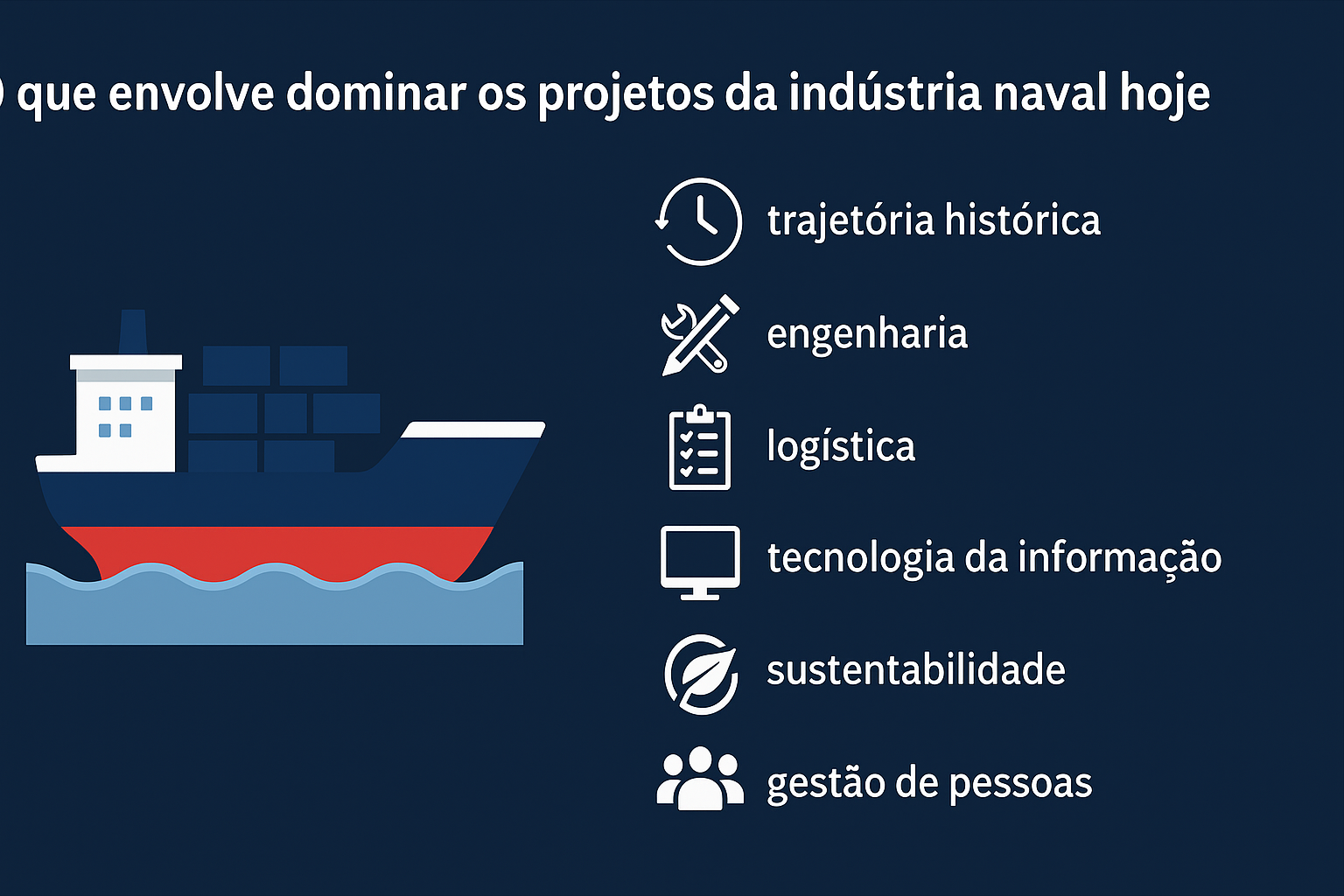
Mastering naval industry projects today means understanding this historical trajectory and applying knowledge in engineering, logistics, information technology, sustainability, and people management.
In other words, these projects encompass not only the design of ships but also propulsion systems, internal structures, navigation equipment, safety systems, maintenance processes, and much more.
Therefore, the scope is multidisciplinary and requires collaboration from various professionals such as naval engineers, designers, welders, electricians, technicians, and managers.
A fundamental point for the success of any naval project lies in planning.
Even before cutting the first metal sheet, the detailed technical project must consider the specifications of the ship, its purpose, cargo capacity, autonomy, performance in different sea conditions, and compliance with international safety and environmental standards.
In addition to the technical aspects, project management plays a central role. Like in any other engineering project, deadlines, costs, labor, and risks need to be controlled in an integrated manner.
Naval projects often involve million-dollar budgets and timelines that can extend for years. Therefore, a small miscalculation or scheduling error can lead to significant losses.
Another increasingly relevant aspect in naval industry projects is sustainability.
Indeed, the pressure to reduce the environmental impact of vessels has led to the development of more efficient ships, with lower fuel consumption and lower emissions of pollutants.
Initiatives such as the construction of ships powered by natural gas, the installation of solar panels, and the use of eco-friendly paints on hulls are already common.
Therefore, this new perspective requires that projects consider not only operational performance but also environmental responsibility.
Still related to sustainability, circular economy is gaining ground in the naval industry.
This is because projects that consider material reuse, recycling of old structures, and waste reduction during construction are becoming standard.
These efforts help the environment, generate financial savings, and enhance the companies’ image in front of consumers and partners.
Thus, this field is expanding, where innovation and responsibility go hand in hand.
Segments of the Naval Industry and the Brazilian Scenario
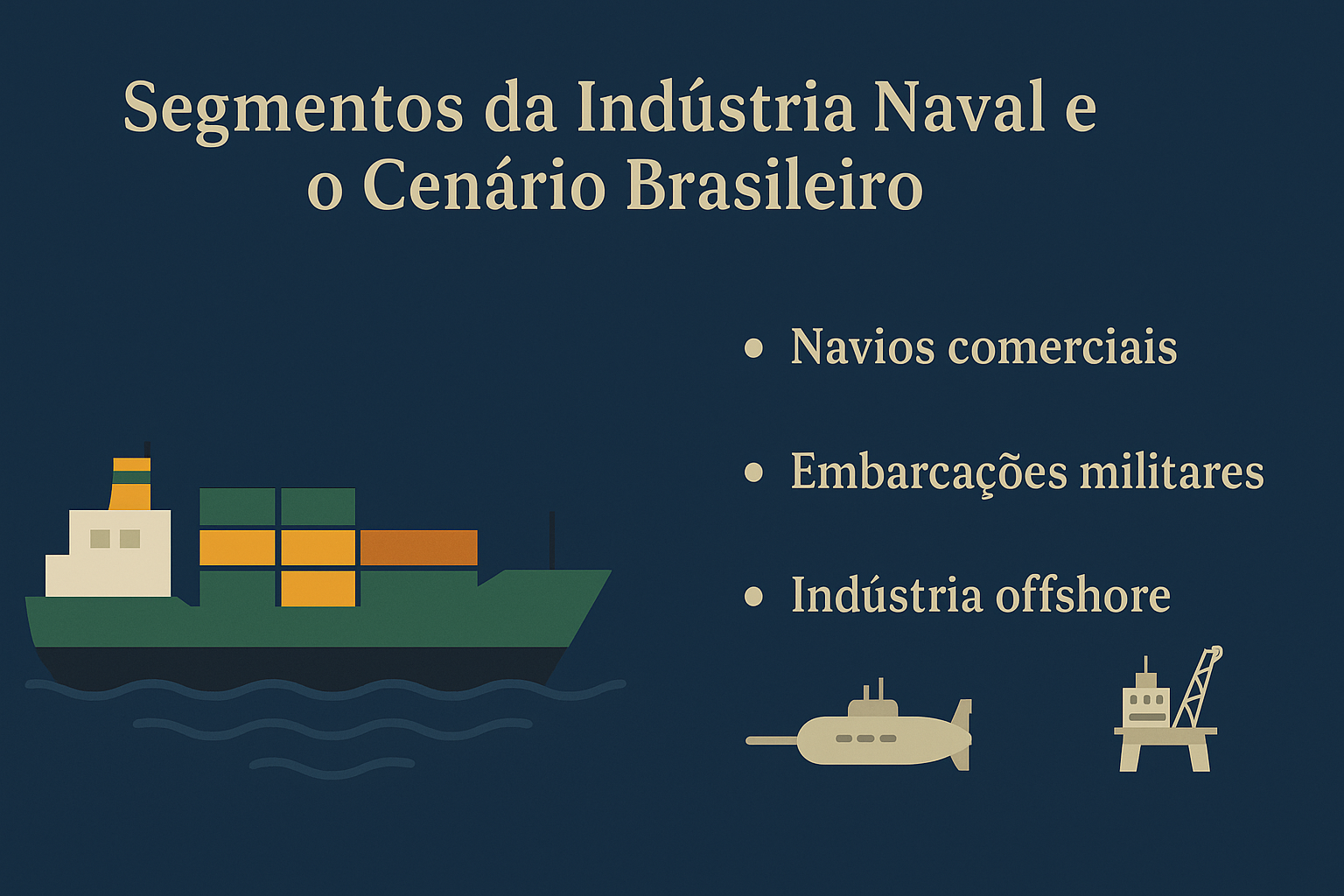
The naval industry encompasses different segments.
There are shipyards dedicated to building commercial vessels, such as cargo ships, oil tankers, and bulk carriers.
In addition, other shipyards specialize in military vessels, such as submarines, frigates, and aircraft carriers.
There is also the offshore industry segment, which builds floating platforms and drilling ships for oil and gas exploration in the open sea.
Although each segment has its own characteristics in its projects, they share similar fundamentals regarding engineering, logistics, and regulation.
Brazil has a longstanding tradition in the naval industry, with periods of strong growth and others of contraction.
In the 1970s and 1980s, the country experienced a boom in ship construction, mainly aimed at the oil sector.
With the discovery of pre-salt, officially emerged in 2007 according to Petrobras, a new wave of investments required skilled labor and large shipyards operating in various regions of the country.
Despite challenges such as international competitiveness and bureaucracy, Brazil remains an important regional player in this sector.
Besides its economic role, the naval industry in Brazil generates thousands of direct and indirect jobs.
Many cities grew and developed around shipyards, transforming the local reality.
Thus, investments in professional training, technology, and international partnerships are essential for the country to expand its share in the global market and confront traditional competitors like South Korea, China, and Japan.
How to Prepare to Work in the Naval Industry

Anyone looking to deepen their knowledge and work on naval industry projects should seek technical or higher education in naval engineering, engineering, or related fields.
In addition, mastering foreign languages, especially English, is essential, as many technical documents, standards, and negotiations occur in international contexts.
Moreover, practical experience in shipyards, through internships or training programs, represents an important differential.
Today, the market requires professionals who are open to continuous learning and attentive to technological trends, such as the use of artificial intelligence to optimize processes and predictive maintenance.
Therefore, participating in update courses, workshops, and conferences in the naval field can open doors and ensure that the professional stays aligned with best practices.
In summary, mastering naval industry projects requires more than just technical knowledge.
On the contrary, it is necessary to have a broad vision that spans from strategic planning to construction details, covering sustainability, innovation, and team management.
The complexity of these projects is significant, but challenges accompany opportunities.
Thus, with dedication, constant updating, and a sense of responsibility, it is possible to be part of a sector that drives economies, connects continents, and boosts technological progress since ancient times.










Seja o primeiro a reagir!