





 Portuguese
  English
  Spanish
  4 min of reading
  0 comments


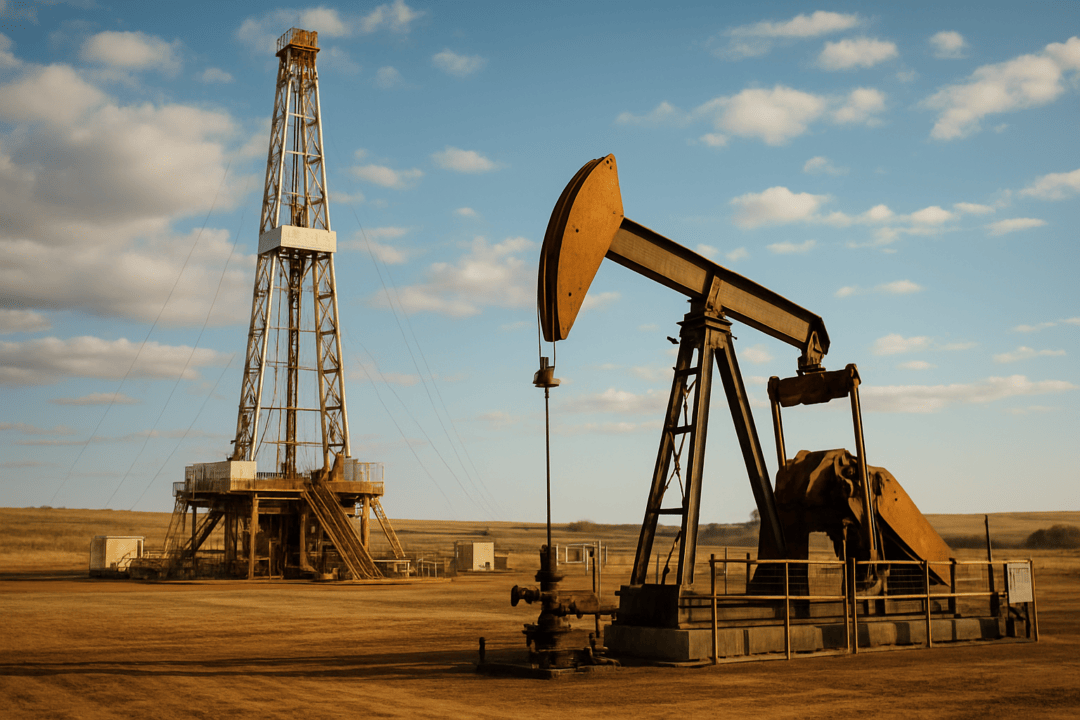
Onshore Production Requires Technical Knowledge, Planning, and Adaptation to Local Conditions to Ensure Efficiency and Profitability
The onshore oil represents an essential part of the global energy industry. It is the oil extracted on land, unlike offshore, which comes from the seabed. Mastering this type of exploration requires technical knowledge, economic vision, and attention to environmental impacts.
Below, you will find a complete and practical guide on the topic.
What Is Onshore Oil?
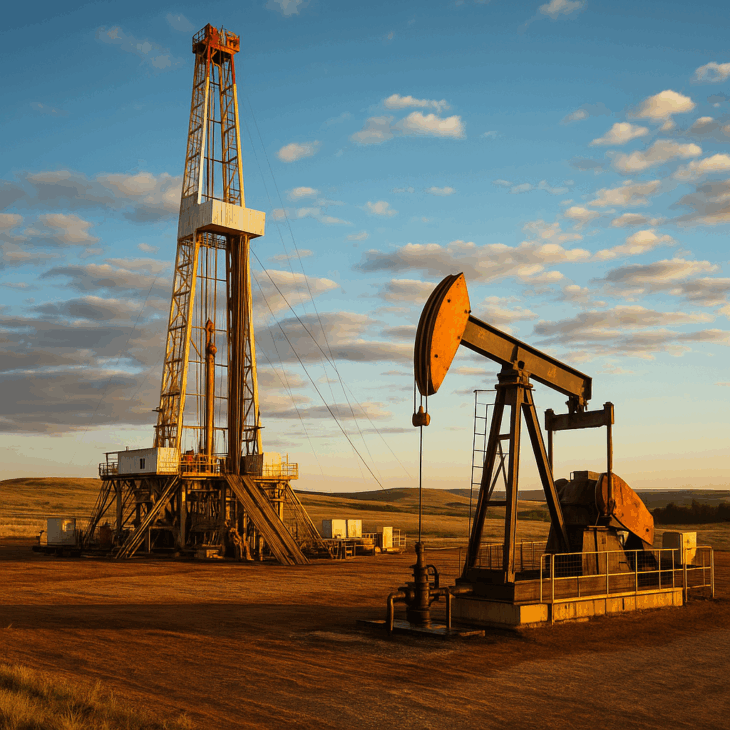
The onshore oil is crude oil extracted from land wells. These wells are located in continental areas, such as deserts, forests, or agricultural regions. Extraction occurs through drilling rigs, which reach underground hydrocarbon reservoirs.
-
The rise in oil prices could ensure an extra revenue of R$ 100 billion for the Federal Government, indicates a recent economic study.

-
Naturgy begins an investment of R$ 1.6 million to expand the gas network in Niterói and benefit thousands of new residences and businesses.

-
A major turn in the Justice system suspends tax increases and directly impacts oil and gas companies in Brazil by affecting costs, contracts, and financial planning, leaving uncertain what could happen to the sector if these costs had increased.

-
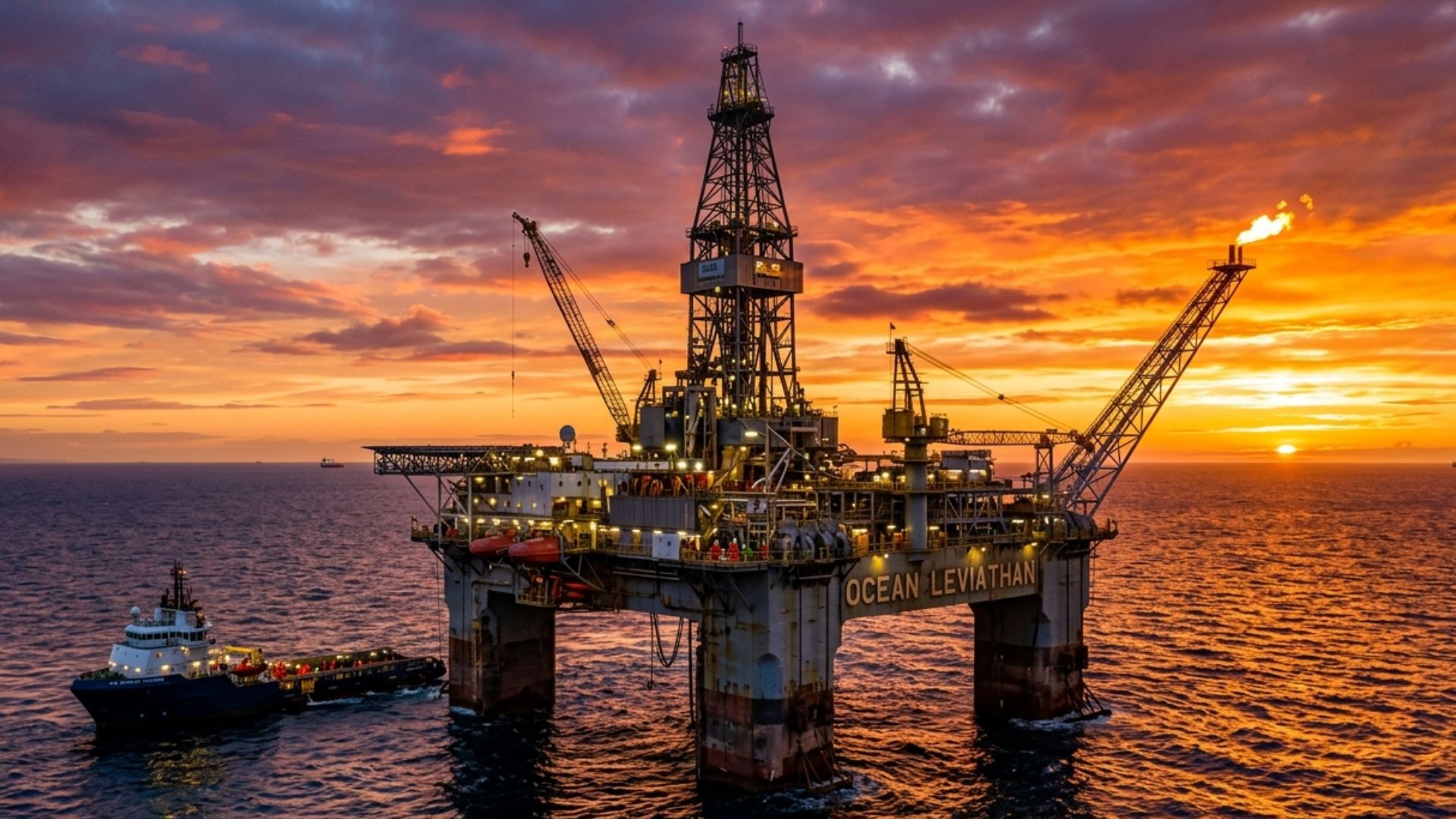
Brava Energia begins drilling in Papa-Terra and Atlanta and could change the game by reducing costs in oil while increasing production and strengthening competitiveness in the offshore market.

Onshore production has existed since the early days of the oil industry. The first commercial well was drilled in 1859, in Pennsylvania, USA. Since then, the sector has grown and modernized.
How Does Onshore Oil Extraction Work?
Extraction follows several stages. Here are the main ones:
1. Prospecting:
Geologists use seismic sensors and geographic images to locate potential onshore oil reserves.
2. Drilling:
Drilling equipment creates a deep channel to the reservoir. It can be a vertical or horizontal drilling, depending on the soil type and the reserve.
3. Well Completion:
This phase involves the installation of pipes and valves to control the oil flow.
4. Production:
The oil begins to be extracted by pumps or by the natural pressure of the reservoir. Production can last decades.
5. Treatment:
The extracted oil contains water, gas, and impurities. Everything is separated in processing units.
6. Transportation:
The oil is transported by trucks, pipelines, or trains to refineries.
Types of Onshore Wells
There are different types of wells used in onshore oil extraction:
- Vertical Well: goes straight down to the reservoir. It is simpler and cheaper.
- Directional Well: descends at an angle to reach targets outside the initial drilling point.
- Horizontal Well: runs long distances within the oil layer, increasing the extraction area.
Each type has specific technical and economic advantages.
Where Is Onshore Oil Found?
Onshore oil is spread across several continents. The largest producers are:
- United States: notable basins include Texas, Oklahoma, and North Dakota.
- Russia: with important fields in Siberia.
- China: a major producer in northern and central regions of the country.
- Brazil: with land fields in Bahia, Rio Grande do Norte, and Amazonas.
- Middle East: Saudi Arabia, Iran, and Iraq have huge reserves on land.
Onshore oil is especially important for developing countries, which can explore local resources at lower costs.
Advantages of Onshore Oil
Onshore production offers several benefits:
- Lower Operating Cost: onshore wells are cheaper than offshore.
- Logistical Ease: access to the site is simpler, reducing equipment transportation costs.
- Safety: onshore operations involve fewer risks compared to marine environments.
- Shorter Installation Time: allows for quicker production starts.
These advantages make onshore oil attractive, particularly for small and medium-sized companies.
Disadvantages and Challenges
Despite the advantages, onshore oil also presents obstacles:
- Environmental Impact: deforestation, pollution, and water consumption affect the local environment.
- Social Conflicts: in some places, communities oppose exploration due to health or territorial issues.
- Limited Reserves: many easy areas have already been explored. New discoveries require advanced technology.
- Production Decline: land wells have short production cycles. Without reinjection or new drilling, volume decreases rapidly.
The industry seeks sustainable and less invasive solutions to continue growing.
Technologies Applied to Onshore Oil
Technological advancements have greatly improved extraction efficiency on land. Among the most important innovations are:
- Horizontal and Multilateral Drilling: reaches more oil with less impact.
- Hydraulic Fracturing (Fracking): releases oil from dense rocks, such as shale.
- Artificial Intelligence: optimizes drilling and maintenance.
- Remote Sensors: monitor production in real-time.
- Carbon Capture: helps reduce emissions in the extraction process.
These technologies allow for more economical and environmentally friendly onshore oil extraction.
Economy and Market
Onshore oil is a pillar of the economies of several countries. It generates direct and indirect jobs, drives logistical chains, and attracts investments.
Production costs vary by country, but are generally lower than offshore. This makes onshore oil more competitive, especially when the international barrel price is low.
Smaller companies can operate in this sector without the high costs of the marine environment.
Sustainability and Future
Sustainability is one of the biggest challenges for the onshore oil sector. Governments and companies seek to reduce the environmental impacts and adopt cleaner practices.
Among the strategies are:
- Restoration of Degraded Areas.
- Rational Water Use.
- Emission Monitoring.
- Investments in Renewable Energies.
Even with the growth of clean sources, onshore oil will continue to play a strategic role in the coming decades.
How to Work with Onshore Oil
The sector offers various professional opportunities:
- Petroleum Engineers
- Drilling Technicians
- Pump Operators
- Geology Specialists
- Safety Technicians
- Environmental Professionals
Energy companies, consulting firms, and public agencies hire for technical, operational, and management functions.
It is possible to work both in the field and in administrative or research areas.
The onshore oil is one of the most traditional and accessible forms of energy production in the world. It remains relevant due to its low cost, ease of access, and direct impact on the economy.
Even with the advancement of renewable energies, it continues to be essential in various production chains, such as transportation, fertilizers, and plastics. With innovation and responsibility, the sector can be more efficient and sustainable.
Mastering the topic requires knowledge of the technical, economic, and environmental aspects. This guide was designed to provide a clear and objective view of everything that involves the terrestrial exploration of oil.









Seja o primeiro a reagir!