





 Portuguese
  English
  Spanish
  5 min of reading
  0 comments


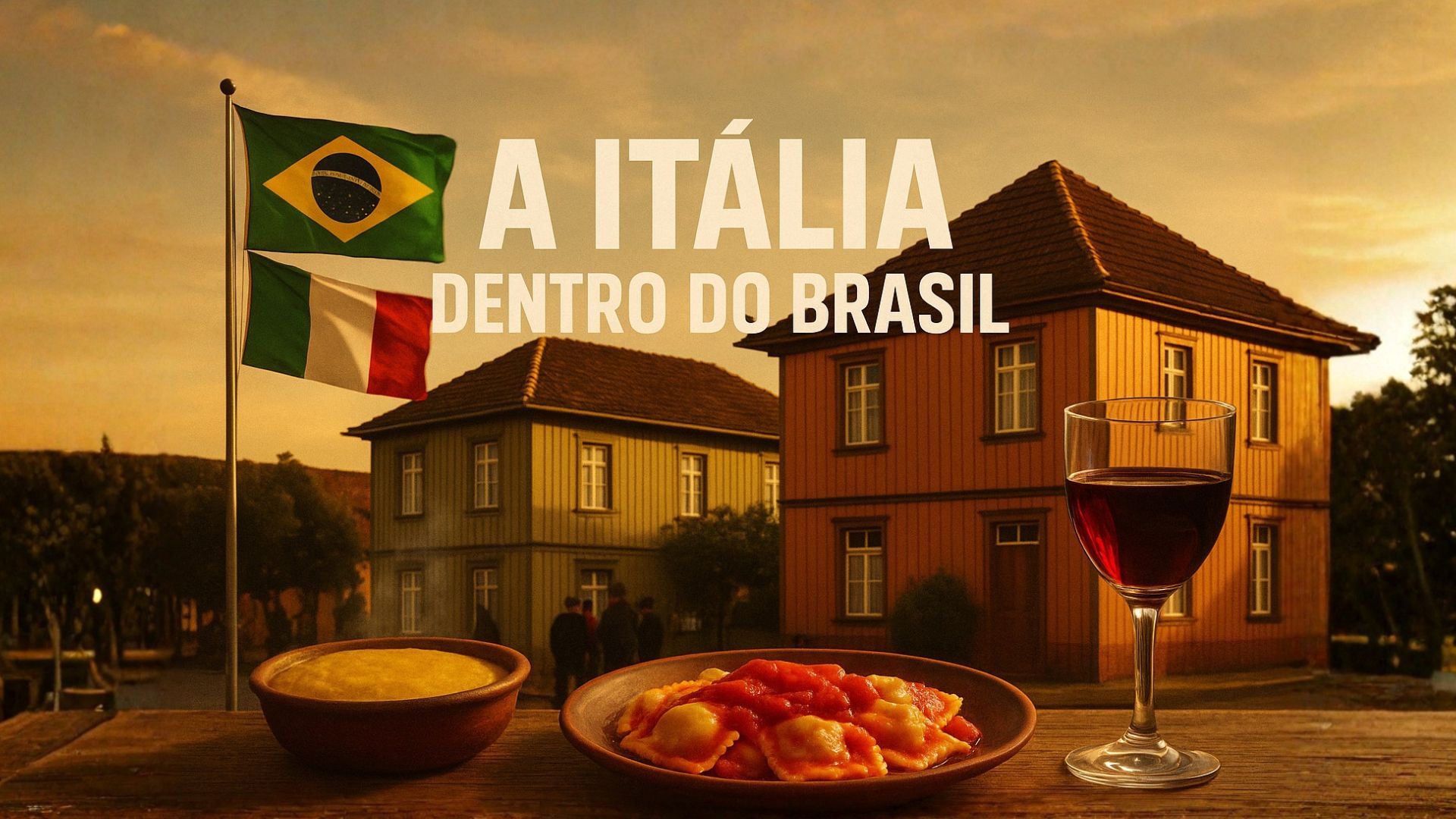
In The Hills Of Serra Gaúcha, A Small Town Preserves The Language, Cuisine, And Customs Brought By Italian Immigrants In The 19th Century. Antônio Prado Keeps The Heritage Of Veneto Alive In Its Streets, Flavors, And Traditions.
What Is Life Like In “Brazilian Italy”? Discover Antônio Prado, Where Italian Is Spoken In The Streets And The Cuisine Preserves Recipes From The 19th Century
In Serra Gaúcha, Antônio Prado Preserves Vivid Traces Of Veneto Immigration Begun In 1886.
In The Historic Center, Residents Converse In talian, Traditional Dishes Follow 19th Century Recipes, And An Expressive Set Of Listed Wooden Houses Tells The Story Of Colonization.
-
Friends have been building a small “town” for 30 years to grow old together, with compact houses, a common area, nature surrounding it, and a collective life project designed for friendship, coexistence, and simplicity.

-
This small town in Germany created its own currency 24 years ago, today it circulates millions per year, is accepted in over 300 stores, and the German government allowed all of this to happen under one condition.

-
Curitiba is shrinking and is expected to lose 97,000 residents by 2050, while inland cities in Paraná such as Sarandi, Araucária, and Toledo are experiencing accelerated growth that is changing the entire state’s map.

-
Tourists were poisoned on Everest in a million-dollar fraud scheme involving helicopters that diverted over $19 million and shocked international authorities.


The Municipality, About 184 Km From Porto Alegre And 50 Km From Caxias Do Sul, Has Become A National Reference When It Comes To Italian Tradition In Brazil.
Historic Center And Heritage: Preserved Architecture In Serra Gaúcha
The Heart Of Antônio Prado Is The Historic Center, Where The Cobblestone Streets And Well-Kept Gardens Shape The Landscape.
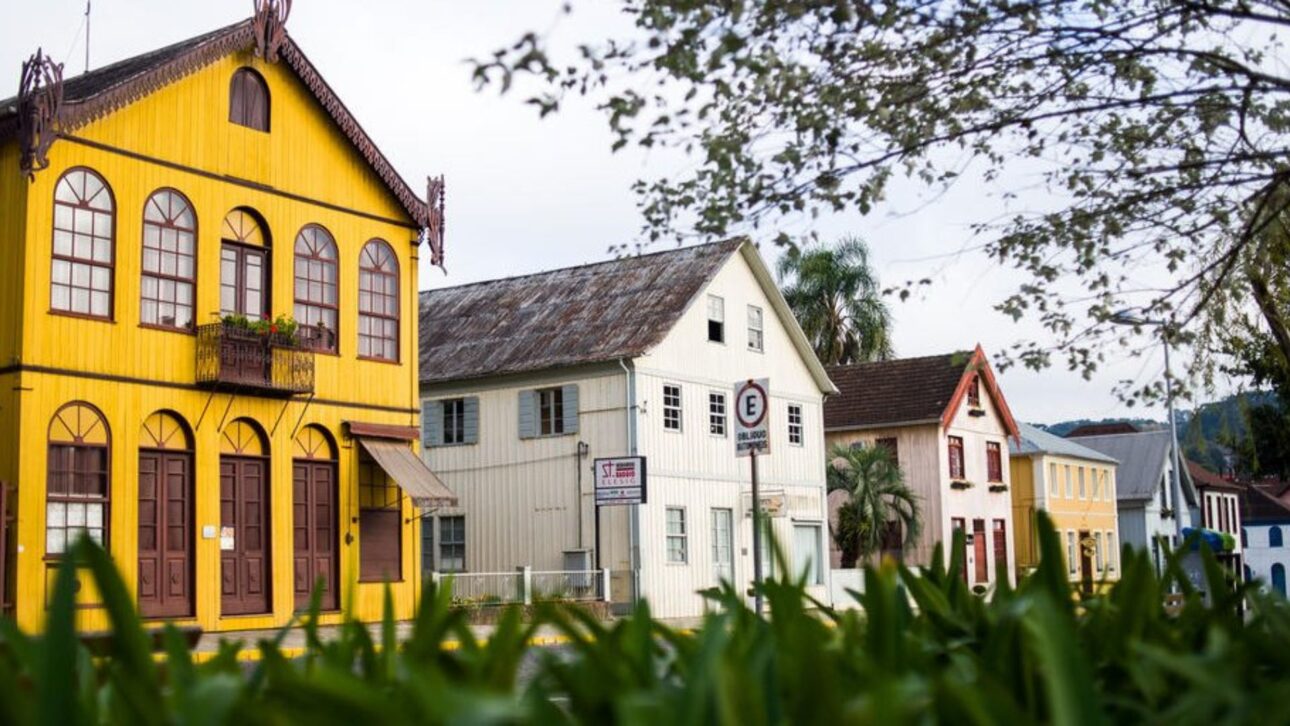
There, 48 Buildings Listed By The Federal Heritage Host Material And Affective Memories Of Families Of Italian Origin.
The Structures, Built Of Wood And Masonry, Display Colorful Facades, Friezes, Tall Doors, And Balconies That Remind One Of Small European Villages.
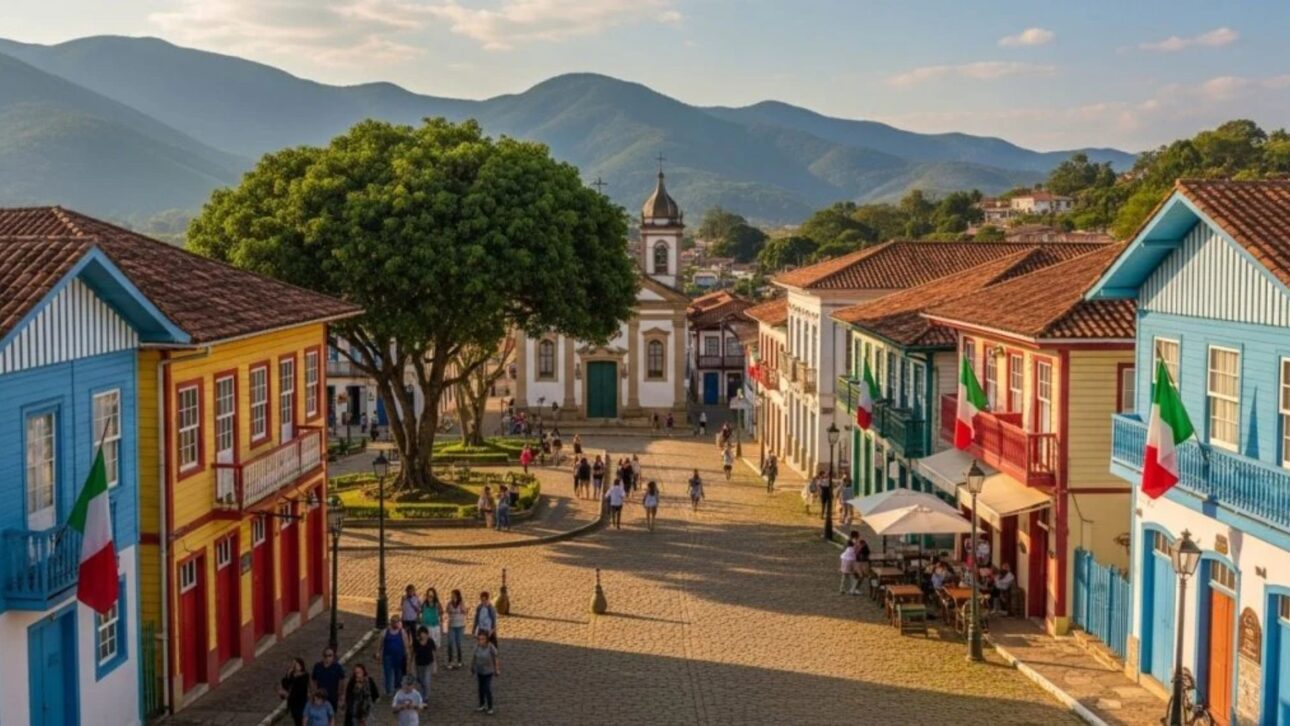
The Arrangement Of The Houses And The Functional Architecture Reveal The Way Of Life Of The First Settlers.
The Dwellings Were Both Homes And Workspaces, With Cellars Used For Storing Food, Wine, And Tools.
Even Today, Many Families Maintain The Habit Of Cultivating Gardens, Producing Sausages, And Preserving Traditions In Daily Life.
Talian In The Streets: Language That Resists Time
In The Urban Area, It Is Common To Hear Greetings And Conversations In talian, A Venetian Linguistic Variety Established In The Southern Communities Of The Country.
The Language Is Transmitted Mainly Orally, In The Home Environment, In Neighborhood Gatherings, Religious Celebrations, And Cultural Activities.
In Schools And Cultural Spaces, Actions To Promote The Language Help Keep It Present In Songs, Theatrical Plays, And Events With An Italian Theme.
In Addition To The Language, The Local Calendar Holds Community Festivals Of Strong Religious And Culinary Character.
The Celebrations In Honor Of Saints Of Devotion, Including Saint Anthony, Engage Residents And Visitors With Masses, Processions, Music, And Community Feasts.
This Dynamic Strengthens Bonds And Preserves Rituals That Arrived With The First Waves Of Immigrants.
Flavors Of The Colony: Typical Gastronomy And Traditions At The Table
The Cuisine Is A Pillar Of The Pradense Experience.
Restaurants, Cantinas, And Community Halls Serve Recipes Passed Down Through Generations That Keep The Simplicity Of Home Cooking.
The Roasted Galeto Comes To The Table Alongside Polenta, Creamy Or Grilled, Accompanied By Tomato Sauce And Grated Cheese.
Among The Pastas, The Tortéi — A Sweet Pumpkin-Filled Dough — Shares The Limelight With Ravioli, Panzarotti, And Handmade Pastas.
On Festival Weekends, Large Community Kitchens Organize Lunches And Dinners With Sequences Of Pastas And Meats, Reminiscent Of Ancient Rural Gatherings.
Regionally Produced Wines, Grape Juices, And Classic Desserts — Such As Sagu And Ambrosia — Complete The Flavor Journey.
For Those Seeking Local Cuisine, It Is Worth Checking The Seasonal Event Calendar When The City Expands Its Gastronomic And Cultural Offerings In The Historic Center.
Tourism And Hospitality: How Is It To Stroll Through Antônio Prado
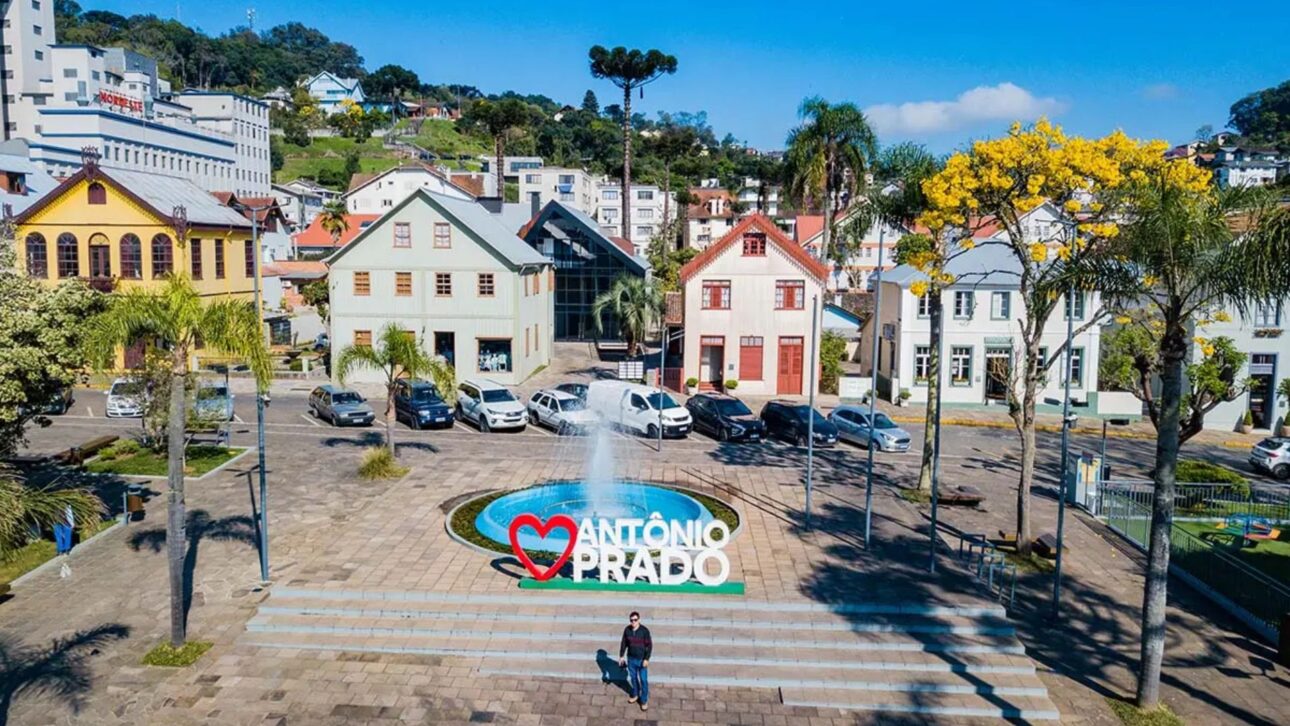
A Visit Yields A Walk Between Colorful Mansions, Shady Squares, And Churches That Dot The Urban Layout.
In Less Busy Hours, The Sound Of The Dialect Blends With The Ringing Of Bells And The Comings And Goings Of Residents On The Corners.









-

Uma pessoa reagiu a isso.