





 Portuguese
  English
  Spanish
  6 min of reading
  0 comments


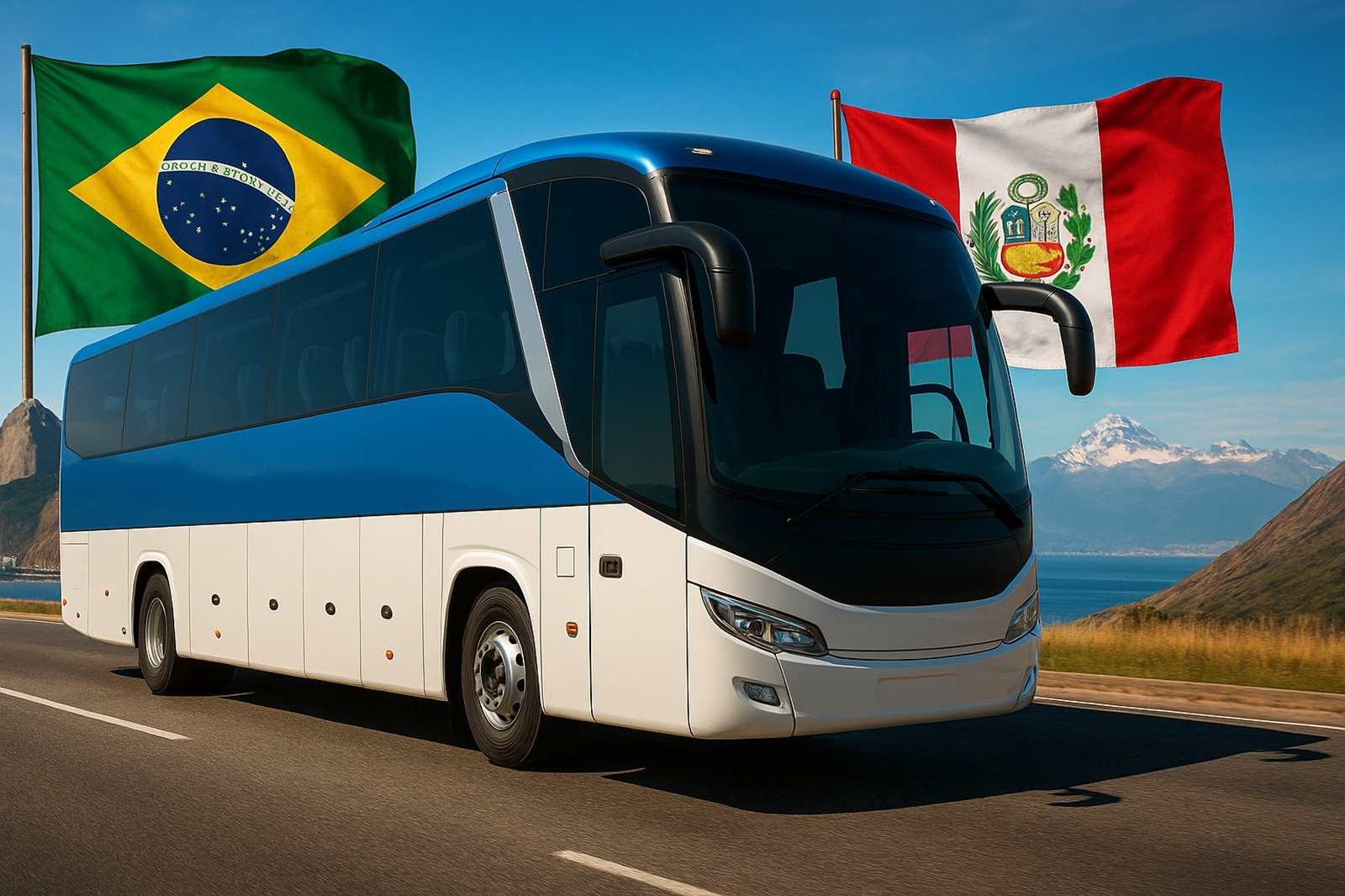
Documented Trip by YouTuber Shows 6,500 km Driven in 5 and a Half Days, Crossing 3 Countries, 6 Brazilian States, and the Andes Mountains.
The longest bus trip in the world is not just a simple journey between distant cities. It reveals itself as a true experience, marked by challenges, impressive scenery, unexpected encounters, and the feeling of crossing South America in a way few dare to live.
The route begins in Rio de Janeiro and goes all the way to Lima, Peru. It covers about 6,500 kilometers by road, crossing three countries and requiring almost six full days on the road.
For those who embark at the starting point and only disembark at the final destination, the journey becomes almost a deep dive into another reality.
-
Friends have been building a small “town” for 30 years to grow old together, with compact houses, a common area, nature surrounding it, and a collective life project designed for friendship, coexistence, and simplicity.
-
This small town in Germany created its own currency 24 years ago, today it circulates millions per year, is accepted in over 300 stores, and the German government allowed all of this to happen under one condition.
-
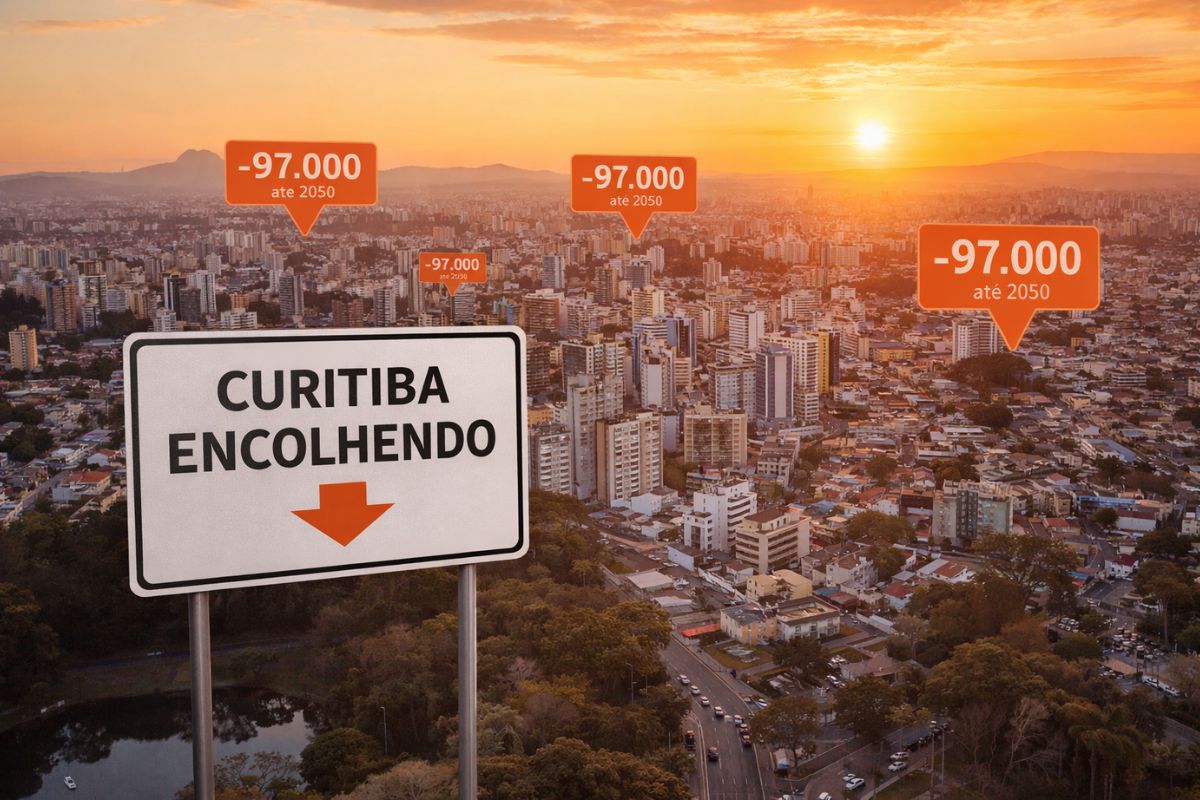
Curitiba is shrinking and is expected to lose 97,000 residents by 2050, while inland cities in Paraná such as Sarandi, Araucária, and Toledo are experiencing accelerated growth that is changing the entire state’s map.
-
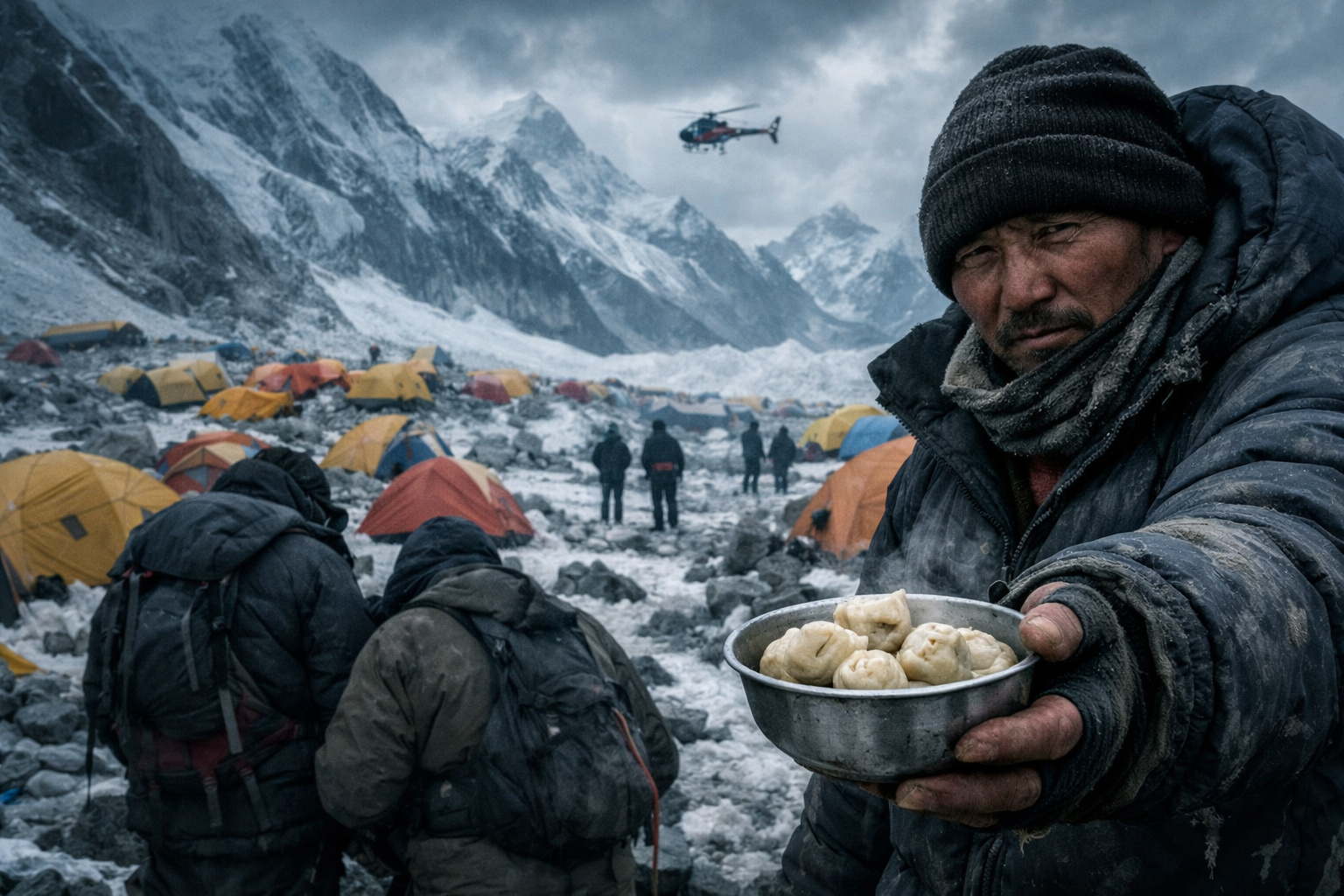
Tourists were poisoned on Everest in a million-dollar fraud scheme involving helicopters that diverted over $19 million and shocked international authorities.

The YouTube channel Melhores Destinos undertook this adventure and shared unprecedented details on what it’s like to face the longest bus trip on the planet.
Starting in Rio de Janeiro
The Novo Rio bus station is the starting point of the longest bus trip in the world. Even for those who bought tickets online, picking up the ticket at the Trans Acreana desk is mandatory.
This is how the journey of the Melhores Destinos channel began, which recounted its experience in a 45-minute video.
The promotional ticket cost R$ 1,000.00, but when purchased online, it had a service fee and came to R$ 1,140.00.
At boarding, there were only two passengers. The two-story bus was mostly empty. The chosen seat was in the front, on the upper level, with a privileged view of the road.
Semi-reclining, it leaned back quite a bit, offering reasonable comfort for the five and a half days that lay ahead.
It soon became clear that this bus would indeed be the “home” for almost a week. A bathroom, USB ports, a water dispenser, and space for luggage were essential items to face so many hours on the road.
First Major Stop: São Paulo
Still early in the night of the first day, the bus arrived in São Paulo. There was time for dinner before heading to the Tietê bus station, where new passengers boarded. It was there that the bus really started to fill up.
Upon departure, the drivers emphasized the rules: mandatory seatbelt use, three stops per day (breakfast, lunch, and dinner), and information about places with showers.
They reminded everyone that this vehicle would be the travelers’ home until Lima and asked for cooperation to keep everything organized.
The luggage was eye-catching. Passengers were carrying boxes, televisions, and items that would hardly be allowed on airplanes. The bus allowed up to 50 kg per person, and this flexibility was one of the reasons many Peruvians chose the road.
Campo Grande, Cuiabá, Porto Velho, and Rio Branco
The second day brought new scenery. The bus crossed São Paulo, entered Mato Grosso do Sul, and made simple stops at restaurants with affordable prices. Campo Grande was one of the official boarding points.
In Mato Grosso, the routine became clear: simple breakfast, quick snacks, constant bathroom maintenance, and long hours on the road. A cold shower, paid separately, cost R$ 10.00 and served as relief after almost two days without one.
Rondônia appeared on the horizon after long hours. Potholes and bumpy roads marked the stretch to Porto Velho. In the early morning, hardly anyone noticed passing through the capital.
At dawn, the bus reached Rio Branco, Acre, the headquarters of Trans Acreana. There was time for a longer break, cleaning the vehicle, and changing drivers. For some, it was their first time in Acre—and the feeling of arriving there by bus heightened the emotion.
Crossing the Border
From Rio Branco to Assis Brasil, the last Brazilian municipality before Peru, the bus accumulated delays—almost three hours. The risk of missing the Federal Police schedule was real. Fortunately, they arrived ten minutes before closing.
On the other side, in Iñapari, already in Peruvian territory, passports were stamped, and a new phase of the journey began.
The first stop in Peru was in Puerto Maldonado. Roasted chicken, french fries, and salad cost around R$ 20.00. Some passengers used international cards to pay, avoiding currency exchange.
Challenges of the Andes Mountains
At dawn, the landscape changed radically. The Andes Mountains appeared on the horizon, imposing, with its winding curves, valleys, and ice-covered peaks.
The crossing required powerful engines and heightened attention from the drivers. In some sections, rocks fell from the mountains, causing scares and even damage to the bus. But it also provided unique scenes, such as herds of alpacas crossing the road.
The cold intensified. Even with heating, those traveling in the front seats felt the difference. Drivers improvised Brazilian coffee on the stove, as many found Peruvian coffee too weak.
Cusco and New Paths
Cusco, the gateway to Machu Picchu, was the disembarkation point for many passengers. For those continuing to Lima, a long stage remained.
The winding roads and delays made the stretch to Abancay tiresome. Dinner, late at night, was disappointing: few options and weak food. Some had to ask for help to pay, as there was no card option.
Still, arriving in Cusco brought relief. There, the journey began to take on the contours of a final leg.
Blockades, Delays, and the Final Stretch to Lima
A blockade on the road halted the bus for over three hours. Improvised vendors took advantage of the wait to offer food. Some passengers walked along the blocked stretch, observing roadwork.
Nazca was another memorable stop, with a view of the famous Archaeological Lines.
Fatigue was already evident, but the anticipation of arriving in Lima kept everyone excited. After five and a half days, the bus finally reached the Peruvian capital, eight hours later than planned.
Disembarkation took place at the Atocongo Station. Some headed to Miraflores, while others had family waiting.
Trip Costs
The ticket price ranged from R$ 1,000.00 to R$ 1,500.00, depending on promotions and the point of purchase. Meals and showers totaled around R$ 425.00 over the six days.
In total, the expenses exceeded R$ 1,500.00. For those who decided to return by plane, the contrast was clear: five hours of flight, on promotion for R$ 780.00, replaced the almost six days on the road.
Profiles of the Travelers
Two groups stood out among the passengers. Brazilians sought the experience, adventure, the pleasure of crossing South America by land. Meanwhile, Peruvians valued the opportunity to carry a lot of luggage and save on last-minute tickets.
On the bus, conversations flowed. Life stories, laughter, discussions about ceviche. For some, the trip was a dream come true. For others, just the most practical way to get home.
Tips for Those Considering the Journey
- Wear comfortable clothing and, if possible, compression socks.
- Bring light snacks, fruits, and water.
- Always have your documents on hand, updated.
- Take advantage of the stops to rest, shower, and get to know a little of the cities.
- Bring entertainment: books, music, podcasts.
More Than Transportation, a Story
In the end, the longest bus trip in the world is much more than crossing borders. It’s about resilience, coexistence, landscapes, and memories.
Six days on a bus equate to a lifetime of stories. Each stop, each simple meal, each unexpected conversation becomes part of a larger narrative.
And for many, it’s a journey worth experiencing, at least once.









-

-

-

3 pessoas reagiram a isso.