





 Portuguese
  English
  Spanish
  3 min of reading
  0 comments


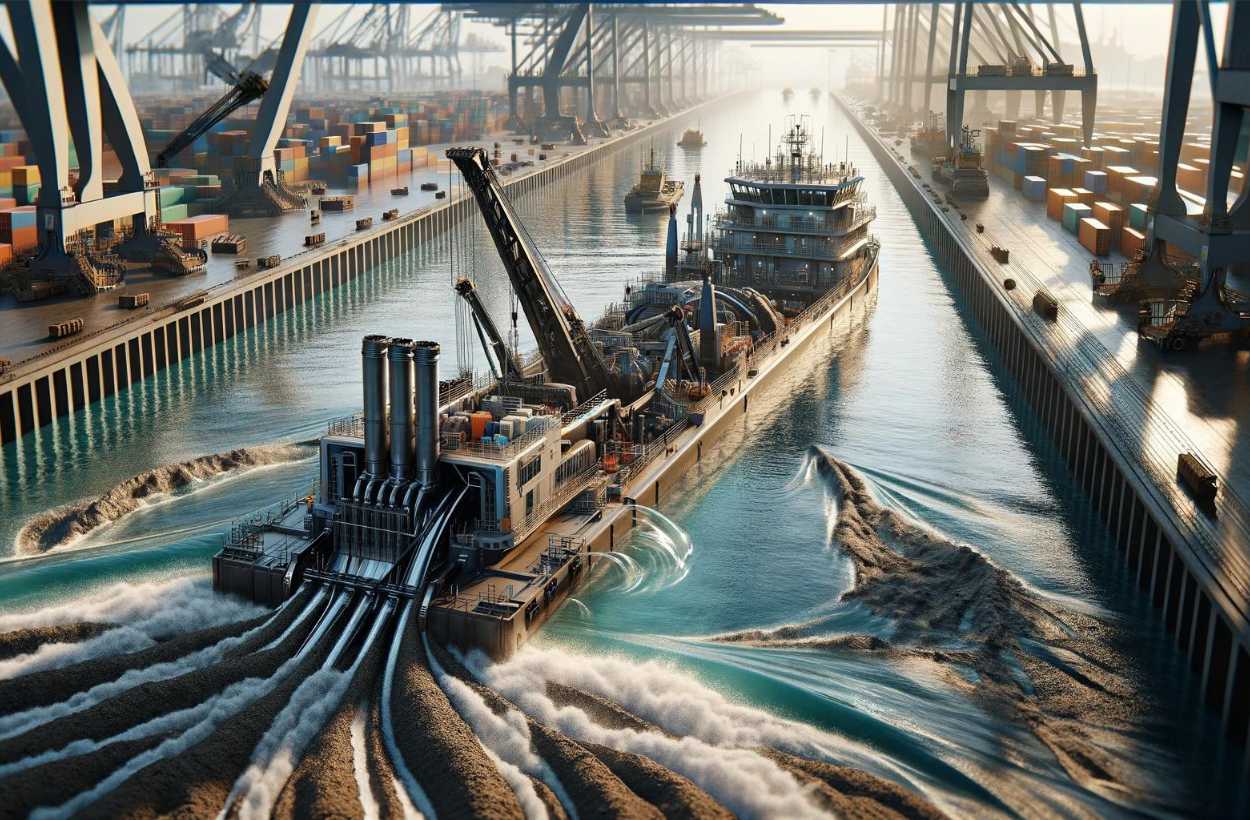
The Dredging Technique Is Essential For Maintaining The Depth Of The Port Channel, Allowing Safe And Efficient Navigation Of Large Vessels While Controlling The Accumulation Of Sediments.
Port channel dredging is a crucial technical process that ensures the navigability and safety of ports worldwide. Essential for maritime trade, dredging involves the removal of sediments, sand, sludge, and other materials from the bottoms of channels, maintaining the appropriate depth for transit of large ships.
Thus, see how dredging operations are conducted, from the mobilization of specialized dredges to the meticulous management of extracted materials, highlighting the importance of this activity for port infrastructure and the global economy.
The Types Of Dredges And The Dredging Mission For Port Channels
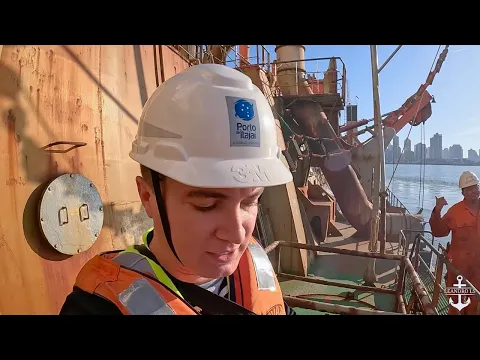

Dredges are specialized vessels, crucial in port channel engineering to ensure navigation and global maritime trade. They perform dredging, a process that removes sediments from the bottoms of water bodies, maintaining or increasing the depth of port channels to facilitate the safe transit of large ships.
-
Historic bankruptcy of Centauro shocks the market, and the century-old company puts more than 500,000 products, machines, and complete infrastructure up for online auction.

-
New shoe factory in Ceará is expected to create 400 jobs and strengthen the local economy.

-
No one imagined it, but a mixture of sawdust with a mineral that fights fires surprises scientists with a result that changes the course of fire-resistant construction.

-
From empty land to a high-end house, wooden construction uses a lightweight system, metal structure for the foundation, ventilated ceramic cladding, and special windows to create an efficient and comfortable living space throughout the year.


The Cutter Suction Dredger, one of the most common types, uses a suction head on a long tube to suck up sediments, storing them in its hold. This technique is ideal for looser sediments and is widely used in large-scale dredging projects.
Another significant type is the Cutter and Suction Dredger, which stands out for its rotating cutting head that can crush compacted soils or rocky materials before sucking them into the vessel. This capability makes it suitable for work in more challenging conditions.
Grab Dredges operate differently, collecting material from the seabed with sturdy buckets, effective in removing denser sediments or debris. Meanwhile, Hydraulic Dredges use the force of water to liquefy the sediment, facilitating its removal through suction.
For work requiring precision, Mechanical Dredges are the ideal choice. Equipped with excavators or grabs, they remove material in a controlled manner, being essential in areas where sediment needs to be handled carefully.
How Is The Dredging Of A Port Channel Done?
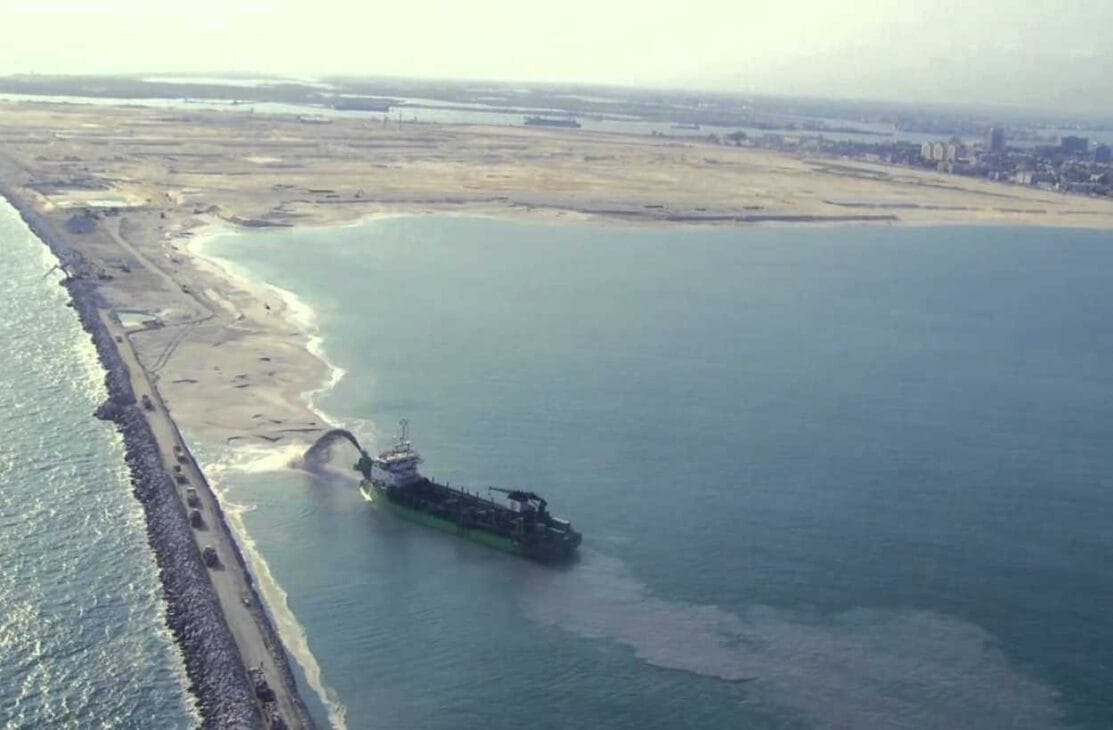
The dredging of a port channel is carried out by vessels called dredges, which remove sediments and other materials from the bottom of the channel to maintain or increase its depth and width, ensuring the safe passage of ships. The process begins with mapping the area to identify zones that require dredging. Next, the dredge, equipped with tools such as cutting heads, suction, or buckets, is used to extract materials from the seabed. These materials are then stored on the dredge or transported to designated locations for disposal. This process keeps port channels navigable, safe, and operational for maritime traffic.
But What Is The Importance Of Dredging For Navigation?
Dredging not only ensures the necessary depth for the passage of large ships but also prevents the accumulation of sediments brought by currents and erosion. This ongoing service is crucial for the functioning and efficiency of the port, highlighting the permanent need for maintenance and the relevance of dredging in the port scenario.
What is most surprising about the operation of dredging port channels is the complexity and technical precision required to ensure that the process is efficient, safe, and environmentally sustainable. The environmental management associated with dredging is a particularly impressive aspect, highlighting the necessary balance between economic development and environmental preservation.
Dredging Is Not Just About Removing Sediments
The dredging process involves a detailed study of the seabed characteristics, the careful selection of the dredging technique, and the management of dredged materials to avoid negative impacts on the marine and coastal environment. For example, the continuous monitoring process to ensure that turbidity and sediment dispersion are within acceptable limits demonstrates a commitment to sustainability.
Not to mention that dredging plays a crucial role in flood prevention and the restoration of aquatic habitats, demonstrating its importance beyond navigation and trade. The ability to adapt dredging operations to different environmental and economic needs, while minimizing ecological impact, reflects a significant advancement in port engineering and management. This combination of advanced engineering, environmental responsibility, and economic impact makes dredging a fascinating and vital process for the functioning of port channels worldwide.










Seja o primeiro a reagir!