





 Portuguese
  English
  Spanish
  4 min of reading
  0 comments


Know The History, The Challenges And The Beauties Of The Transamazonian Highway. An Adventure On A 4,000 Km Road That Cuts Through The Largest Forest In The World, Between Sections Of Asphalt And Mud
The Transamazonian Highway (BR-230) is more than a road; it is a symbol of Brazil’s ambitions and contradictions in the Amazon. Conceived in the 1970s, this legendary 4,000 km road represents, for adventurers, one of the last great tests of endurance on the continent. However, its history is marked by a complex and controversial socio-environmental legacy.
Understand the multiple faces of the Transamazonian. We explore its contrasting layout, the crossing challenges and the stories that intertwine along the route that cuts through the largest tropical forest on the planet.
Integrate To Not Deliver And The Interrupted Dreams Of BR-230
The conception of the Transamazonian occurred during the military regime (1964-1985). Under the slogan “Integrate To Not Deliver”, the government sought to occupy the vast and then-little-explored Amazon, fearing foreign greed. The official objectives included promoting national security, exporting wealth, and settling “landless” populations from the Northeast.
-
Italian researchers have detected what appears to be a second Sphinx buried under the sands of Egypt, and satellite scans reveal a gigantic underground megastructure hidden beneath the Giza Plateau for over 3,000 years.

-
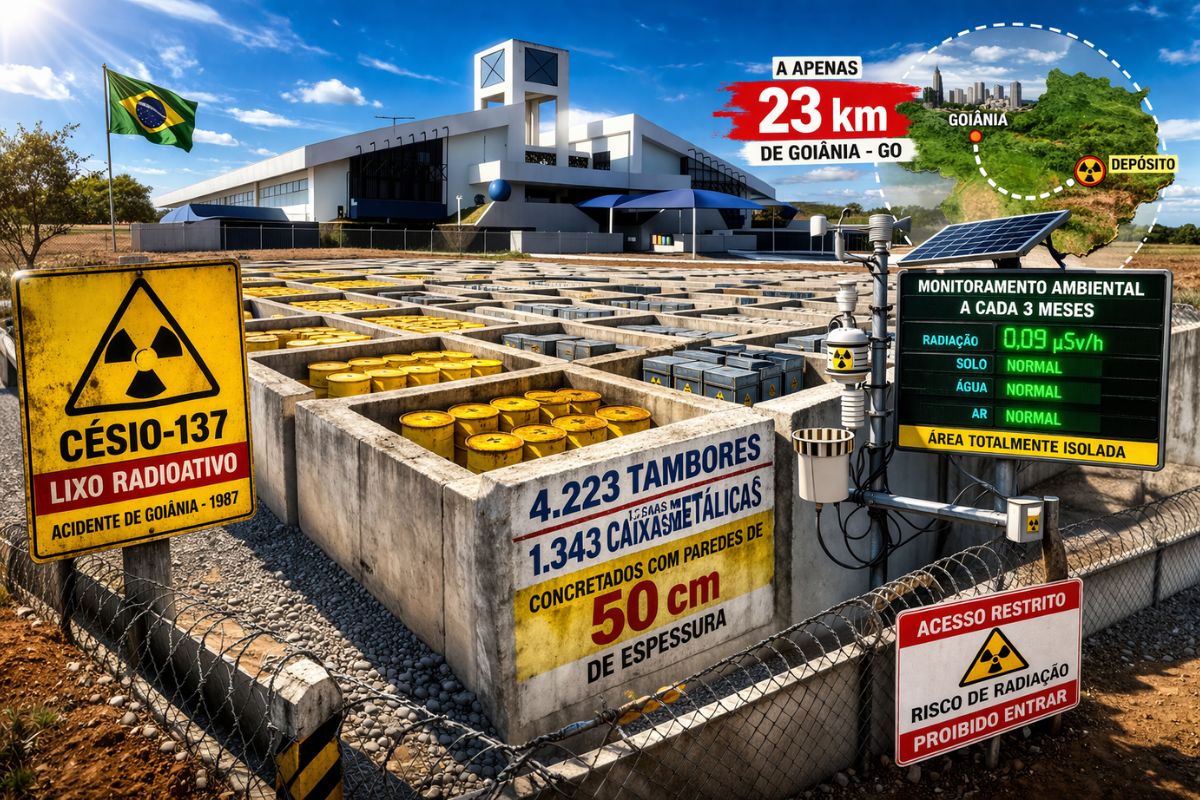
There are 4,223 drums and 1,343 metal boxes concreted with 50-centimeter walls that store the radioactive waste from Cesium-137 in the worst radiological accident in Brazil, just 23 kilometers from Goiânia, with environmental monitoring every three months.
-
Giant Roman treasure found at the bottom of Lake Neuchâtel in Switzerland reveals an advanced trade system, circulation of goods, and armed escort in the Roman Empire about two thousand years ago.

-
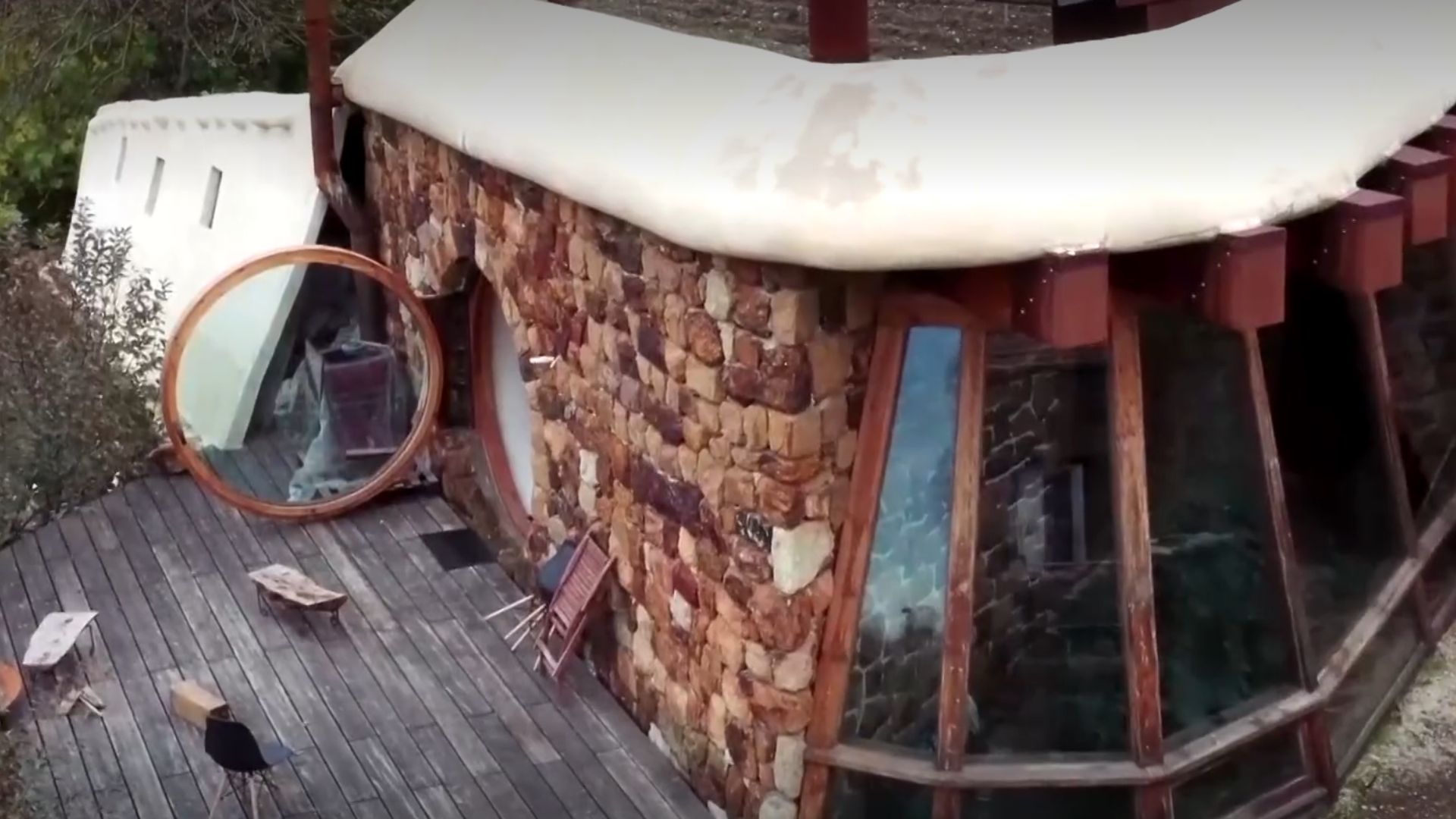
He buried 1,200 old tires in the walls to build his own self-sufficient house in the mountains with glass bottles, rainwater, and an integrated greenhouse.
The construction began in 1970, but the slogan “land without people” ignored the presence of various indigenous peoples. The construction of the 4,000 km road tore through ancestral territories and, without adequate socio-environmental planning, sowed the seeds of conflicts that persist to this day. The original plan to extend the highway to the border with Peru never materialized.
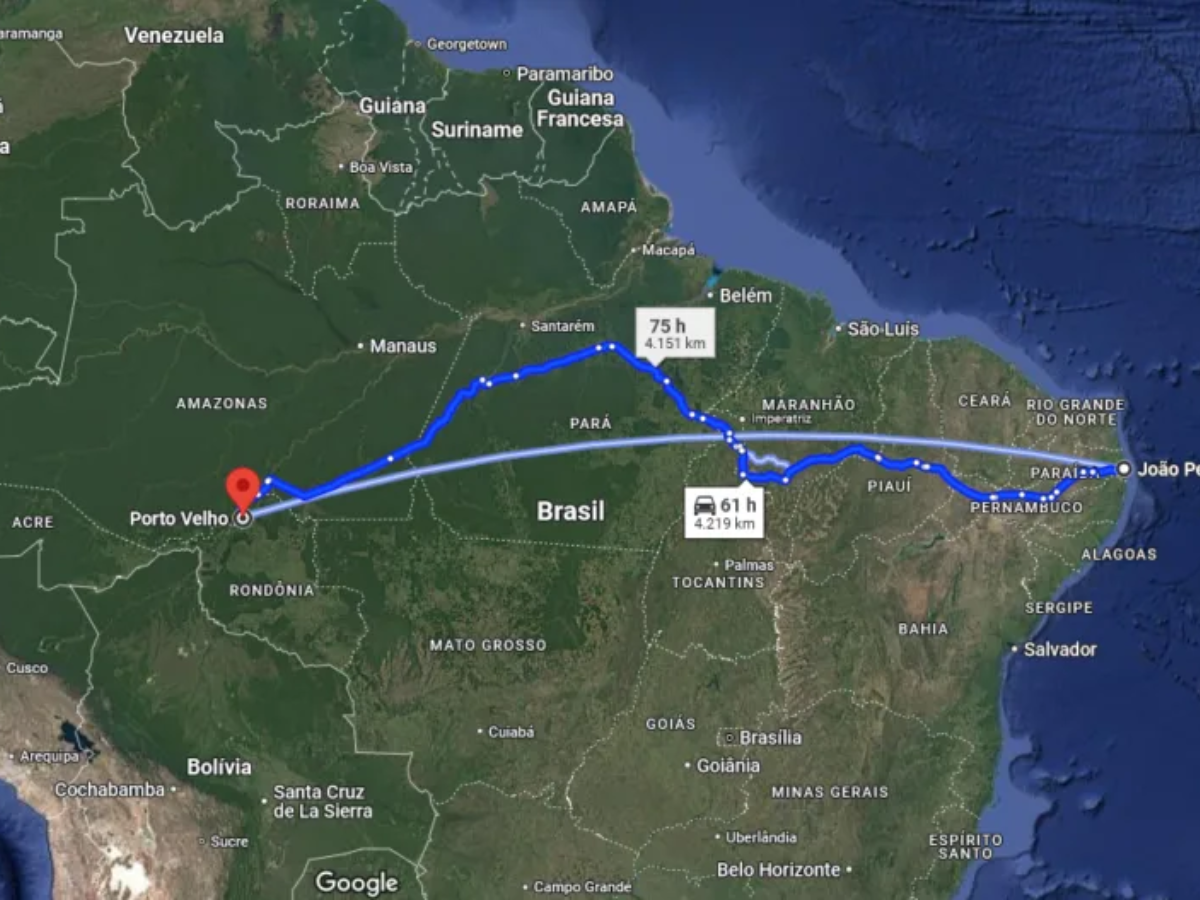
The Route Of The 4,000 Km Road From Cabedelo (PB) To Lábrea (AM)
With over 4,200 kilometers, BR-230 begins in Cabedelo (PB), at the Atlantic Ocean, and enters the Amazon all the way to Lábrea (AM). Its route reveals a Brazil of contrasts.
From Cabedelo (PB) to Marabá (PA): This is the most structured section, predominantly paved and serving as an important logistical corridor for the Northeast.
From Marabá (PA) to Itaituba (PA): The road starts to show its wilder face. Paved sections become scarce and conditions become precarious, especially in the rain. This area is marked by mining and logging activities.
From Itaituba (PA) to Lábrea (AM): This is the most isolated and challenging section of the 4,000 km road. Paving is virtually nonexistent. Isolation makes access to basic services and economic development of communities difficult.
The Seasonal Challenges Of Traveling The Transamazonian
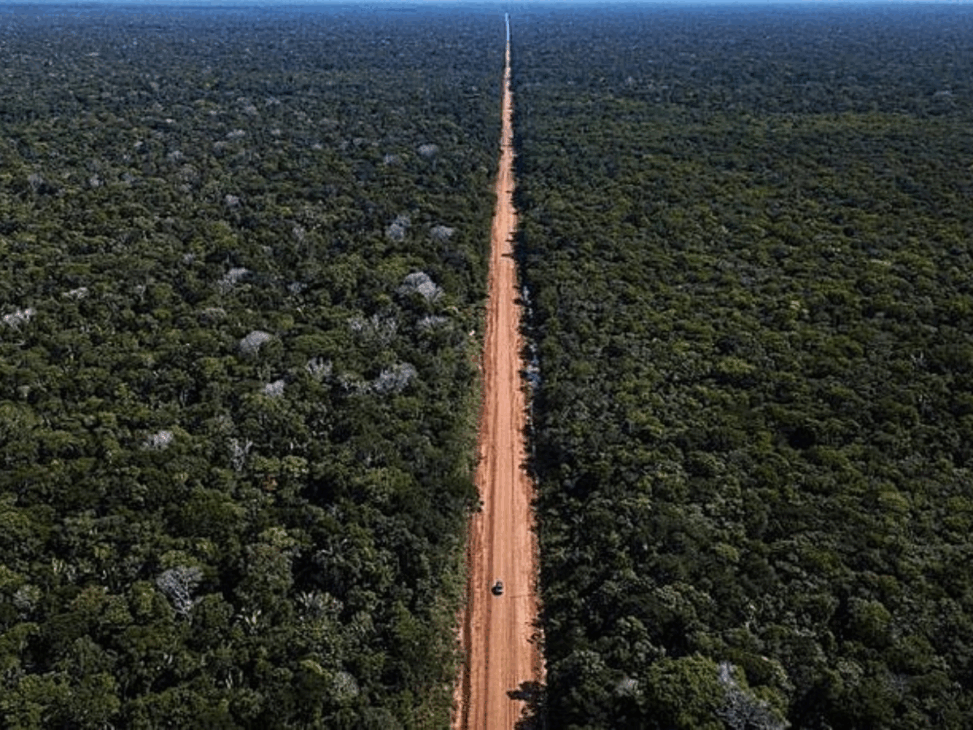
The experience of traveling the Transamazonian is dictated by the Amazonian seasons. During the dry season (July to September), fine and persistent dust reduces visibility and can hide potholes. Despite this, it is the safest time for crossing.
With the arrival of the rains (October to March), the scenario changes drastically. The road turns into a swamp of thick, slippery mud. The feared mud holes become common, trapping vehicles for hours or even days. Precarious wooden bridges and the need for ferry crossings add more unpredictability to the journey.
The Severe Socioenvironmental Impacts Of The 4,000 Km Road
The construction of the Transamazonian left a trail of profound impacts. The forced contact with the workers resulted in epidemics that decimated entire indigenous populations, such as the Tenharim. Their territories, crops, and sacred places were destroyed.
Environmentally, the road functioned as a vector of deforestation, facilitating access for logging, agriculture, and illegal mining. The “fishbone effect,” where illegal branches are opened from the main road, multiplied the destruction. The contamination of rivers with mercury and other pollutants affected wildlife and the health of riverside populations.
The Adventure, The Treasures And The Uncertain Future Of The Transamazonian
Despite the challenges, the journey along the 4,000 km road is a unique experience. The isolation tests self-sufficiency and fosters a strong spirit of camaraderie among travelers. Initiatives like the Cacao to Chocolate Tourist Route in Pará demonstrate the potential for more sustainable development, valuing local culture and products.
The future of the Transamazonian remains uncertain, in a debate between the need for its completion and paving for regional development and the imperative to protect the Amazon. The road continues to be a metaphor for Brazil’s complex relationship with its greatest natural wealth, a challenge for adventurers and a symbol of the search for a more balanced future for the region.










-

-

3 pessoas reagiram a isso.