





 English
  Francês
  Alemão
  Italiano
  Japonês
  Norueguês
  Portuguese
  Spanish
  4 min of reading
  0 comments


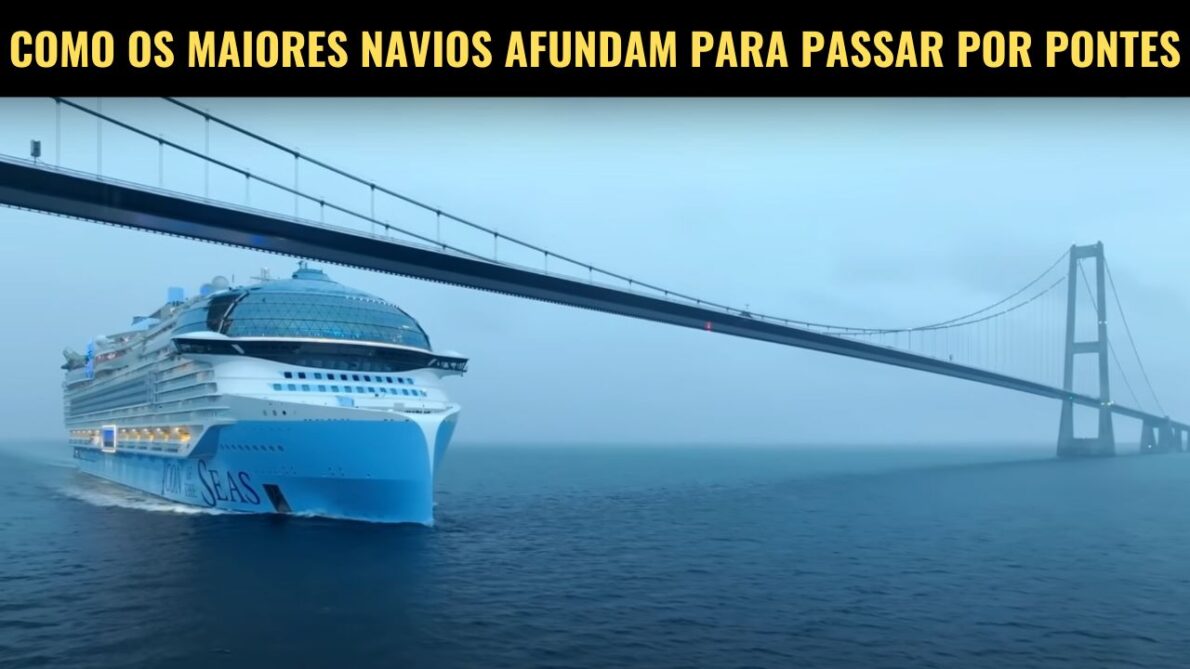
How The Largest Cruise Ships In The World Sink In The Sea To Avoid Collisions With Bridges
Traveling the seas on a cruise is already the dream of many people. The idea of exploring stunning landscapes and relaxing on a luxury vessel is almost irresistible. But what few people imagine is how the largest cruise ships in the world manage to navigate these waters without colliding with gigantic bridges along the way. Do they sink on purpose? The answer is yes, and modern engineering has everything to do with it.
In recent years, cruise companies have heavily invested in creating increasingly grand vessels, aiming to attract more tourists and offer incredible experiences. Ships that look more like floating cities, with water parks, casinos, spas, and fine dining restaurants. However, the increased size of the largest cruise ships in the world brings a technical challenge: how to ensure that they can pass through obstacles like bridges without causing accidents?
One Of The Biggest Examples Of This Complexity Is The Icon Of The Seas
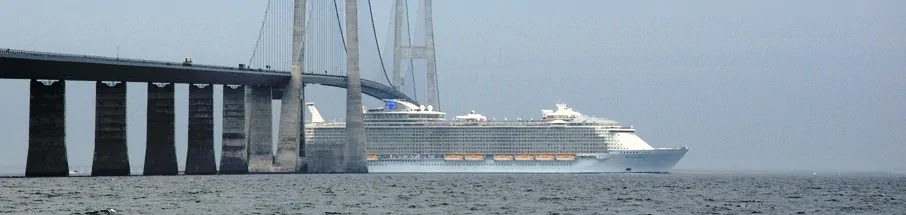
And believe it or not, this problem is not small, literally. One of the biggest examples of this complexity is the Icon of the Seas from Royal Caribbean, launched this year. With an impressive height of 93 meters – equivalent to a 20-story building – this enormous vessel takes a route from Miami to Finland. During this trip, one of the major highlights is crossing the Great Belt Bridge in Denmark.
-
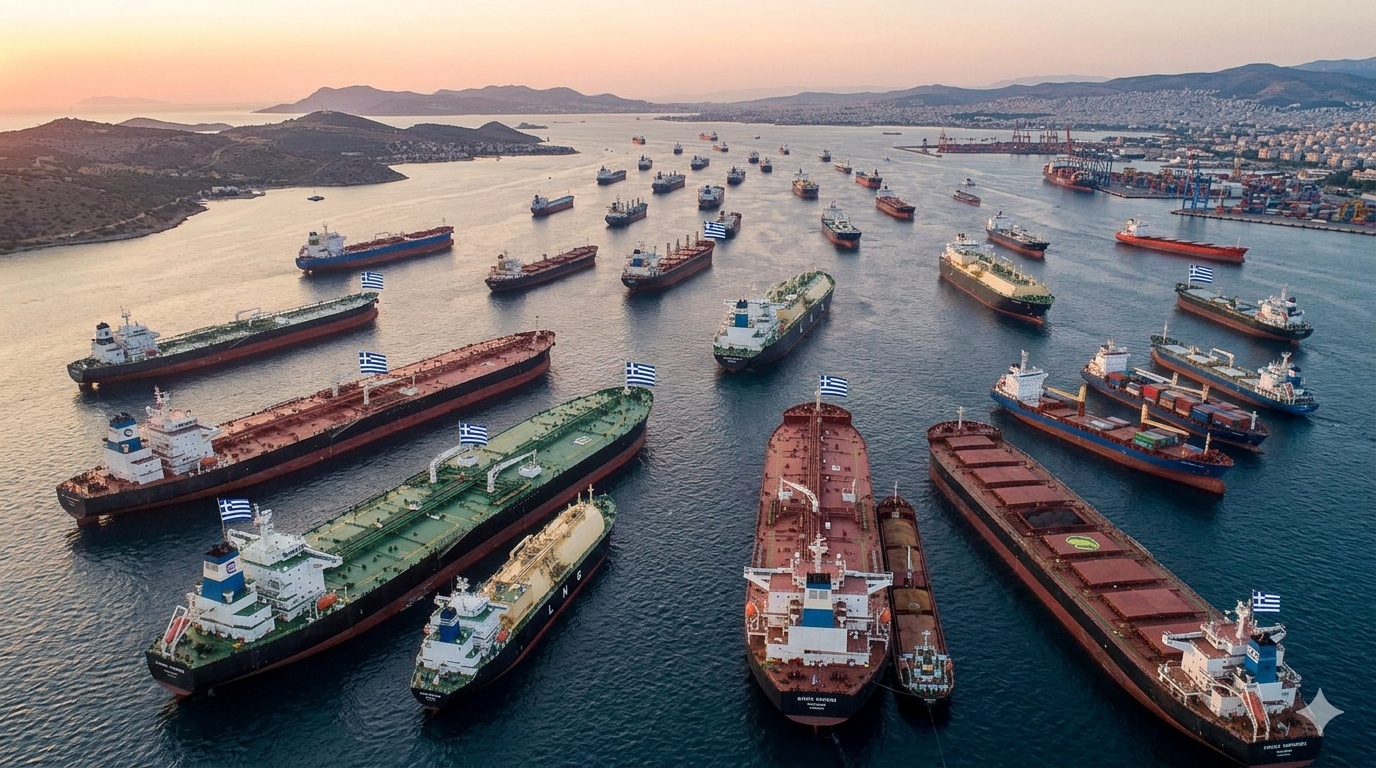
Neither the USA nor China: a small European nation has become one of the largest maritime powers on the planet, controlling one of the largest merchant fleets in the world with thousands of ships and dominating the global transportation of oil and strategic cargo.
-
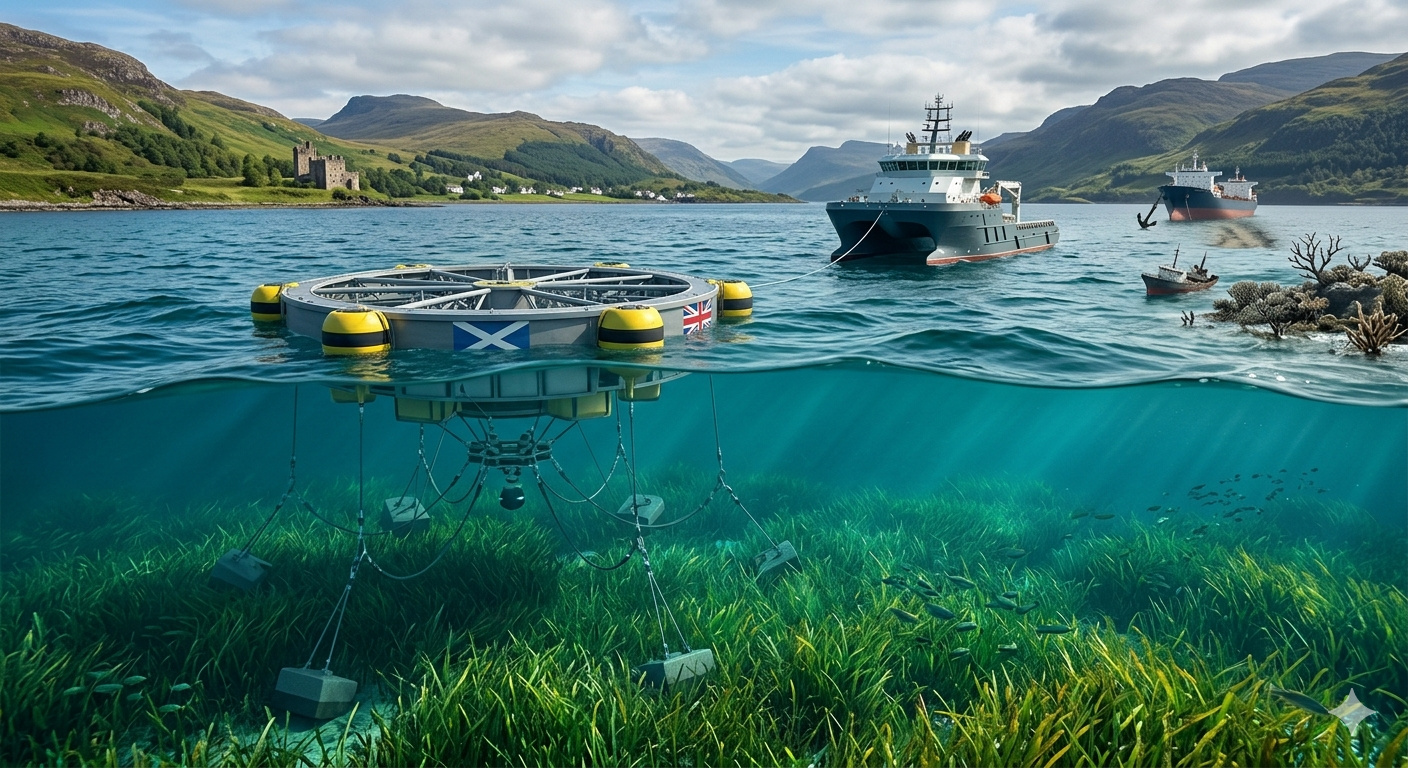
Scotland and the United Kingdom have created a new anchoring system that floats in the water without touching the seabed, after discovering that the current from a conventional anchor destroys up to 50 m² of seagrass meadow per event and that ship-damaged reefs showed no signs of recovery even ten years later.
-
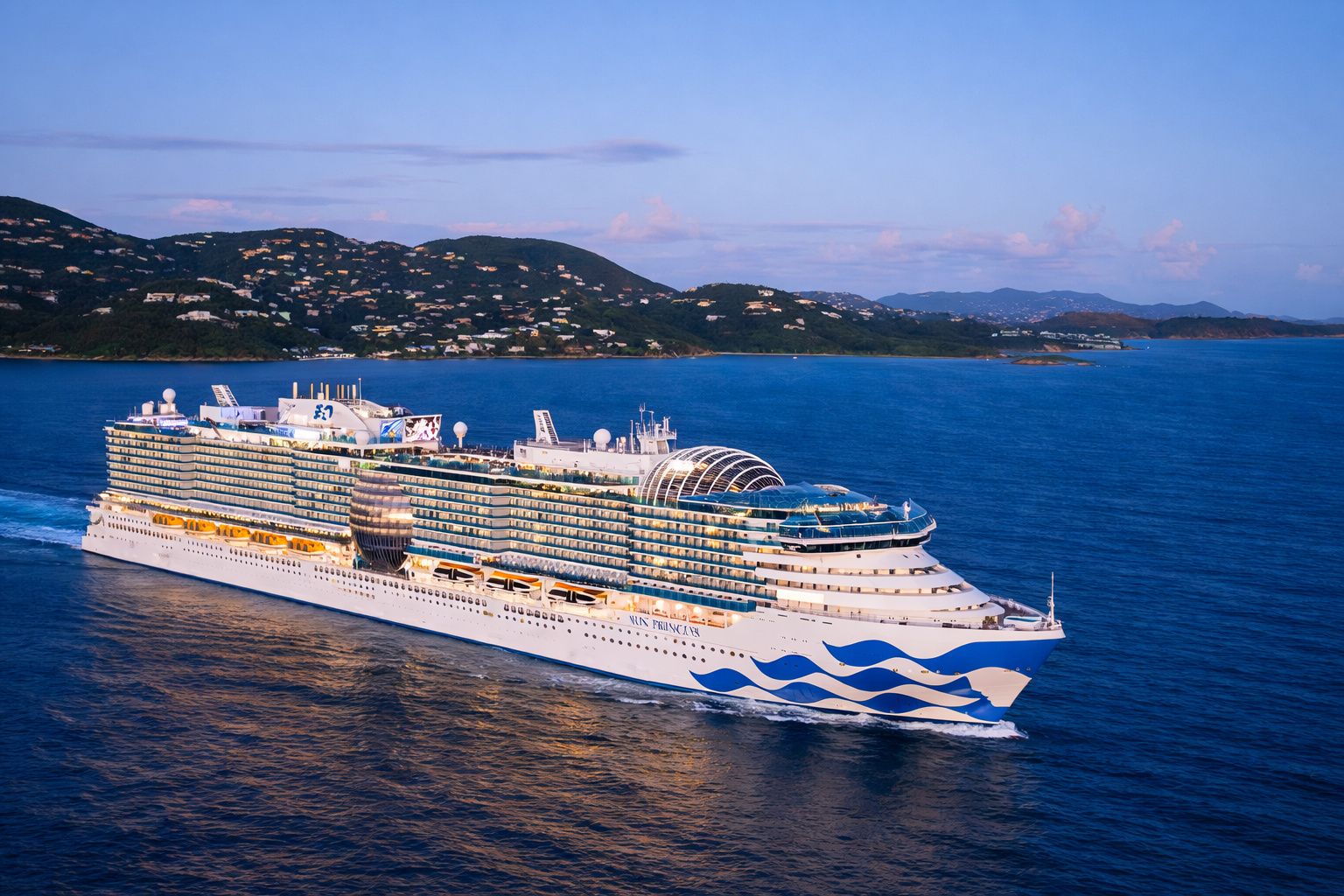
Weighing 175,500 Tons, Measuring 345 Meters Long, and With Capacity for Over 4,300 Passengers, the Sun Princess Becomes the Largest Ship Ever Built by Princess Cruises and Attracts Global Attention for Its Huge Glass Dome Inspired by Santorini’s Architecture Installed on Top of the Vessel
-
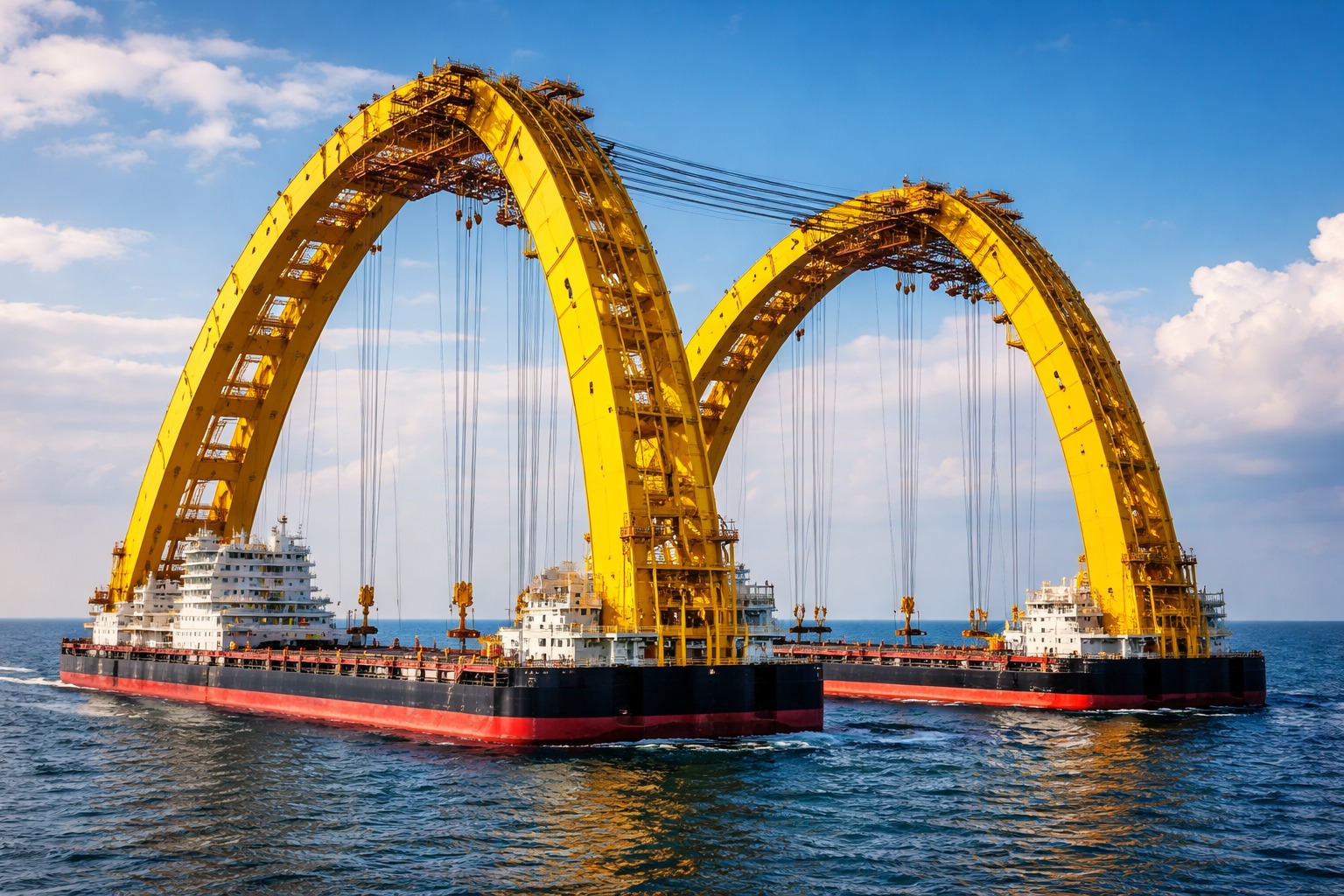
TX-10, The Colossus of The Sea: Largest Lifter Ship in The U.S., With Two Giant Barges, 73-Meter Tall Structure, and Strength to Raise 7,500 Tons of Sunken Oil Rigs

How Does The Largest Ship In The World Avoid Collisions With Bridges?
The Great Belt Bridge is one of the tallest suspension bridges on the planet, standing at 254 meters. Despite being one of the most fascinating landmarks of Danish engineering, it poses a challenge for ships as imposing as the Icon of the Seas. So how do these gigantic vessels pass under the bridge without colliding? The answer lies in a clever and even simple technique: sinking in the sea.
The largest cruise ships in the world, such as the Icon of the Seas, use tanks filled with seawater to “sink” the visible part of the ship. By doing this, the height of the ship relative to the waterline decreases enough for it to safely pass under bridges without any risk of collision. This engineering trick is used to lower the ship’s height by several meters, ensuring a smooth crossing.
Another Technique Used On The Allure Of The Seas
Another great example of a vessel that uses this type of technique is the Allure of the Seas, also from Royal Caribbean. This ship, which has been crossing under the Great Belt Bridge since 2009, goes beyond simply injecting water into the tanks. It uses a more advanced technique, with collector funnels that suck in seawater, allowing an additional reduction of nearly four meters in the ship’s height. This is enough to ensure that it can pass under the bridge without difficulties, even with its enormous size.
The Power Of Naval Engineering In The Largest Cruise Ships In The World
Naval engineering behind the largest cruise ships in the world is a true showcase of technology. These sea giants are equipped with systems that constantly monitor the conditions of the route, adjusting factors such as the height of the vessel and the position of the tanks. This ensures that they can navigate through regions with immense obstacles, like bridges, without compromising the safety of their passengers.
Every detail is meticulously planned, from construction to the routes that these ships take. After all, the goal is to provide an unforgettable experience for those on board without sacrificing safety and comfort.
The Ability To “Sink” In The Sea To Avoid Collisions Is A Trick That Involves A Series Of Cutting-Edge Technologies
For those dreaming of embarking on a luxury cruise and exploring the world, it’s interesting to know that the largest cruise ships in the world not only provide a unique experience but also feature complex engineering that allows these gigantic vessels to navigate smoothly under bridges that seem impossible to cross. The ability to “sink” in the sea to avoid collisions is a trick that, although it seems simple, involves a series of cutting-edge technologies, ensuring that these wonders of the seas can continue to delight travelers around the world.
What Are The Professions On Cruise Ships?
Working on a cruise ship offers a variety of professions ranging from technical roles to customer service. The captain is the top leader of the vessel, responsible for the entire operation and safety of the ship, supported by navigation officers who monitor routes and ensure that everything is operating according to standards. Onboard engineers play a crucial role in maintaining mechanical and electrical systems, such as engines and generators, ensuring that the ship operates efficiently.
In addition to technical roles, there is a large team dedicated to passenger well-being. Chefs and their assistants prepare gourmet meals daily, while the service team, including waiters, bartenders, and housekeepers, attends to guests’ needs, ensuring a luxury experience. Entertainment professionals, such as entertainers, dancers, and musicians, also play a key role in providing fun and unforgettable moments during the voyage.
With all this technology involved, one can’t help but wonder: did you know that these gigantic vessels had this ability to “sink” in the sea to avoid collisions?









Seja o primeiro a reagir!