





 Portuguese
  English
  Spanish
  4 min of reading
  4 comments


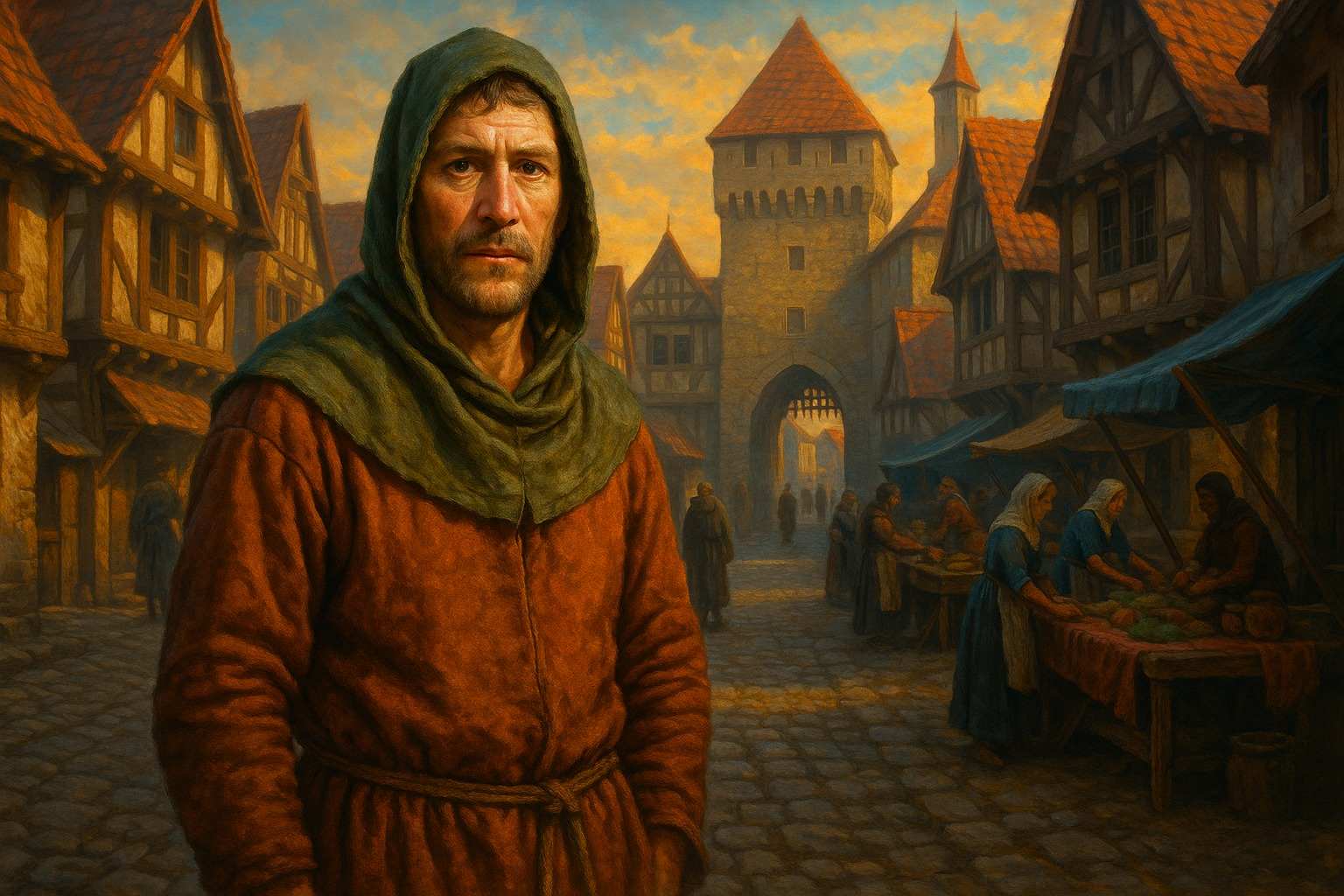


The Middle Ages Are Remembered for Castles and Kings, but the Reality for Most Was Very Different: People Coexisting with Rats, Diseases, Hunger, and Extreme Filth, in a World Where Bathing Was Rare and Faith Replaced Any Medical Treatment
For centuries, the Middle Ages were idealized by movies and series that showed castles, kings, queens, and grand banquets. However, for the common people, the reality was brutal. The everyday life of most of the population was marked by misery, disease, filth, and a complete lack of rights.
The medieval society can be analyzed from four fundamental pillars: health, leisure, security, and education — all practically nonexistent at that time.
Health in the Middle Ages: Rats, Hunger, and Group Baths
Health, or rather the absence of it, was one of the most evident markers of the Middle Ages. People lived in precarious conditions, without any notion of personal or collective hygiene.
-
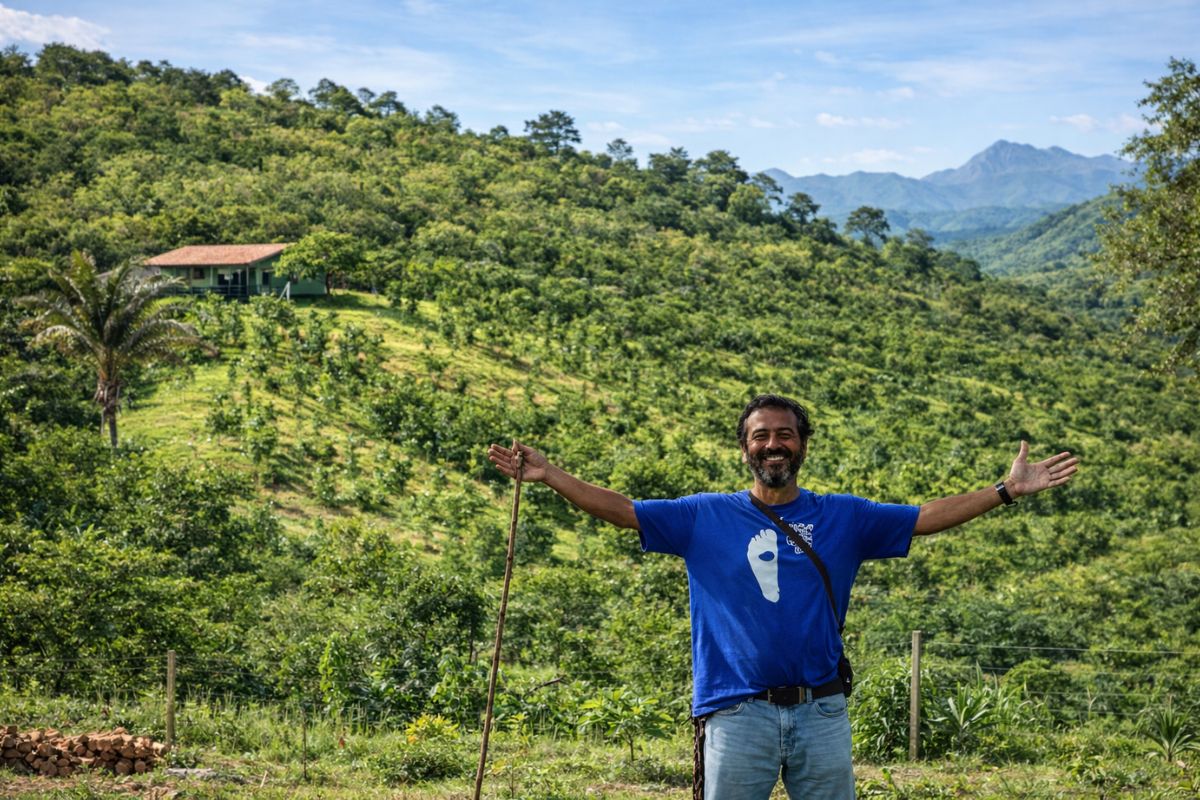
A Globo actor lives on a farm the size of 300 football fields in Teresópolis, where he produces cheese, honey, and organic chocolate, and has already planted 20,000 native trees.
-
This simple tool eliminates the need for a plumb line with each row, speeds up brick laying by up to 40%, and any laborer can align the wall by themselves, but almost no one in Brazil uses it on construction sites.

-
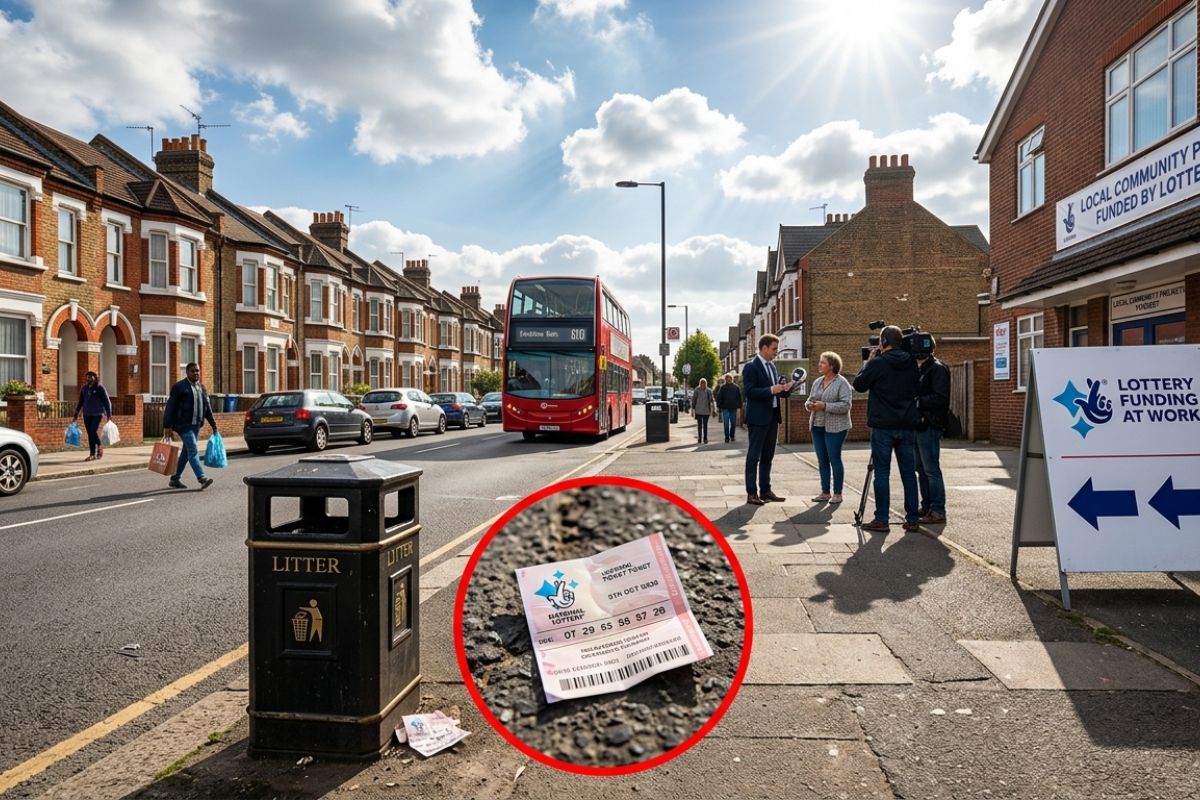
Won R$ 72 million in the British lottery, but lost it all for not claiming: October ticket in Bexley was forgotten, the 180-day deadline passed, and the fortune will fund local community projects in London.
-
Mixing vinegar with detergent in a blender has become the most talked-about cleaning trick on the internet because it solves a problem that everyone has in the kitchen in seconds and uses only two ingredients that you already have at home.


Science had no credibility, and the Church controlled what was believed to be a cure. When someone fell ill, the recommended treatment was prayer — and only that.
There were no sewage systems or running water. Baths were rare, happened in groups, and most of the time, only once a year. Many families used shared buckets: the older ones washed first, and the water passed from person to person. As a consequence, contagious diseases spread easily.
Rats dominated the cities, feeding on clothes and the scant food supplies. Without electricity or refrigerators, food spoiled quickly.
During winter, when fresh food ran out, the population was forced to consume what was left — including remnants contaminated by rats. Foodborne infections and hunger doubled the death toll.
Sanitary conditions were equally deplorable.
Most people relieved themselves in boxes inside their homes, throwing the contents out the window or feeding pigs with the waste. The fetid streets infested with rats formed the standard scene of medieval cities.
Leisure: A Rare and Almost Nonexistent Privilege
Leisure, another of the pillars, practically did not exist. The routine was determined by sunlight, as there was no electricity. People woke up at dawn and went to sleep at nightfall.
Free time was nonexistent. Life was summarized to working and trying to survive.
Even children, starting at four or five years old, already helped their parents with work. Being a child in the Middle Ages meant living under adult responsibilities.
Festivities were rare and, when they occurred, were promoted by the king or the Church — usually to celebrate victories in wars or religious dates. The people participated only as spectators, with no right to true leisure.
Security: A World of Wars, Looting, and Injustices
Security was also an illusion. Kings and clergy members had some protection, but common people lived in constant fear. Wars between kingdoms were frequent, and destruction first hit the poorest areas.
Tax collectors, sent by the kings, represented one of the greatest sources of injustice. Instead of merely collecting taxes, they often robbed the peasants, charging amounts above what was due and confiscating goods, animals, and even children for slavery.
Complaining was impossible, as everything happened “in the name of the king.” Corruption and abuse of power were part of daily life.
Education: The Absent Pillar and the Triumph of Ignorance
Among all the pillars, education was the most absent. There were no public schools, and the vast majority of the population died illiterate. Knowledge was a privilege of the few — generally monks, priests, and members of the nobility.
Books were copied by hand and, for that reason, extremely expensive and rare. Even many nobles could not read. The Church controlled access to knowledge, and free thought was discouraged. This created a society of widespread ignorance, incapable of questioning the established power.
Without education, the people depended entirely on what they heard from priests and rulers. Knowledge passed down from generation to generation was limited, and the fear of sin and heresy kept everyone under control. Faith replaced reasoning, and learning was an unattainable luxury.
Conclusion: The Harsh Reality of Medieval Life
Life in the Middle Ages was, therefore, marked by scarcity and suffering. Poor health, nonexistent leisure, constant insecurity, and total absence of education formed the picture of a cruel period. The modern romanticization — with castles and heroic knights — hides the true daily life of a population that struggled merely to survive.
Tinoco concludes by reminding that understanding this reality is fundamental to appreciate the advancements of today. He invites the public to reflect on future themes, reinforcing the importance of historical knowledge to avoid idealizing a past that, for the majority, was made of hunger, filth, and submission.







Idade média é o que a extrema direita quer trazer de volta.
– Filhos de pobres longe das universidades
– Fim do SUS
– Fim do Bolsa família
– Fim do Farmácia popular
– Manter a escala 6×1
– Pobre pagando imposto de renda
– Milionários isentos de impostos
– Religião impondo regras e costumes
– Desrespeito à ciência como vimos na pandemia.
Não seria isso um retrato da idade média?
Só não vê isso quem não quer.
Quem voltou os 26 impostos que o Bolsonaro tirou foi o veinho que vc tanto ama. Quem tirou muitos medicamentos da farmácia popular foi seu veinho. Quem não está vacinando a dengue é seu veinho. Quem persegue cristão é seu veinho. Quem aumentou o bolsa família de 250 para 600 foi Bolsonaro. Quem levou água para o nordeste foi o Bolsonaro e o veinho cortou para por caminhões pipa. O veinho ama a pobreza e quer que vocês vivam como na idade média, luxo pra eles é pobreza pra nós. Só não vê quem não quer.
Lula 2026. Vamos,sair do mundo paralelo e raciocinar logicamente. Sem fanatismo.
Perai. A água pro Nordeste foi iniciada e quase concluída pelo governo do PT. Bobozinho apenas concluiu a parte que faltava e se declarou como pai da criança. O Nordeste nunca tinha sido beneficiado pelos governos anteriores, que só priorizaram o sul e sudeste. Todo mundo sabe disso. Agora não venham querer colher os frutos que não plantaram.