





 Portuguese
  English
  Spanish
  4 min of reading
  0 comments


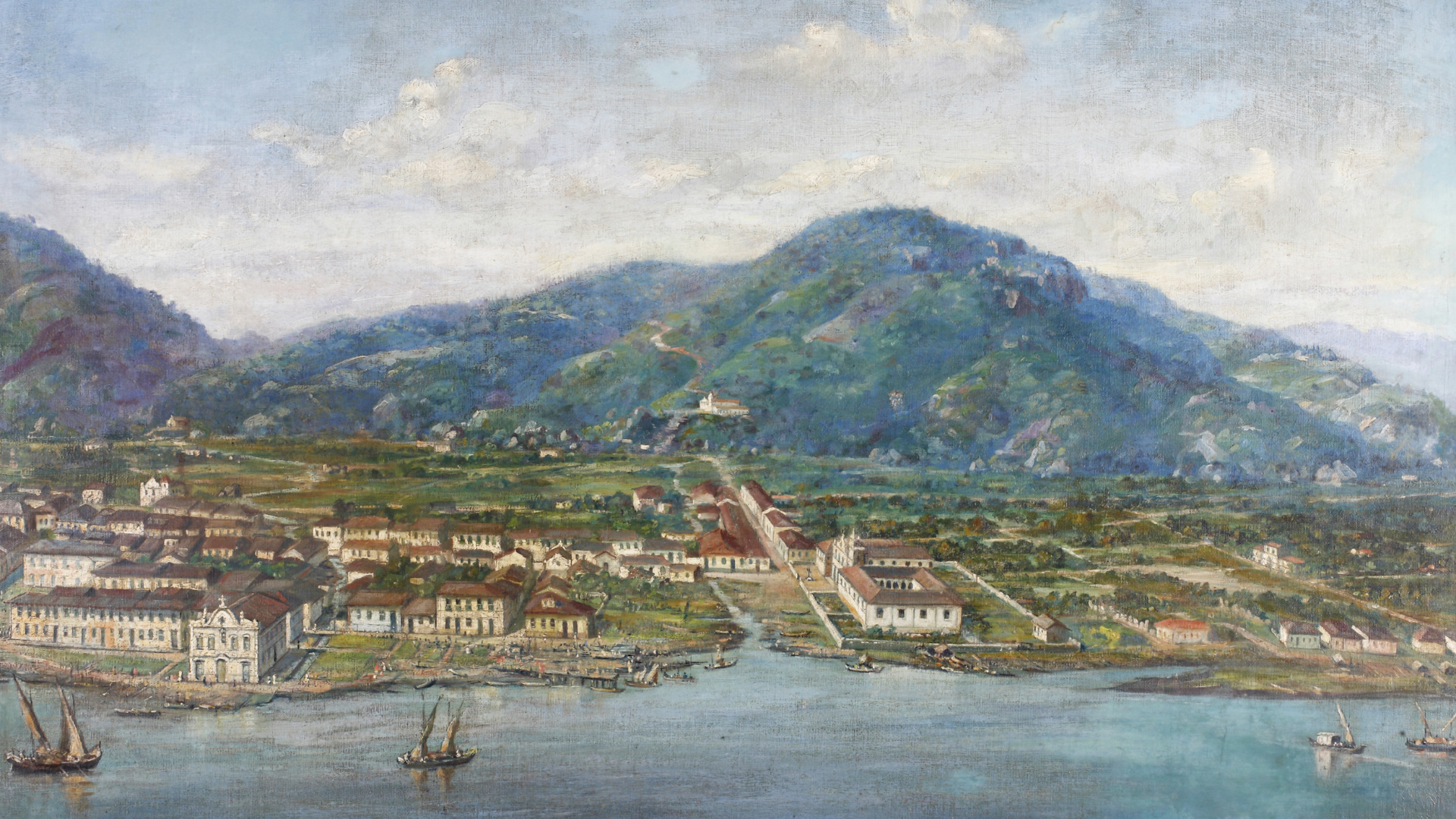
Everyday Life in Brazil 200 Years Ago Was Marked by Profound Social Changes, Economic Challenges, and the Struggle for Freedom and Equality
The Brazil of the 19th Century was a period of great transformations that shaped national identity and influenced the daily lives of Brazilians.
The arrival of the Portuguese royal family in 1808 was one of the most significant events, bringing not only the monarchy to Brazil but also a series of social, cultural, and economic changes that deeply impacted people’s lives, according to the channel fatosdesconhecidos.
Social Disorganization in Brazilian Cities
In the early 19th Century, Brazilian cities faced significant social disorganization.
-
The Argentine government celebrates the lowest poverty rate in 7 years, but experts warn that the methodology has changed, real wages have fallen, unemployment has risen, and the number of people on the streets of Buenos Aires has increased by 57% since Milei took office.

-
7.8 magnitude earthquake in Indonesia frightens the population, triggers tsunami alert, and hits an island with over 200,000 inhabitants this Thursday.

-
Google will finally let you change that embarrassing Gmail address you created in your teenage years without losing any accounts, logins, or old emails: the feature is already available in the United States.

-
Heading to Brazil in a Bonanza F33 single-engine aircraft: a couple departs from Florida on a visual flight, makes technical stops in the Caribbean to refuel and organize paperwork, and begins the staged crossing until they reach the country.


With the transfer of the royal family to Brazil, there was an increase in migration and urbanization, but the cities were not prepared for this change.
The urban infrastructure was precarious, with dirt roads, lack of basic sanitation, and houses built in an improvised manner. This reality generated public health problems and an unsanitary environment.
Inhabitants sought comfort and improvements in their living conditions.
However, most of the population still depended on agriculture and rural activities for their survival.
Agricultural economy was the foundation of life in the countryside, and many Brazilians lived in poverty, facing daily challenges to ensure food and shelter.
Have you ever stopped to think about how rapid urbanization can impact the life of a city?
What challenges do modern cities face that can be compared to the past?
Changes in Food and Food Culture
The food in Brazil in the 19th Century was simple and characterized by a shortage of fresh meats.
Beans and dried meat were staple foods in the diets of the poor and enslaved people, while the upper classes began to introduce new foods, like fish and rice, to their tables.
This disparity in food reflected the social inequalities of the time, where the upper class enjoyed a more varied and sophisticated range of products.
With the royal family in Brazil, new eating habits began to emerge.
The introduction of utensils and French butter on the tables of the wealthy highlighted a clear class divide in eating practices.
The arrival of bakeries and the influence of different cultures also transformed breakfast, which began to include bread with butter and other delicacies. This dietary diversification reflects the social and cultural changes that occurred during this period.
The Fashion Revolution and the Impact of the Sewing Machine
The sewing machine, introduced in Brazil in 1858, played a revolutionary role in women’s lives.
This new technology allowed them to earn money and participate in the labor market, providing greater freedom and autonomy.
Before the machine, women were limited to domestic and family activities, and sewing was seen only as a household task.
The book “O circuito das roupas” by Joana Monteleone highlights how sewing became a financial security for many women.
Knowing how to sew offered an alternative in case of abandonment or the husband’s death, allowing them to support themselves and care for their families.
19th-century fashion varied between styles, such as Empire fashion and puffy sleeves, reflecting significant social and cultural transformations in Brazilian society.
How do you think fashion can reflect the social and cultural changes of an era? Can you identify current fashion styles that represent similar transformations?
Economic Challenges and the Fight Against Slavery
The 19th Century was a period of great economic challenges for Brazil. Although the economy was beginning to be organized in a more structured way, the struggle against slavery was still a central issue.
The slave trade was a horrendous and profitable practice that persisted until the prohibition of the trade in 1850 and the abolition of slavery in 1888.
The arrival of the royal family profoundly impacted the Brazilian economy, resulting in treaties that favored the United Kingdom up to the creation of the Alves Branco Tariff in 1844, which aimed to protect domestic industry.
Despite the economic changes, hygiene conditions were extremely precarious, with houses lacking bathrooms and limited cleaning practices, creating an unhealthy environment in cities.
Daily Life and Communication in the 19th Century
Communication in Brazil in the 19th Century was mainly conducted through letters and newspapers.
This limited access to information and the exchange of ideas among citizens.
News arrived slowly, and many Brazilians relied on oral information, which was often distorted or incomplete.
Social relations were marked by personal contact, with visits among families and gatherings at parties and celebrations. Daily life was simple, and people sought ways to improve their living conditions, facing daily challenges in an environment that was often hostile.
Reflections on Brazil’s Past and Its Lessons for the Present
The history of Brazil in the 19th Century is marked by transformations that shaped the country we know today.
The arrival of the royal family and the events that followed, such as the abolition of slavery, had a profound impact on social and cultural structures.
The diversity of food, the revolution in fashion, and economic changes are just a few examples of how significant this period was.
The experiences and challenges faced by Brazilian society during the 19th Century continue to resonate today. Do you believe we can learn from the mistakes of the past to build a better future?
How have these events shaped the country we live in today?
If you are interested in this reflection on Brazil and its history, feel free to share your opinions and experiences in the comments.
How do you see the importance of understanding our past to improve our present and future?








Seja o primeiro a reagir!