





 Portuguese
  English
  Spanish
 5 min of reading
  9 comments


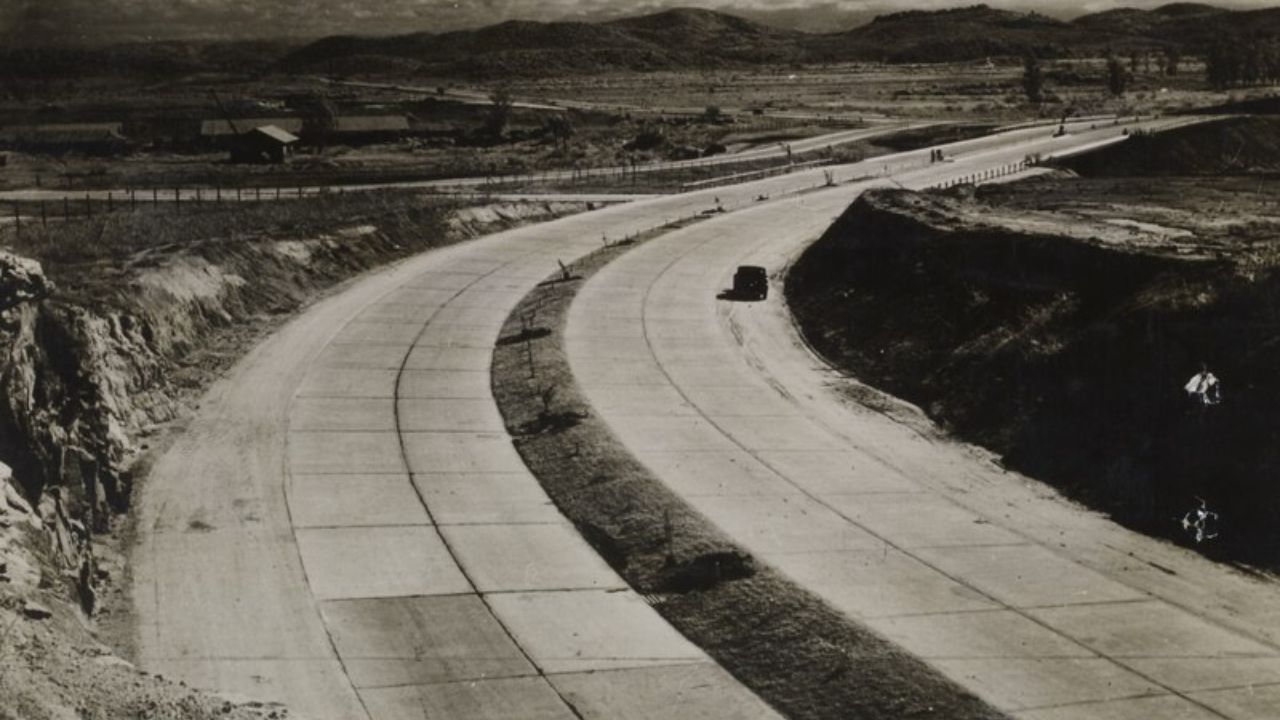


Traveling Between The Two Largest Cities In The Country Was A Journey Of Days Along Dirt Roads, Full Of Dangers And Mandatory Stops That Today Seem Unimaginable.
The experience of traveling the Rio-São Paulo road 70 years ago was a true national epic, far from the predictable six-hour trip we know today. Around 1953, the journey was not just a displacement but a test of endurance for drivers and vehicles, fought in a scenario of transition between the old and winding “Old Road” and the promise of modernity of the newly inaugurated BR-2, which would come to be the Presidente Dutra Highway. It was a route dictated by dust, mud, and uncertainty.
During this period, the Rio-São Paulo axis was already consolidating itself as the vital artery of a Brazil in full industrialization, connecting the federal capital, Rio de Janeiro, to the economic engine of the country, São Paulo. The trip was a direct reflection of the challenges and ambitions of the nation, where two paths coexisted: a legacy of the past, with its organic and dangerous layout, and another that represented the future, a monumental engineering work, albeit incomplete and full of challenges.
The Duel Of The Roads: Between The Dust Of The Past And The Concrete Of The Future
The trip between Rio And São Paulo in the 1950s was practically a choice between two worlds. On one side, the “Old Road”, inaugurated in 1928, a path that, according to Wikipedia, had 508 km in length, of which only 8 km were paved at its origin. This road was fundamental for the development of cities like Itaguaí, Bananal, and Lorena, weaving a settlement network around it. However, even decades later, large stretches remained unpaved, turning into clouds of dust in the dry season and impassable mud holes in the rain.
-
Spain surprises the world by erecting 62 artificial dunes, mixing sand with natural remains of posidonia, and causing the structure to lose only 1.4% of its volume in 1 year.

-
With 16 Bulava missiles, improvements in acoustic stealth, and a design focused on silent patrols, Russia’s nuclear submarine was born to ensure Moscow’s invisible retaliation and has become one of the pillars of its maritime strength.

-
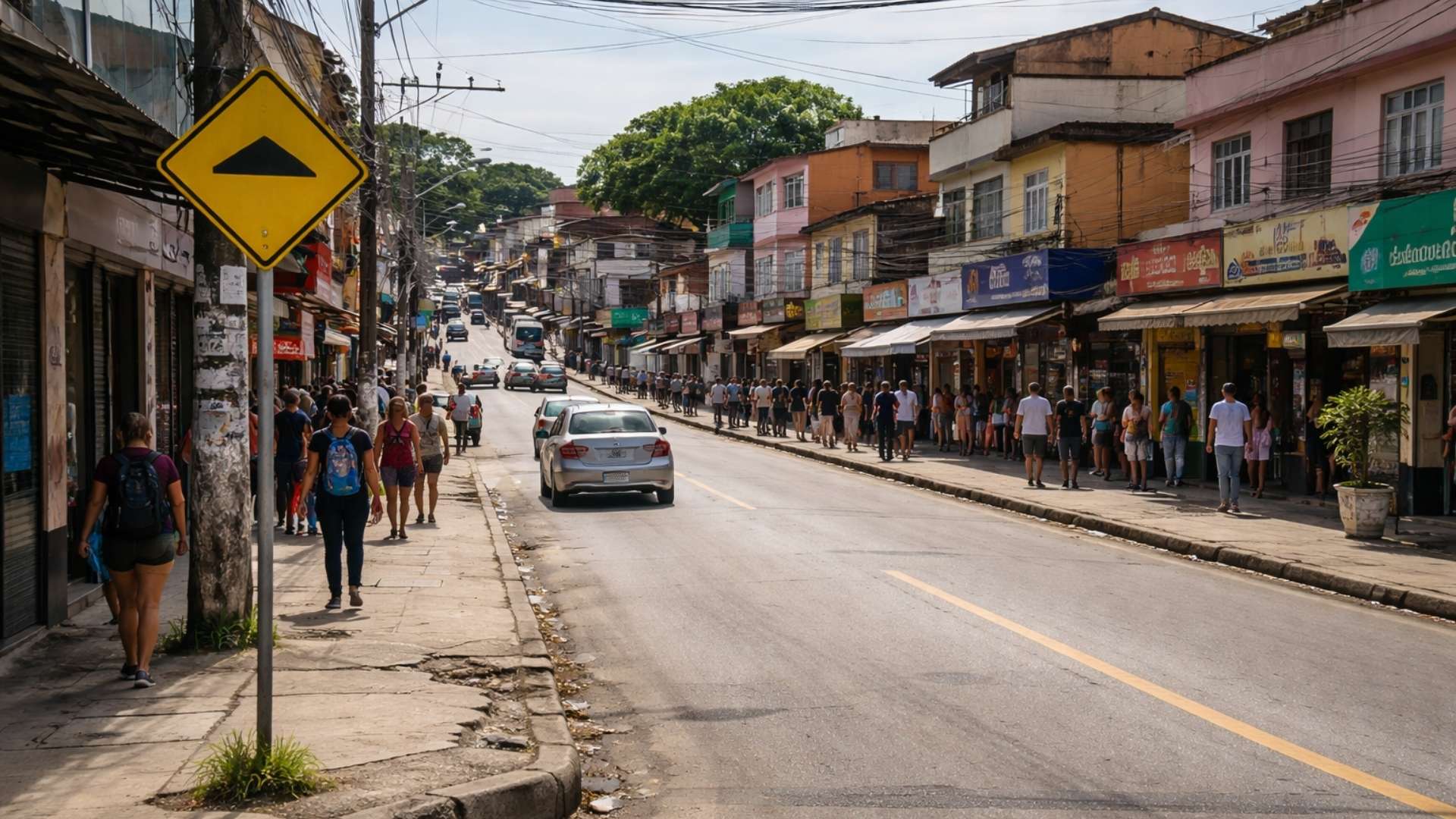
‘Populous’ city in Rio among the worst in Brazil in national ranking and exposes silent development crisis.
-
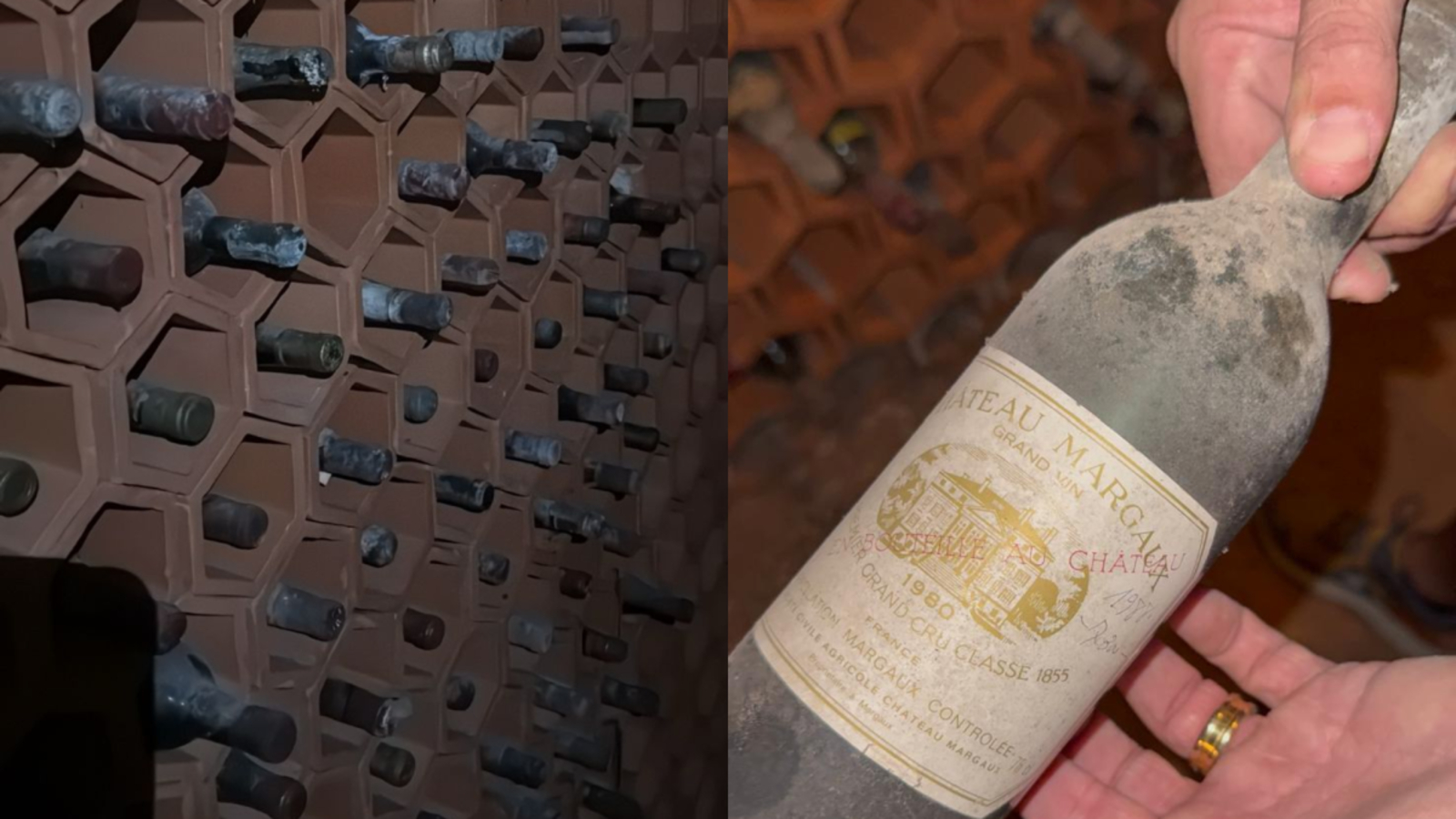
Couple buys house in the South Zone of São Paulo, opens a hidden door in the garage, and finds a secret wine cellar with dozens of old wines forgotten since the 1970s.
On the other side, the BR-2 emerged, a symbol of progress inaugurated in 1951. As detailed by the source “Presidente Dutra Highway: 60 Years Connecting São Paulo – Rio de Janeiro” – Motonline, the new highway shortened the distance by 111 km, to 405 km total. However, the initial reality was far from an expressway: 66 kilometers still lacked paving and most of the route was a single lane, with only a few stretches duplicated at the exits of the capitals. The construction was an engineering feat, overcoming challenges such as the marshy terrain at the “Retão of Jacareí” and the granite wall at the “Widow Grace Throat”.
The Machines That Blazed The Trail
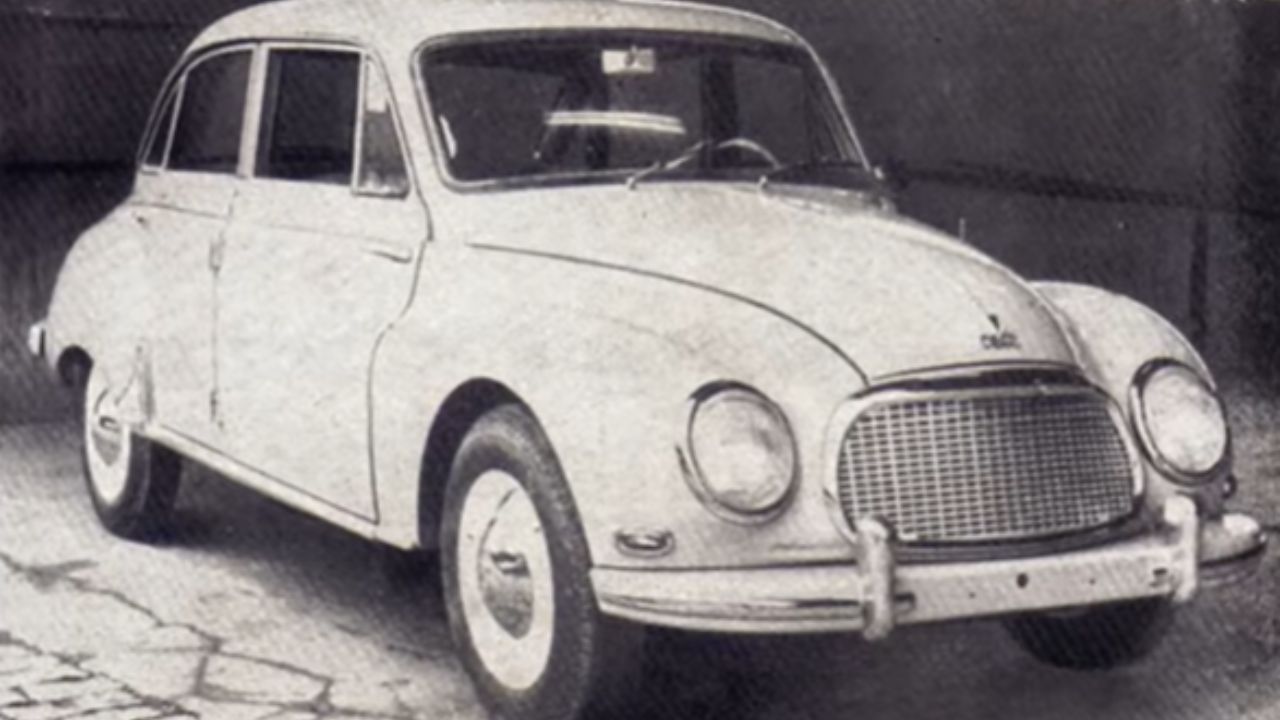
The adventure on the Rio-São Paulo road 70 years ago was also a story about the vehicles that made it possible. At a time when the national automotive industry was just beginning, sturdiness was deemed more important than comfort. Cars like the Jeep Willys and the DKW-Vemag stood out for their ability to endure the brutal conditions of the route, featuring resilient suspensions and simple mechanics, suitable for the precarious Brazilian roads.
In passenger transport, the inauguration of the BR-2 ushered in a new era. Viação Cometa revolutionized the sector by importing modern American GM buses, nicknamed “Morubixaba”. Lightweight, fast, and with an unprecedented level of comfort, these vehicles became icons of luxury on wheels. This innovation, as pointed out by the “History of the Presidente Dutra Highway, the Connection Between Rio And São Paulo” – Diário do Transporte, intensified competition with Expresso Brasileiro, starting the “Golden Age” of road transport and consolidating the national preference for the highway over the railway.


Life On The Road: Real Dangers And Oases Of Luxury
The human experience of traveling was marked by a slow pace and dangers unimaginable today. The old road was notoriously dangerous, with a frightening average of 50 deaths per month from accidents. The most feared stretch was the Serra das Araras, with its sharp curves and steep ramps, the scene of countless accidents and landslides. A mechanical failure in the middle of the journey was not a simple setback, but a crisis that could leave the traveler isolated for days.
Despite the risks, the roadside culture flourished. The new highway developed meeting points that became legendary, such as the “Milha de Ouro” in the Vale do Paraíba. This stretch housed the luxurious Hotel Clube dos 500, with Burle Marx gardens, and even a service station designed by a young Oscar Niemeyer. It was a social destination for the elite, an oasis of glamour that contrasted with the simple restaurants serving bread with sausage to truck drivers and common travelers.
The Final Transformation And The Legacy Of Dutra
The complete duplication of the highway, completed in 1967, as reported by the Diário do Transporte, marked the end of an era. The Dutra became established as the main economic artery of Brazil, through which today circulates about 50% of the national GDP. The adventure of the past gave way to logistical efficiency, and the dangers of nature were replaced by the challenge of heavy traffic.
The journey from an unpredictable odyssey to a routine displacement mirrors Brazil’s own transformation. Modern speed and safety came at the cost of a sense of adventure and the unique culture that formed along the old road. The ghosts of brave Jeeps and elegant “Morubixabas” remain beneath the layers of asphalt, a silent reminder of the courage of those who first blazed the trail.
The modernization of the Dutra was essential for Brazil’s development, but it completely changed the travel experience. Do you believe this transformation was entirely positive or do you miss a time when travel had a more human pace? Leave your opinion in the comments, we want to know how you see this change.






Hoje é uma rodovia arcaica, estreita para o fluxo de tráfego ,deveria ter no mínimo o dobro de pista de cada lado , qualquer veículo que tenha um acidente ou quebre ou algum concerto na pista , fechado uma das pista , causa um engarrafamento de vários quilômetros , ficou ultrapassada.
Clube dos 200 (duzentos), 100 do Rio e 100 de SP.
Muito boa a evolução histórica da Dutra. Porém, o pais de deveria ter investido mais em ferrovias.