





 Portuguese
  English
  Spanish
  3 min of reading


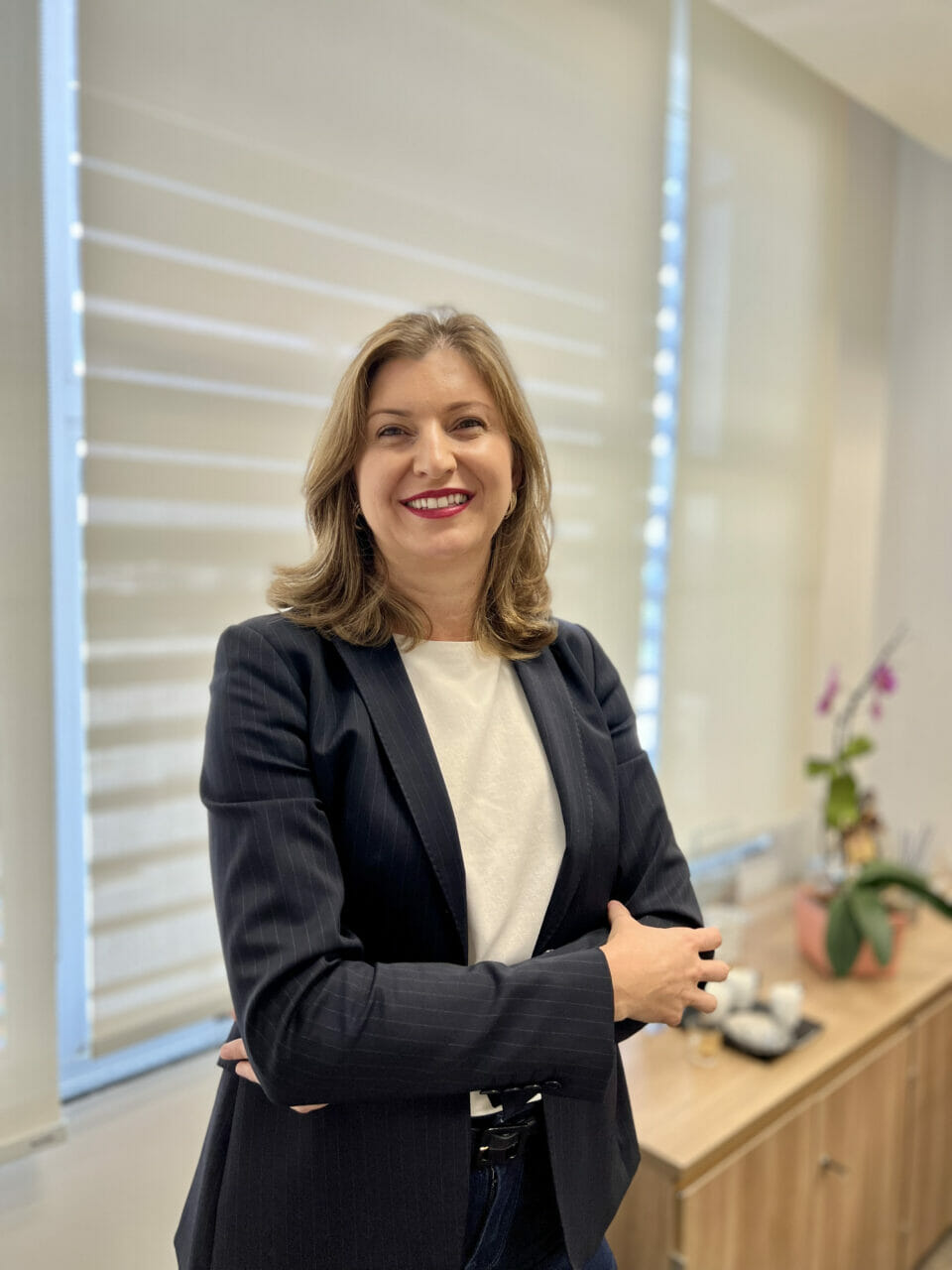
With a Focus on Team Engagement and Combating Quiet Quitting, HR Executive Charts New Directions for People Management at the World Leader in Elevator and Escalator Manufacturing
Talent retention and team engagement are the golden keys for any company, regardless of its size or industry. These major challenges for Human Resources executives are compounded by the contemporary movement, exacerbated by the pandemic, of quiet quitting or, in Portuguese, silent quitting.
The first basic step for effective management, applied even in recruitment, is to ensure that everyone identifies with the organization: the values and everything that is non-negotiable must be part of people’s beliefs. At Otis, we call them Absolutes, because that is exactly how we view them, quite literally. Ethics, Quality, and Safety are present in absolutely everything we do.
Next, it is necessary and fundamental to look at culture. A strong culture is perceived and lived, with pillars and behaviors that guide work and people strategy.
-
Oncorp wins auction and enables biodiesel and gas thermal plants in Brazil, with strategic projects in Suape and Xavantes Aruanã.
-
Raízen Recovery: Shell Cosan May Reduce Control After R$ 65 Billion Debt

-
Outback Montes Claros: Chain Confirms First Unit in Northern Minas in 2026

-
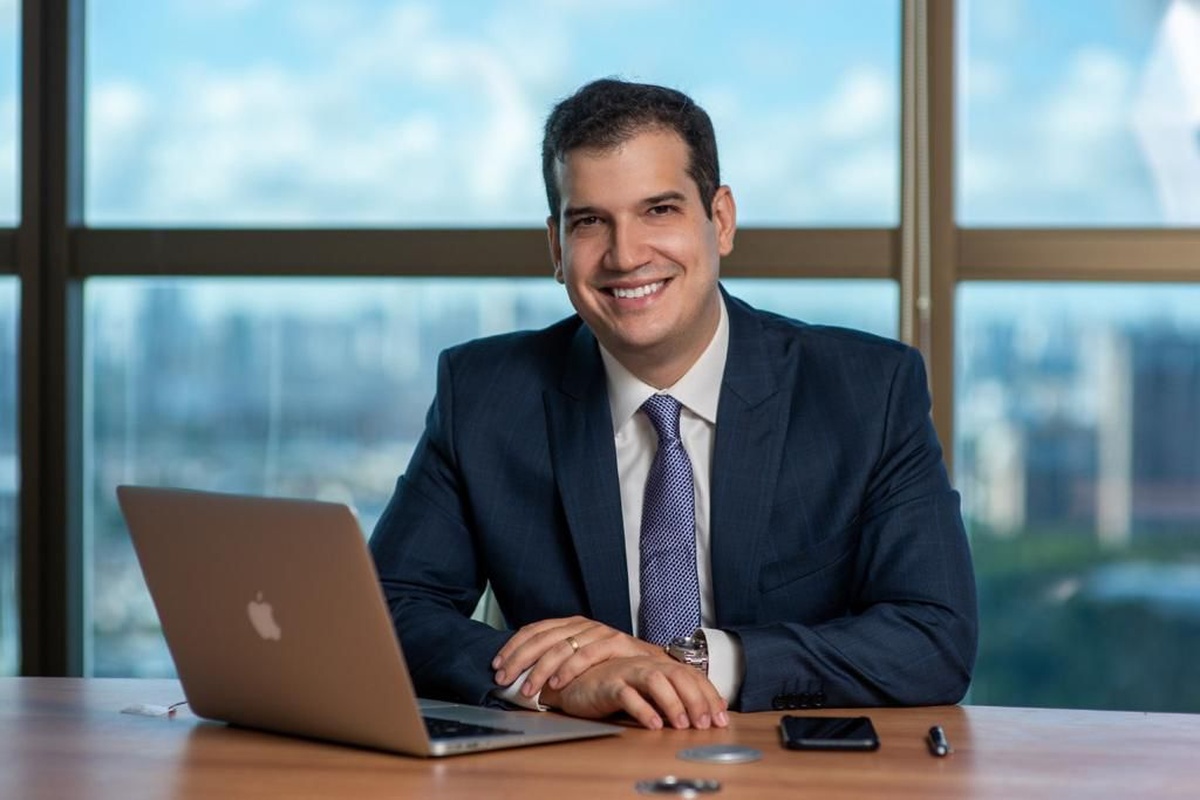
Inpasa Creates Advisory Council and Brings José Olympio to Strengthen Corporate Governance
And of course, consistently cultivate talent. My experience shows me that employees feel valued when seen in their diversity and individuality. Beyond the already expected and desired professional development, recognition, and career opportunities, we can only engage and correctly adjust (or readjust) the course if we listen to what each colleague has to say.
Active listening from our teams is what allows us to navigate well through this movement of silent quitting. After listening, we must take action with the support of leaders, according to what makes sense for their teams.
A few years ago, we measured and qualified perceptions at Otis twice a year globally through our engagement survey. We sought to ensure representativeness in the responses, and in addition to a participation rate exceeding 80% of our team in Brazil, we observed hierarchical groups, different generations, and genders. Globally, one of our ESG goals is to increase colleagues’ favorability for the inclusive culture category in the survey by 4 percentage points by 2025. In 2022, 72% agreed with the statement “Our team has an atmosphere where diverse perspectives are valued,” representing a 1-point improvement from our baseline of 71%.
We also need to remember that the world has changed and leaders need to unlearn and relearn every day. Investing in their training means providing the conditions for the development of new skills, such as emotional and decentralized team management.
Everyone in the company must have the necessary resources to receive relevant information from the company. This challenge is greater in companies with a workforce as diverse as ours, from factory and field professionals to administrative staff, and it is essential that everyone feels included and takes advantage of all opportunities.
I invite all my Human Resources colleagues to listen actively and communicate with everyone without barriers to act strategically. The sustainable relationship with work is not a new dream. We are all affected by silent quitting; however, we need to use people’s inputs to do something relevant and good for everyone.
Cristiane Fiorezzi
HR Director for Latin America at Otis, the world leader in manufacturing, installation, and services for elevators and escalators








Seja o primeiro a reagir!