






 Portuguese
  Spanish
  3 min of reading
  0 comments


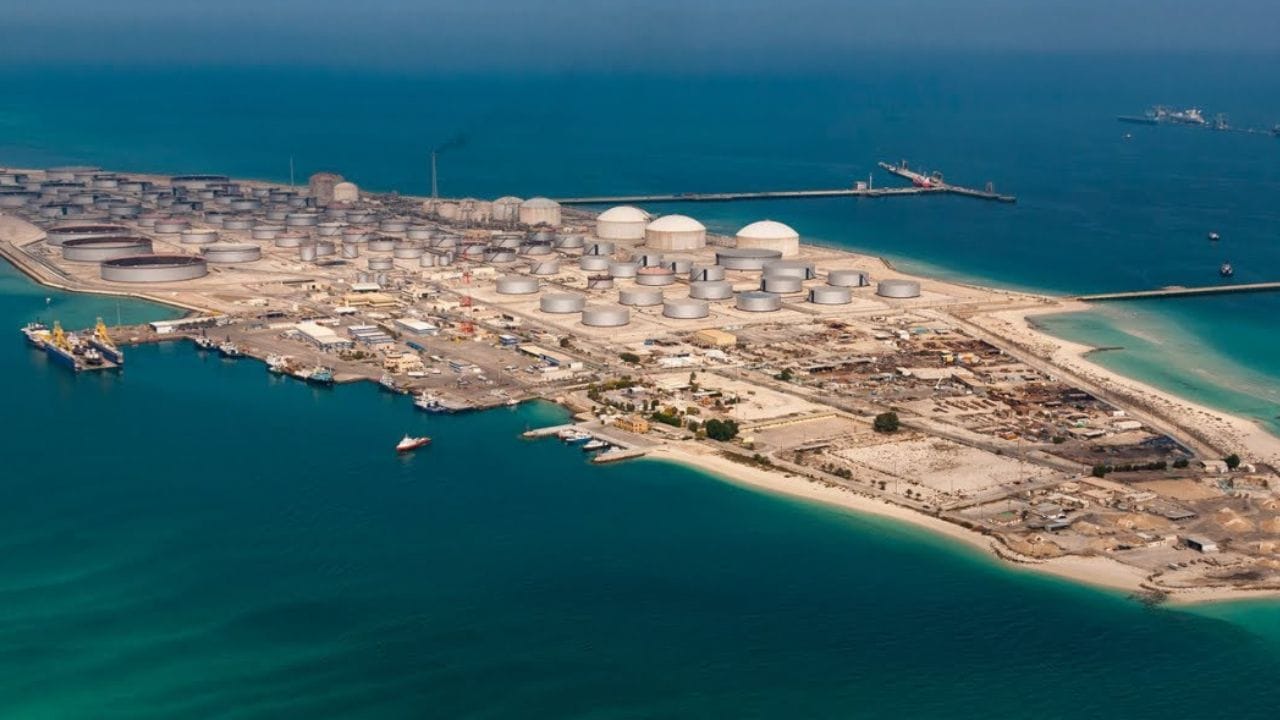
Saudi Arabia, Known for Being a Power in Oil Production, Raises Its Standards with the Construction of the Ras Tanura Refinery, One of the Largest and Most Impressive Refineries in the World, Situated on the West Coast of the Country. This Mega Structure, Crucial for the Saudi and Global Economy, Represents a Significant Milestone in the Oil Sector.
Inaugurated in 1941, the Ras Tanura refinery has its roots in the 1930s, when the global economy began to lean heavily toward the industrial model, with oil becoming a key resource. The construction was an initiative of the Arabia America Orion Company, a partnership between the Saudi government and American companies, which later became exclusively Saudi.
Ras Tanura, located in the historic city, covers an area of 15 square kilometers and has an impressive production capacity of 550,000 barrels per day. This places the refinery among the largest in the world, just slightly behind the Carriel refinery in Luziânia, United States. The refinery has several processing units, including crude oil distillation, vacuum installation, hydrocracking, fluid catalytic cracking, among others.
Structure and Construction


The refinery was developed in several phases, starting with a small unit and expanding to its current capacity in the following decades. The complex includes not only the processing units but also storage tanks and pipelines, with a robust infrastructure to ensure efficiency and safety.
-
They built an entire village in Wales with houses made of straw, clay, wood, and recycled materials, where families produce their own energy, collect rainwater, and live in one of the most famous sustainable housing projects in Europe.
-
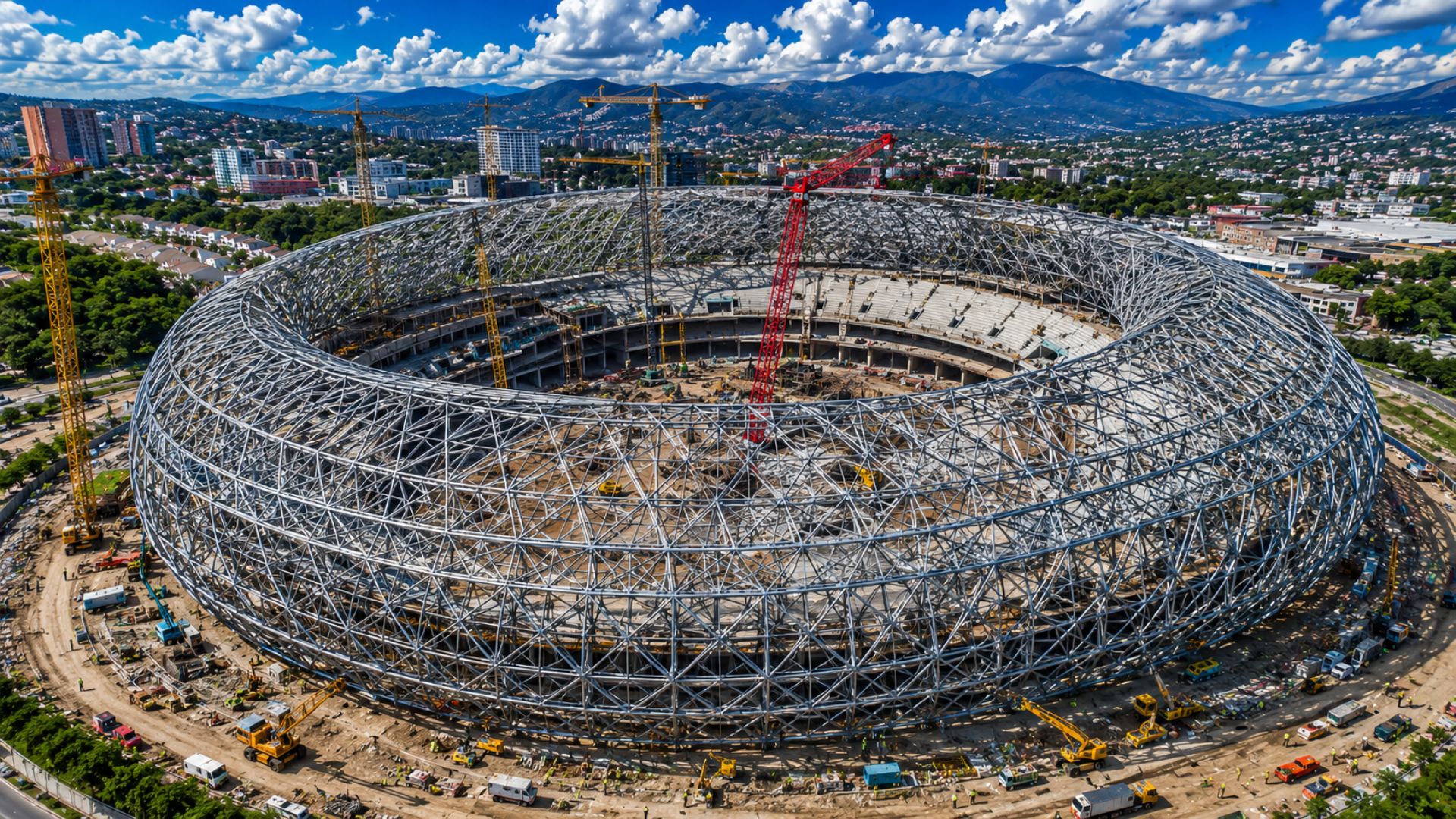
Mega stadium of R$ 2.5 billion financed by China completes perimeter metal structure at 40 meters above ground in El Salvador, with stands and internal systems advancing in parallel towards delivery in 2027

-
Bothered by millions of bricks discarded every year in Norway, a company cuts old pieces into thin slices, secures them with a metal system, and transforms demolition into a new 1,800 m² facade.

-
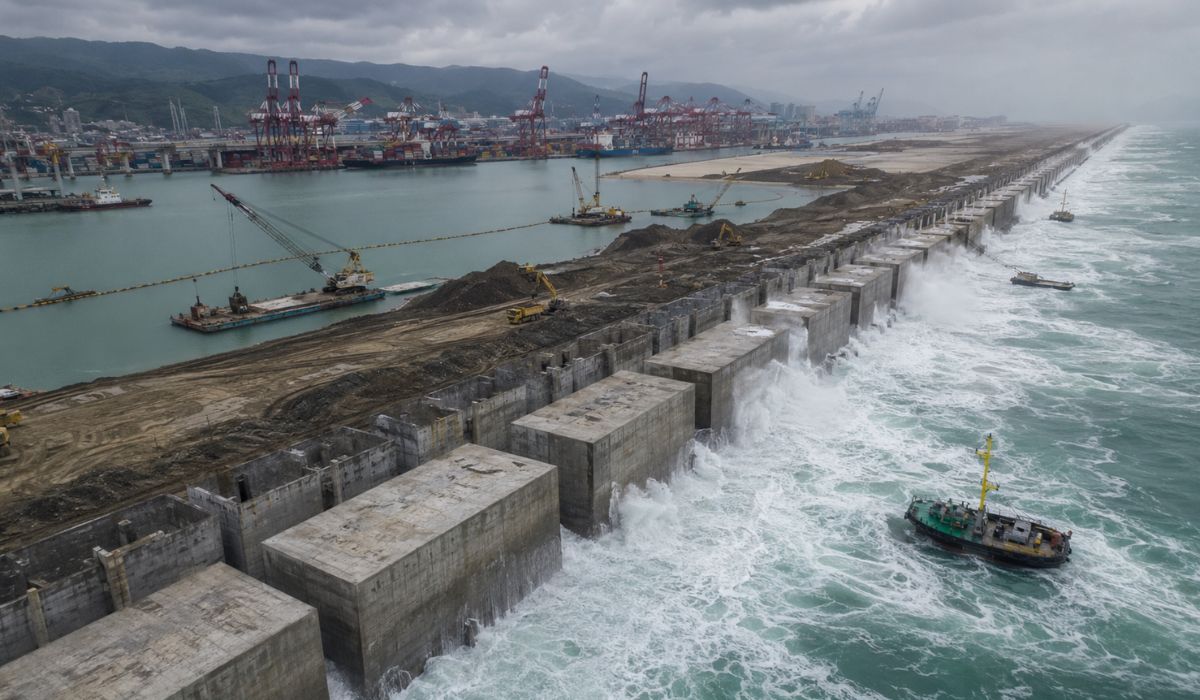
Taiwan erects a 4 km maritime wall in the Port of Taipei, installs concrete coffers against waves up to 7 meters, and transforms dredged sediments into new land to expand one of the island’s most strategic ports.


Ras Tanura not only serves as a reference for the Saudi oil industry but also as a crucial pillar for the country’s economy. With an annual sales potential exceeding $17 billion, the refinery significantly contributes to the Gross Domestic Product (GDP) of Saudi Arabia and government revenue, with oil accounting for about 70% of government revenues. This venture plays an essential role not only in the local economy but also in the global energy market.
Sustainability and Future
Despite the growing wave of sustainability and the search for alternative energy sources, oil still plays a crucial role in the global energy matrix, accounting for 29.5% of the global energy source in 2020. Global oil demand, according to the International Energy Agency, is expected to continue growing until at least 2040, especially in developing countries in Africa, Asia, and the Middle East. This positions the Ras Tanura refinery and Saudi Arabia strategically to meet this growing demand.
The Ras Tanura refinery is an example of the continued importance of oil in the global energy landscape and Saudi Arabia’s ability to maintain its position as one of the world leaders in oil production. As the world seeks a balance between sustainable development and energy demands, the refinery represents a significant link between the present and the future of the energy industry.






Be the first to react!