





 English
  Francês
  Alemão
  Italiano
  Japonês
  Norueguês
  Portuguese
  Spanish
  4 min of reading
  0 comments


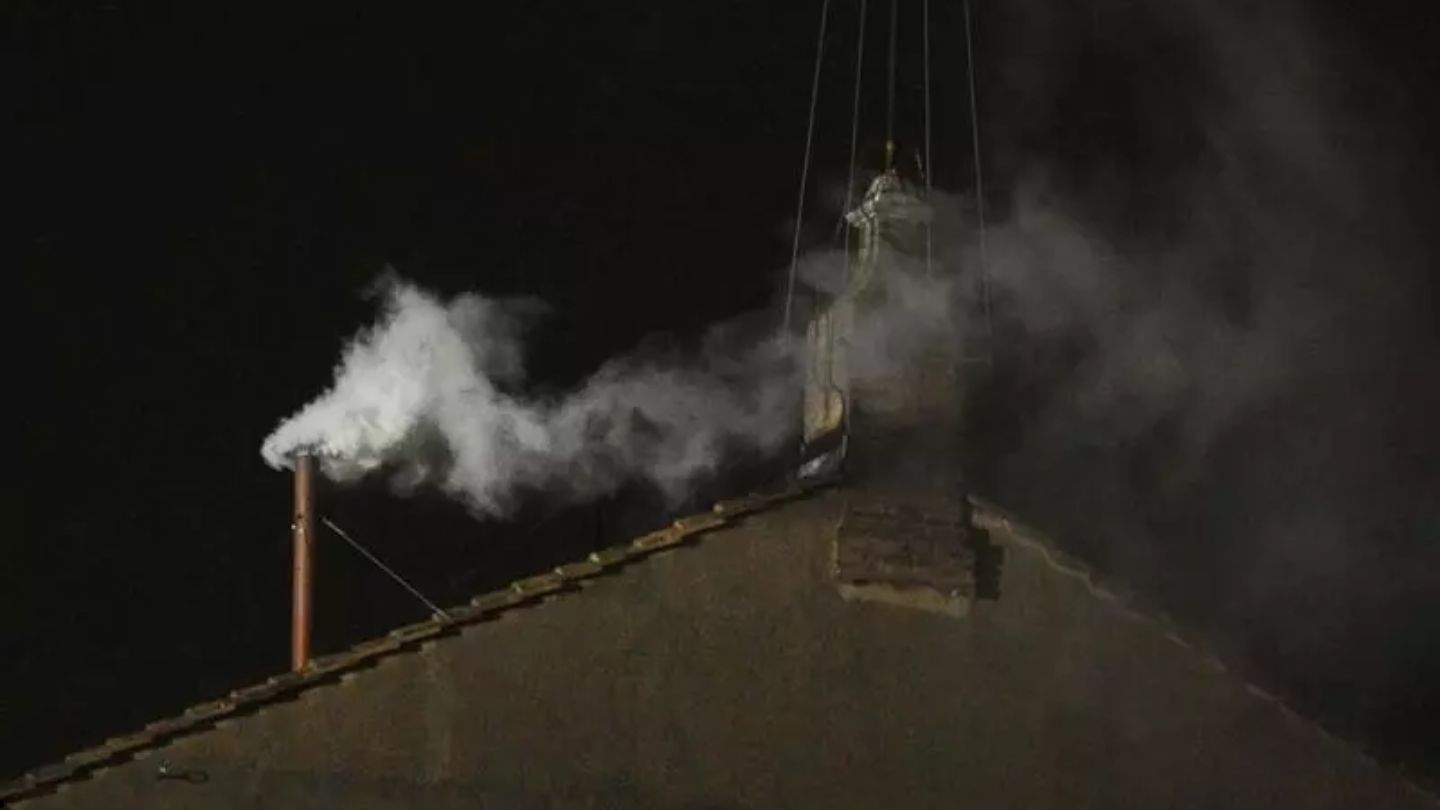
The Ultimate Symbol of the Election of the New Pope: The Colored Smoke of the Sistine Chapel Uses Chemical Formulas Revealed Only in 2013
It is impossible to forget the image: thousands of eyes turned to the chimney of the Sistine Chapel, hearts racing, cell phones in hand. Suddenly, a white cloud rises to the skies of the Vatican, and the whole world knows: a new Pope has been chosen. But what seems magical and almost divine has, in fact, a good dose of science behind it.
The secret behind the new Pope smoke, which intrigued the faithful for decades, was finally revealed by the Vatican in 2013, putting an end to one of the mysteries most symbolic of the Catholic Church. This smoke is much more than a visual signal: it is a ritual of transition that connects the old to the new, sealing the end of a conclave and beginning a new papacy.
Between the rooftops of the Vatican and the attentive eyes in St. Peter’s Square, there is precise engineering, the result of chemical formulas, pyrotechnic processes, and technology coupled with tradition. But after all, how does the new Pope smoke gain its color and meaning?
-
What motivates children to learn and what doesn’t work: a study with over 200,000 students reveals why curiosity outweighs rewards and how grades, praise, and prizes can reduce performance and creativity.

-
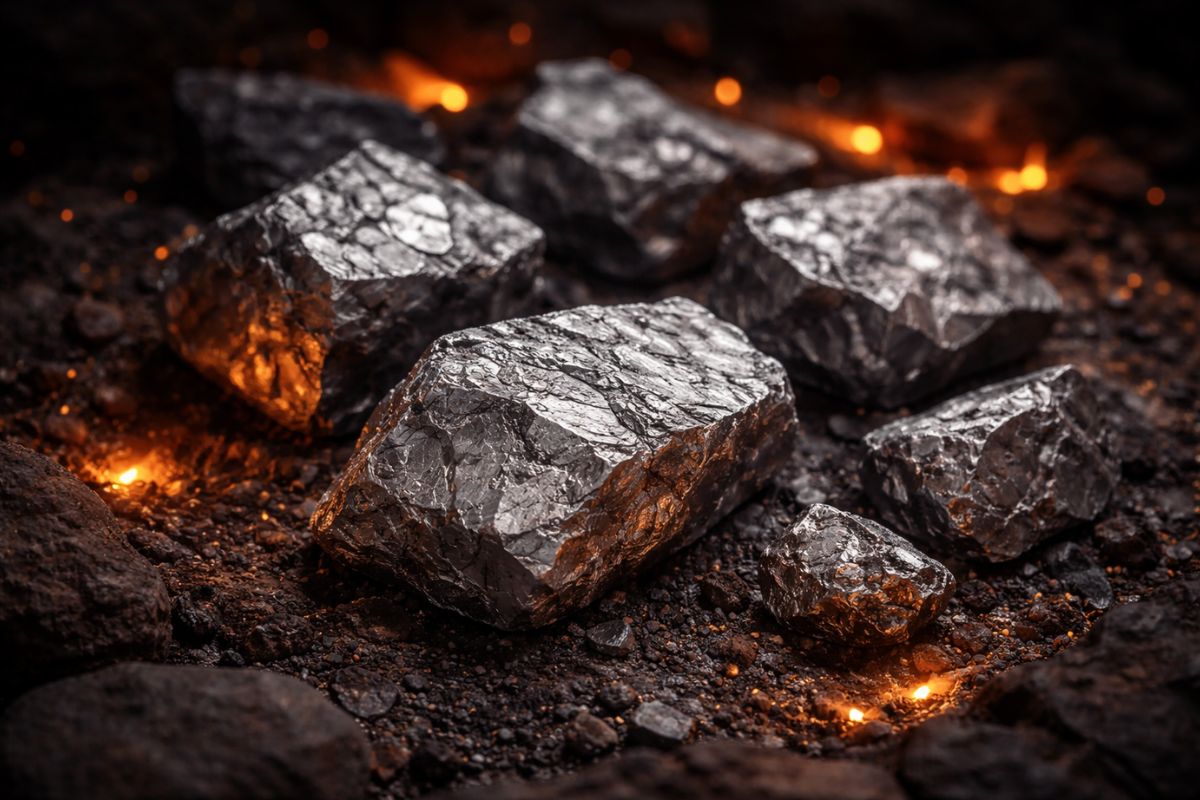
The metal that withstands 3,422 degrees without melting is almost as dense as gold, and when combined with carbon, it forms a material with hardness close to that of diamond, which can penetrate rocks and tank armor.
-
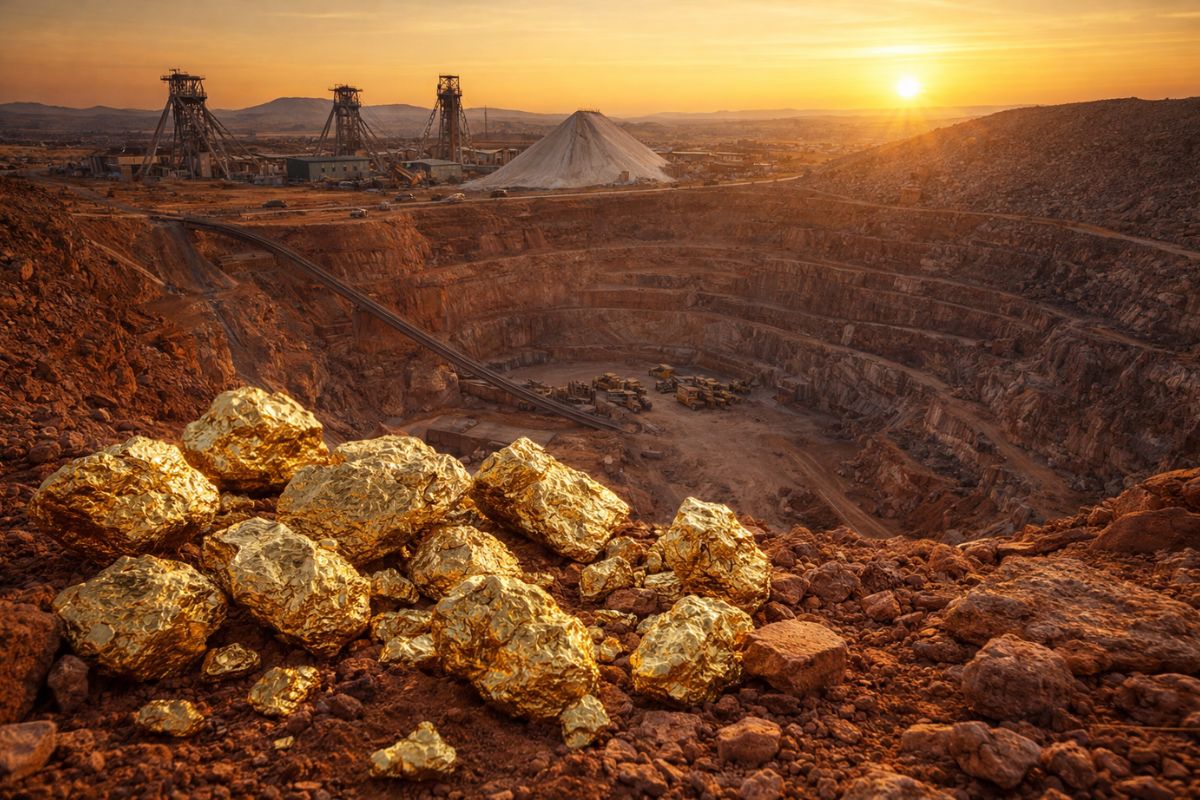
With 40% of all the gold on the planet buried in a single geological basin that is 2.7 billion years old in South Africa, the Witwatersrand still hides R$ 3 trillion in unreachable reserves.
-
At over 80° south latitude on Mars, a formation called “Inca City” reveals a network of kilometer-scale ridges that forms an impressive geometric grid visible from space, created by deep fractures and sculpted by ice in one of the most extreme environments on the red planet.


The Tradition of Smoke and the Wait for the New Pope
The tradition of smoke arose as a way to communicate to the public, quickly and directly, the result of each vote during the conclave. When there is no agreement among the cardinals to elect the new Pope, the smoke that comes out of the chimney of the Sistine Chapel is black. When the successor of St. Peter is finally chosen, the smoke is white, signaling to the world that a new spiritual leader will take the throne of Peter.
This visual system allows even those who do not understand Latin or are not inside the chapel to comprehend the voting result. The conclave, by definition, is secret, and the smoke becomes a symbolic and universal way to break that silence at the right moment. It is as if the Vatican, through the smoke, opens a window between heaven and earth.
New Pope Smoke: What Is Behind the Colors?
For a long time, the origin of the smoke colors was kept secret. Traditionally, black smoke was produced by burning ballots mixed with damp straw, which did not always yield the desired effect. The white smoke, in turn, was harder to achieve precisely and durably. This led to episodes of confusion, such as what occurred in 1958 when the public mistakenly interpreted the smoke and thought a new Pope had been chosen when in fact there was still no consensus.
It was only in 2005, during the conclave that elected Benedict XVI, that the Vatican began to use chemical cartridges, including one specifically labeled “fumo bianco,” capable of generating white smoke for up to six and a half minutes. Even so, there were still doubts at the time, which led the Vatican to establish that, in future elections, the ringing of the bells of St. Peter’s Basilica would accompany the smoke to officially confirm the choice.
The Secret Revealed in 2013
During the conclave of 2013, which resulted in the election of Pope Francis, the Vatican decided to officially reveal the secret of the formulas used. White smoke is produced by the combination of potassium chlorate, milk sugar, and pine resin, all elements that help generate a clear and clean combustion. Black smoke, on the other hand, results from potassium perchlorate, anthracene (derived from coal tar), and sulfur, creating a dark and dense smoke, ideal for signaling an unsuccessful vote.
These compounds are electrically ignited in a special stove, introduced for the first time in the conclave of 2005. It operates alongside an older stove, where the ballots themselves are burned. Both smokes mix and travel through a long copper tube to the chimney at the ceiling of the Sistine Chapel.
The Chemistry Behind the New Pope Smoke
Each component of the new Pope smoke has a specific function. Potassium chlorate and potassium perchlorate are oxidizing agents used to promote combustion. Milk sugar serves as an easily ignitable fuel, while pine resin helps sustain the white smoke. Meanwhile, anthracene and sulfur are used to produce dark and thick smoke, creating the effect of black smoke with clarity.
A resistive wire is used to preheat the chimney, ensuring that the system operates correctly and that the smoke rises efficiently. There is also a backup fan to prevent any smoke remnants from invading the interior of the chapel, preserving the environment and keeping the symbolism visible only to the outside public.
Smoke, Bells, and the Official Confirmation
Despite all the technology involved, confusions with the color of the smoke can still occur, especially on windy days or with poor visibility. To avoid any misinterpretation, the Vatican has formalized the tradition of ringing the bells of St. Peter’s Basilica whenever a new Pope is chosen. The powerful sound of the bells, combined with the new Pope smoke of white color, eliminates doubts and marks the beginning of a new era for Catholics worldwide.
Thus, what was once just a smoke full of mystery, today is the result of a precise balance between faith, science, and tradition, a ritual that, with all its layers, continues to fascinate the world.
Source: O Globo








Seja o primeiro a reagir!