





 Portuguese
  English
  Spanish
  4 min of reading
  0 comments


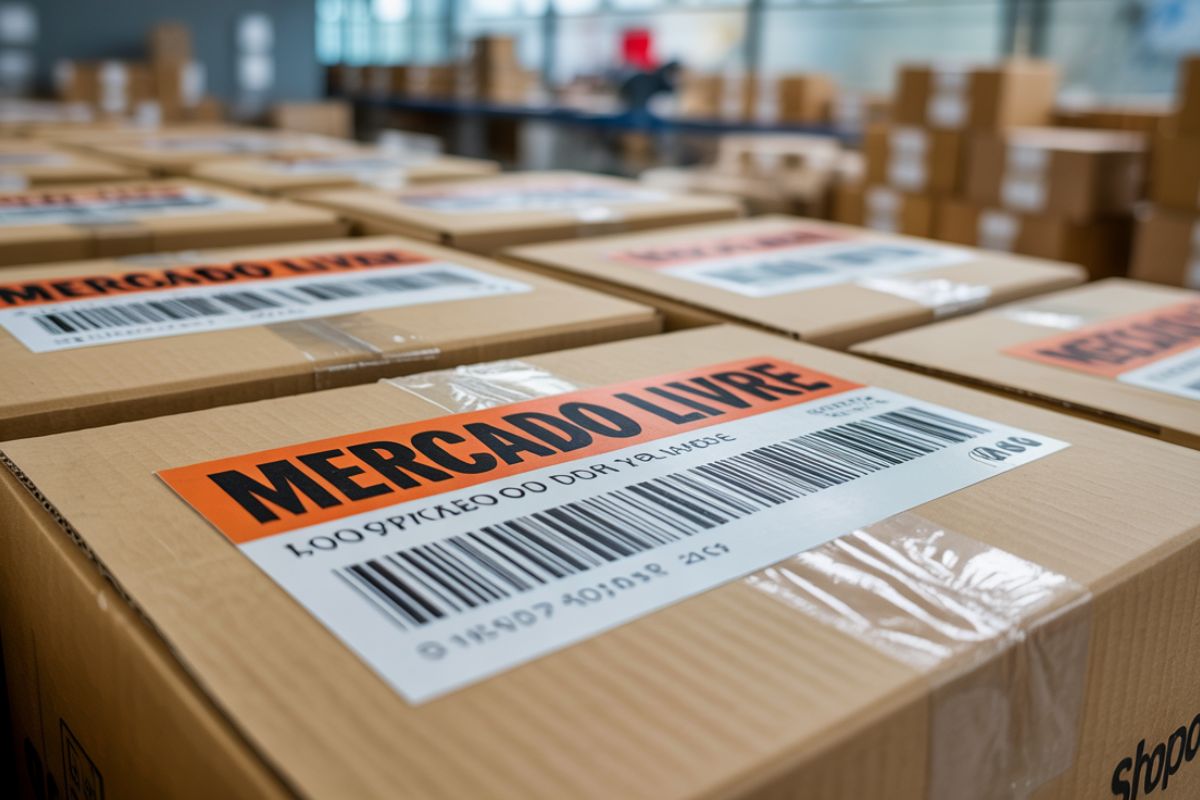
Transform Your Store’s Idle Space into an Extra Source of Income and Increase Customer Traffic by Becoming a Logistics Partner for the Largest E-Commerces in Brazil. Learn How It Works, How Much It Pays, and What You Need to Get Started.
With the explosive growth of e-commerce, understanding how to make money as a pickup point has become a real opportunity for thousands of merchants in Brazil. Neighborhood stores, stationery shops, pet shops, and other establishments with street access can become partners with giants like Mercado Livre and Shopee, receiving packages from local sellers and earning a commission for each handled item.
This partnership works as a two-way street: while marketplaces quickly and cheaply expand their logistics network, retailers secure extra income that can help cover rent and, on top of that, attract new customers to their main business. In this guide, we detail the requirements, earnings, and how to register for the main programs in the country.
1. Mercado Livre Collection Point (via Kangu)
Mercado Livre operates its collection point network through Kangu, a logistics company that was acquired by the group. This model is one of the most sought after by sellers on the platform.
-
Lula’s government opens 13,000 positions for teachers in Brazil and creates more than 24,000 federal jobs, with an impact of R$ 5.3 billion by 2026.

-
A Chinese electric vehicle technology giant wants to invest up to R$ 200 million in a city in Santa Catarina, and the mayor returned from China with a signed document that guarantees the immediate opening of a CNPJ and the start of operations in Brazil.

-
A beach town in Santa Catarina will distribute 4 tons of sardines completely free of charge to the population next Thursday, with a limit of 2 kilograms per person, and the distribution will end when the stock runs out.

-
A YouTuber bought all the Easter eggs from the market, from the cheapest to the most expensive, weighed each one on the scale, and discovered that some brands deliver extra grams while others charge a fortune for little chocolate.


How does it work and how much does it pay? The job consists of receiving packages from sellers, scanning each one through an app, and storing them until the Mercado Livre truck comes for collection, usually at the end of the day. The payment is fixed: you earn R$ 0.60 per received package, regardless of size or weight. Stores with high volumes can receive more than 15,000 packages per month, making this activity the main source of income for the business.
What are the requirements?
Have a valid CNPJ (can be MEI).
Operate during business hours, from Monday to Friday.
The establishment must be on the ground floor, with easy access.
Have a space of at least 4 m² to store packages.
Have a cell phone with Android 5.0 or higher.
It is desirable to have a place for the collection vehicle to park.
How to register? Registration is done directly on the website www.kangu.com.br, in the “Become a Kangu Point” section. After filling out the form, the company analyzes the need for new points in your area. If there is no response within 7 business days, it means there is no immediate demand for your location.
2. Shopee Collection Point (Shopee Xpress Agency)
Shopee also has a robust program of partner agencies, known as Shopee Xpress. The model is similar to Mercado Livre’s, but with some particularities in remuneration.
How does it work and how much does it pay? The routine is the same: receive, scan, and store packages from sellers until collection by the carrier. The payment at Shopee is variable and depends on the volume of packages received in the month. The commission table is progressive, starting at R$ 0.70 per package for smaller volumes and adjusting to around R$ 0.50 for those handling thousands of items. Payment is made in the following month, upon issuance of a service invoice.
What are the requirements?
Have a valid CNPJ with CNAE (National Classification of Economic Activities) related to storage or logistics.
Have a physical space of at least 2 m².
Have a computer with a barcode reader or an Android phone.
It is necessary to submit photos of the facade and the interior space during registration.
How to register? Registration is made on Shopee’s official website, in the “Shopee Xpress” section. Look for the option “Become a Partner” and fill out the interest form. Approval depends on the analysis of demand in your locality.
3. Other Options: Pegaqui and the Difference from Amazon
In addition to the two giants, there are other platforms that offer partnerships:
Pegaqui: This company serves e-commerces like Shein, Nuvemshop, and Melhor Envio. The remuneration varies from R$ 0.20 to R$ 0.50 per package. The requirements are stricter, requiring at least two attendants and operation without a break for lunch.
Amazon: It is important to clarify that Amazon’s program in Brazil is not a simple collection point. It is a larger partnership (Delivery Service Partner), where the entrepreneur sets up a small logistics company, with a fleet of 20 to 40 vehicles and contracted drivers, requiring significant initial investment.
Is It Worth It?


Knowing how to make money as a pickup point is the first step, but it is important to assess whether the model fits your business. For stores with idle space and employees with free time, it can be an excellent source of extra income. However, it is essential to be organized and be prepared for a large volume of work, as profit lies in quantity.
Have you thought about turning your store into a pickup point? Do you think this is a good strategy to increase revenue? Leave your opinion in the comments!









-

Uma pessoa reagiu a isso.