





 Portuguese
  English
  Spanish
  3 min of reading
  0 comments


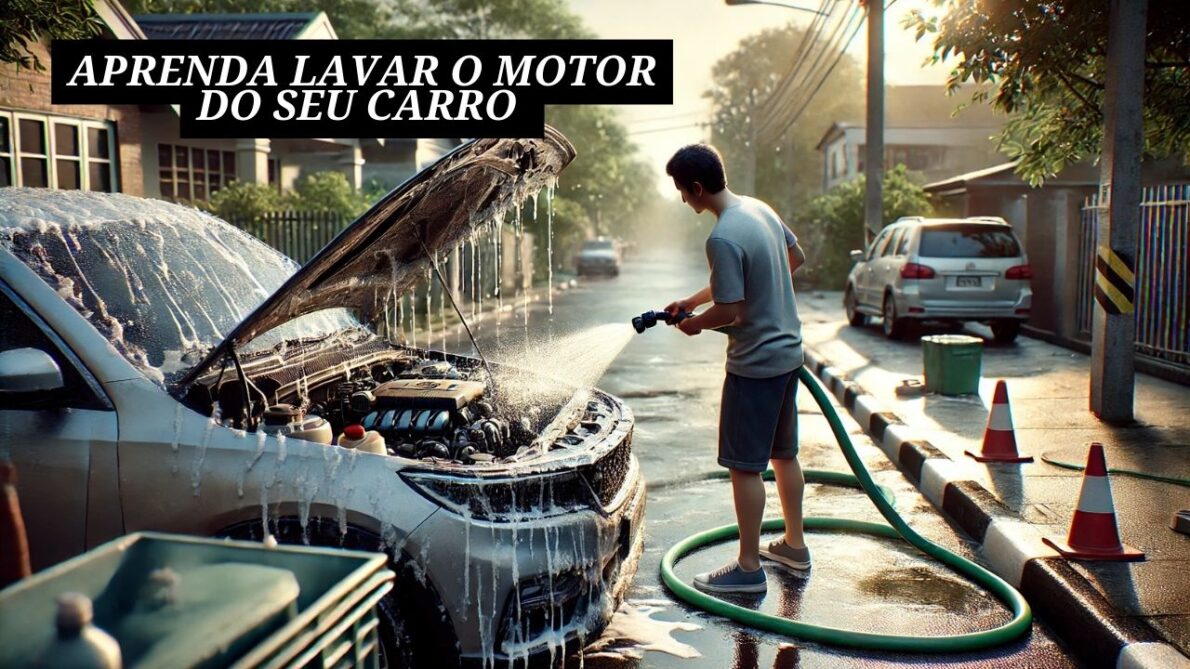
Washing the Car Engine Is One of the Secrets to Keeping the Vehicle Up to Date, but Many Drivers Ignore This Essential Practice.
Do you know how to wash the car engine correctly, without compromising the electrical parts or the more sensitive components? With that in mind, CPG spoke to the specialist from DR Auto Mechanics, who shared valuable tips on how to do this cleaning and the necessary precautions. After all, a clean engine can prevent future problems and even make it easier to identify oil leaks and other fluids.
Maintenance Is Not Just Aesthetic: The Importance of Washing the Car Engine
Every driver who wants to ensure the longevity of their vehicle needs to understand that washing the car engine is not just an aesthetic issue. Cleaning the engine helps to prevent accumulated dirt from hindering the operation of the parts. For instance, oil, grease, and debris can accumulate over time, which makes ventilation and heat dissipation more difficult, in addition to hiding potential leaks.
According to the specialist from DR Auto Mechanics, the first thing to do is to protect the more water-sensitive components, such as modules and cables. “We put a bag to protect the module and other components. This protection is essential, especially in modern cars,” the professional emphasized. Without the proper precautions, water can cause short circuits and other electrical problems, so this is the first step before starting the wash.
-
An irregular parking case gains attention after a Mercedes Classe A was removed in such a strange way that it even raised doubts about damage to the car.

-
Costing R$ 16,000, the new Yamaha features a 125 cc hybrid engine with electric assistance, delivers 8.3 hp, includes ABS, optimized fuel consumption, Y-Connect connectivity, 25 liters of storage space, and a surprising 4-year warranty in the urban segment.

-
OMODA & JAECOO grows in Europe in 2026 with an integrated strategy of sales, innovation, local production, and technological advancement in the United Kingdom, Italy, and Spain.

-
OMODA & JAECOO expands after-sales service in Brazil with competitive maintenance, a 7-year warranty, and high availability of parts for technological SUVs.


How to Wash the Car Engine Safely
One of the main concerns during washing is the temperature of the engine. Never throw cold water on a hot engine, as this can crack the engine block. Wait for the engine to cool completely before starting the washing process. Using degreasing products is essential to remove the toughest dirt. The specialist from DR Auto Mechanics recommends industrial degreasers that can be found in auto parts stores.
Another important precaution is to not apply high pressure directly to radiators or delicate parts, such as fuses and cables. For these parts, the ideal is to use a gentler spray that won’t cause damage. High pressure can deform or even puncture parts like the radiator, so caution is necessary.
Frequent Maintenance Prevents Serious Problems
Keeping the engine clean is not something that is done just once and forgotten. Periodic maintenance is crucial, especially if the car goes through dirty or muddy terrains frequently. “After the first wash, it’s ideal to always wipe down with a damp cloth and keep the engine clean,” suggests the specialist from DR Auto Mechanics. With a clean engine, it becomes much easier to identify leaks and other problems, which helps prevent more serious failures in the future.
Besides facilitating leak detection, proper maintenance improves engine efficiency. Dirty engines can overheat, as dirt prevents adequate heat dissipation. Therefore, washing the car engine regularly directly contributes to the performance and longevity of the vehicle.
Extra Care: What to Avoid When Washing the Car Engine


It’s not just water that can be harmful to the engine. Certain cleaning products can be too abrasive and damage delicate components. The specialist from DR Auto Mechanics always recommends using specific products for washing engines, avoiding products that contain aggressive solvents. Always be careful with spark plugs and spark plug wires, which can accumulate moisture and cause ignition failures.
Another fundamental point is that, after washing, thoroughly dry all areas that were wet, especially around cables and electrical connectors. If you don’t have an air compressor, a hair dryer can help remove moisture and ensure that the engine is dry before turning it on again.
Question for Readers: Do you regularly wash your car engine?









Seja o primeiro a reagir!