





 Portuguese
  English
  Spanish
  4 min of reading
  0 comments



How About Taking Some Extra Time to Carefully Analyze Long-Term Strategies, Whose Returns Far Exceed What Rentiers So Desire? After All, It Might Be Worth Investing in This More Advantageous Approach.
The Risk Asset Sector Will Be Impacted When the Selic Rate Causes Discomfort in the Conservative Investor Community, and This Will Result in a Change of Attitude (Once Again). The Cycle Repeats.
Unfortunately, Many Individuals Will Do Exactly What I Mentioned Earlier. They Will Fall Behind, Seeking This Rehabilitation of Rentism.
What I Wonder Most Is: Could a Well-Executed Financial Application Strategy, with an Appropriate Resource Distribution and the Investor Understanding Market Fluctuations, in the Long Run, Generate More Than That So-Called “1% Per Month”? Is This Really the Best We Can Aim For?
-
The rise in oil prices could ensure an extra revenue of R$ 100 billion for the Federal Government, indicates a recent economic study.

-
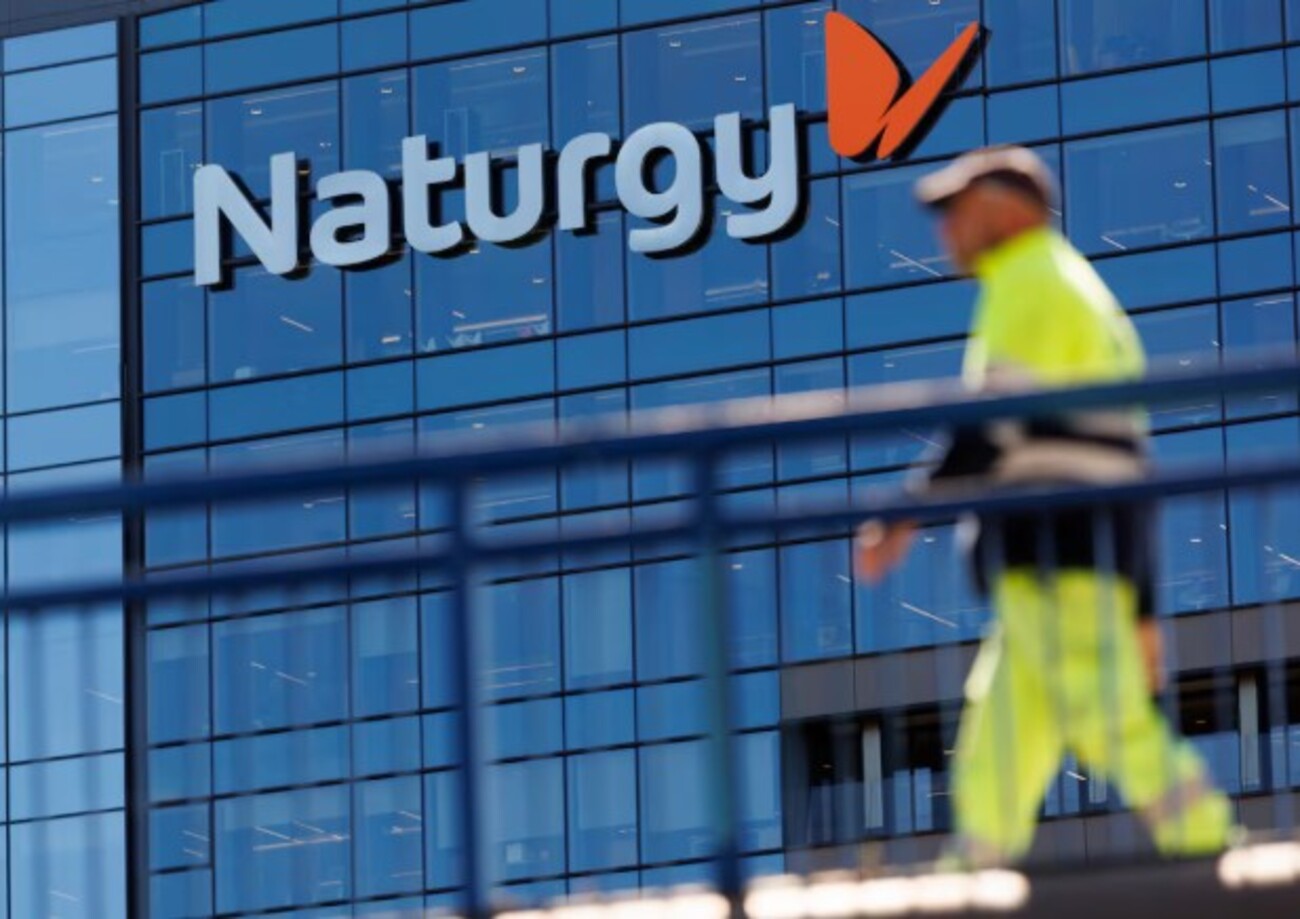
Naturgy begins an investment of R$ 1.6 million to expand the gas network in Niterói and benefit thousands of new residences and businesses.
-
A major turn in the Justice system suspends tax increases and directly impacts oil and gas companies in Brazil by affecting costs, contracts, and financial planning, leaving uncertain what could happen to the sector if these costs had increased.

-
Brava Energia begins drilling in Papa-Terra and Atlanta and could change the game by reducing costs in oil while increasing production and strengthening competitiveness in the offshore market.


Impact of Returns on Investments
What I Mean Is: As Long as There Is Something Around 1% Per Month, Even Gross, in Simpler Fixed-Income Assets, Such as Banks and the Selic, the Flow to Other Markets Will Be Limited. There May Be Some Movement, but It Will Be Discreet Compared to Withdrawals; There Is No Doubt About That.
Local Investors Will Only Take Action When Their Portfolios Start to Show a Decline in This Rate of Return. This May Happen Soon, as Inflation Is Declining Rapidly, and There Will Soon Be a New Team at the Central Bank That Seems More Inclined to Adopt a More Flexible Monetary Policy, That Is, More “Dovish”.
However, That Pendulum? I’m Afraid It Doesn’t Operate Properly.
You Are Likely to Dispose of Your Risk Assets When They Are More Depreciated and Repurchase Them When They Are More Expensive. Moreover, It’s Important to Consider That Fixed Income Is Also Subject to Price Variations, and In Search of Gains with Interest, Sometimes You Might Overlook This Aspect and Not Take into Account, for Example, the Level of Credit Spread Before Choosing the Security You Want.
It Is Essential to Be Attentive to All Financial Aspects When Making Investment Decisions to Avoid Unnecessary Losses.
It Was Evident That in Case of Initial Opportunity, There Would Be a Reversal. I Was Too Naive to Think This Would Not Happen at Some Point. I’m Not Claiming That, With Higher Interest Rates, Fixed-Income Investments Haven’t Become More Attractive.
Government Bonds That Offer 5% More Than the Period’s Inflation (IPCA), Tax-Exempt Assets That Can Almost Fully Refund the Generous Interest Rate We See on the Screen. Yes, They Have Become More Interesting and Perhaps Deserve a Larger Share of Your Investment Portfolio.
I Remember the Time I Worked as an Advisor and Interest Rates Were Around 7% Per Year. Most Clients I Assisted, When Asked About Their Goals, Would Always Respond: “I Want 1% Per Month, With No Risk, Guaranteed.” It Seems We Are All Addicted to That Monthly Return at This Level.
It Appears We Have Been Deprived of This “Stimulant” with Lower Interest Rates. Without Much Preparation and Guidance, We Have Been Thrown into More Complex Products and the Need to Accept Greater Fluctuation to Seek Higher Gains.
Transformations in the Investment Market in Brazil
During This Short Period, a Large Number of Brazilian Citizens Entered the Stock Market and Sought Brokerages to Diversify Their Investment Portfolios. Large Banks Suffered Significant Custody Losses, While Digital Platforms Gained More Strength.
In the Last Two Years, There Was a Setback Marked by Record Issuances of LCIs and LCAs, As Well As Billion-Dollar Redemptions in the Investment Fund Industry, Mainly in Multi-Market and Equity Strategies. Asset Managers Disappeared from the Market, Consolidations Occurred, and a Large Portion of Brazilians Returned to “Hiding” Behind Rentism.
**The Massive Influx of Brazilians into the Stock Exchange and the Changes in the Financial Market Brought Challenges and Opportunities for Investors of All Social Classes.**
The Health Crisis Caused by the Coronavirus and the Need for Stimuli Had a Significant Impact on Financial Markets and Interest Rates. Brazil Experienced the Lowest Interest Rate in Its History, but This Scenario Was Short-Lived.
The Rapid Economic Slowdown Due to Lockdowns Resulted in Significant Inflation and Increases in Interest Rates Worldwide, Including in Developed Economies Like the United States. The Period of High in the Stock Market Was Transitory. **This Movement Was Reversed for a Significant Inflationary Process and Increases in Baseline Economic Rates Around the World, Including in Developed Economies Like the U.S.**
Renting May Be Considered a Sign of Financial Freedom and Growth Opportunity. The Traditional Investment Options Offered by Banks, Often Accepted Without Question, End Up Dominating Family Finances.
Do You Relate to the Information Above? Don’t Worry, That’s Part of the Culture We Live In.
Starting in October 2016, There Was a Significant Change. An Important Reform Process Resulted in a Reduction in Interest Rates, Providing a More Favorable Environment for Consumers.
Dear Readers,
Brazil Is Used to Dealing with Higher Interest Rates. Generations Grew Up in an Environment Where the Selic Rate Reached Double Digits, Periods of Hyperinflation, Currency Changes, and Significant Fluctuations in Monetary Policy Left Deep Marks.
The Most Popular Investment Options Include Savings and the Real Estate Market. The Investment Culture We Inherited Is Characterized by a Simplistic and Ineffective View.
Source: InfoMoney










Seja o primeiro a reagir!