





 Portuguese
  English
  Spanish
 6 min of reading
  0 comments


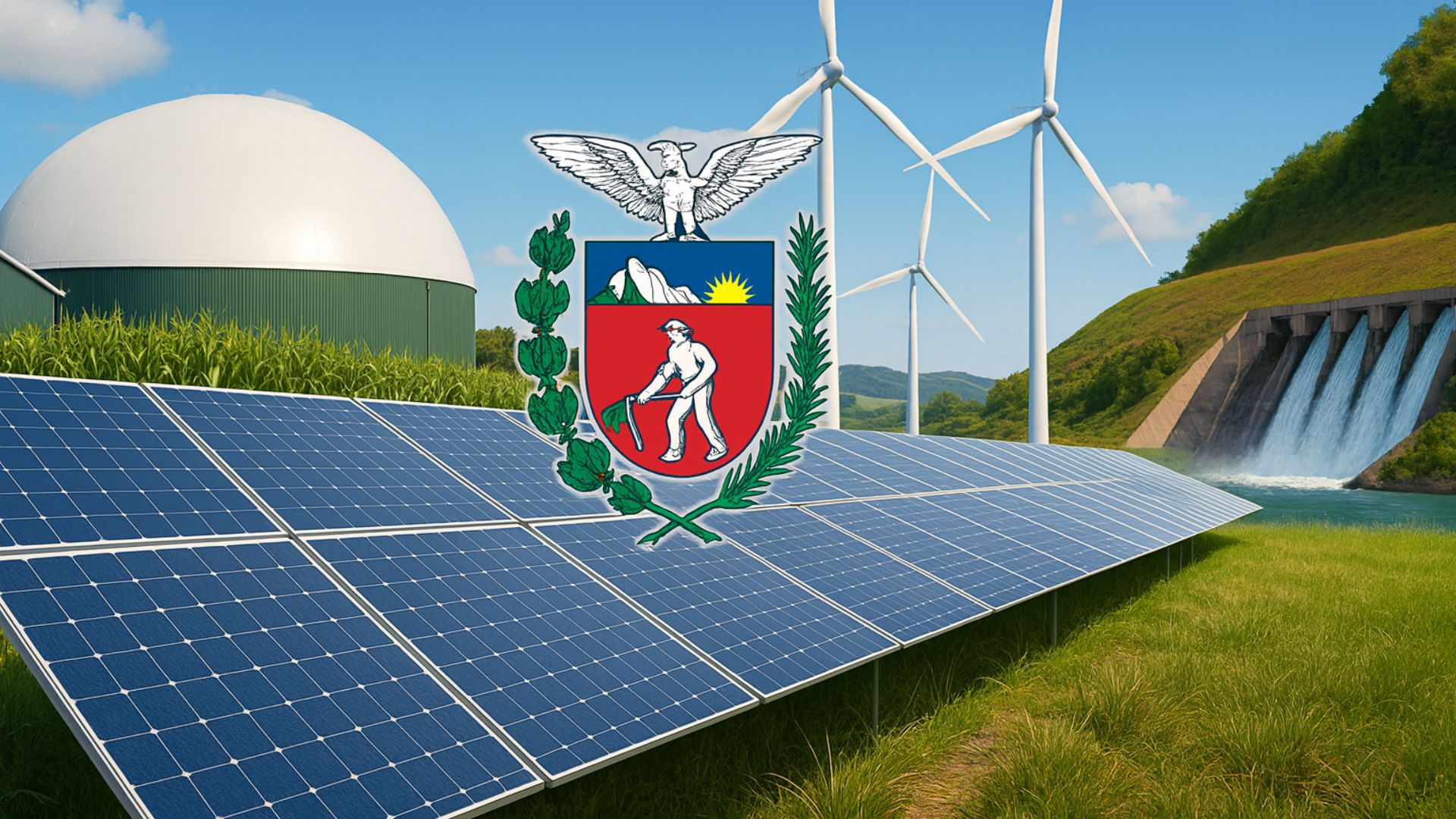
Paraná Accelerates Transition to Clean Energy with New Investments Driving Solar, Wind, Biogas, and Other Renewable Energy Projects in Various Regions of the State
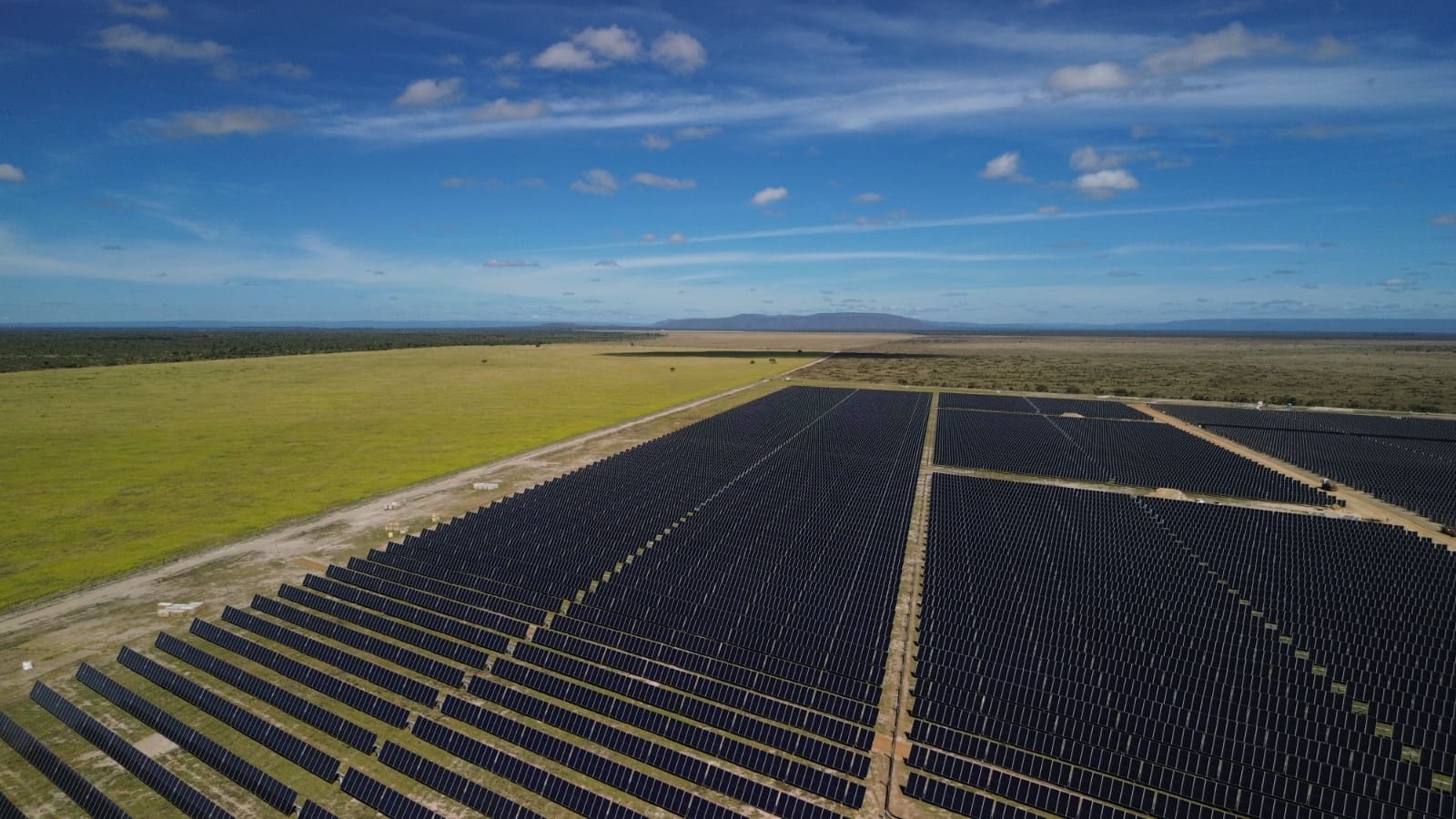
The State of Paraná reinforces its national leadership in the production of clean energy, driven by a set of public and private investments that expand and diversify the energy matrix. According to official data from the State Government released this Tuesday (25), structured programs and strategic projects have been accelerating the expansion of solar energy, wind energy, biogas, biomethane, and small hydropower plants (PCHs), consolidating a new phase of regional energy transition. These actions have strengthened both economic development and environmental sustainability, positioning the State as a reference for other federal units.
Advancement of Clean Energy in Paraná: Key Results and Immediate Impact
The highlight of Paraná’s energy advancement can be attributed to the RenovaPR program, created in 2021, which has mobilized R$ 5.8 billion in investments and enabled the installation of 38,000 distributed generation plants on rural properties, reaching over 1 GW of installed capacity. This is equivalent to supplying approximately 2 million people, a significant milestone in renewable energy generation in Brazil.
In the early years of implementation, RenovaPR demonstrated the capacity to transform the countryside, allowing rural producers to reduce their electricity costs by up to 95%. This structural saving strengthens agricultural competitiveness and ensures greater financial planning security for rural families.
-
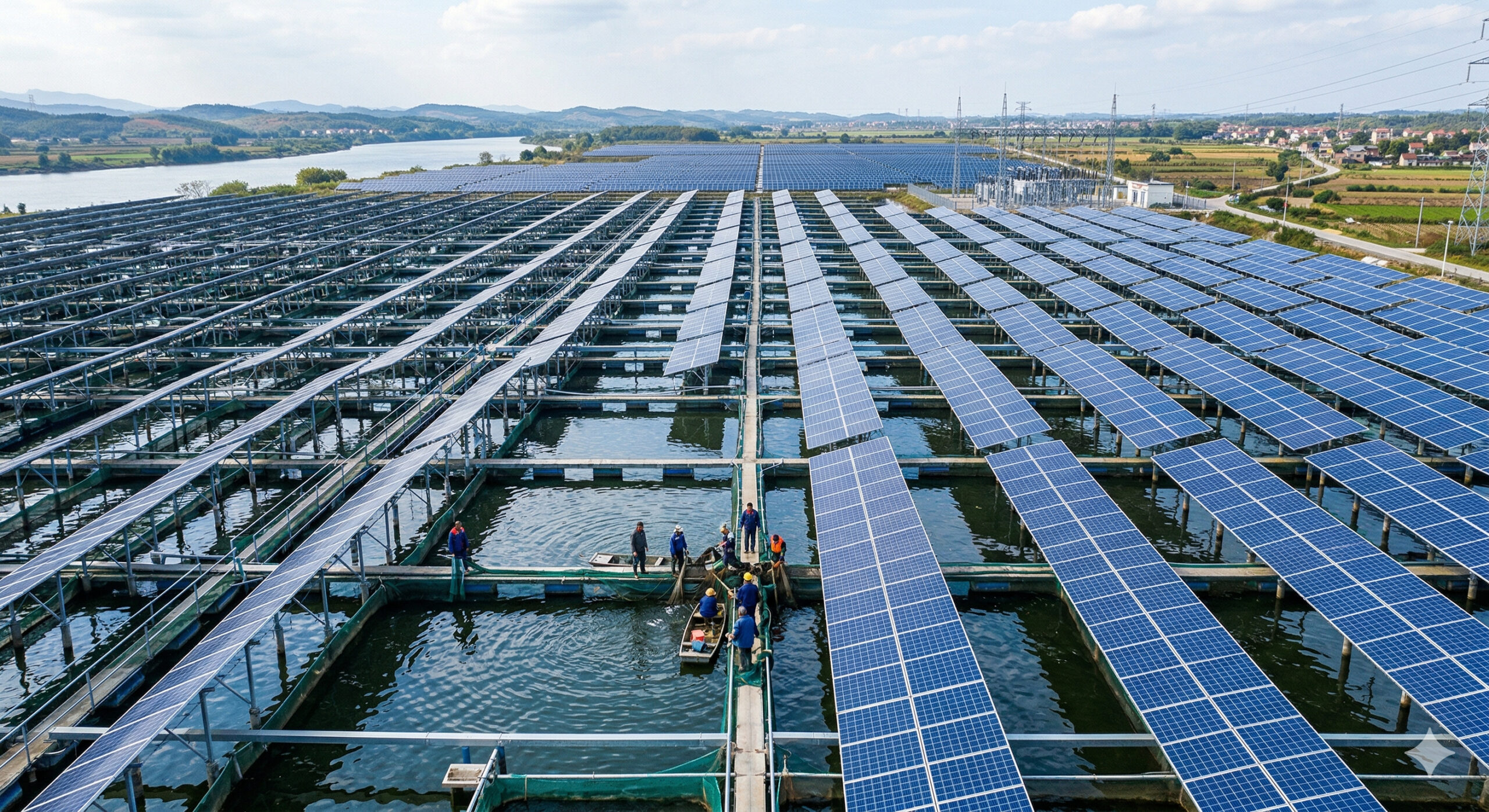
China bets on the Fishery-PV model and transforms fish farms into giant solar plants, covering ponds with panels that generate energy while utilizing the same space for large-scale aquaculture production.
-
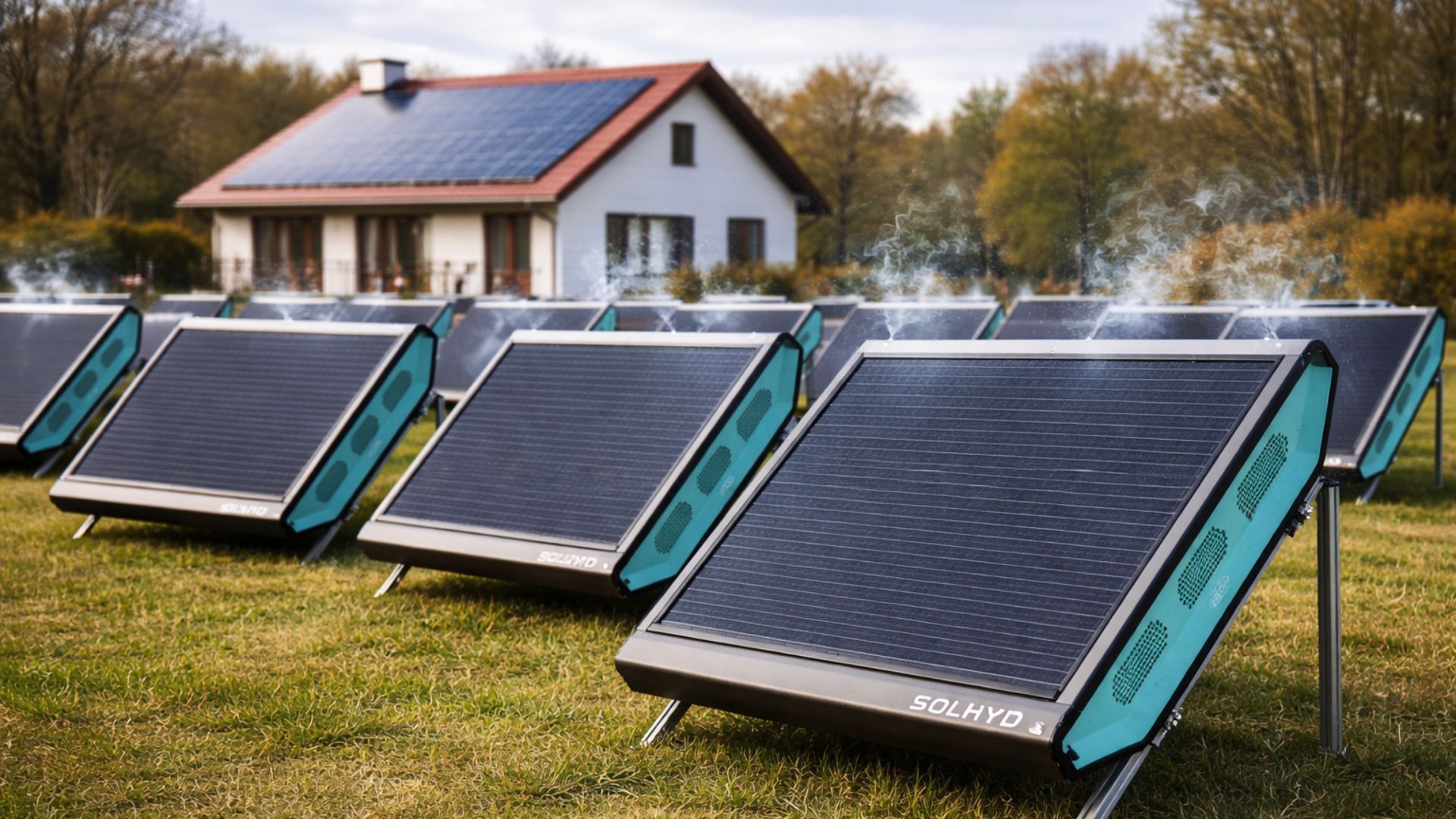
Green hydrogen at home: Belgium launches new technology that makes solar panels produce fuel from the moisture in the air, which could boost the energy transition.
-
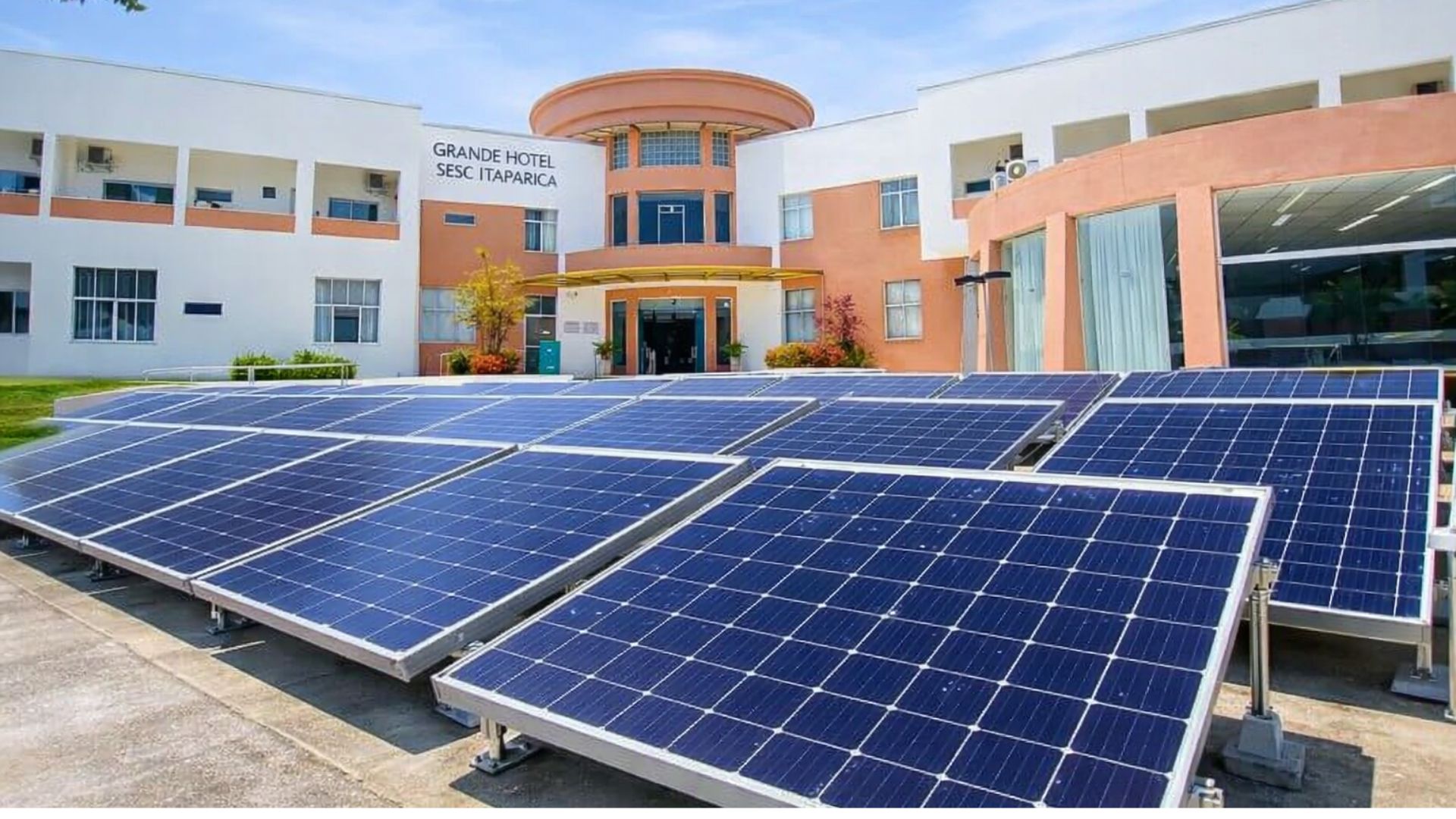
Sesc-BA bets on renewable energy with the support of EDP and drives the energy transition with a direct impact on cost reduction and the sustainability of its operations in Bahia.
-
Technology giant breaks global sustainability records: How Amazon’s leadership in renewable energy procurement transformed the global energy market in the past year.

Moreover, the combination of multiple sources — solar energy, biogas, small hydropower plants, and wind projects — provided the State with a robust, diverse, and resilient matrix, capable of reducing dependence on traditional sources and minimizing risks related to hydrological instability.
“Paraná has established itself as a national reference in clean energy” — an officially highlighted statement by the State Government, reflecting the sum of the results obtained in recent years.
Solar Energy and Biogas: The Strength of Paraná’s Countryside in Energy Transition
The adoption of solar energy and biogas systems in rural properties was one of the main highlights of RenovaPR. The program enabled thousands of projects that transformed agricultural waste into a source of energy and income. Biogas and biomethane, for example, began to be produced on a large scale, preventing soil and water contamination while ensuring the reuse of waste.
In some regions, especially in areas with strong production of pigs, poultry, and dairy cattle, the use of biodigesters has become essential. Thanks to this technology, the producer can generate enough electricity for internal consumption and direct the surplus to the grid or for biomethane production.
The State Government has also announced the expansion of RenovaPR, including new lines of credit, technical support, and expansion for cooperatives and small municipalities. Thus, the model is expected to continue growing in the coming years, increasing the adoption of renewable energy throughout Paraná.
Hydraulic Energy and the Role of PCHs in Strengthening the Energy Matrix
Small Hydropower Plants (PCHs) continue to play an important role in Paraná’s energy matrix. The State has 114 PCHs and CGHs in operation, in addition to several units in the licensing or project phase. These plants are essential to maintain energy balance, as they provide continuous and predictable generation, with low environmental impact and strong economic benefits for the served regions.
In the 39th New Energy A-5 Auction, 11 new PCHs were selected, totaling 110 MW of installed capacity and attracting R$ 1.1 billion in private investments.
The projects will serve 15 municipalities and are expected to be operational by 2030. In addition to generating energy, these initiatives contribute to the preservation of riparian forests, protection of springs, and environmental restoration in strategic areas. Another merit of PCHs lies in the generation of direct and indirect jobs, which boosts the local economy, especially in smaller municipalities.
Wind Energy: The Advancement of Complex Palmas II in Paraná
The expansion of wind energy in Paraná received a decisive boost with the authorization of the Palmas II Wind Complex, one of the largest enterprises in the sector in Southern Brazil. With R$ 3.5 billion in investments, the project plans to install 72 wind turbines, which together will have the capacity to generate 504 MW — enough energy to supply about 300,000 households.
The new park highlights the enormous technological leap of the State. 25 years ago, Copel’s first wind installation produced only 2.5 MW. Today, each turbine of the Palmas II Complex can exceed 7 MW of individual capacity, demonstrating significant progress in engineering and the increasing efficiency of production.
The licensing of the complex was carried out with rigorous environmental criteria, ensuring that the towers were installed in already cleared areas, avoiding the suppression of native vegetation and respecting bird routes and sensitive areas. By consolidating this infrastructure, Paraná positions itself as one of the major wind energy hubs in the Southern region.
Solar Energy in Municipalities: Economy, Efficiency, and Modernization of Public Services
In addition to its presence in rural areas, solar energy is becoming a reality in urban areas. Several municipalities have installed photovoltaic systems in schools, health posts, administrative centers, and water treatment units. With this, they are able to reduce costs and drive the modernization of public services.
One example is São Miguel do Iguaçu, where the implementation of a solar system generated a monthly savings of R$ 24,000, representing a reduction of up to 95% in the electricity bill. The saved funds have been reallocated to essential areas such as health, education, and social services.
The State Government has also begun the installation of eight new photovoltaic plants in public agencies, including units of the Department of Education and the Rural Development Institute. Together, these plants will produce 32 GWh per year, enough energy for more than 15,000 households.
Regional Development, Jobs, and Energy Security: Impacts of Sustainable Expansion
The expansion of the renewable matrix in Paraná has generated far-reaching socioeconomic effects. The installation of PCHs, wind farms, solar plants, and biodigesters stimulates the local economy, creates qualified jobs, and fosters new businesses in energy and technology.
Moreover, the diversification of the matrix ensures greater energy security, reduces risks of interruptions in supply, and attracts companies that value clean and stable sources. The productive sector, especially industry, now has access to competitive, reliable, and sustainable energy, which improves the business environment and favors regional development.
Paraná demonstrates that investing in clean energy is investing in economic and social development — a central statement that summarizes the effect of adopted public policies.
Why the Energy Advancement of Paraná Points to the Future of Brazil?
The path traced by Paraná provides a practical and efficient example of how public policies, innovation, and investments can transform the energy sector. The combination of multiple renewable sources, strong support for rural areas, and the implementation of large wind and solar projects are essential strategies to face the climatic and economic challenges of the coming years.
The Paraná model shows that it is possible to grow sustainably, ensuring economy, competitiveness, and energy security. More than just a regional success story, the State reveals that renewable energy is a fundamental pillar for the future of Brazil — and one of the smartest strategies to ensure development with environmental responsibility.






-

-

2 pessoas reagiram a isso.