





 Portuguese
  English
  Spanish
  4 min of reading
  0 comments


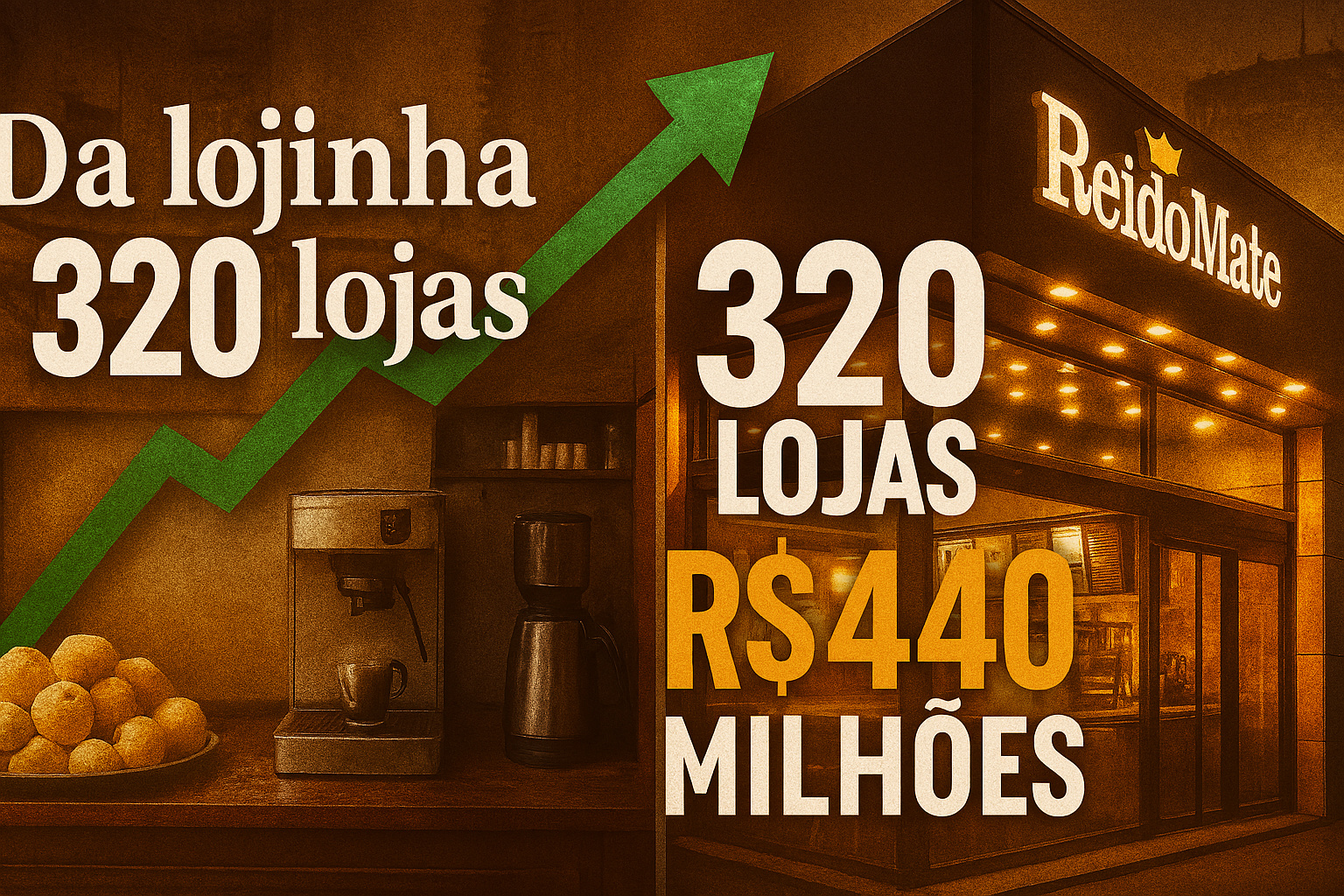
With Only a 20 m² Space in Downtown SP, 320 Stores, and R$ 440 Million: How Rei do Mate Became One of the Largest Networks in the Country with a Simple Strategy and Consumer Focus.
In the late 1970s, when Downtown São Paulo was the commercial heart of the country, a microstore of just 20 square meters at the corner of São João and Ipiranga avenues began to attract attention with the smell of hot mate and melting cheese bread. It was 1978 when entrepreneur Kalil Nasralla opened the first Rei do Mate, a simple, almost timid business that served workers, students, taxi drivers, and journalists living the frenzied routine of the area. Nearly five decades later, the brand has transformed into one of the largest chains of hot drinks and snacks in Brazil, with more than 320 units spread across the country and expected to reach R$ 440 million in revenue by 2025, according to data released by Exame and confirmed by food service industry reports.
The question that lingered in the air and caught the attention of the economic press is simple and powerful: how did a tiny store turn into an empire that dominates malls, airports, bus stations, and shopping centers?
The Birth of the Formula: Simplicity and Attention to Consumer Behavior

The turning point came when Nasralla noticed something obvious but overlooked: Brazilians have always consumed mate, but few brands had transformed this cultural tradition into a scalable business. The first insight was to standardize the drink, always offering the same flavor and temperature, something rare at the time.
-
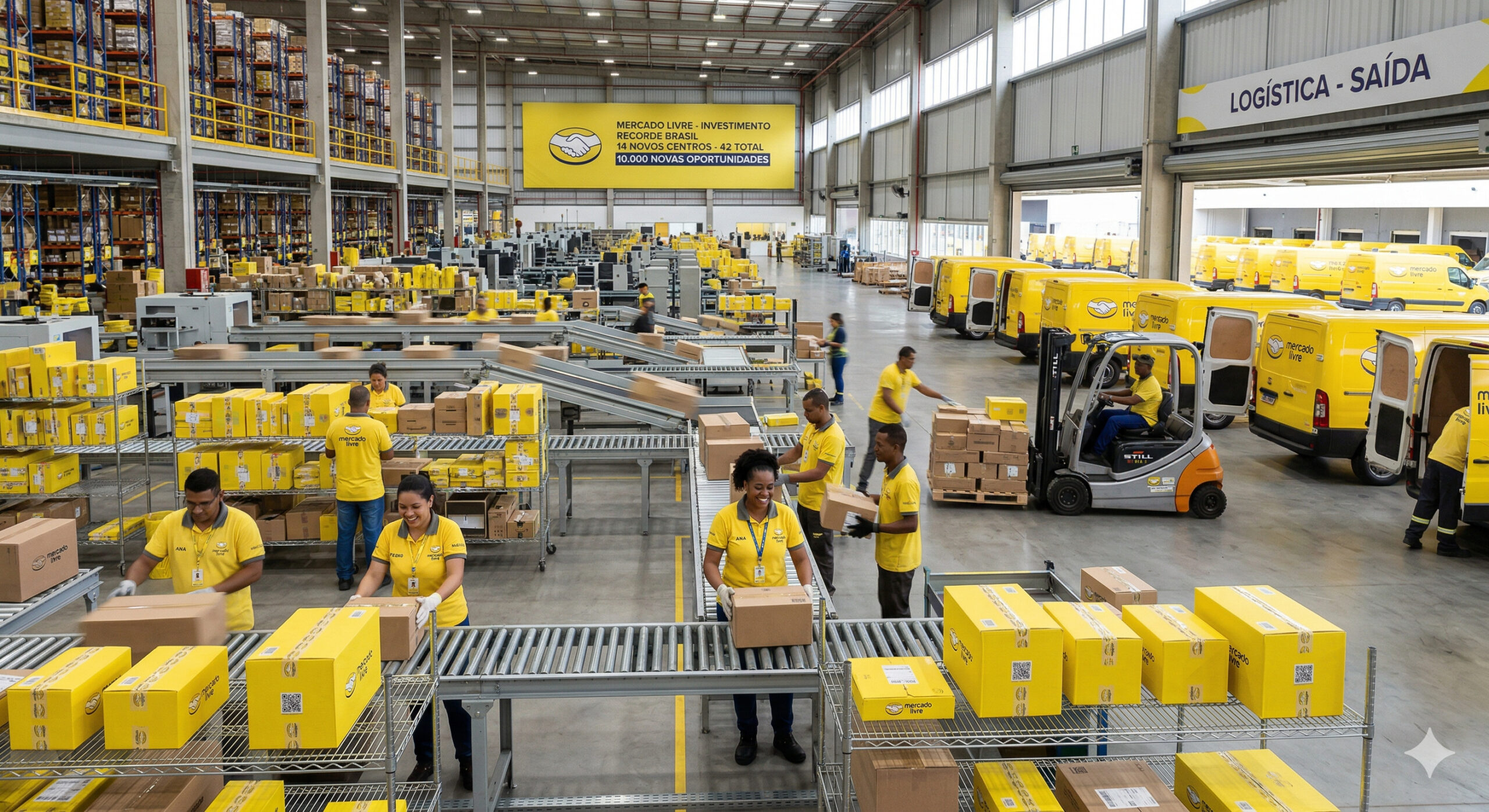
Mercado Livre “opens the vault” and announces a record investment of R$ 57 billion in Brazil in 2026, a value 50% higher than the previous year, with an expansion plan that includes 14 new logistics centers, totaling 42 units in the country and hiring an additional 10,000 employees.
-
How investment in technology can revolutionize the national economy and enhance industrial gains, according to a study that highlights the direct impact on productivity, innovation, and wealth retention within Brazil.
-
The largest food company on the planet, JBS, has just opened a 4,000 square meter laboratory in Florianópolis to develop customized proteins that modulate muscle mass gain, immune response, and metabolic performance.

-
After nearly 30 bids and competition among industry giants, a Spanish company purchases one of the largest airports in Brazil for almost R$ 3 billion and takes over the management of Galeão in a concession that will last until 2039.


The second was even more strategic: combine mate with items that created a “stay ritual,” encouraging customers to not just buy but stay. Thus came:
- fresh cheese bread served all day;
- enhanced coffee, before it became a trend;
- quickly prepared cakes and savory snacks;
- a light display case, with visible products;
- a fast, but welcoming service environment.
These elements, seemingly simple, would later become the foundation for the network to compete with global coffee shops.
The Great Turnaround of the 2000s: The Marketing of the “Space to Work”
Expansion accelerated from the 2000s, when Rei do Mate decided to invest in something that would become a global trend: outlets for laptops, individual tables, and an environment conducive to study and work.

The concept of “third place” — a space that is neither home nor office — was already being explored by international brands but was still little disseminated in Brazil. Rei do Mate did this before the coworking explosion and transformed its stores into natural spots for:
- informal meetings,
- study,
- remote work,
- freelancer routines,
- quick stops between commitments.
The network expanded its offerings of special coffees, invested in higher-priced products, and refined its ambient strategy. This elevated its audience beyond traditional mate consumers, competing for clients with premium coffee shops.
Expansion and Structure: The Franchise Model That Became a Reference
Growth was also driven by the franchise model. Starting in 1991, Rei do Mate created a standardized operating system that allowed:
- accelerated franchisee training,
- simplified logistics,
- uniform menu,
- national communication,
- bulk purchasing power,
- more predictable margins.
While other businesses struggled to maintain their identity, Rei do Mate did the opposite: it turned identity into a product. What was once a small store became a national brand, present in strategic locations such as:
- international airports,
- subway stations,
- interstate bus stations,
- high-traffic malls,
- universities,
- administrative centers.
Each year, dozens of new units were opened, especially after 2010, when the brand achieved significant national visibility.
The Numbers That Reveal the Size of the Operation
According to recent data released by Exame and the FoodBiz Brasil portal, the network:
- recorded R$ 370 million in revenue in 2024;
- is expected to reach R$ 440 million in 2025, maintaining a double-digit growth rate;
- has over 320 active sales points, consolidating itself as the largest mate network in the country;
- has increased the average ticket with gourmet coffees, higher-value savory snacks, and seasonal products.
The brand, once regional, began competing directly with international coffee shops in airports and large centers, maintaining a more accessible price — attracting different consumer profiles.
The Secret: The Right Product for the Right Brazil
Rei do Mate grew because it understood a fundamental point: Brazil is not a country with prolonged winters. The strategy was not to sell expensive coffee, but to sell comfort, permanence, and familiarity, adding items from Brazilian daily life — cheese bread, tropical juices, simple sandwiches, and iced mate.
This fine-tuning allowed the brand to expand organically, without trying to copy foreign models. Quite the opposite: it adapted to local tastes, maintained competitive prices, and built an image of credibility and proximity.
The Journey of a Small Business That Became a National Giant
Rei do Mate is proof that initial size does not define destiny, but strategic vision does. A 20 m² store, located in downtown São Paulo nearly half a century ago, has transformed into one of the largest food networks in Brazil by combining tradition, cultural adaptation, a welcoming environment, and long-term business vision.
Today, the brand occupies a unique space in the market: it is not just a coffee shop, snack bar, or kiosk. It is a hybrid model that delivers convenience, comfort, and Brazilian identity in each of its more than 320 units and is heading towards a revenue approaching half a billion reais.








Seja o primeiro a reagir!