





 Portuguese
  English
  Spanish
  4 min of reading
  0 comments


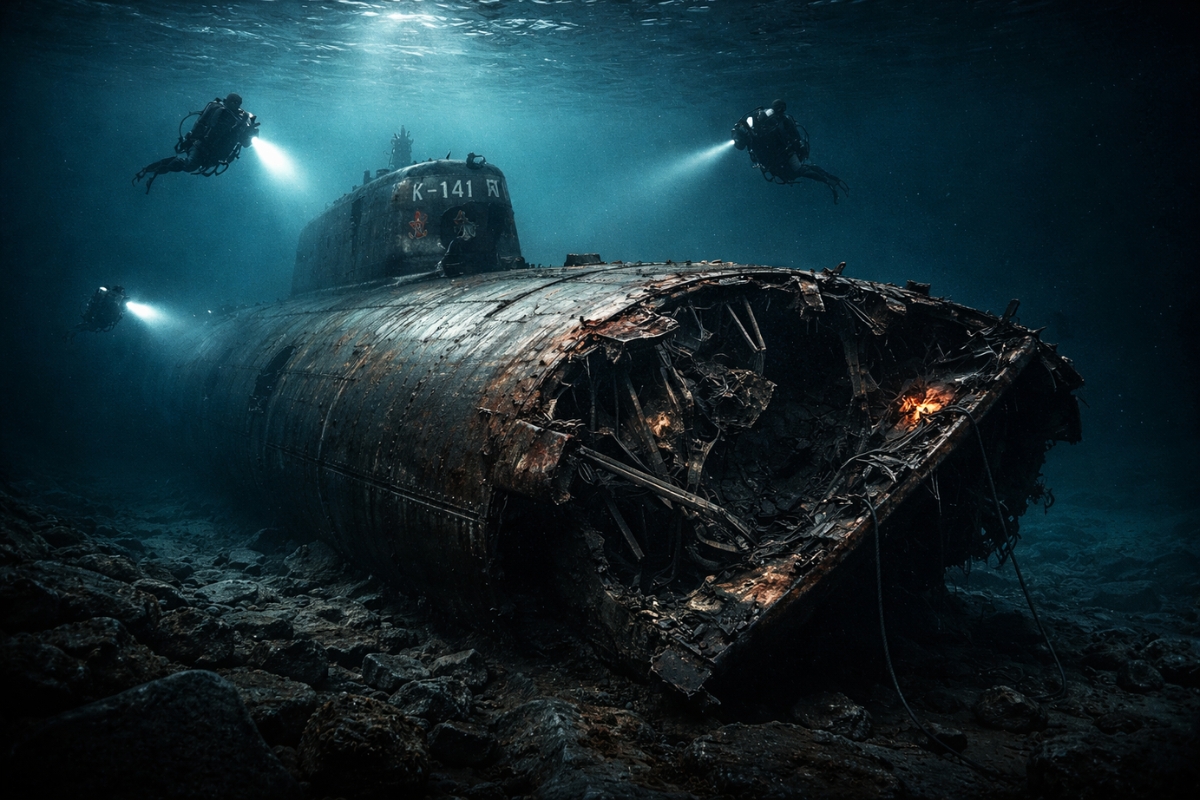
In The Northern Waters Of Russia, The Russian Navy Lost A Nuclear Submarine With 118 Crew Members After Internal Explosions At 108 Meters Depth In An Operation That Shocked The World And Raised Alerts About Submarine Security.
The Early 2000s Were Marked By One Of The Biggest Naval Tragedies In Recent History. A Russian Nuclear Submarine Sank During A Military Exercise, Resulting In The Death Of The Entire Crew. The Incident Gained International Attention And Resurfaced The Debate After Recent Accidents Involving Submersible Vessels.
The Case Drawn Attention Not Only Because Of The Number Of Victims, But Also Due To A Series Of Technical Failures, Delayed Decisions, And Rescue Difficulties In Deep Waters. Even Being A High-Level Technological Vessel, The Outcome Was Devastating.
More Than Two Decades Later, The Sinking Of The Kursk Still Raises Questions About Operational Risks, Crew Readiness, And The Limits Of Submarine Engineering In Extreme Situations.
-
Historic building in the United States reports electrical fire, calls firefighters, and exposes an issue with an appliance that most Brazilians also have at home.
-
Elevator Plummets From Tenth Floor in Commercial Building in Recife, Raising Concerns About Safety and Engineering of Vertical Transport Systems Used Daily in Urban Buildings
-
Cyclist Hit by Car in Sobradinho, DF Is Rescued After Traffic Accident This Sunday

-
Civil Defense Issues Alert and Advises Evacuation in 51 Streets of Juiz de Fora After Risk of Instability; See the Complete List of Affected Neighborhoods


Kursk Nuclear Submarine Was One Of The Most Powerful Ever Built By Russia
The Kursk K 141 Was Part Of The Oscar II Class, Developed Back In The Soviet Union Era. Construction Began In 1990 At Military Shipyards In Northern Russia, During A Time Of Deep Political And Economic Transition.
Despite The Collapse Of The Soviet Union During Its Construction, The Project Continued. The Submarine Was Commissioned Into The Russian Fleet And Named Kursk In 1993, In Reference To A Historic Battle From World War II.
The Vessel Was Designed For High-Impact Strategic Missions. Its Main Role Was To Operate Against Large Surface Ships, Including Aircraft Carriers, In Naval Conflict Scenarios.

Heavy Weaponry And Little Experience At Sea Marked The Kursk Operation
The Kursk Operated With Type 65 Torpedoes, Each Equipped With Warheads Weighing Up To 450 Kilos. This Type Of Armament Had Sufficient Destructive Capability To Sink Large Military Vessels.
Despite The Potential, The Submarine Had Limited Use. In Five Years Of Service, It Conducted Only One Relevant Operational Mission, Lasting Six Months In The Mediterranean Sea In 1999.
The Scarcity Of Fuel Resources Reduced Navigation And Training Time. Many Crew Members Had Little Practical Experience In Long Operations At Sea, A Factor That Would Later Be Pointed Out As Critical.
Military Exercise Ended In Explosions Registered By Seismographs
In August 2000, The Kursk Participated In The Summer X Military Exercise, The Largest Of The Russian Navy In Over A Decade. The Operation Involved About 30 Ships, Four Attack Submarines, And Various Support Vessels.
On August 12, During The Preparation For The Launch Of Training Torpedoes, The First Explosion Occurred. Seismographs Registered An Event Equivalent To 1.5 On The Richter Scale, Similar To Up To 250 Kilos Of TNT.
About Ten Minutes Later, A Second Even More Violent Explosion Occurred, With An Estimated Power Between 3 And 7 Tons Of TNT. The Impact Opened A Large Hole In The Hull And Destroyed The First Three Compartments Of The Submarine.
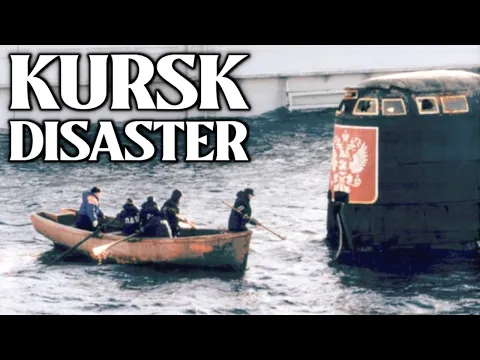

Rapid Sinking Killed 95 Crew Members And Left The Remaining Isolated
With The Explosions, 95 Of The 118 Crew Members Died Almost Instantly. The Submarine Sank At A Depth Of 108 Meters, Considered Relatively Shallow By Military Standards, But Still Complex For Rescue.
Searches Began Immediately, But Faced Technical Difficulties And Political Decisions That Delayed External Rescue Operations. The World Watched With Anxiety Each Frustrated Attempt.
For Days, It Was Believed That There Were No Survivors. However, Later Discoveries Showed That Part Of The Crew Survived For A While After The Sinking.
Note Found Revealed That 23 Sailors Survived For Hours
In The Ninth Compartment Of The Submarine, Located At The Stern, Divers Found Bodies And A Note Written By Lieutenant Captain Dmitri Kolesnikov. The Document Listed 23 Sailors Who Were Still Alive After The Accident.
The Kursk Had An Emergency System Capable Of Absorbing Carbon Dioxide And Releasing Oxygen Chemically. This Allowed The Group To Survive For A Limited Time While Waiting For Rescue.
Without Timely Help, All Died From Lack Of Oxygen. The Most Shocking Detail Of The Case Was The Finding That A Quick Rescue Could Have Saved Lives.
Recovery Of The Wreckage Took Years With An International Operation
Years After The Tragedy, Russia Hired An International Consortium To Remove The Wreckage Of The Submarine. The Operation Involved Cutting Off The Bow And Hoisting The Remaining Vessel.
The Remains Of The Crew Were Recovered, Closing A Painful Chapter In Russian Naval History. The Recovery Also Aimed To Prevent Environmental Risks Associated With The Nuclear Reactor.
The Kursk Sinking Came To Be Studied As An Example Of Chain Failures, From Defective Armaments To Critical Delays In Rescue Decisions.
The Case Of The Kursk Nuclear Submarine Remains One Of The Most Impactful Episodes In Modern Maritime History. It Exposed Technical, Human, And Operational Limits That Still Challenge Navies Around The World And Keeps The Alert About Safety In Extreme Submarine Operations Alive.
What Do You Think Contributed Most To This Tragedy: Technical Failure, Human Decisions, Or Lack Of Preparedness? Leave Your Comment And Share The Article.









-

-

2 pessoas reagiram a isso.