





 Português
  Inglês
  Espanhol
  4 min de leitura
  0 comentários


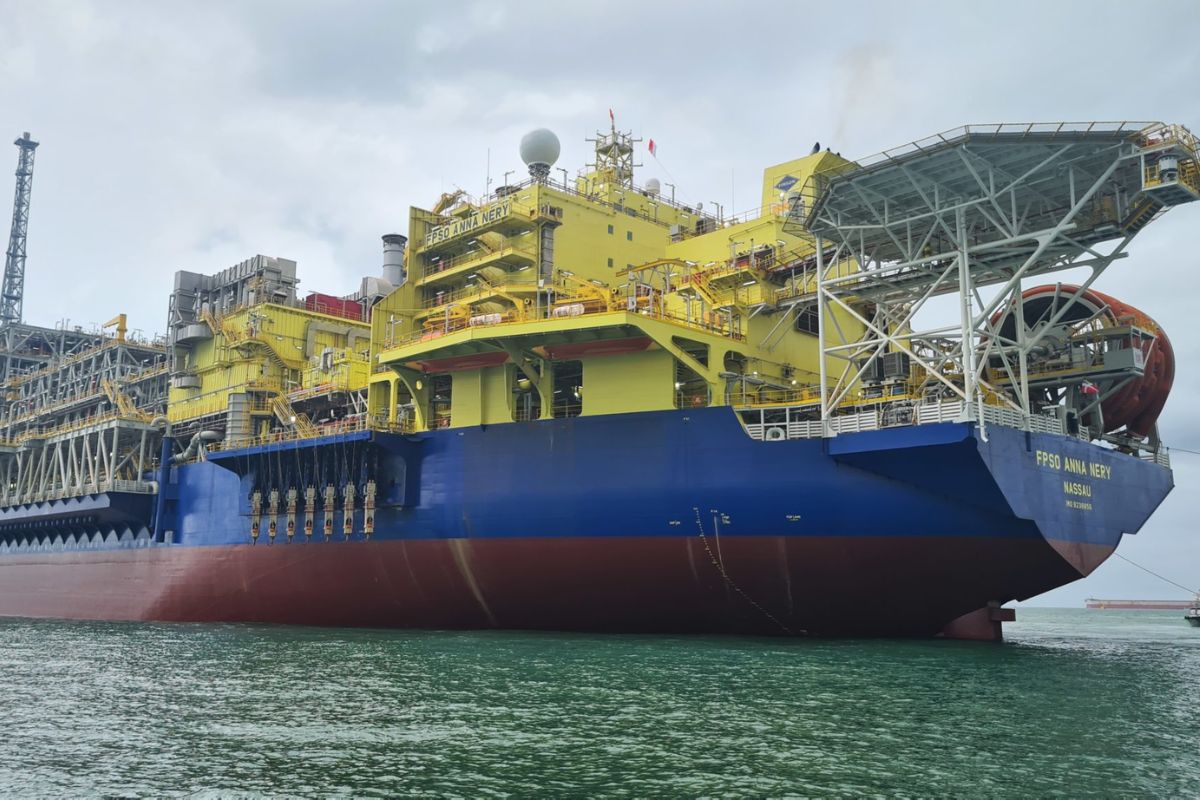
With an Investment of R$ 18 Billion, Petrobras Is Replacing Nine Old Platforms with Two Cutting-Edge Units, Extending Production to 2048 and Reducing Emissions by Over 50%.
The Marlim field, in the Campos Basin (RJ), was once Brazil’s largest oil producer, a true titan of the seas. However, after decades of operation, its decline was inevitable. Now, one of the largest asset recovery projects in the world is underway to give new life to the field. The centerpiece of this “resurrection” is the new FPSOs Anna Nery and Anita Garibaldi.
These two modern floating platforms, installed in 2023, are at the heart of a strategy to extend the field’s production for another two decades. In 2025, the project will be in full ramp-up phase, demonstrating a new strategy for the industry: using cutting-edge technology to extract maximum value from historical assets.
The Peak Production of Marlim in 2002 and Its Inevitable Decline
Discovered in 1985, the Marlim Field was a milestone for the Brazilian oil industry, consolidating the Campos Basin as a world-class province. Its original infrastructure, made up of nine platforms, led the field to an impressive production peak in April 2002, reaching 615,772 barrels of oil per day.
-
The world’s first octopus farm wants to open in the Canary Islands and is already provoking an international reaction: the plan aims to produce 3,000 tons per year.

-
Drought may be creating stronger superbugs in the soil and helping antibiotic resistance reach hospitals, warns a study highlighting a problem that could grow alongside extreme weather.

-
The biggest scam in history: Napoleon’s France deceived the United States by selling them a territory that was Spanish.

-
Why is the Danakil Desert so dangerous? It has unstable terrain and how extreme temperatures and toxic gases turn the region into one of the most hostile environments on Earth.


For years, Marlim was the backbone of national production. However, with the maturing of the field, production entered a long and natural decline. Its infrastructure, designed decades earlier, was no longer operating efficiently and became a costly burden. Revitalization became the only way to unlock the immense remaining value in the reservoir.
The R$ 18 Billion Plan: Substituting Nine Platforms with Anna Nery and Anita Garibaldi
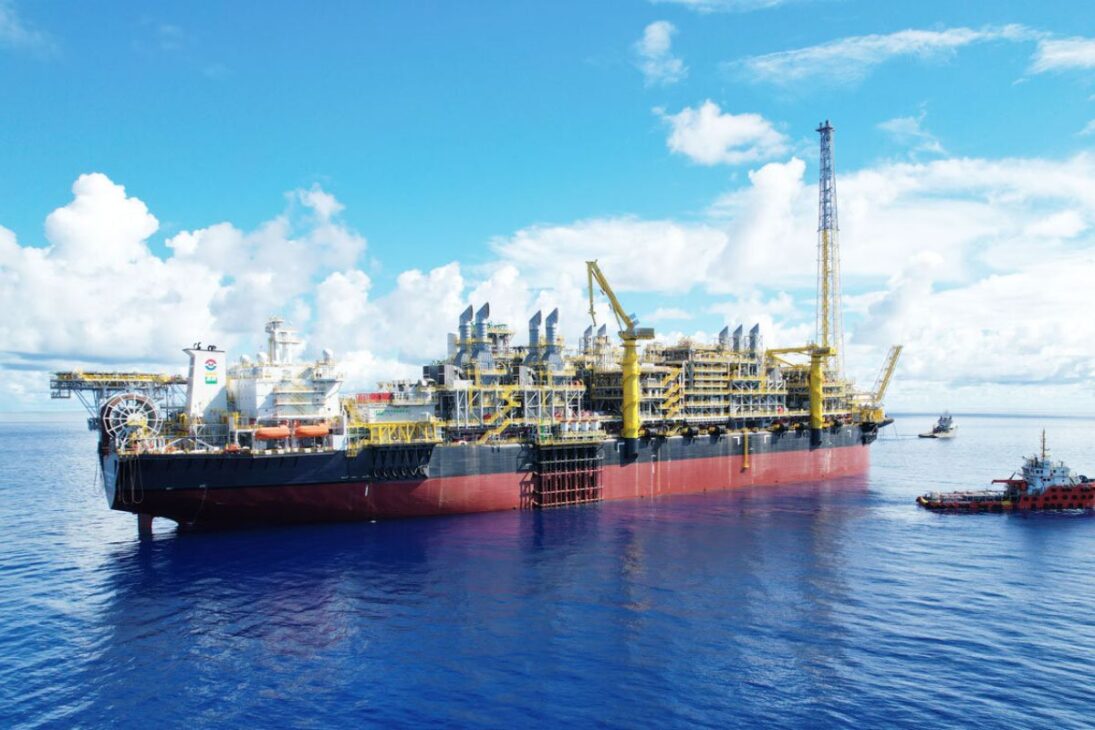
Petrobras’ response was the ambitious Marlim and Voador Revitalization Project, with an investment nearing R$ 18 billion. The essence of the project is efficiency: replacing nine old platforms with just two new, high-tech production units (FPSOs).
The strategy began to materialize in 2023, with the commissioning of the new FPSOs Anna Nery and Anita Garibaldi. The Anna Nery started production in May 2023, followed by the Anita Garibaldi in August 2023. This strategic swap not only simplifies logistics but also drastically reduces operational costs and centralizes control over one of Petrobras’ most important assets.
The Production Capacity of the New FPSOs Anna Nery and Anita Garibaldi
The two new platforms are true processing plants offshore, designed to extract the maximum from the Marlim field.
FPSO Anna Nery: chartered from Yinson, has the capacity to produce up to 70,000 barrels of oil and 4 million cubic meters of gas per day.
FPSO Anita Garibaldi: chartered from MODEC, is even larger, with a capacity of 80,000 barrels of oil and 7 million cubic meters of gas per day.
Together, the production capacity of the new FPSOs Anna Nery and Anita Garibaldi can reach up to 150,000 barrels of oil per day. They will be connected to a total of 75 wells, among new and existing ones that have been relocated, forming a complex subsea network for optimized reservoir drainage.
The “Ramp-Up” of 2025: The Increase in Production and the Extension of the Field’s Life to 2048
With the platforms in operation, the year 2025 is the critical ramp-up period, meaning the acceleration of production. New and old wells are being gradually connected, and the impact is already visible in Petrobras’ reports, which attribute production growth in the Campos Basin to the increasing contribution of the new FPSOs Anna Nery and Anita Garibaldi.
The production peak of the Anna Nery is projected for the year 2025 itself, while that of the Anita Garibaldi is expected for 2026. The ultimate goal of the project is gigantic: to extend the productive life of Marlim until 2048, ensuring more than two decades of production and adding 860 million barrels to Petrobras’ reserves.
The Goal of Reducing Emissions by Over 50%
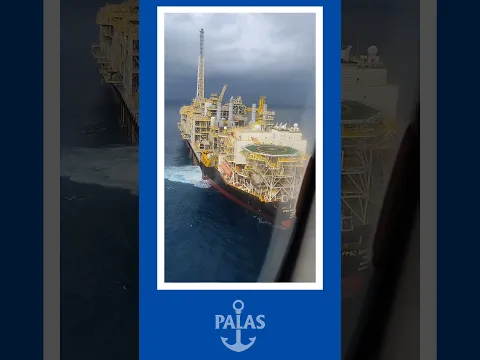

The revitalization of Marlim goes beyond increasing production, incorporating a fundamental environmental pillar. The project was designed to reduce greenhouse gas emissions by over 50%, potentially reaching 60%.
This reduction is achieved through the cutting-edge technology onboard the new FPSOs Anna Nery and Anita Garibaldi. More efficient systems, such as the “All-Electric” concept and heat recovery units, replace the old turbines. The decommissioning of the nine old platforms eliminates sources of fugitive emissions. This decarbonization strategy aligns the production of a mature field with the new market demands, ensuring its relevance in a low-carbon future.








-

-

-

-

-

14 pessoas reagiram a isso.