





 Portuguese
  English
  Spanish
  6 min of reading
  4 comments


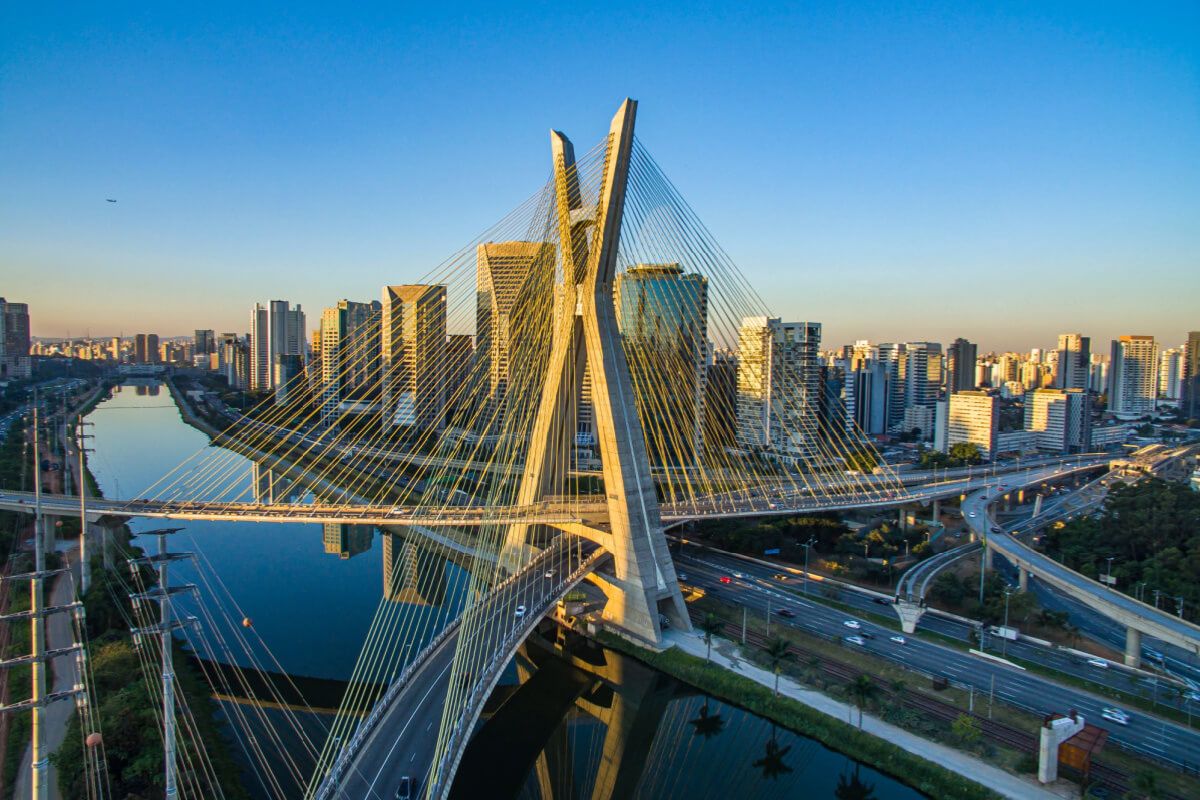


With R$ 3.5 Trillion in GDP, São Paulo Left Entire Countries Behind. But What Explains This Meteoric Rise in Less Than Two Centuries?
The State of São Paulo, now responsible for nearly one-third of the Brazilian economy, boasts a Gross Domestic Product (GDP) of R$ 3.5 trillion — greater than that of Argentina. But the current reality is far from its colonial past. In the 19th century, the region was seen as a secondary province, poorly funded, sparsely populated, and politically insignificant.
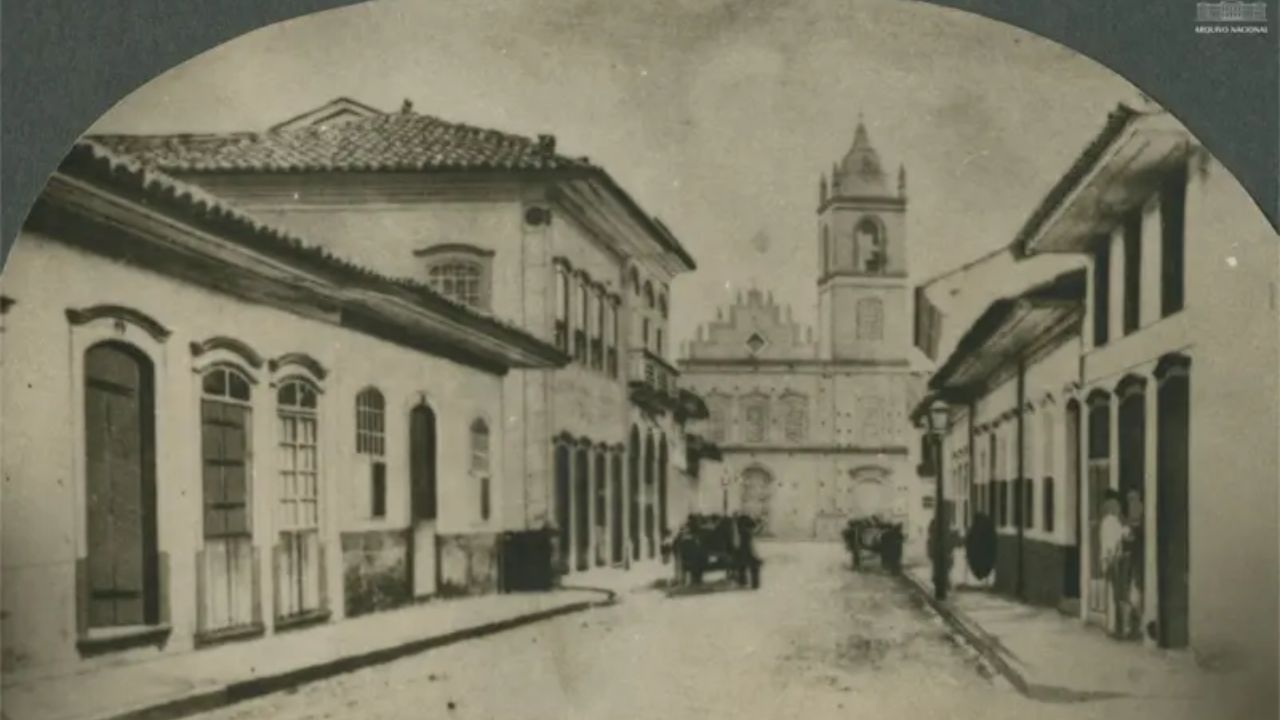
In 1872, when the first Brazilian census was conducted, the capital had only 30,000 inhabitants. In the same year, Rio de Janeiro, then the capital of the Empire, had around 270,000 residents. The population contrast also reflected the gap between the two regions in terms of influence. São Paulo’s rise in the following decades, however, would become one of the most impressive cases of economic transformation in the world, according to historian Rafael Cariello.
The Weight of Geography and the Logistical Challenge of the Serra do Mar
A large part of São Paulo’s initial delay was explained by its geography. The Serra do Mar served as a natural barrier between the coast and the interior of the state. The agricultural production from São Paulo — even benefiting from fertile land — faced difficulties in transporting its products to the port of Santos. Transportation relied on indigenous trails or precarious roads, such as the winding Calçada do Lorena, inaugurated in 1792, with over 130 curves along 50 kilometers.
-
The Argentine government celebrates the lowest poverty rate in 7 years, but experts warn that the methodology has changed, real wages have fallen, unemployment has risen, and the number of people on the streets of Buenos Aires has increased by 57% since Milei took office.

-
7.8 magnitude earthquake in Indonesia frightens the population, triggers tsunami alert, and hits an island with over 200,000 inhabitants this Thursday.

-
Google will finally let you change that embarrassing Gmail address you created in your teenage years without losing any accounts, logins, or old emails: the feature is already available in the United States.

-
Heading to Brazil in a Bonanza F33 single-engine aircraft: a couple departs from Florida on a visual flight, makes technical stops in the Caribbean to refuel and organize paperwork, and begins the staged crossing until they reach the country.


For decades, the transportation of goods was done using mule trains. But the logistics costs were so high that they made expanding production to more distant areas unfeasible. The “fuel” for the mules was corn, an expensive input, which limited the advance of coffee — the main commodity of the 19th century — to the Vale do Paraíba, closer to the coast.
The change began with an institutional decision: in 1834, a constitutional reform decentralized part of the imperial power, allowing provinces to create legislative assemblies. São Paulo began to invest its own resources in road infrastructure through tolls. The collected funds were used to open more modern and faster roads. The turning point came with the construction of the Estrada da Maioridade in 1846, which increased transportation capacity between the interior and the coast.
The Arrival of the Railway and the Leap of Coffee
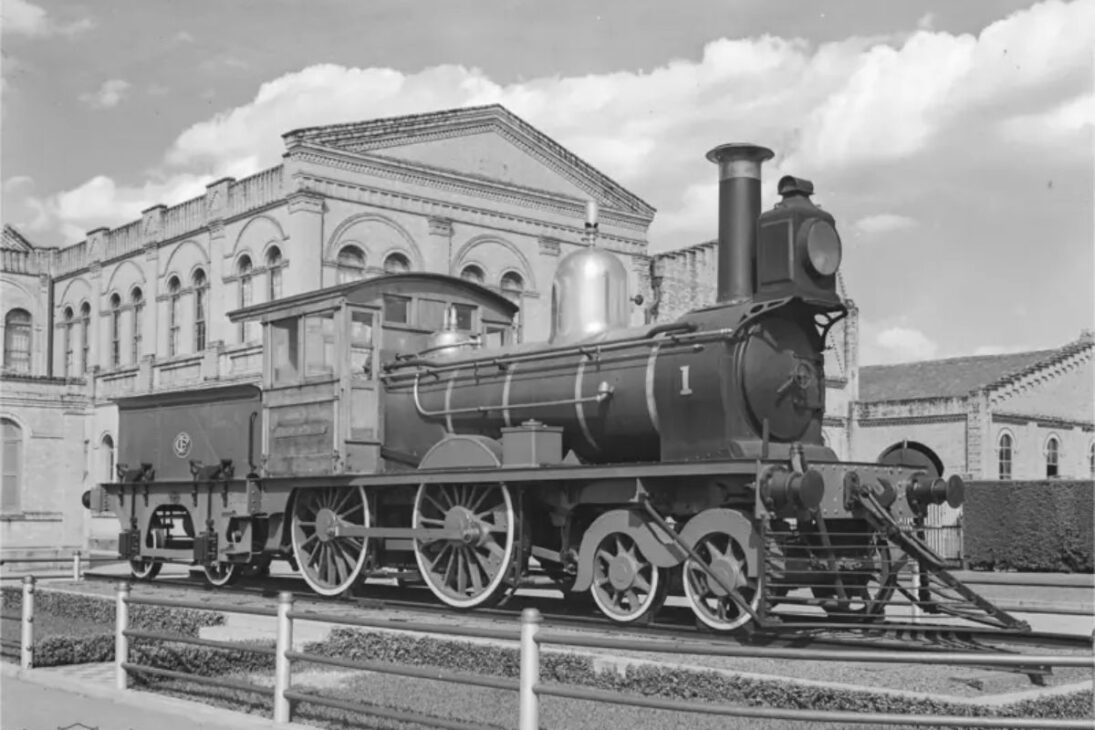
Despite improvements in the roads, it was only in 1867 that São Paulo’s transportation logistics were definitively revolutionized with the inauguration of the São Paulo Railway Company. Funded by English capital and coffee barons, the railway connected the capital to Jundiaí and, from there, to the port of Santos. Consequently, coffee production was able to rapidly advance inland, reaching cities such as Campinas, Piracicaba, Limeira, and Rio Claro.
At the same time, coffee consumption was exploding in the United States and Europe, securing a market for the growing production from São Paulo. Exports skyrocketed, and so did the volume of capital circulating in the state. Coffee not only irrigated the rural economy but also created space for the emergence of banks, brokerages, and other credit instruments.
Slavery, Immigration, and the Birth of Industry
In 1850, Brazil officially prohibited the transatlantic trafficking of enslaved people, following strong pressure from England. The replacement of enslaved labor occurred mainly through European immigration, particularly from Italians, Spaniards, and Portuguese. For São Paulo, the arrival of these immigrants served a dual purpose: to maintain coffee production and to boost the emergence of an urban class that began to consume and produce manufactured goods.
Between the end of the 19th century and the 1970s, more than 3 million immigrants passed through the old Immigrant Hostel of Brás. These workers not only filled positions in the fields but also helped to found an urban and industrial economy, creating small factories, shops, and expanding the consumer market of the capital and inland cities.
Immigration was also used as a political tool. Many of the Paulista governors at the time believed that “whitening” the population was synonymous with progress. This racist ideology, based on 19th-century eugenics theories, helped shape the demographic and social profile of the state, privileging Europeans and hindering the integration of the Black and Indigenous populations into the formal economy.
The 1929 Crisis and the Industrial Turnaround
Even with the strength of coffee, São Paulo was still a predominantly agricultural economy until the late 1920s. But the stock market crash in New York in 1929 disrupted international trade and reduced Brazil’s capacity to import industrialized products. It was in this context that the Paulista industry gained new momentum.
There already existed an incipient industrial base, a product of the capital accumulated from coffee and growing urban demand. With restrictions on imports, these factories expanded rapidly. The import substitution policy adopted by Getúlio Vargas starting in 1930 solidified this process. The Paulista industry began producing goods that had previously been imported — from clothing and food to automobiles and appliances.
From the 1970s onwards, São Paulo began to diversify its economy even further. Coffee lost space to other sectors: the automotive industry, oil production, financial services, and later, information technology. A plan to eradicate coffee plantations was implemented, and the São Paulo economy repositioned itself towards modernity.
The Symbolic Weight of Paulista Identity
For some scholars, like political scientist Elizabeth Balbachevsky, São Paulo’s success is also attributed to an institutional legacy less marked by patrimonialism compared to other regions in the country. According to her, the relative indifference of the Portuguese Crown towards São Paulo protected its institutions from extractive colonization, allowing the development of a more autonomous and capitalist logic.
This interpretation, however, is contested by researchers like Jessé Souza. In his analysis, what truly differentiated São Paulo was its ability to construct a symbolic narrative of superiority. After the defeat of the constitutionalist movement in 1932, the Paulista elite realized they needed to dominate not only the economy but also the national imagination.
“São Paulo constructed its identity as if it were the United States of Brazil,” says Souza. “The local elite rebranded slavery with language of modernity, morality, and meritocracy. They created the idea that São Paulo is a Europe within Africa.”
According to him, universities like USP, the Historical and Geographical Institute, and the main media outlets were used as instruments to consolidate this narrative. The goal was to convince the rest of the country — especially the Northeast — that only São Paulo had the technical and moral capacity to lead the nation.
This symbolic construction, reinforced by over a century of hegemonic discourse, helped to establish the state not only as an economic center but also as a hub of political and cultural power. The result is visible even today: São Paulo remains the locomotive of Brazil, but it also carries the contradictions and historical inequalities of a deeply exclusionary development model.









Tudo em São Paulo tem números grandes, desde coisas ruins a coisas boas. Muito trânsito, muita riqueza e muita pobreza, comida cara e barata….
Sou paulistano, moro na capital, fico feliz com a reportagem histórica, mas o meu desejo é que cada estado brasileiro siga esse impulso e cresçam fortes, a fim de construir um país forte no trabalho, e no equilíbrio do desenvolvimento intelectual e moral.
Esse é o meu Estado,há dezenas de kilomêtros a frente do restante!
Vc não leu o que foi dito no final?