





 Portuguese
  English
  Spanish
  3 min of reading


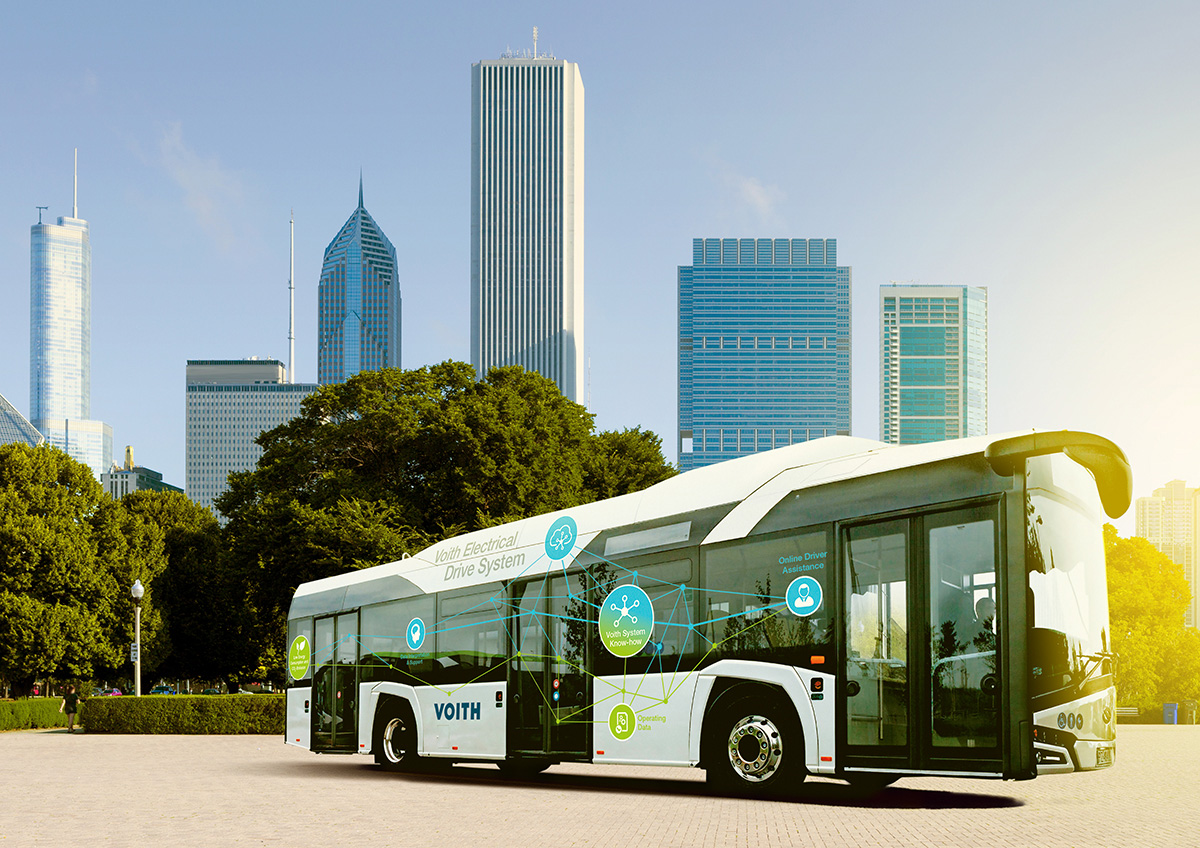
The Use of Voith’s Mild Hybrid Technology in Transmission Systems for Electric Vehicles Allows Part of the Braking Energy to Be Converted and Used by the Vehicles Themselves, Ensuring Greater Efficiency in This Process.
Voith is introducing an innovative solution for the decarbonization transport segment this Thursday, (08/17). The use of the technology called Mild Hybrid in energy transmission systems for electric vehicles contributes to optimizing sustainability in automobiles. There is then the conversion of braking energy into electrical energy to be used by the vehicle, which could be the future of the international transport sector, if the company can attract the necessary attention to the segment.
Use of Mild Hybrid Technology in Energy Transmission Systems for Electric Vehicles Ensures Greater Optimization of Decarbonization
The vehicle electrification segment still faces a number of challenges, even in the current technological landscape, such as the high investment required and the inaccessibility of vehicle charging.
However, Voith has developed a highly efficient solution to overcome the fueling issue, the use of Mild Hybrid technology in energy transmission systems for electric vehicles, which allows for easier recharging of the resource.
-
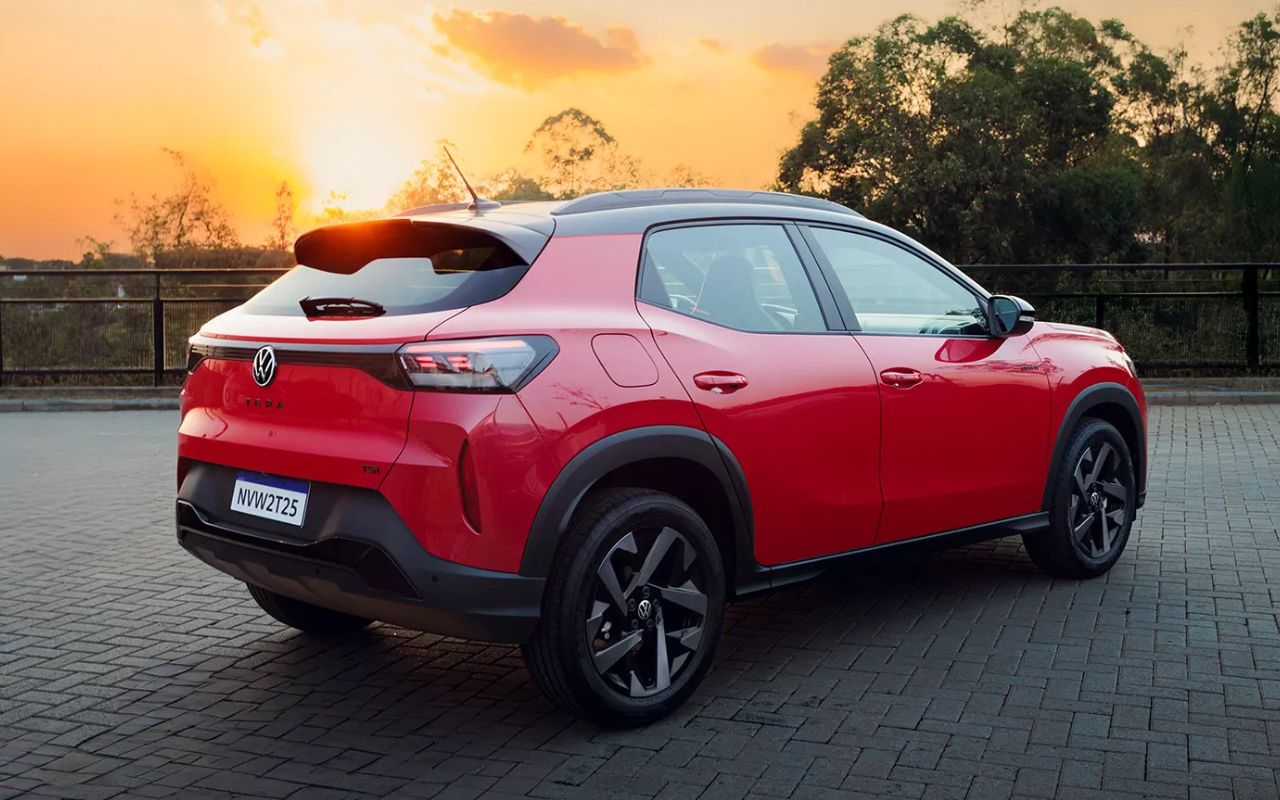
It surpassed the T-Cross, Creta, and Tracker: with nearly 8,000 units sold, the Volkswagen Tera was the best-selling SUV in March 2026.
-
Honda performs miracles in fuel consumption with a hatch that marks 13.2 km/l in the city and 15 km/l on the highway, leaving Polo, HB20, 208, and Onix behind and becoming a reference among compact cars without resorting to turbo or hybrid systems.

-
Six diseases that seem common but can prevent the renewal of the driver’s license for the elderly throughout Brazil and surprise experienced drivers — could any of them affect you without showing clear signs?

-
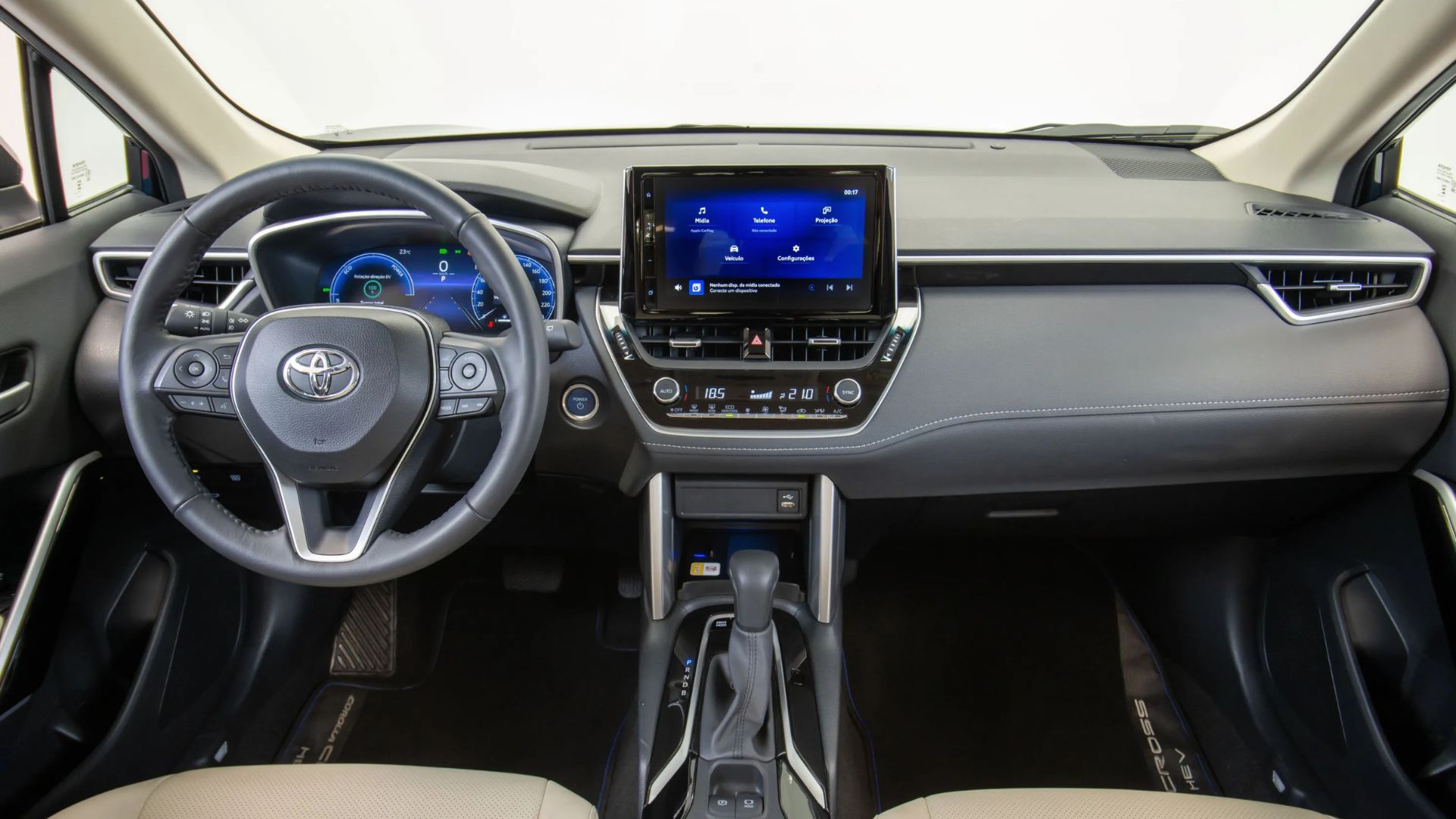
With 122 hp, fuel consumption of up to 17.7 km/l, and a trunk capacity of 440 liters, this hybrid SUV impresses even though it costs up to R$ 47,000 more than the Yaris — meet the Toyota Corolla Cross.
The technology allows part of the braking energy to be absorbed and converted into electrical energy stored in batteries, which will serve as the basis for charging electric vehicles, a solution highly used in Formula 1 cars.
According to Voith, in addition to ensuring easier fueling, the use of Mild Hybrid technology guarantees a reduction of up to 10% in energy consumption. This solution is the company’s major bet to contribute to the growth of the decarbonization and electrification market in the transport segment.
Thus, Rogério Pires, Director of the Mobility Division at Voith Turbo, commented on the new solution for electric vehicles and said, “Through a Mild Hybrid system, the combustion engine has its primary function optimized, which represents lower consumption and pollutant emissions. It can become a trend for the present and open doors to new electric technologies for vehicles. In the commercial vehicle segment, any gain in energy efficiency is very relevant as it represents a direct reduction in operational costs and makes transport much more sustainable.”
In Addition to Mild Hybrid Technology for Energy Transmission Systems, Voith Has Developed an Efficient Traction System
The use of Mild Hybrid technology in transmission systems for electric vehicles is just one of Voith’s innovations for the decarbonization market in the transport segment.
This is because the company announced the VEDS (Voith Electrical Drive System) electric traction system, a set of water-cooled permanent magnet motor combined with a high efficiency inverter that can operate in systems from 400 to 850V, ensuring better energy consumption efficiency in vehicles.
The company stated that the electric traction system can be considered one of the most robust and technologically advanced in the international transport market. Moreover, Voith announced that some test results in Europe have already confirmed that the efficiency objectives proposed by the VEDS and by Voith’s Mild Hybrid system have been achieved, enabling even higher quality in the electrification of electric vehicles worldwide.
In Brazil, the electric vehicle market is still quite stagnant and needs new technologies and solutions for higher quality in the fueling and charging of energy in vehicles, and Voith’s technology could be the future of the segment in the country and in Latin America.








Seja o primeiro a reagir!