





 English
  Francês
  Alemão
  Italiano
  Japonês
  Norueguês
  Portuguese
  Spanish
 4 min of reading
  0 comments


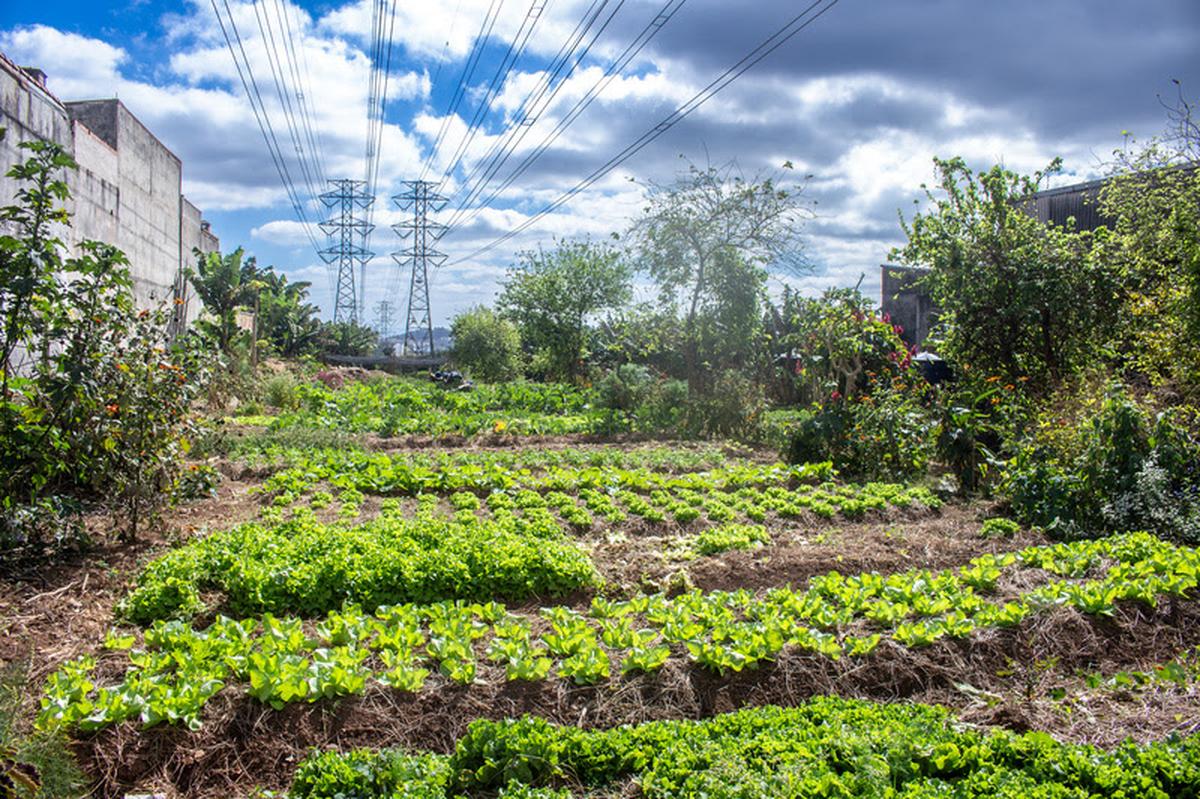
Project Community Gardens Turns Areas Under Power Lines into Productive Spaces and Strengthens Social and Environmental Integration in São Paulo
The São Paulo electric company has been standing out more and more as a true example of urban transformation and sustainability. Since 2018, the company has been converting underutilized land under its power lines into productive urban gardens. Thus, the Community Gardens program has begun to unite income generation, access to healthy food, and community strengthening.
Moreover, the project gained even more prominence in 2024, when the company presented concrete results and established strategic partnerships with civil organizations and federal ministries. As a result, the gardens spread across areas of high social vulnerability began to represent positive environmental impact and real social inclusion. Thus, they became a national reference in urban agriculture and sustainable innovation.
Urban Agriculture Drives Social Transformation
The Community Gardens Symposium, held in December 2024, featured representatives from the Ministries of Agrarian Development, Mining and Energy, and Social Development. In addition, institutions like Pé de Feijão and Baanko participated, collaborating through the exchange of experiences and sustainable practices. During the meeting, it was discussed how urban agriculture can transform idle spaces into productive areas while generating job and income opportunities.
-
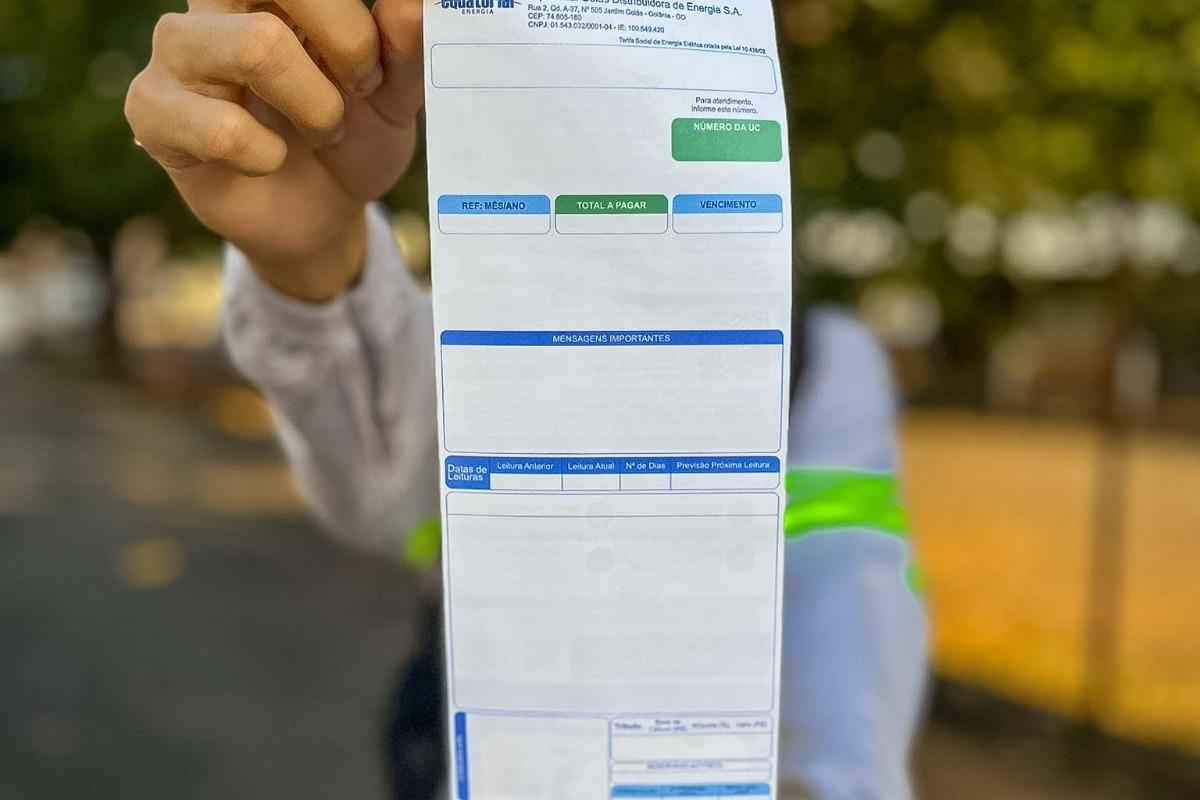
Equatorial adopts new national number for consumer units on electricity bills starting in April, following ANEEL standards and modernizing energy bills in several states.
-
Itaipu Impresses the World: Hydroelectric Plant with 20 Turbines and 14,000 MW Generates Over 2.9 Billion MWh and Leads Global Clean Energy Production

-
Aneel Revokes CMAA Thermal Power Plants After Network Restrictions and Excess Energy in the System

-
13-Year-Old Scientist Creates Clean Energy Device For Just R$ 16, Wins $25,000 Prize And Surprises The World With Affordable Solution


At the same time, the event marked the launch of the 2024 Impact Report, a document that highlighted the main results of the initiative. According to the report, there are 83 registered farmers and 54 active gardens in operation within the area of concession of the electric company.
Consequently, the data reveals the social reach of the project. One hundred percent of farmers reported improved physical condition, and 93.6% noticed health benefits from consuming fresh food. Furthermore, 85.2% reported greater community integration, 74.1% observed household savings, and 66.7% noticed an increase in local fauna.
Thus, these numbers show that the project goes far beyond simple cultivation. It promotes well-being, self-esteem, and reconnection with the environment, transforming degraded urban spaces into sustainable and productive areas.
Experiences That Change Lives in Communities
During the symposium, farmers shared experiences that demonstrate the social impact of the initiative. Rafael Maroni, a producer from the São Mateus region, stated that growing vegetables has become his main source of income and a new opportunity for livelihood for his family.
Additionally, he highlighted that working in the gardens brought dignity, autonomy, and integration with the community residents. As a result, products cultivated locally became part of the families’ diets in the region. Therefore, cases like Rafael’s reinforce the importance of initiatives that value urban agriculture and unite sustainability, economy, and social inclusion.
Institutional Support and Strengthening Public Policies
The initiative of the São Paulo electric company has also captured the attention of federal authorities. Raquel Pereira de Souza, from the Ministry of Agrarian Development, stated that urban agriculture is a powerful tool for generating jobs and income. As a result, she advocated for strengthening public policies focused on such projects, especially in large cities.
Similarly, Elisa Carvalho, a researcher from the Ministry of Social Development, emphasized that occupying urban areas with gardens is essential to ensure integrated environmental and social services. Furthermore, according to her, such projects create a sustainable land use model and help combat food insecurity.
Meanwhile, Andréa Naritza Silva Marquim de Araújo, from the Ministry of Mining and Energy, noted that the program combines energy efficiency and social impact, something rare in large urban centers. Thus, she highlighted that the initiative proves that energy and agriculture can walk hand in hand, generating lasting benefits for communities.
Hence, these statements reinforce the role of the electric company as an agent committed to the Sustainable Development Goals (SDGs) and the national green agenda, integrating social and environmental policies concretely.
Expansion Prospects and Sustainable Future
The success of Community Gardens indicates a promising path for its expansion into other regions of the country. According to Luíza Haddad, founder of Pé de Feijão, the project stimulates an urgent debate on the future of urban agriculture and its importance in creating more inclusive and sustainable cities.
Shortly after the symposium, participants visited the active gardens in São Mateus. During the visit, they observed the production of vegetables, fruits, and greens, cultivated using ecological techniques and collaborative management. Thus, it was possible to closely see how urban agriculture can transform the environment and strengthen social bonds.
In doing so, the São Paulo electric company demonstrates that the union of public power, private initiative, and civil society can transform idle areas into productive and healthy spaces. Furthermore, the project proves that sustainability and energy can work together to generate local development.
The Community Gardens symbolizes a new model of green economy, which integrates energy, food, and citizenship. Finally, it shows that it is possible to redefine the use of urban space and promote lasting changes in people’s lives.
And you, what do you believe is more important for the future of cities: expanding urban agriculture as a tool for social inclusion or enhancing public sustainability policies to truly transform the urban environment?







Seja o primeiro a reagir!