





 Portuguese
  English
  Spanish
 5 min of reading
  0 comments


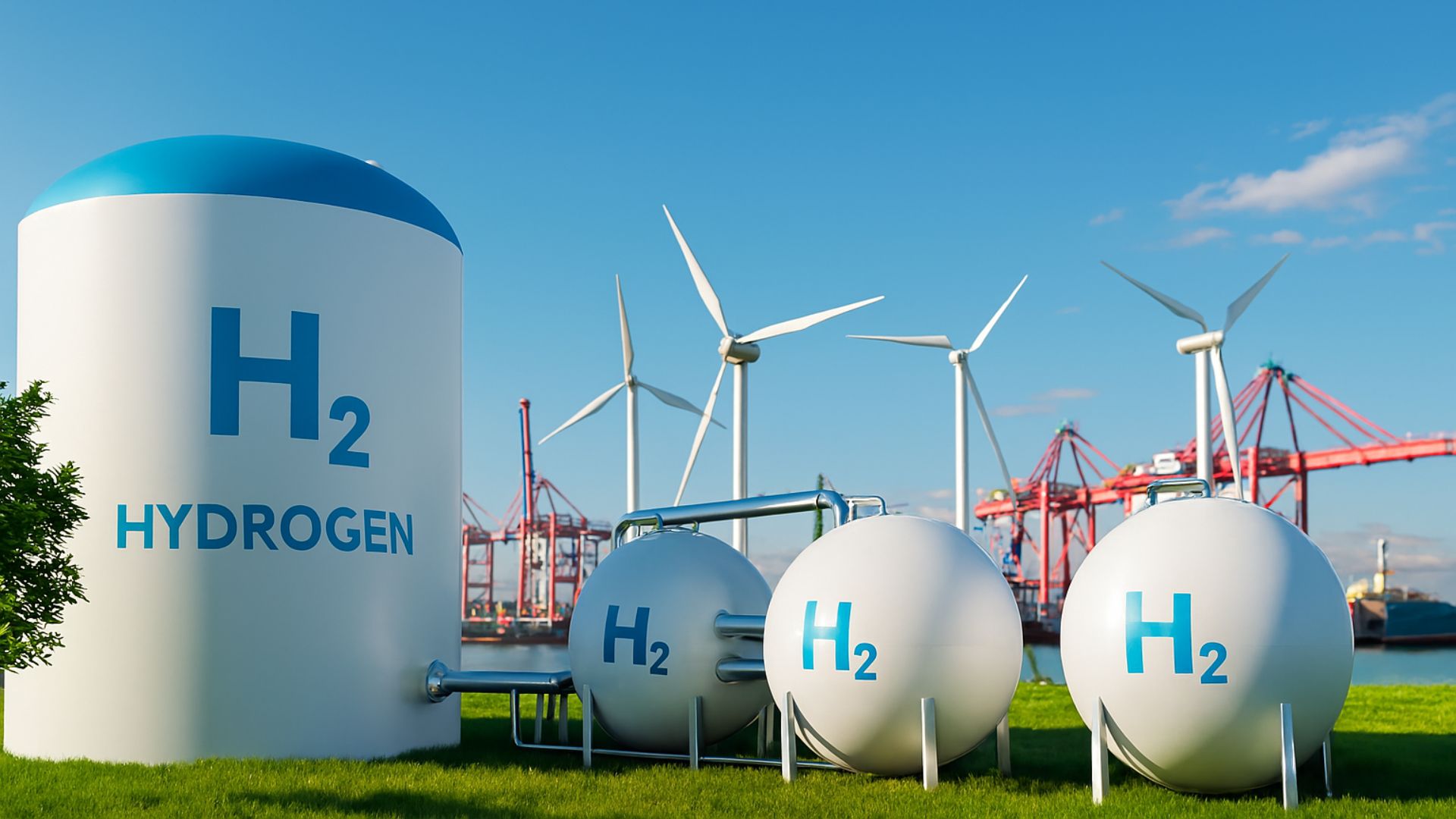
Partnership Between the Pecém Complex and the Port of Rostock Boosts the Green Hydrogen Corridor, Strengthening Brazil-Germany Cooperation and Accelerating Sustainable Energy Transition
In a decisive step for the global energy transition, the Pecém Complex signed a memorandum of understanding with the Port of Rostock, in Germany. According to a statement released by the Government of Ceará this Friday (17), the objective is to strengthen the Green Hydrogen Corridor Hydrogen, expanding clean energy export routes between the two countries and consolidating Ceará as an international hub for sustainable fuels.
International Partnership Strengthens the Green Hydrogen Corridor
Max Quintino, president of the Pecém Complex, stated that this agreement represents a strategic advance in consolidating Pecém as a global green energy hub. The partnership reinforces Brazil’s role as a reliable supplier of green hydrogen to the European market, aligning with the European Union’s climate goals.
The signing of the agreement between the Pecém Complex and the Port of Rostock represents a significant advance in building a logistics network focused on the transportation of green hydrogen and its derivatives, such as ammonia and methanol.
-
The Brazilian state accelerates industrial competitiveness with a focus on the extraction of strategic minerals to boost the energy transition in Goiás.
-
A Canadian retiree creates a hydroelectric system on a real river, generating energy continuously throughout the day and demonstrating how the power of water can supply a house with stability even in a simple structure.

-
Petrobras reaffirms its commitment to the market and ensures that it will carry out the energy transition safely to maintain national sovereignty.

-
Researchers discover a possible hydrogen deposit of up to 46 million tons beneath an ancient coal basin, and the volume could exceed half of the entire global production.


The initiative complements existing partnerships with the ports of Rotterdam (Netherlands) and Duisport (Germany), forming a strategic axis between Brazil and Europe. International cooperation opens concrete opportunities for economic and social development for Ceará and Brazil.
The memorandum of understanding has a validity of two years and foresees joint actions to develop logistics routes, attract investments, and promote technological innovation in the energy sector.
What Is the Green Hydrogen Corridor?
The Green Hydrogen Corridor is a multinational initiative aimed at creating safe and efficient routes for transporting hydrogen produced from renewable sources. Green hydrogen is considered one of the pillars of the energy transition, as it is a clean alternative to fossil fuels.
With the new agreement, the Pecém Complex becomes part of a logistics chain that connects northeastern Brazil to major industrial centers in Europe, contributing to decarbonization and energy security goals on the continent.
Details of the Agreement Between Pecém Complex and Port of Rostock
- Type of Agreement: Memorandum of Understanding (MoU)
- Initial Term: Two Years
- Main Objectives:
- Strengthen the Green Hydrogen Corridor
- Develop logistics routes for clean energy export
- Attract investment to the Pecém Industrial and Port Complex
- Support the European Union’s climate goals
Additionally, the agreement provides for technical and commercial cooperation between the ports, focusing on innovation, sustainability, and operational efficiency.
Economic and Environmental Impact for Brazil
The partnership with the Port of Rostock has the potential to generate significant impacts on the Brazilian economy. The state of Ceará, through the Pecém Complex, will be able to attract new investments in infrastructure, technology, and professional training.
According to data from Deloitte, the global green hydrogen market could generate up to US$ 1 trillion by 2050. Brazil, with its predominantly renewable energy matrix, is well positioned to become one of the world’s leading exporters.
The agreement expands the reach of the state’s energy corridor and strengthens our position as a global leader in the energy transition, highlighted Max Quintino.
Green Hydrogen as a Vector of Energy Transition
Green hydrogen is produced through water electrolysis, using energy from renewable sources such as solar and wind. Unlike gray hydrogen, which emits CO₂ during its production, green hydrogen is entirely clean.
Among the main benefits of green hydrogen are:
- Reduction of greenhouse gas emissions
- Efficient energy storage
- Industrial and transportation applications
- Direct contribution to the energy transition
With the advancement of the Green Hydrogen Corridor, it is possible that Brazil could export this fuel to countries facing challenges in local renewable energy generation, such as Germany and other Eastern European countries.
Pecém Complex: Strategic Infrastructure for Green Hydrogen
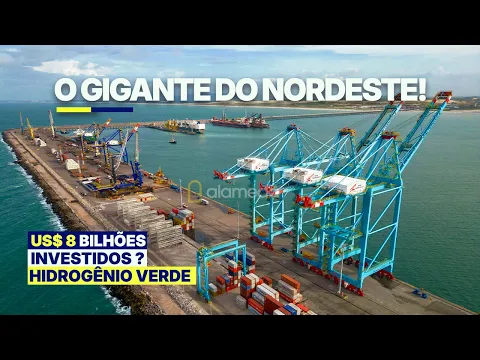
Located on the coast of Ceará, the Pecém Complex is one of Brazil’s main logistical and industrial platforms. With modern infrastructure, rail and road access, and proximity to international markets, the complex offers ideal conditions to become a hub for green hydrogen export.
Additionally, the CIPP houses companies from the steel, energy, agribusiness, and logistics sectors, creating a favorable environment for innovation and sustainability.
The strategic geographic location of Pecém facilitates the flow of products to Europe, North America, and Asia, making it a key point in the global clean energy chain.

Port of Rostock: Gateway to the European Market
The Port of Rostock, located in northern Germany, is one of the main maritime terminals in the country, with strong operations in the logistics, transportation, and energy sectors. Its integration into the Green Hydrogen Corridor enhances the capacity to receive and distribute clean fuels in Europe.
The partnership with the Pecém Complex will allow the development of joint solutions for the storage, handling, and transportation of green hydrogen, in addition to facilitating access to the European market for Brazilian companies.
Brazil and Germany: Long-Term Energy Cooperation
The cooperation between Brazil and Germany in the energy sector is not new. Since 2015, the two countries have maintained bilateral agreements focused on renewable energies, energy efficiency, and sustainable development.
With the new agreement between the Pecém Complex and the Port of Rostock, this partnership gains new momentum, aligning with the European Union’s climate goals and Brazil’s commitments under the Paris Agreement.
Germany aims to reduce its CO₂ emissions by 65% by 2030, and green hydrogen is a key piece in this strategy. Brazil, in turn, can benefit from exports, technology transfer, and the creation of skilled jobs.
Challenges and Perspectives for the Green Hydrogen Corridor
Despite advances, the development of the Green Hydrogen Corridor faces technical and regulatory challenges. Among them:
- International standardization of green hydrogen certifications
- Transport and storage infrastructure
- High production costs
- Need for public policies to provide incentives
However, experts point out that the learning curve and investments at scale should reduce costs in the coming years. The expectation is that green hydrogen will become competitive with fossil fuels by 2030.
The Future of Energy Transition Passes Through the Pecém Complex
The agreement established between the Pecém Complex and the Port of Rostock represents a milestone in building a low-carbon economy. By strengthening the Green Hydrogen Corridor, Brazil and Germany take a concrete step towards energy transition, with environmental, economic, and social benefits.
Ceará consolidates itself as a leader in clean energy exports, and Brazil reaffirms its strategic role in the global scenario. The international partnership is an example of how cooperation, innovation, and sustainability can work together to face the climate challenges of the 21st century.







-

Uma pessoa reagiu a isso.