





 Portuguese
  English
  Spanish
  5 min of reading
  0 comments


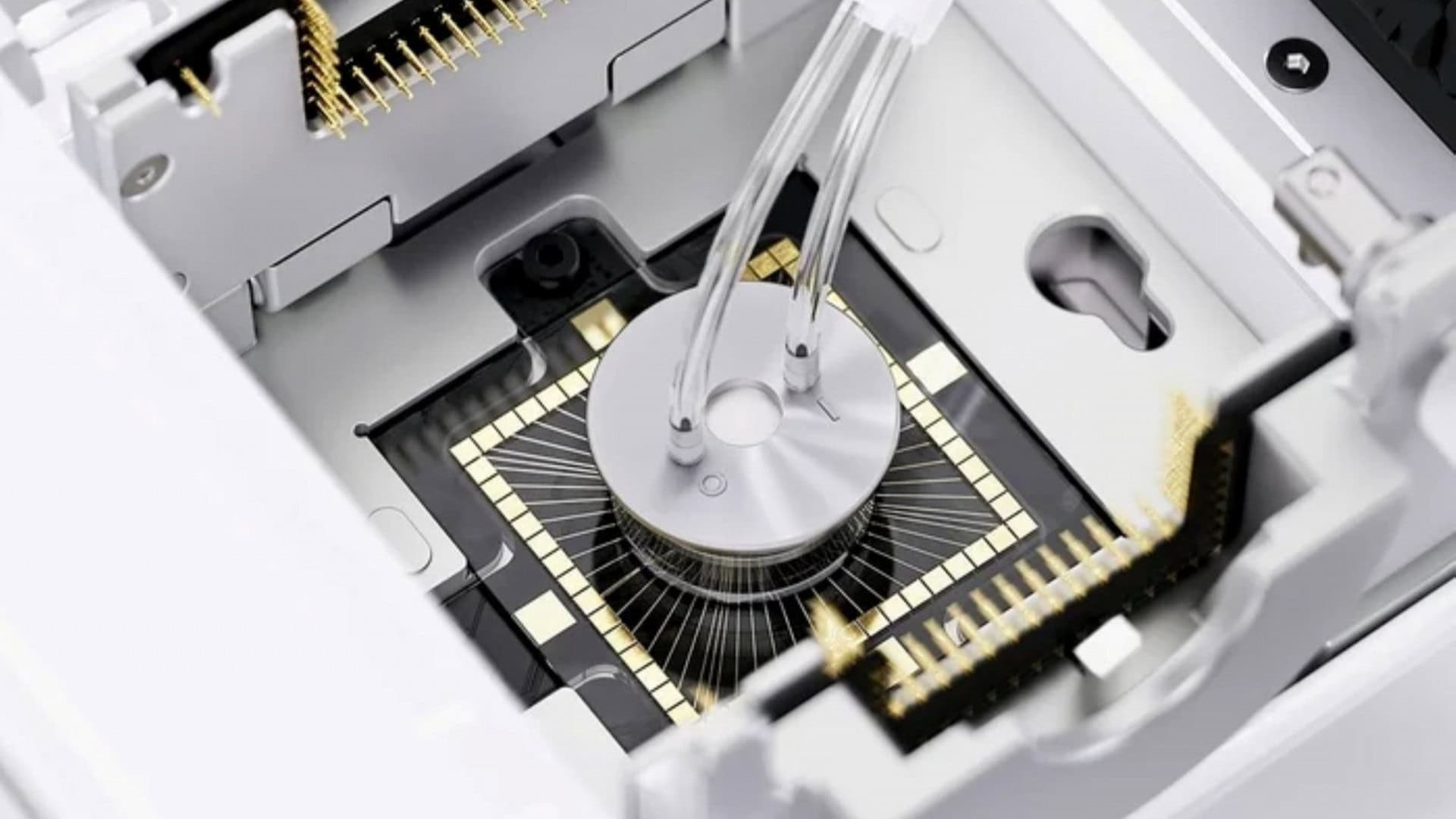
With Thousands of Cultivated Neurons, CL1 Combines Biology and Technology, Offering a New Approach to Efficient and Accessible Computing
A Australian startup called Cortical Labs has developed an innovative computer that combines human neurons and silicon circuits, according to the website olhardigital. This computer, named CL1, is already available for purchase and has the potential to transform the way we understand technology and computing. Have you ever imagined a computer that innovatively combines biology and technology?
The Revolution of Computing with Human Neurons
The CL1 consists of 800,000 neurons cultivated in a laboratory, which are carefully arranged on a silicon plate. This machine has a vital support system that keeps the cells viable for up to six months, ensuring they receive proper nutrition and temperature control. This aspect is crucial, as the survival of the cells is fundamental to the computer’s operation.
What makes the CL1 particularly remarkable is its low energy consumption. Each unit uses between 850 and 1000 watts, a value that is significantly lower than the usage by data centers powering artificial intelligences. These centers can consume dozens of kilowatts, making the CL1 a more sustainable and economical option.
-
End of the stove: new technology from Xiaomi promises to retire the old stove with a smart pot that prepares up to 16 servings in 24 minutes and has 10 automatic levels controlled by an app.

-
If Ormuz closes, the world freezes: the 1,200 km Saudi Petroline transports oil from the Gulf to the Red Sea, operates near 7 million barrels/day, and becomes a geopolitical weapon in the crisis with the US.

-
Scientists restore seagrass meadows in the open sea.

-
Scientists find about 1 million giant live eggs hatching in an active underwater volcano, discover a natural furnace on the ocean floor, and reveal one of the most unlikely nurseries ever seen in the ocean.

Impressive Performance with Neurons
In 2022, the Cortical Labs team tested a prototype called DishBrain, which was trained to play Pong, the famous arcade game. The computer, equipped with neurons, quickly learned to follow the ball and control the paddle, showing impressive results in its matches. This experiment raises questions about the learning capacity of machines formed by human cells. Do you believe that artificial intelligence could one day surpass human intelligence?
Cortical Labs scientists claim that “the neuron is self-programmable, infinitely flexible, and the result of four billion years of evolution.” This statement highlights the efficiency and adaptability of the new system compared to digital artificial intelligence models, which typically require enormous resources to simulate neural functions.
Impacts on Research of Mental Conditions
The CL1 could have a significant impact on research related to complex mental conditions such as epilepsy and Alzheimer’s. Researchers believe that the computer can be used to test neuropsychiatric drugs, contributing both to the understanding of how cells function and to the modeling of complex problems. This possibility opens new opportunities for developing more effective treatments.
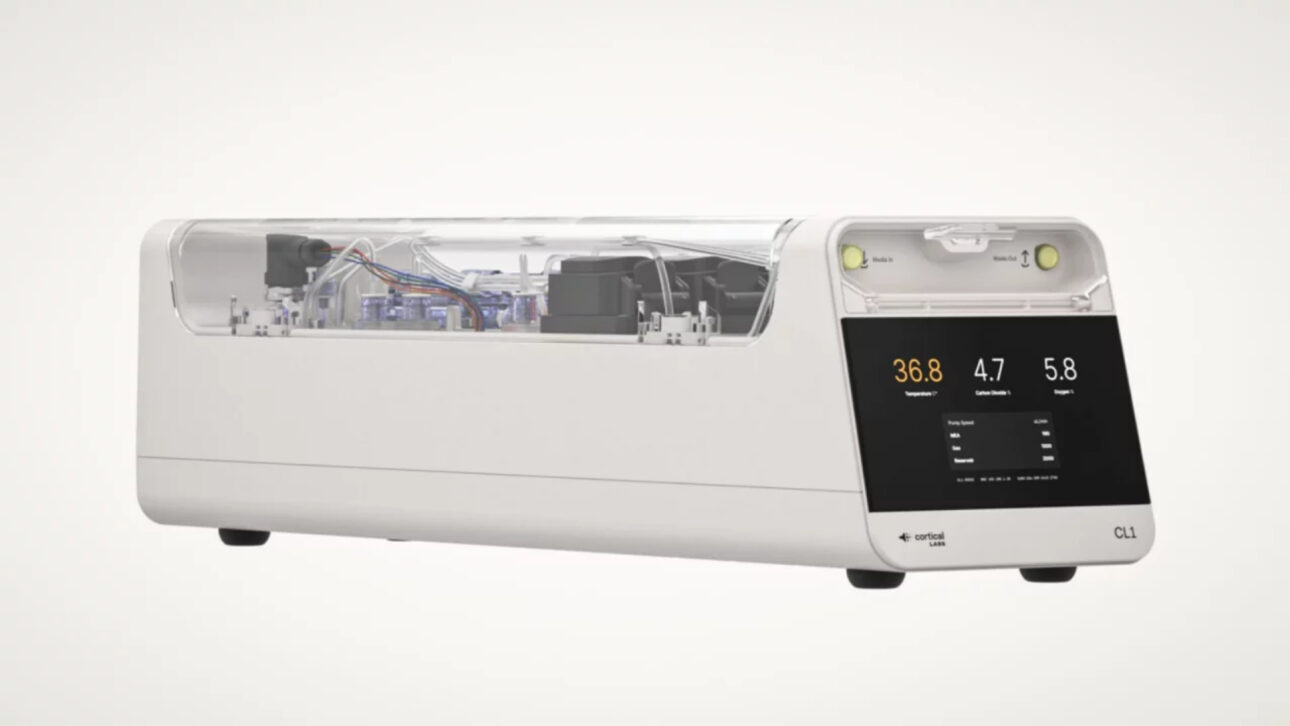
Brett Kagan, Chief Scientist at Cortical Labs, explained how the CL1 operates: “The CL1 does this in real time using simple code, abstracted through multiple layers of interactive firmware and hardware.” Loops of less than a millisecond read the information, act on it, and record new information in the cell culture. This innovative approach could open new possibilities for research in neuroscience.
Availability and Prices of CL1
The units of CL1 are on sale for 35,000 dollars each, which is approximately 189,000 reais. Additionally, its computational power can also be accessed remotely through the Cortical Cloud system, available for a subscription of 300 dollars per week (about 1,600 reais). This makes the technology accessible for research institutions and companies wanting to explore its capabilities.
For the future, Cortical Labs plans to improve the performance of the CL1 by increasing the number of neurons. Kagan stated: “Although it cost us quite a bit to produce 100,000 neurons, producing a million costs only a fraction more, and not much more for 100 million, because biology grows exponentially.” This expansion could lead to significant advances in the computational capacity of the equipment, making it even more powerful.
Future Goals of Bioengineering
The vision of Cortical Labs goes beyond simply creating a brain on a circuit board. The company aims to reach new heights in computing through bioengineering, with the ambition of developing systems that could even surpass human capabilities. Have you ever thought about the ethical implications of creating a machine that could equal or even surpass human intelligence?
Kagan concludes that “with a sufficiently advanced collection of cells, it would be possible to achieve something that could even surpass current biology.” Furthermore, he emphasizes that this approach has the advantage of being controllable, avoiding risks associated with silicon-based machines. This advancement could open doors to new forms of computing that not only imitate but also enhance brain functions.
Ethical and Social Considerations
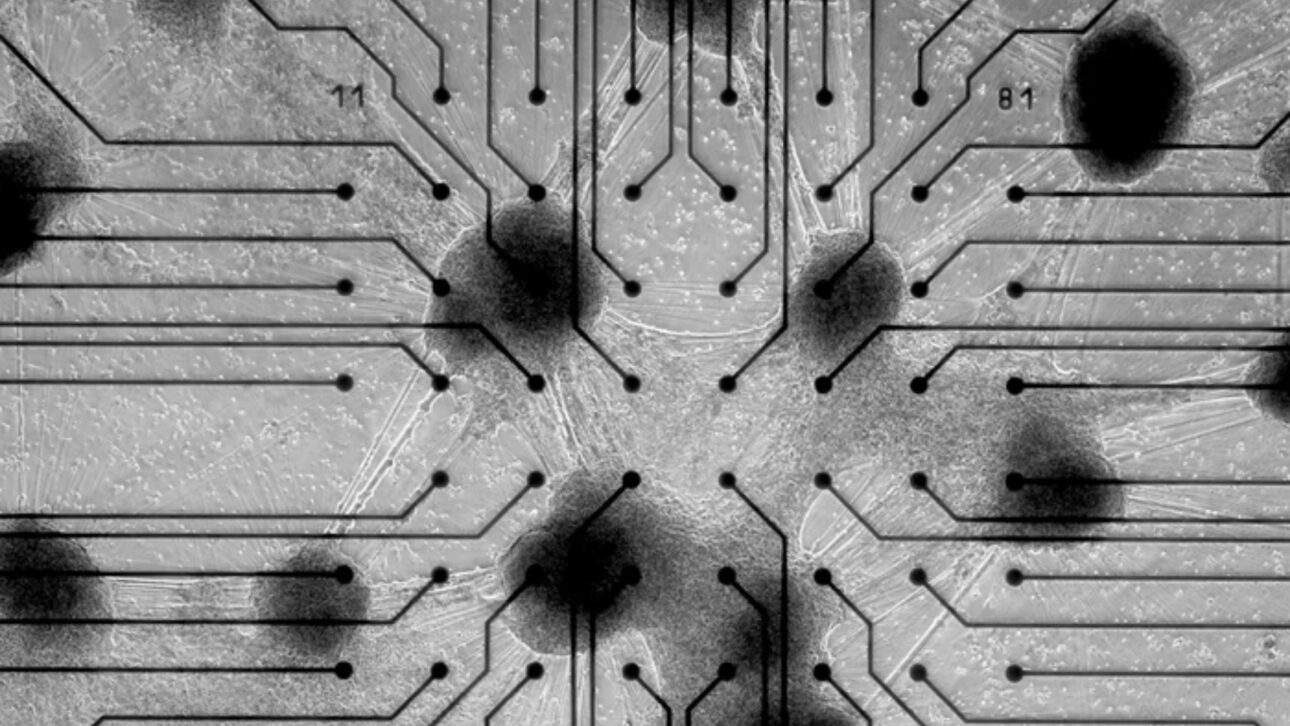
As this technology advances, it is essential to consider the ethical and social implications of this type of innovation. The combination of human neurons with silicon circuits raises a series of questions about what it means to be human and how we should treat machines that are increasingly approaching biological intelligence.
Debates about the ethics of bioengineering and emerging technologies are crucial to ensuring that these innovations are developed responsibly. As a society, we need to discuss the potential consequences of creating machines that can learn and adapt, especially in sensitive areas such as mental health.
The Future of Computing with Neurons
The development of the CL1 by Cortical Labs represents a milestone at the intersection of biology and technology. The combination of human neurons with silicon circuits could open new possibilities for computing and for treating mental disorders. Additionally, it may create new models of intelligence that are not limited to silicon.
As technology continues to evolve, the potential of CL1 and its successors could transform not only the way we interact with computers but also how we understand consciousness and intelligence itself. How do you envision the future of interaction between humans and machines?
What do you think about the use of human cells in technological applications? Do you believe that this technology will bring more benefits or risks to society? Share your views in the comments and participate in this fascinating discussion about the future of computing!







-

Uma pessoa reagiu a isso.