





 Português
  Inglês
  Espanhol
  3 min de leitura
  6 comentários


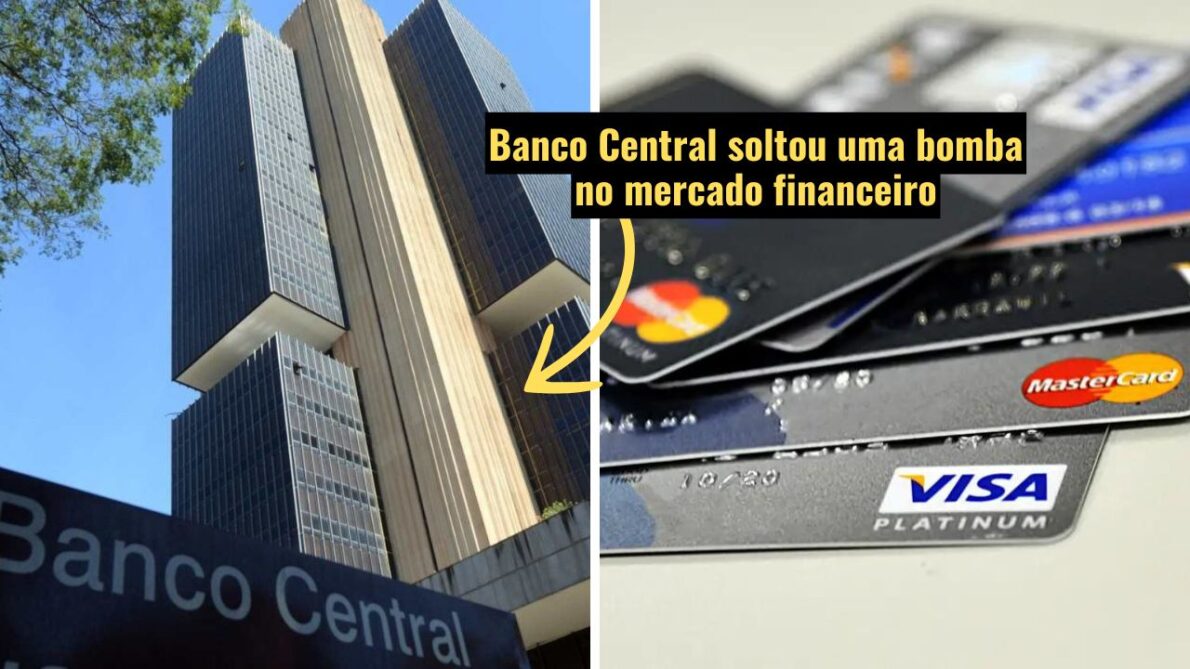

Central Bank Decisive Update May Mean The End Of Credit Cards
The Central Bank dropped a bombshell in the financial market that left many people stunned. In a decisive statement, the institution brought to light the possibility of the end of credit cards as we know them. The announcement, made unexpectedly, caught many by surprise and raised a number of speculations about the future of this payment method that is so present in the daily lives of Brazilians.
The Central Bank, which has the mission of maintaining monetary stability and ensuring the safety of the financial system, reignited the debate on the continuation of credit card usage. In recent months, rumors that this payment method was running out of time began to gain momentum, particularly due to the rise of Pix and other technological innovations in the banking sector.
Pix: The Great Enemy Of Credit Cards?
The president of the Central Bank, Roberto Campos Neto, had already hinted last year about this trend when he discussed the impact of Pix on credit card usage. According to him, credit via Pix has the power to transform the financial market, making the process of obtaining credit much simpler and cheaper for the consumer. And that’s where things get complicated for credit cards.
-
Brazilian city gains industrial hub for 85 companies that is equivalent to 55 football fields.

-
Peugeot and Citroën factory in Argentina cuts production by half and opens a layoff program for more than 2,000 employees after Brazil drastically reduced purchases of Argentine vehicles.

-
A Brazilian city gains a factory worth R$ 300 million with the capacity to process 200 thousand tons of wheat per year, a mill of 660 tons/day, silos for 42 thousand tons, and an industrial area of 276 thousand m².

-
Havan will leave the shopping mall in Blumenau to inaugurate something that the chain has never done before: a megastore in half-timbered style in the Historic Center of the city, which is expected to be completed in May and change the landscape of local retail.


With Pix, it is possible to obtain credit directly, without intermediaries, which eliminates the need to pay those annoying fees like MDR, charged by card acquirers. This could deal a serious blow to credit cards, which have long dominated installment purchases and have become an essential item in the wallets of millions of Brazilians.
Central Bank Wants To Force Open Finance: The Integration That Could Speed Up The End Of Credit Cards
Another piece of this puzzle is open finance, which the Central Bank is planning to implement more vigorously. The idea is simple: allow all your banking data to be accessible in one place, in a single application. This eliminates the need to jump from one app to another and, in turn, could eliminate the need to have multiple credit cards.
Pix continues to evolve. Now, it is already possible to make purchases on credit using the system, which fits perfectly with open finance and promises to further reduce dependence on credit cards. All of this comes with much lower costs for consumers and, of course, for merchants as well.
And Now?
Even with all these changes on the horizon, the ABECS (Brazilian Association of Credit Card Companies and Services) still believes that credit cards will remain strong and firm. They argue that consumers like to have options and that the credit card still has an important role to play, especially regarding installment payments.
However, with the Central Bank heavily investing in new technologies and the growing popularity of Pix, it becomes difficult not to imagine a future where the credit card is used less and less. Are we really witnessing the beginning of the end of credit cards? Only time will tell, but one thing is certain: the financial market is undergoing a full transformation, and in the end, it is us, the consumers, who benefit from it.
Leave your comment and share what you think about the future of the credit card and the changes that the Central Bank is promoting. We are curious to know your perspective on this subject that promises to revolutionize the financial market.









“(…) quem ganha com isso, no final das contas, somos nós, os consumidores.” Será???
Prestem atenção: a longo prazo, todo o seu dinheiro (poder aquisitivo) ficará centralizado, com o Governo.
Entendeu? Controle Estatal!
Hoje, bloqueiam o X.
Amanhã, a sua conta bancária.
Seria bom
Como vai acabar?
Como parcelar as.compras ?