





 Portuguese
  English
  Spanish
  4 min of reading
  1 comment


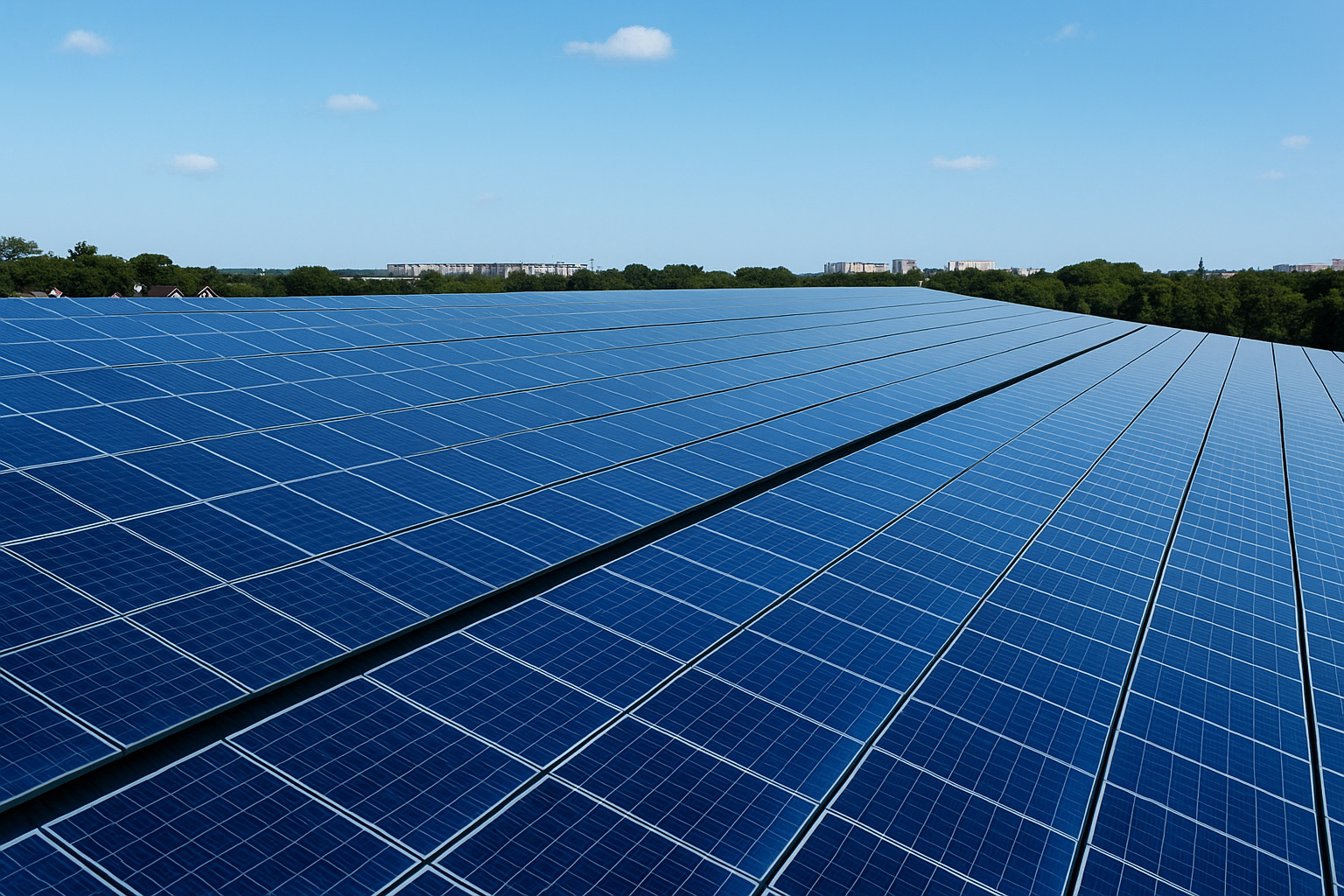

The Solar Stores Program Aims to Promote Sustainability, Reduce Costs and Increase Energy Autonomy in Agricultural Storage.
The National Supply Company (Conab) has taken an important step toward sustainability and energy efficiency by launching the Solar Stores Program.
This initiative aims to equip its warehouses with solar energy generation systems, promoting energy autonomy and reducing operational costs in its units spread across the country.
Moreover, the project represents a strategy that aligns the Brazilian agricultural sector with global decarbonization trends and the rational use of natural resources.
-
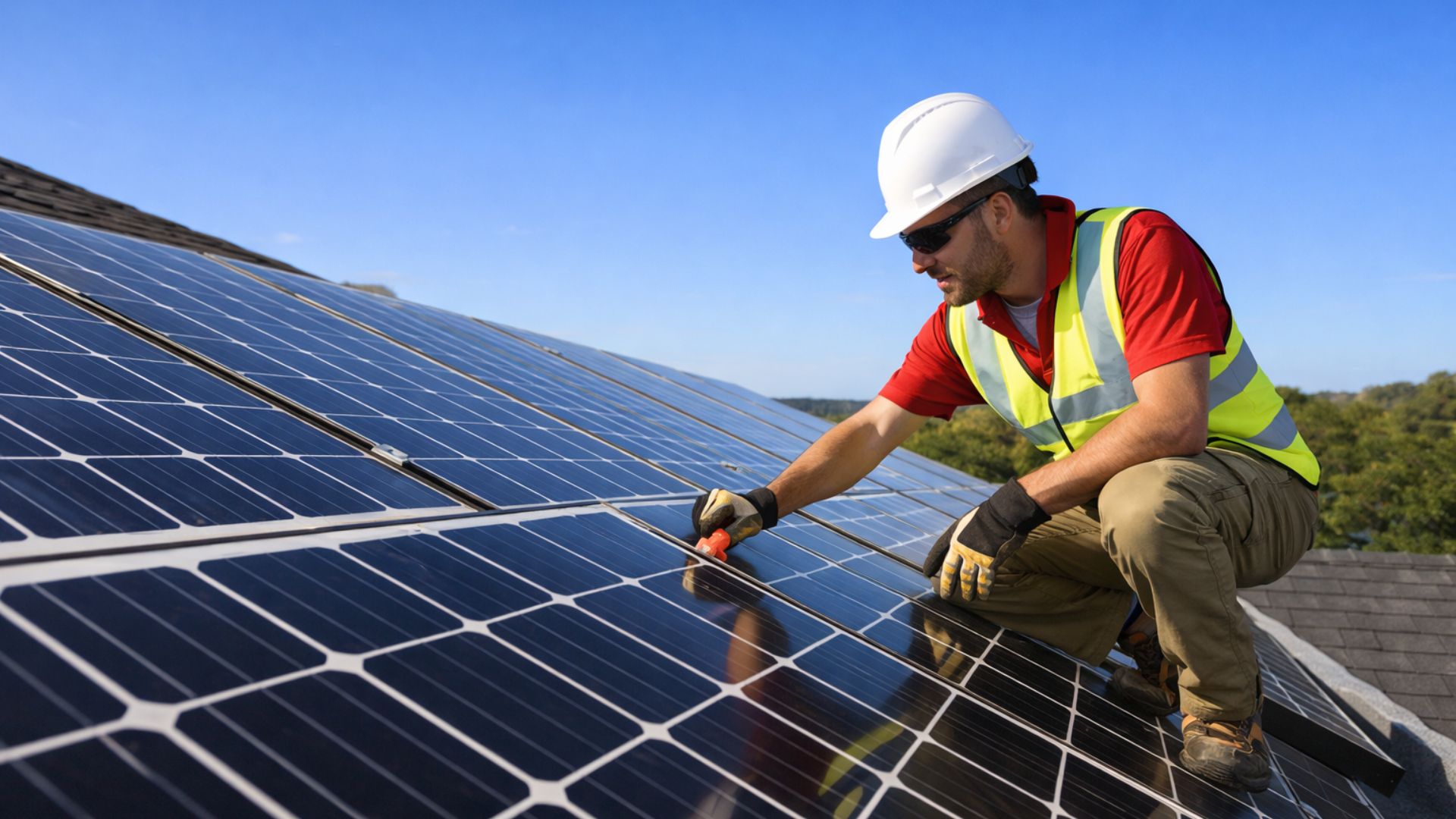
Seagri’s headquarters invests in solar energy with Neoenergia Coelba and promises to cut electricity costs, highlighting a strategic advance in sustainability and energy efficiency within state public administration.
-
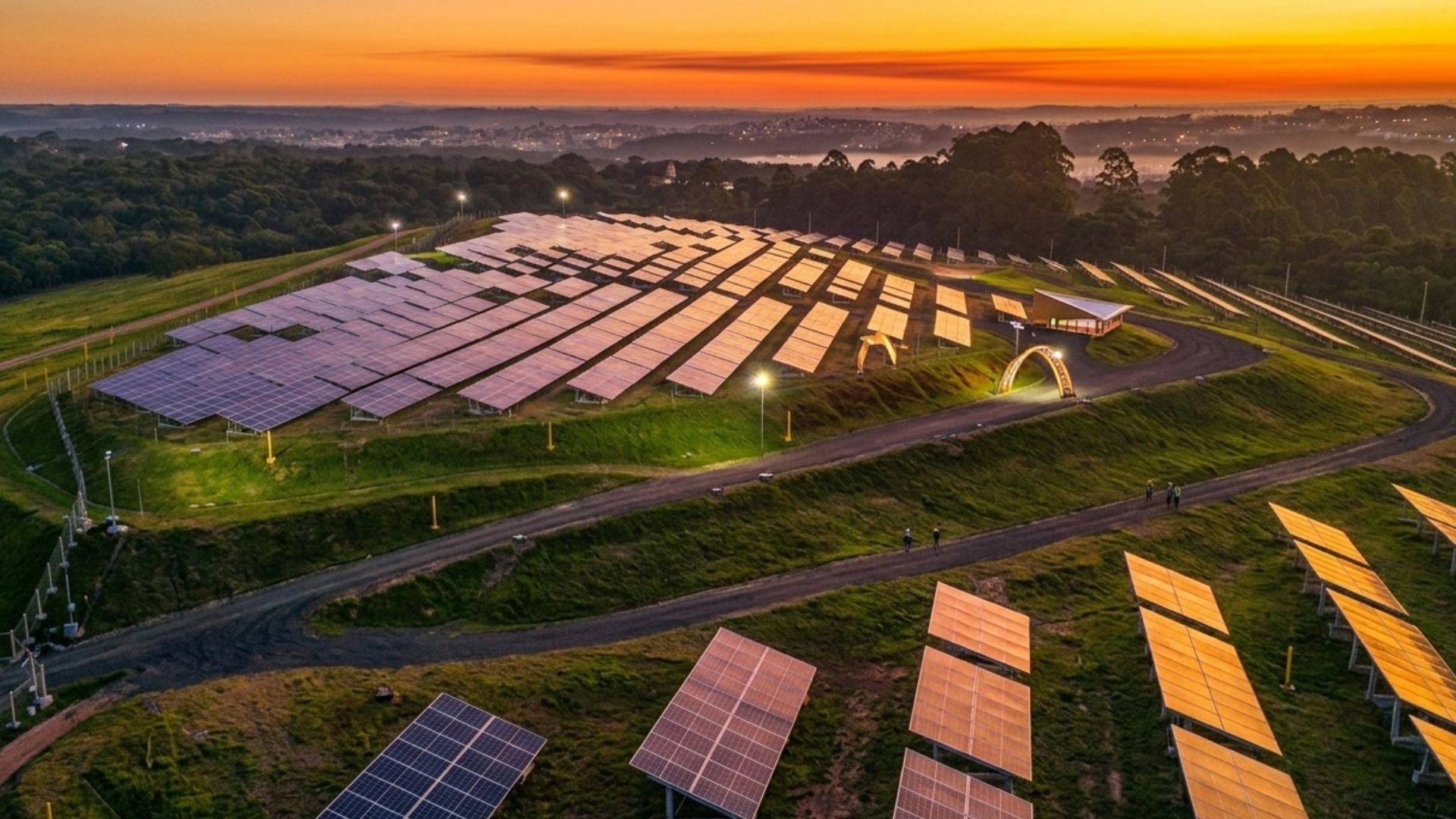
Solar Pyramid draws attention by converting solar energy into million-dollar savings and repositioning the City Hall of Curitiba as an example of innovation, sustainability, and intelligent use of public resources.
-
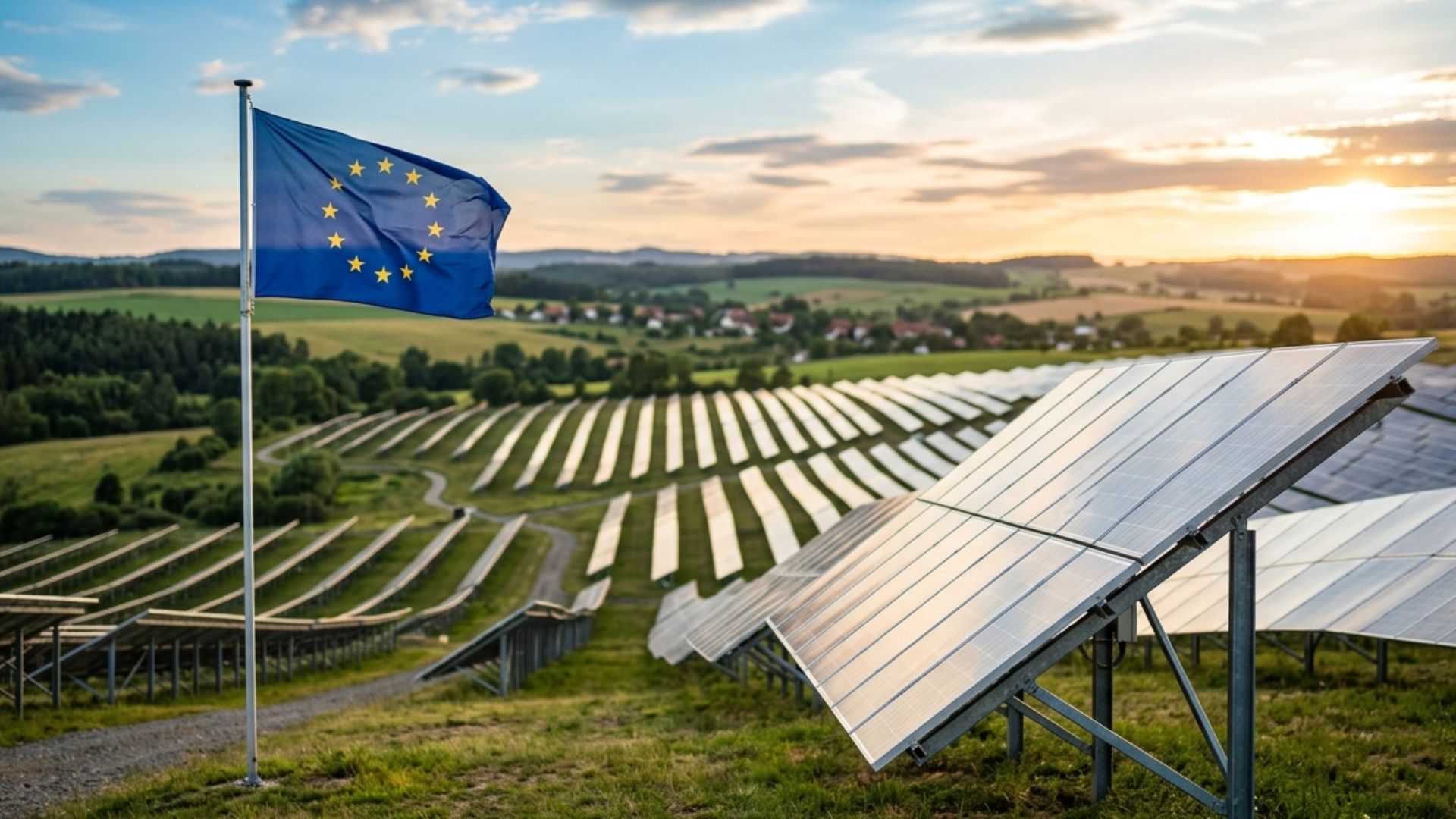
Europe records strong euro economy with solar energy in March and sparks curiosity about which country leads growth that redefines the energy market and reduces costs.
-
Piauí reaches a historic milestone in energy transition: State records nearly 160,000 households powered by solar energy and leads growth in the Northeast.
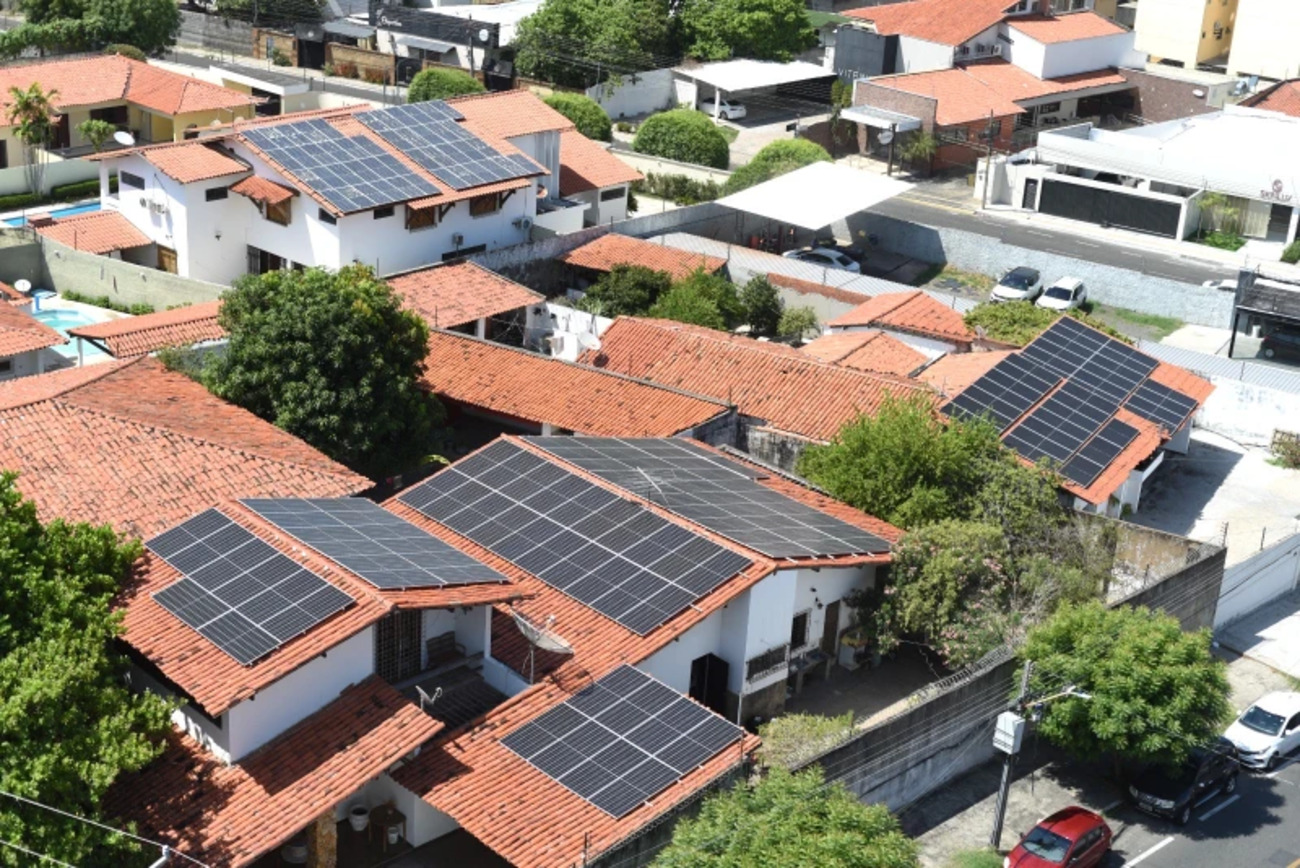

Clean Energy and the Future of Agricultural Storage
Since the 1970s, Brazil has faced the challenge of balancing agricultural development with environmental preservation.
During that period, the focus was on increasing productivity and expanding agricultural frontiers.
However, over the years, technological advancements and new environmental policies have brought a different perspective on the role of energy in the field.
Currently, with the Solar Stores Program, Conab reinforces its commitment to the energy transition by investing in renewable and low-impact environmental sources.
This shift reflects a global trend in which the public and private sectors seek to reduce dependence on fossil fuels and increase the use of solar energy, which is abundant, clean, and renewable.
With the new program, Conab expects to achieve a significant savings in electricity expenses, in addition to contributing to the reduction of greenhouse gas emissions.
Therefore, the adoption of solar panels in Conab’s warehouses is not just a financial issue but also an environmental and strategic commitment.
Historical Context and Innovation in the Field
Over the past few decades, Brazil has built one of the largest agricultural storage infrastructures in Latin America.
These warehouses are essential for ensuring the flow and preservation of agricultural products in a country with great climatic seasonality.
However, many of these locations still depend on conventional electricity, which increases costs and vulnerability to price fluctuations.
The introduction of the Solar Stores Program symbolizes a new era of innovation and energy efficiency in Brazilian agribusiness.
Additionally, the use of solar energy in these spaces reinforces Conab’s strategic role as a driver of public policies aimed at sustainability and the green economy.
Thus, the project not only modernizes storage infrastructure but also connects to the global clean energy agenda.
This agenda has been debated since the 1992 Rio Conference, which marked the beginning of a new phase of global environmental awareness.
Sustainability and Cost Reduction
In addition to boosting sustainable production, the program aims to ensure energy autonomy for the warehouses.
In this way, they become less dependent on traditional electricity grids.
With solar generation, each unit can operate more independently and predictably regarding electricity expenses.
This model proves particularly advantageous in remote regions, where access to energy is more expensive or limited.
Therefore, the initiative presents itself as a tool to strengthen food security and promote sustainable regional development.
While the direct cost savings are significant, the positive environmental impact also stands out.
Solar energy, being clean and renewable, prevents the emission of tons of carbon dioxide per year.
Thus, the program contributes directly to the fulfillment of climate goals set by Brazil in the Paris Agreement.
Socioeconomic Impact and the Role of the State
In addition to environmental benefits, the Solar Stores Program has the potential to create jobs and stimulate the national renewable energy production chain.
The installation and maintenance of photovoltaic systems create new opportunities for local businesses and specialized technicians.
Thus, the project also stimulates innovation and technological development within the country.
Therefore, investment in solar energy at Conab’s units should serve as an example for other public and private institutions.
As technology becomes more accessible, the agricultural sector can broaden the adoption of clean solutions and ensure greater competitiveness in the international market.
Furthermore, the use of solar energy reinforces the role of the State as a driver of sustainable policies and an active agent in the Brazilian energy transition.
Thus, the Solar Stores Program demonstrates that it is possible to combine efficiency, sustainability, and economic development.
Solar Stores Program: A Legacy of Energy Autonomy
The launch of the Solar Stores Program marks an important advancement in the history of Conab and the national agribusiness.
More than a technological initiative, it is a symbol of cultural change in the way the country views the relationship between production, energy, and the environment.
By investing in clean and renewable sources, Conab positions itself as a model of modern public management and committed to Brazil’s sustainable future.
Therefore, the program is likely to inspire other similar actions across various sectors of the economy.
Over time, the multiplication of projects like this can consolidate Brazil as an international reference in energy transition and responsible use of natural resources.








Fui diagnosticada com doença de Parkinson há quatro anos. Por mais de dois anos, dependi da levodopa e de vários outros medicamentos, mas, infelizmente, os sintomas continuaram piorando. Os tremores se tornaram mais perceptíveis e meu equilíbrio e mobilidade começaram a declinar rapidamente. No ano passado, por desespero e esperança, decidi experimentar um programa de tratamento à base de ervas da NaturePath Herbal Clinic.
Sinceramente, eu estava cética no início, mas, poucos meses após o início do tratamento, comecei a notar mudanças reais. Meus movimentos ficaram mais suaves, os tremores diminuíram e me senti mais firme ao caminhar. Incrivelmente, também recuperei grande parte da minha energia e confiança. Tem sido uma experiência transformadora. Me sinto mais eu mesma novamente, melhor do que me sentia há anos. Se você ou um ente querido está lutando contra a doença de Parkinson, recomendo muito que você considere a abordagem natural deles. Você pode visitar o site deles em www. naturepathherbalclinic .com