





 Portuguese
  English
  Spanish
  4 min of reading
  0 comments


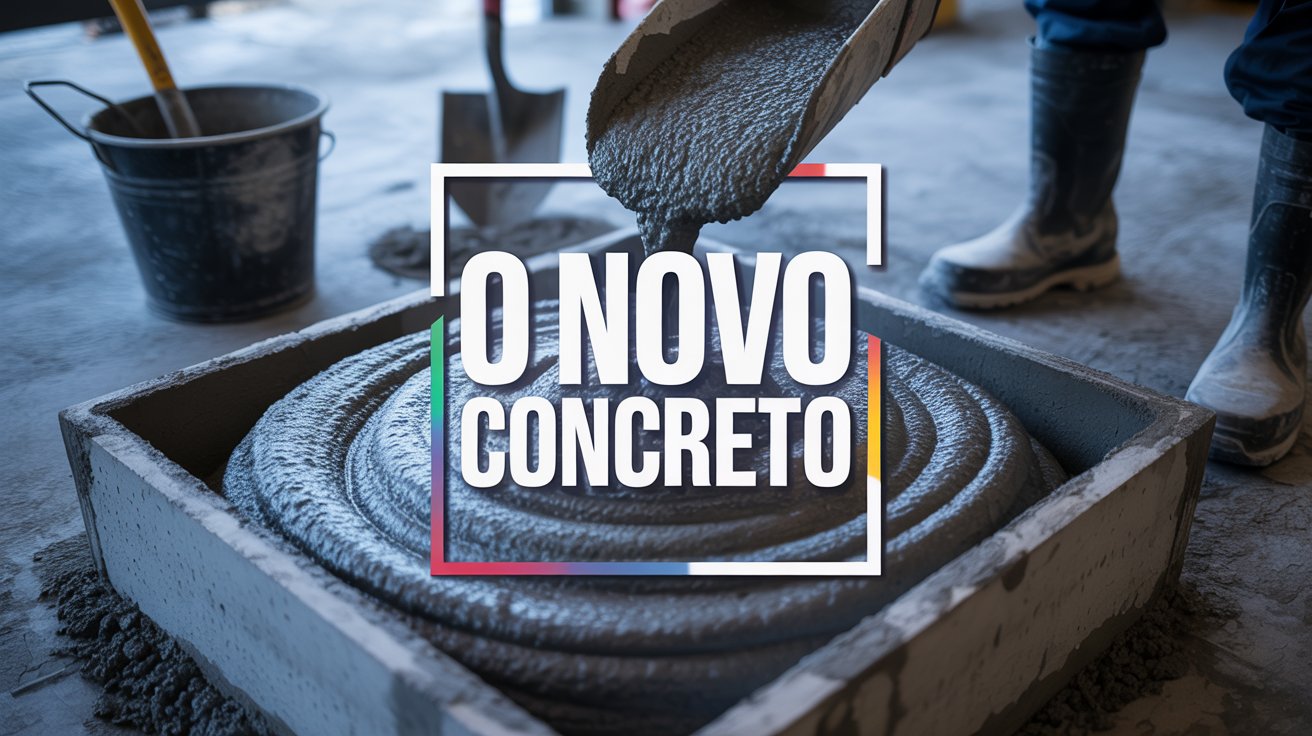
Researchers Developed A Concrete That Replaces Sand With Graphene, Resulting In A Lighter, More Resistant, And Environmentally Friendly Material. The Discovery Could Transform Construction Practices And Pave The Way For New Sustainable Standards.
Researchers at Rice University in Texas developed a cementitious composite that replaces sand with graphene derived from metallurgical coke.
In tests, the material showed a 25% reduction in weight and maintained or exceeded the mechanical performance of conventional concrete, indicating a possible route to alleviate the pressure on sand extraction and reduce emissions associated with the sector.
How The Sand Is Replaced With Graphene
The study applies the technique of instantaneous Joule heating to convert coke into graphene flakes, which serve the role of fine aggregate.
-
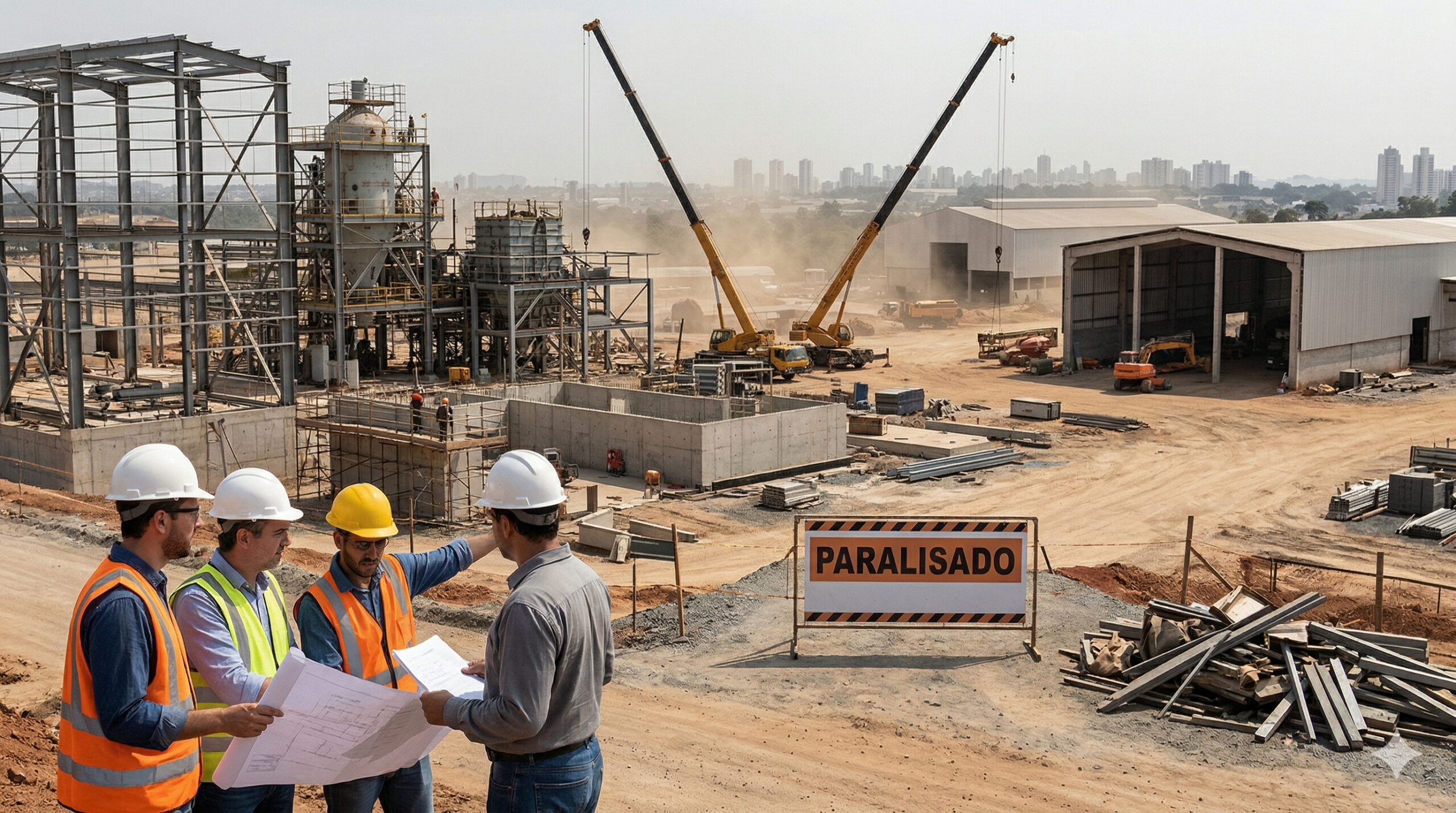
The lack of welders, electricians, and operators becomes a structural threat in 2025, with the construction industry and manufacturing already suffering from delays, cost pressures, and labor shortages in Brazil.
-
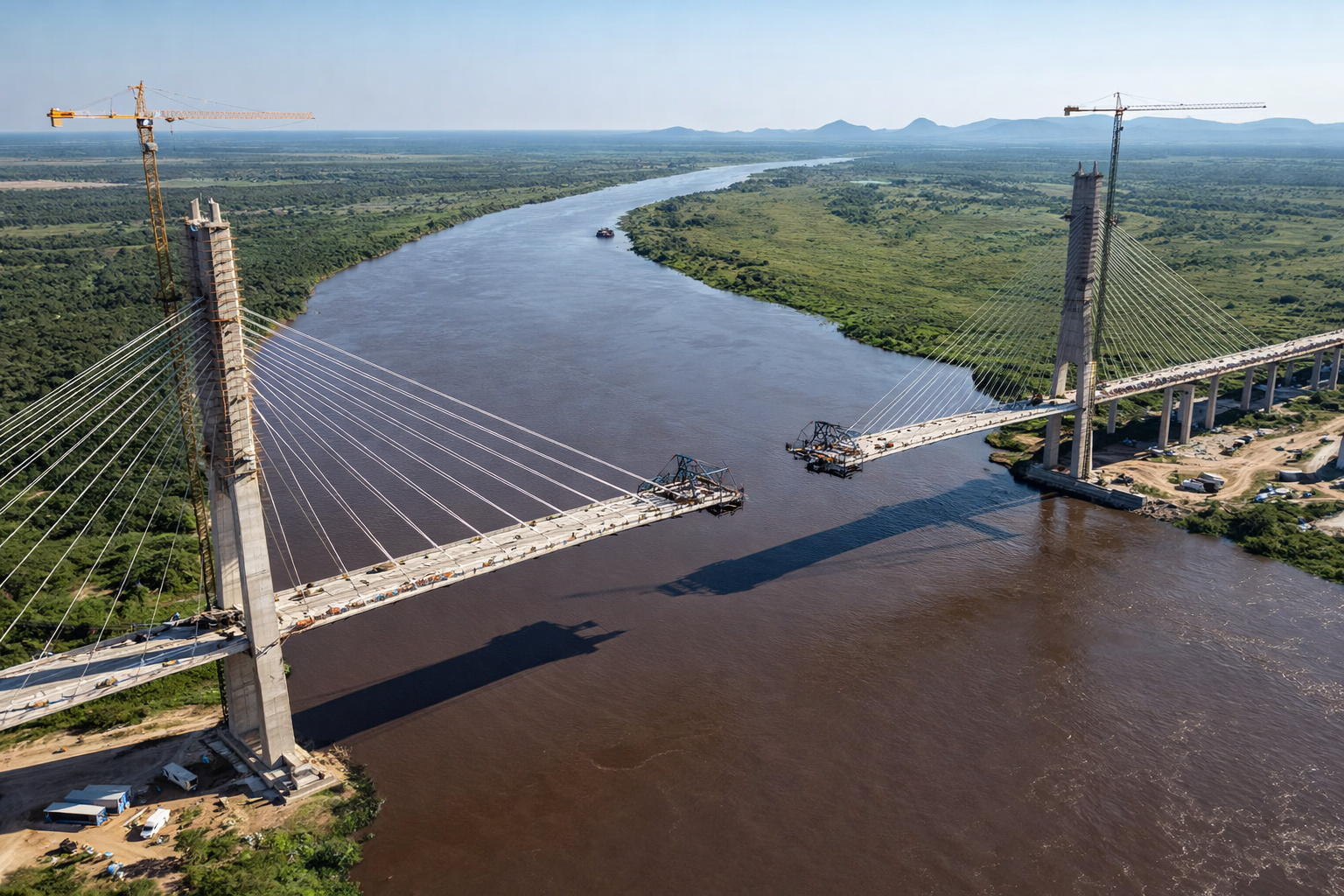
Brazil and Paraguay are just 46 meters away from a historic union on the bioceanic bridge that promises to revolutionize trade between the Atlantic and the Pacific.
-
With 55 km over the sea, a cost of US$ 20 billion, and enough steel to build 60 Eiffel Towers, China’s largest project has connected Hong Kong, Zhuhai, and Macau in a colossal bridge that defies the logic of engineering.

-
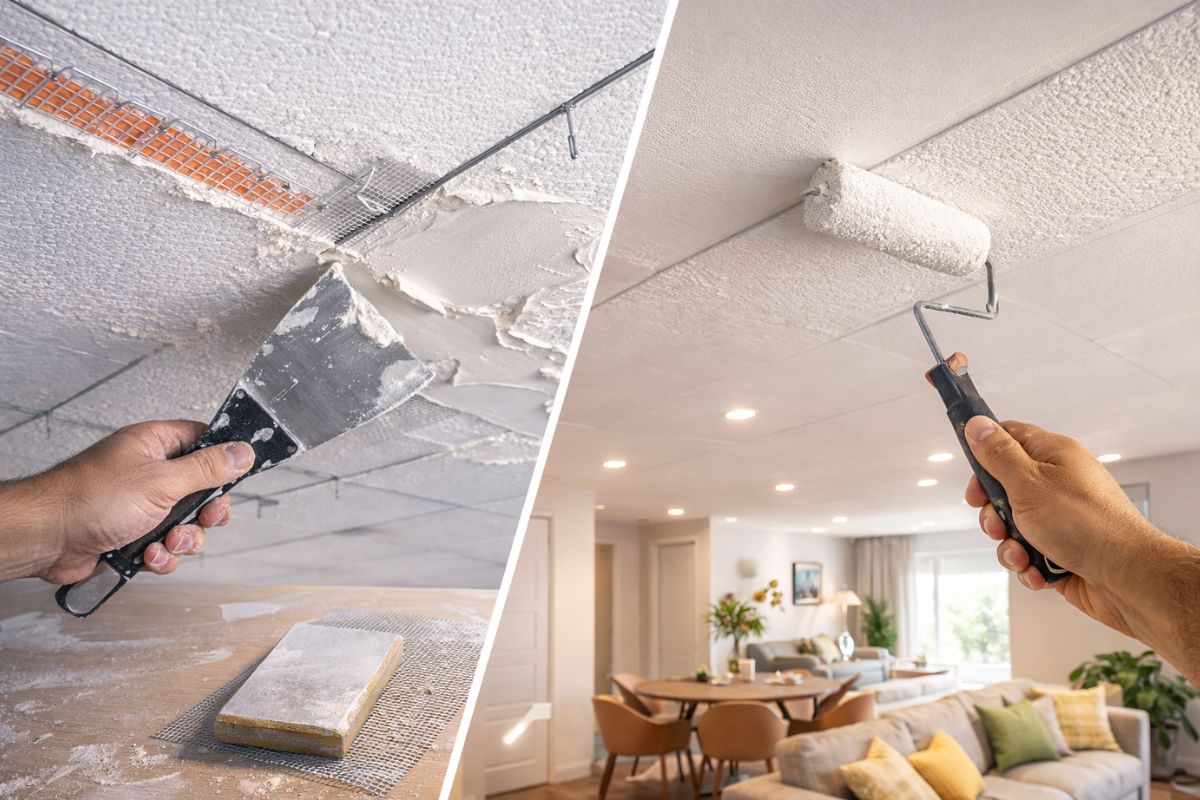
A trick with joint compound transforms a Styrofoam ceiling into a plaster-like ceiling: leveled panels, wires and mesh at the joints, sand, paint, and change the environment while spending little today.
By using this “graphene aggregate” instead of sand, the samples were 25% lighter, with a 32% increase in toughness, 33% in peak strain, and 21% in specific compressive strength.
There was, however, an 11% decrease in the specific Young’s modulus, indicating lower relative stiffness.
The authors emphasize that the performance gain per unit of mass improves the strength-to-weight ratio of the composite.
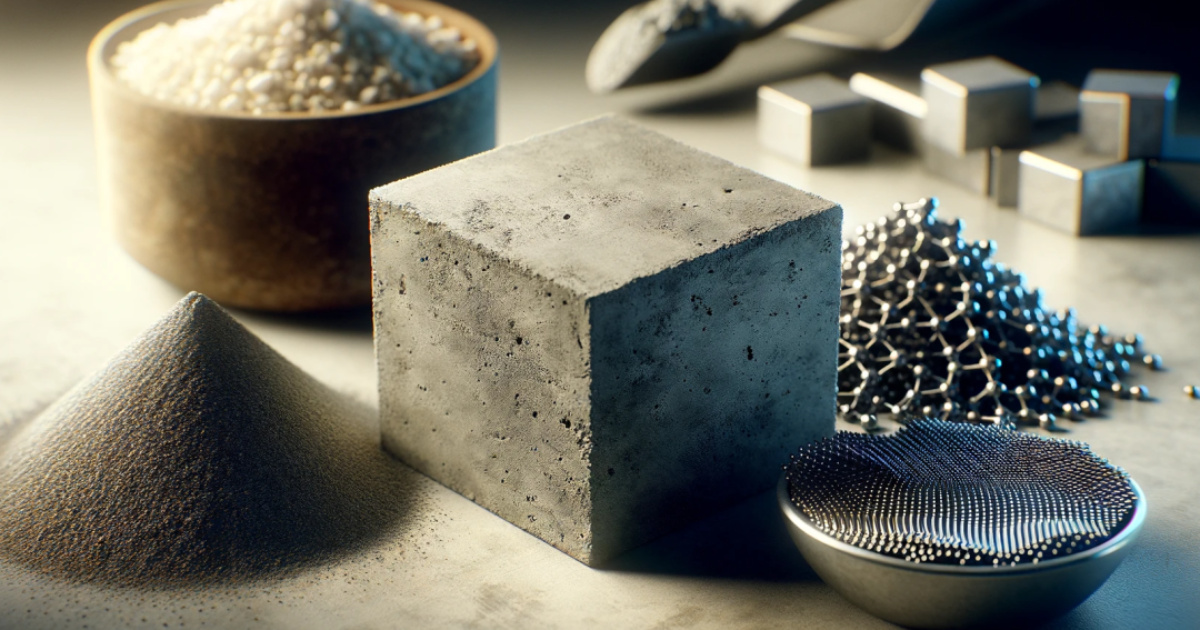
Caption (138 characters): Sustainable concrete with reinforced graphene replacing sand, lighter and stronger for innovation in civil construction. (Image: GCO Portal)
Environmental Impact: Less Extraction And Emissions
In addition to the direct effect on sand demand, whose exploitation is growing and putting pressure on rivers and coastal areas, the replacement favors a low-emission strategy.
Lighter materials require less cement to achieve the same structural performance, and the graphene produced from carbon waste can capture some of the gases that would be released during the decomposition of these wastes.
In a previous statement, Professor James Tour stated that small amounts of the material in cement paste can reduce the carbon footprint of concrete by about one-third, by allowing for less consumption and transportation of raw materials.
On the other hand, the authors themselves admit that adoption depends on scale and cost.
The technology has the potential to reduce dependence on natural resources and, at the same time, improve performance, but still needs to go through stages of standardization, proof of durability, and economic feasibility to migrate from the lab to construction sites.
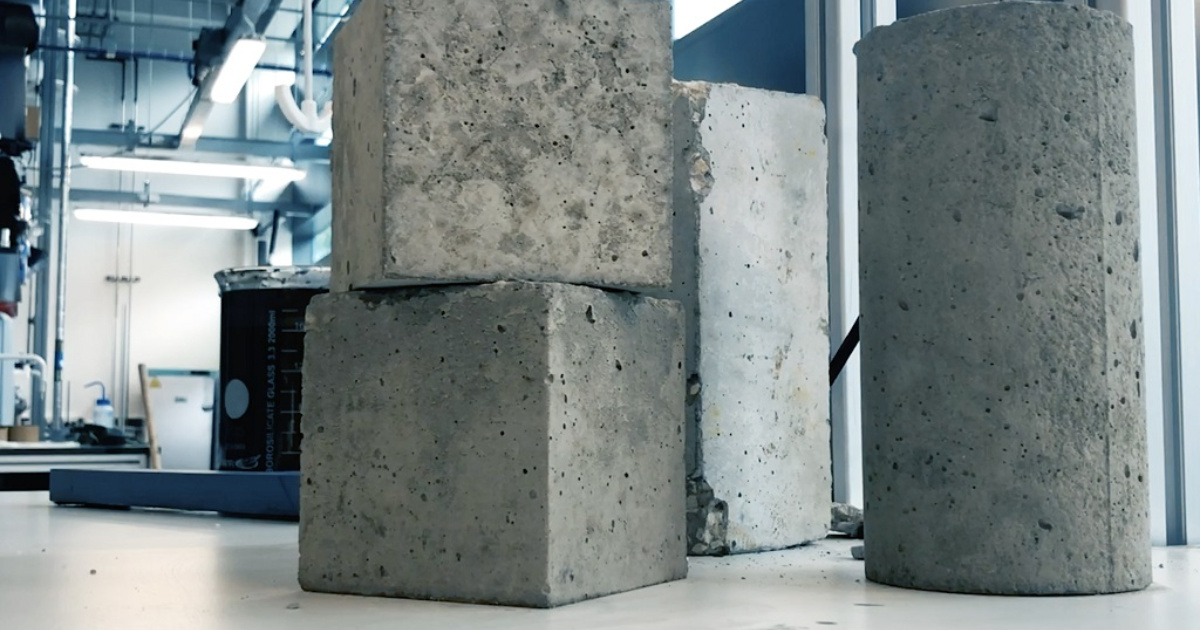
Caption (131 characters): Modern concrete blocks reinforced with graphene, more durable and sustainable for the future of civil construction. (Image: The Realty Today)
Graphene Costs And Economic Challenges
The price of graphene varies according to quality and production method. Market references cited by Rice indicate a range of US$ 67,000 to US$ 200,000 per ton for high-quality materials — not per kilogram.
The team itself acknowledges that “it will take some time for the price of graphene to become low enough” to make the solution viable on a large scale.
Meanwhile, metallurgical coke, the starting input, has a cost comparable to sand and accounts for about 10% of the total cost of concrete, which may help in the equation when graphene production scales up.
In the meantime, parallel studies have been testing very low doses of graphene or graphene oxide as an additive (and not a substitute for sand) to enhance cementitious matrices with gains in strength and durability, reinforcing the trend of incorporating two-dimensional materials into construction.
These gains, however, depend on formulation and dosage, varying according to the type of graphene, content, and compatibilization with the cement paste.
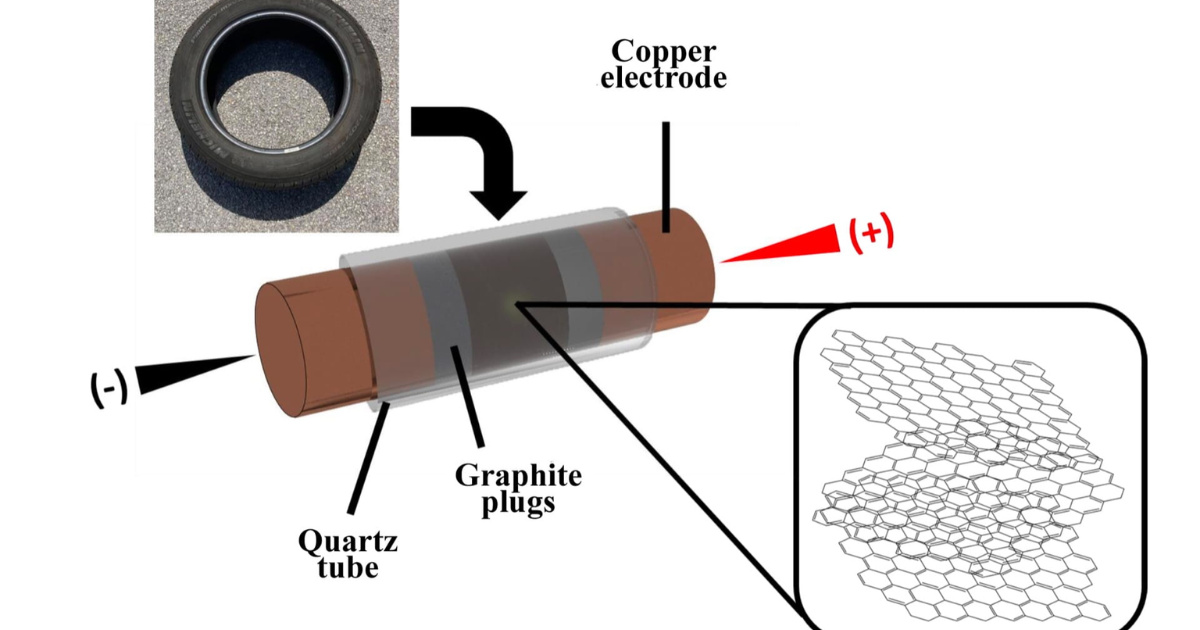
Caption (140 characters): Flash graphene process transforms tires or waste into graphene to replace sand in concrete, promoting sustainability. (Image: Innovations-Report)
What The Authors Say
In a recent statement, Tour summarized the logic behind the proposal:
“By strengthening concrete with graphene, we can use less concrete for construction and it will cost less to manufacture and transport,” in addition to converting carbon from waste into graphene that returns to the cycle as a high-value input in construction.
The team emphasizes that the next step is to scale up production, adjust mixing methods, and assess long-term performance in real-world construction scenarios.
Limits And Points Of Attention
Although the mechanical results are promising, the reduction in specific Young’s modulus suggests that the composite may respond differently under certain loading conditions, requiring appropriate design engineering.
Furthermore, the homogeneity of the flake distribution, the adhesion in the paste-aggregate transition zone, and workability issues need industrial protocols to ensure repeatability and safety, especially in reinforced structures and in large-scale production.
These are typical research fronts when introducing a new aggregate or additive into cementitious matrices.

Perspectives For The Civil Construction
If graphene production through instantaneous Joule heating becomes efficient and cost-competitive, the relief on sand deposits, combined with reduced structural load and cement consumption, could reconfigure design and logistics practices in the sector.
At the end, this would mean less material per square meter executed, lighter transport, and potential reduction of emissions throughout the chain.
However, normalization by technical entities, regulatory acceptance, and field proof in different climates and construction typologies will be crucial for adoption.
Given this scenario, the question that remains for construction companies, designers, and public agencies is straightforward: Is the Brazilian market ready to test, certify, and scale a sand-free concrete based on graphene, if the costs add up?







Seja o primeiro a reagir!