





 Portuguese
  English
  Spanish
  3 min of reading
  0 comments


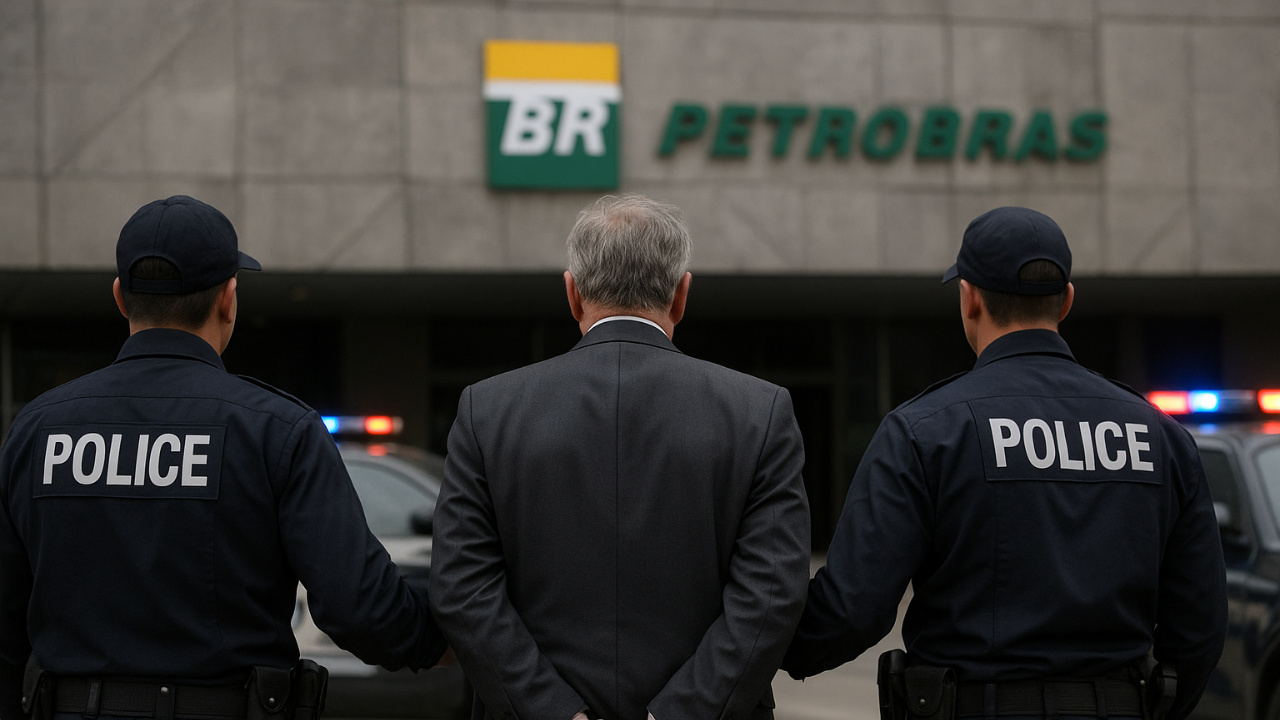
Oil Market Trader Sentenced to 15 Months in Prison in the United States for Paying Bribes Linked to Petrobras. Case Involves Energy Companies, Million-Dollar Fines, and International Cooperation.
A legal case in the United States has again shed light on illegal practices in the global oil trade, involving bribery, privileged access to strategic information, and million-dollar contracts.
American authorities confirmed the conviction of an energy sector trader for corruption crimes linked to Petrobras, an episode that also mobilized Brazilian investigators.
The decision reinforces international scrutiny of the oil market, especially when it involves state-owned companies and major global traders.
-
The rise in oil prices could ensure an extra revenue of R$ 100 billion for the Federal Government, indicates a recent economic study.

-
Naturgy begins an investment of R$ 1.6 million to expand the gas network in Niterói and benefit thousands of new residences and businesses.
-
A major turn in the Justice system suspends tax increases and directly impacts oil and gas companies in Brazil by affecting costs, contracts, and financial planning, leaving uncertain what could happen to the sector if these costs had increased.

-
Brava Energia begins drilling in Papa-Terra and Atlanta and could change the game by reducing costs in oil while increasing production and strengthening competitiveness in the offshore market.

U.S. Sentence Details Corruption Scheme Linked to Petrobras
The U.S. Department of Justice announced on Tuesday (9) that Glenn Oztemel, a 66-year-old American citizen, was sentenced to 15 months in prison. He worked as a trader in the oil sector and, according to prosecutors, paid over US$ 1 million — about R$ 5.45 million — to authorities linked to Petrobras. The goal was to obtain confidential data capable of generating significant commercial advantages.
Oztemel was employed at the time by two energy companies: Arcadia Fuels and Freepoint Commodities.
The illegally obtained information was used to directly benefit these companies in strategic oil negotiations, particularly in contracts deemed highly profitable.
Disguised Payments and Use of Intermediary
According to investigations, the illicit resources were not transferred directly. They went through a Brazilian intermediary identified as Eduardo Innecco. The method included the simulation of formal contracts to conceal the true purpose of the financial transactions.
“The evidence presented at the trial showed that Oztemel and his accomplices caused Arcadia and Freepoint to make corrupt payments — disguised as supposed consulting fees and commissions — to an intermediary, Eduardo Innecco, knowing that he would pay part of these funds to Brazilian officials,” states the announcement.
Meanwhile, the companies received sensitive data from Petrobras, including information about offers made by U.S. competitors in the oil sector.
According to the Department of Justice, access to this confidential material allowed Arcadia and Freepoint to enhance their competitiveness. The advance information was crucial for adjusting commercial proposals and winning bids for oil contracts with the Brazilian state-owned company.
These strategic data “gave Arcadia and Freepoint a competitive edge in securing profitable oil contracts with Petrobras,” as described in the official text released by U.S. authorities.
Billion-Dollar Fine and International Cooperation Characterized the Investigation
In a further development of the case, Freepoint Commodities formally admitted to corruption charges in December 2023. As a consequence, the company agreed to pay US$ 98 million in fines, equivalent to approximately R$ 535 million.
Additionally, U.S. authorities highlighted that the investigation involved direct collaboration from Brazilian agencies, demonstrating the transnational nature of the investigations involving the oil market.
This type of cooperation has become increasingly common, especially in cases involving large energy companies, international financial flows, and strategic contracts related to natural resources.









Seja o primeiro a reagir!