





 Portuguese
  English
  Spanish
 5 min of reading
  0 comments


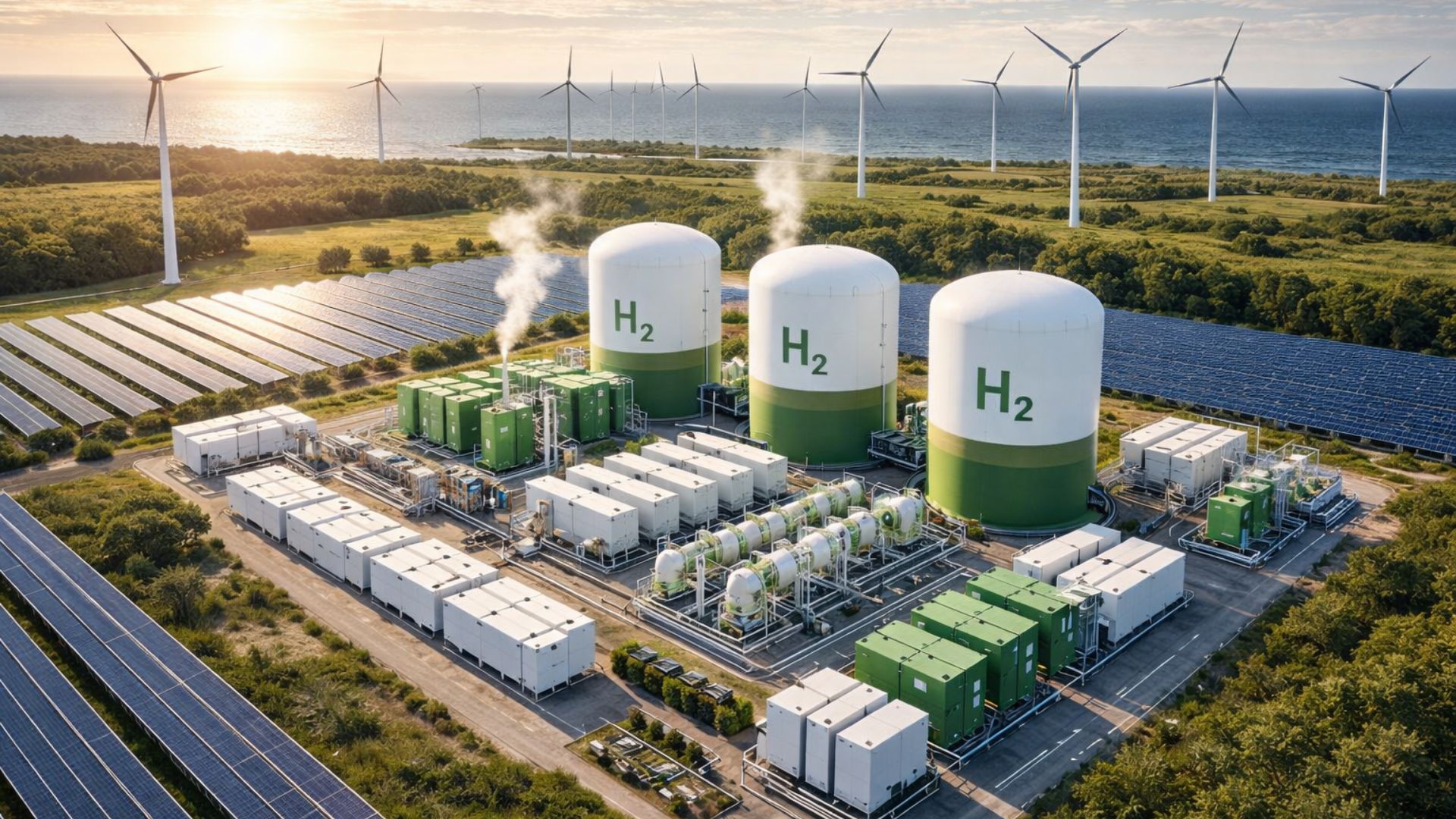
The New Resolution of Conema Defines Clear Rules for the Environmental Licensing of Green Hydrogen in Rio Grande do Norte, Increasing Legal Security and Boosting Investments in Renewable Energy
On December 23, 2025, the State Environmental Council (Conema) approved, by a large majority, a resolution that regulates the environmental licensing of projects aimed at the production of green hydrogen in Rio Grande do Norte. According to an article published by the website Tribuna do Norte, the measure creates a specific regulatory framework, enhances legal security, and strengthens the institutional environment for attracting investments in the renewable energy sector.
Conema Establishes Regulatory Framework for Green Hydrogen in Rio Grande do Norte
The decision represents a strategic advancement for the state, which already stands out nationally for generating wind and solar energy. By establishing clear rules for environmental licensing, Rio Grande do Norte now offers greater predictability for entrepreneurs, regulatory agencies, and investors interested in projects related to green hydrogen.
Furthermore, the regulation strengthens the role of the Institute for Sustainable Development and Environment (Idema), responsible for the analysis and authorization of projects, ensuring more technical rigor and transparency in environmental processes.
-
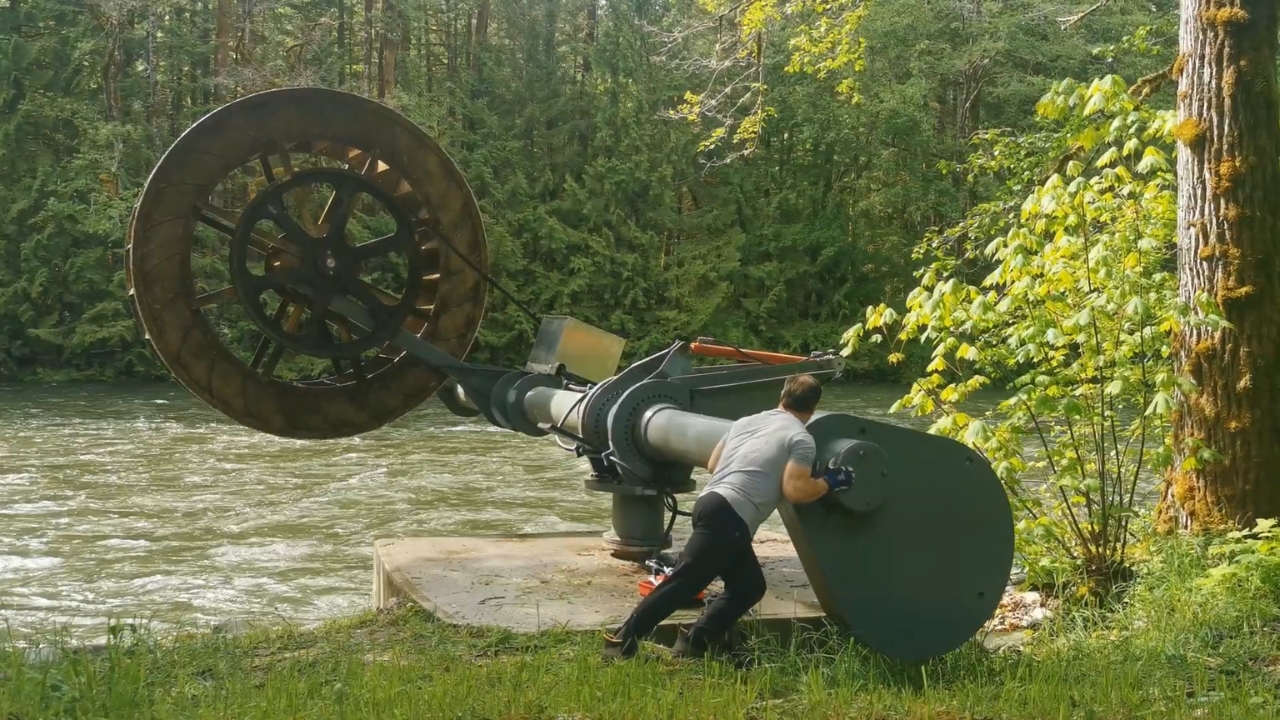
A Canadian retiree creates a hydroelectric system on a real river, generating energy continuously throughout the day and demonstrating how the power of water can supply a house with stability even in a simple structure.
-
Petrobras reaffirms its commitment to the market and ensures that it will carry out the energy transition safely to maintain national sovereignty.

-
Researchers discover a possible hydrogen deposit of up to 46 million tons beneath an ancient coal basin, and the volume could exceed half of the entire global production.

-
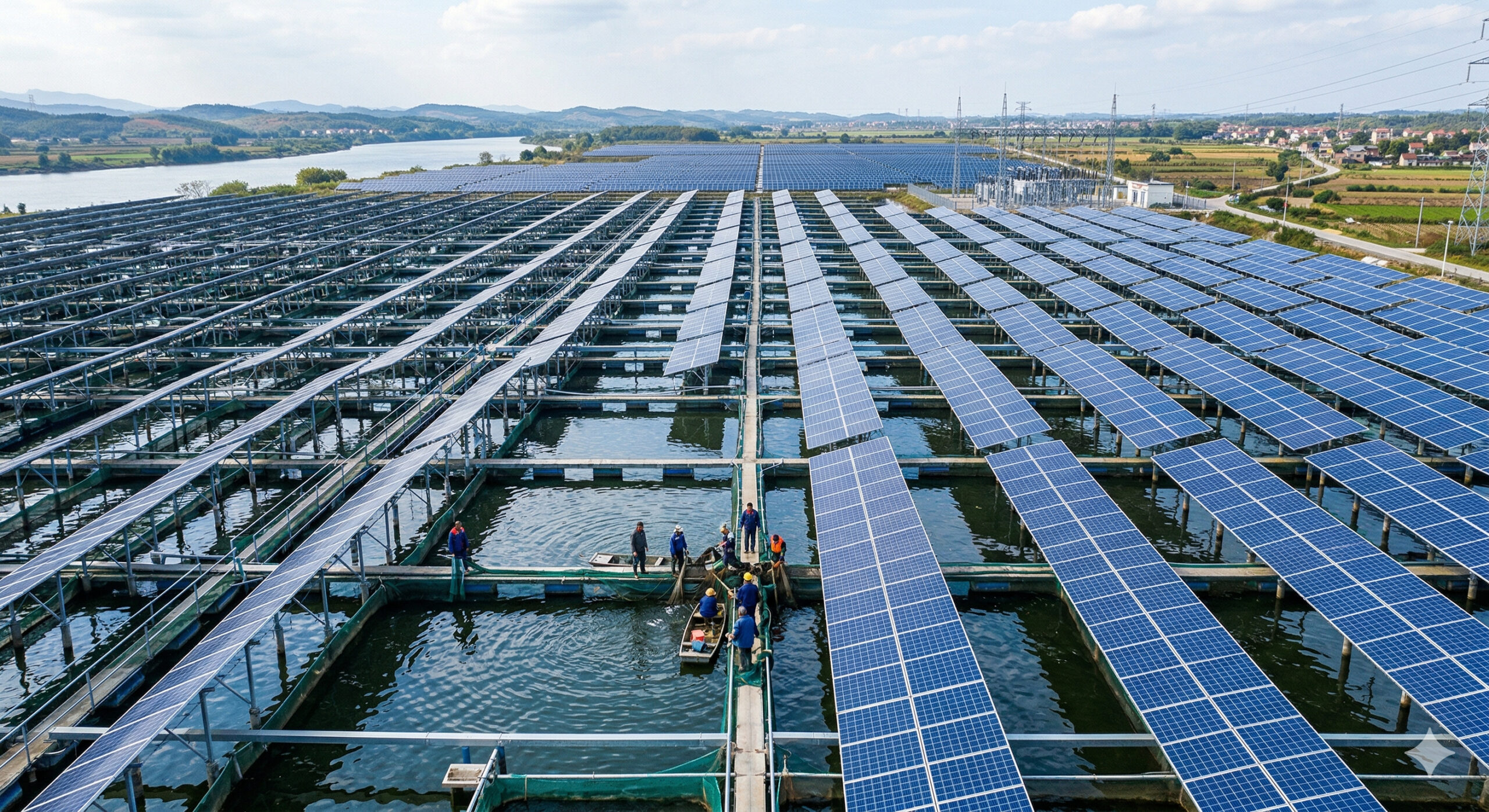
China bets on the Fishery-PV model and transforms fish farms into giant solar plants, covering ponds with panels that generate energy while utilizing the same space for large-scale aquaculture production.

The approval of the resolution by Conema consolidates an unprecedented regulatory framework in Rio Grande do Norte specifically aimed at the production of green hydrogen. Until now, the absence of specific rules generated uncertainties regarding environmental licensing procedures, especially given the technological and environmental complexity of this type of project.
With the new regulation, Conema defines technical, legal, and environmental criteria that will guide Idema’s operations. The standardization of procedures reduces regulatory risks and increases market confidence, an essential element for large-scale projects with high initial investment. The approved text recognizes the specificities of green hydrogen and seeks to align the state with practices already adopted in more mature international markets.
Environmental Licensing for Green Hydrogen Gains More Legal Security
One of the main objectives of the resolution is to provide greater legal security for the environmental licensing of green hydrogen projects. According to Conema, the regulation allows environmental analyses to be conducted more accurately, avoiding divergent interpretations and regulatory gaps.
For Idema, the new rule represents an institutional advancement. The agency now has clear guidelines that direct everything from the presentation of environmental studies to the stages of evaluation, monitoring, and impact mitigation.
Regulatory predictability reduces conflicts, accelerates processes, and strengthens the environmental credibility of the state, benefiting both the public sector and entrepreneurs.
Construction of the Regulation and Dialogue with the Renewable Energy Sector
The resolution approved by Conema was developed collaboratively by the technical teams of the State Department of Economic Development (Sedec) and Idema. The process also involved the participation of representatives from companies and entities linked to the energy sector.
According to the council, dialogue with the productive sector was crucial to ensure that the regulation was technically feasible and legally consistent. The final text reflects practices adopted internationally, respecting the environmental and territorial characteristics of Rio Grande do Norte.
Participatory construction increases the legitimacy of the regulation and favors its practical application, reducing resistance and expanding the adherence of economic agents.
Green Hydrogen and Its Strategic Role in the Energy Transition
Green hydrogen is considered one of the main vectors of the global energy transition. Produced from renewable sources, such as solar and wind energy, it allows for the reduction of carbon emissions in hard-to-electrify sectors, such as steelmaking, chemical industry, and heavy transportation.
By regulating the environmental licensing of this activity, Conema recognizes the strategic importance of green hydrogen for the energy future of Rio Grande do Norte.
The state has favorable natural conditions, such as high solar incidence and constant winds, in addition to expanding energy infrastructure. The regulation positions RN as a territory suitable for innovative projects, aligned with global decarbonization goals.
Investments and Economic Opportunities in Rio Grande do Norte
The creation of a specific regulatory framework tends to boost the attraction of investments in Rio Grande do Norte. National and international funds often prioritize regions with institutional stability, clear rules, and legal security, factors directly associated with environmental licensing.
With the rule approved by Conema, the state offers a more competitive environment for green hydrogen projects. This may not only stimulate the implementation of industrial plants but also the development of associated supply chains, such as logistics, technology, and specialized services.
The economic impact includes the generation of skilled jobs, increased tax revenue, and strengthening of the local economy, especially in regions with a vocation for renewable energies.
Rio Grande do Norte Among the Pioneer States in the Country
The initiative places Rio Grande do Norte among the few Brazilian states that already have their own rules for the environmental licensing of green hydrogen projects. This pioneering spirit reinforces the state’s leading role in the national renewable energy landscape.
The institutional recognition of Conema enhances the visibility of RN in strategic forums, attracting the attention of investors and companies interested in sustainable projects. Regulatory predictability becomes a relevant competitive differential, especially in a market still consolidating in Brazil.
This positioning strengthens the state’s image as a reference in energy innovation and sustainability.
Socio-Environmental Responsibility in Project Implementation
The resolution approved by Conema also establishes criteria aimed at socio-environmental responsibility. Environmental licensing will now consider impacts on water resources, land use, biodiversity, and surrounding communities of the projects.
According to the council, the goal is to ensure that green hydrogen projects are implemented sustainably, balancing economic development and environmental protection in Rio Grande do Norte.
The balance between growth and preservation is essential for the long-term viability of investments, as well as contributing to the social acceptance of the projects.
A New Cycle for Renewable Energy in RN
The approval of the regulation by Conema, in December 2025, marks the beginning of a new cycle for the renewable energy sector in Rio Grande do Norte. By regulating the environmental licensing of green hydrogen, the state strengthens its strategic position, enhances legal security, and creates favorable conditions for structuring investments.
The regulatory framework consolidates RN’s commitment to the energy transition, technological innovation, and sustainable development. With clear rules aligned with best international practices, the state projects itself as a protagonist in a rapidly expanding global market, reinforcing its economic and environmental relevance in the coming years.








-

Uma pessoa reagiu a isso.