





 Portuguese
  English
  Spanish
  3 min of reading
  0 comments


Authorities Minimize Tensions While Analysts See Display of Force Amid the Conflict in Ukraine!
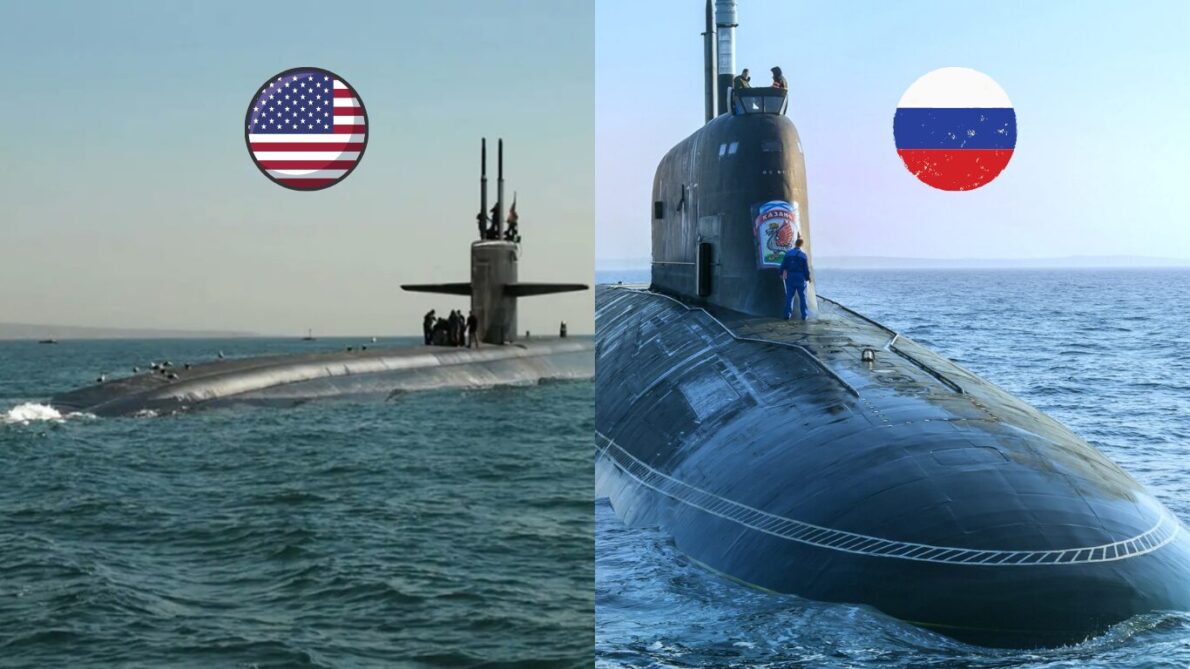
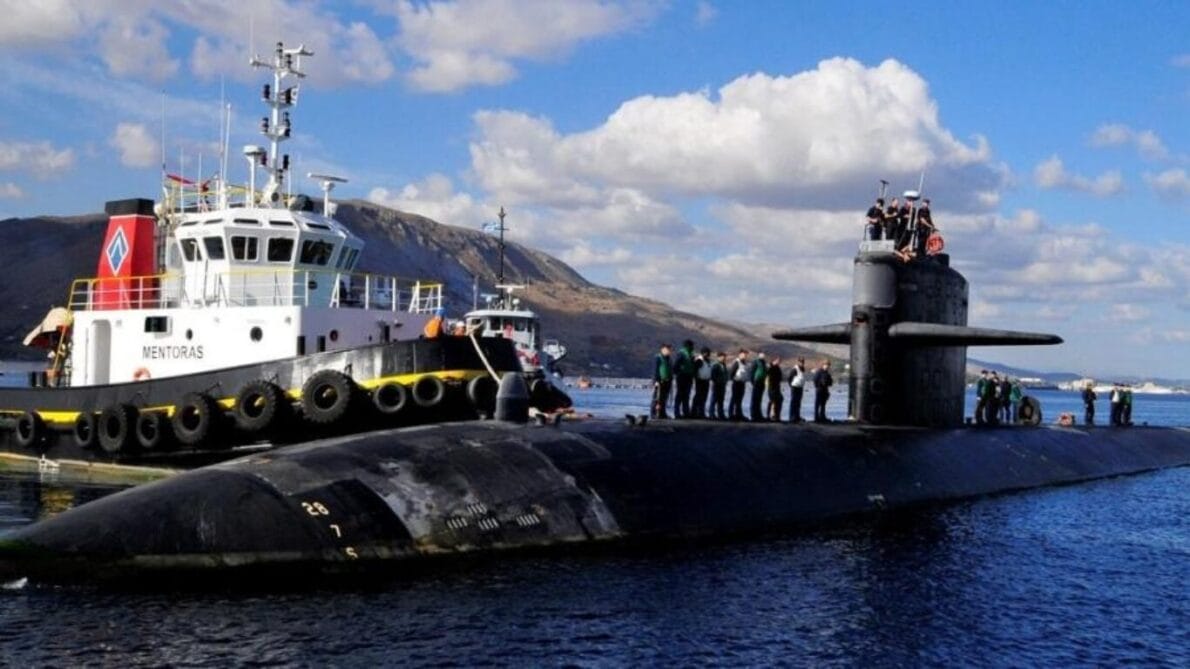
According to an examination, the movement of nuclear submarines in Cuba has generated global attention. Last Thursday, the USS Helena, a Los Angeles-class submarine arrived at the island to confront the four Russian warships, including the imposing Kazan submarine. This unusual visit is seen as an attempt by Moscow to showcase military might, especially amid increasing Western support for Ukraine.
USS Helena and Kazan: Submarine Giants Face to Face
The USS Helena (SSN-725), named after the city of Helena, Montana, is nearly 110 meters long, equipped with stealth technology to minimize its detection by radar and sonar. Launched in 1986, the submarine can carry a variety of armaments, including torpedoes, cruise missiles, and ballistic missiles, making it a formidable force at sea.
On the other hand, the Russian nuclear submarine Kazan, commissioned in 2021, measures over 140 meters and has similar capabilities in terms of speed and firepower. Both vessels are equipped for attack missions, reconnaissance, surveillance, and support for special forces over extended periods without the need for frequent refueling.
-
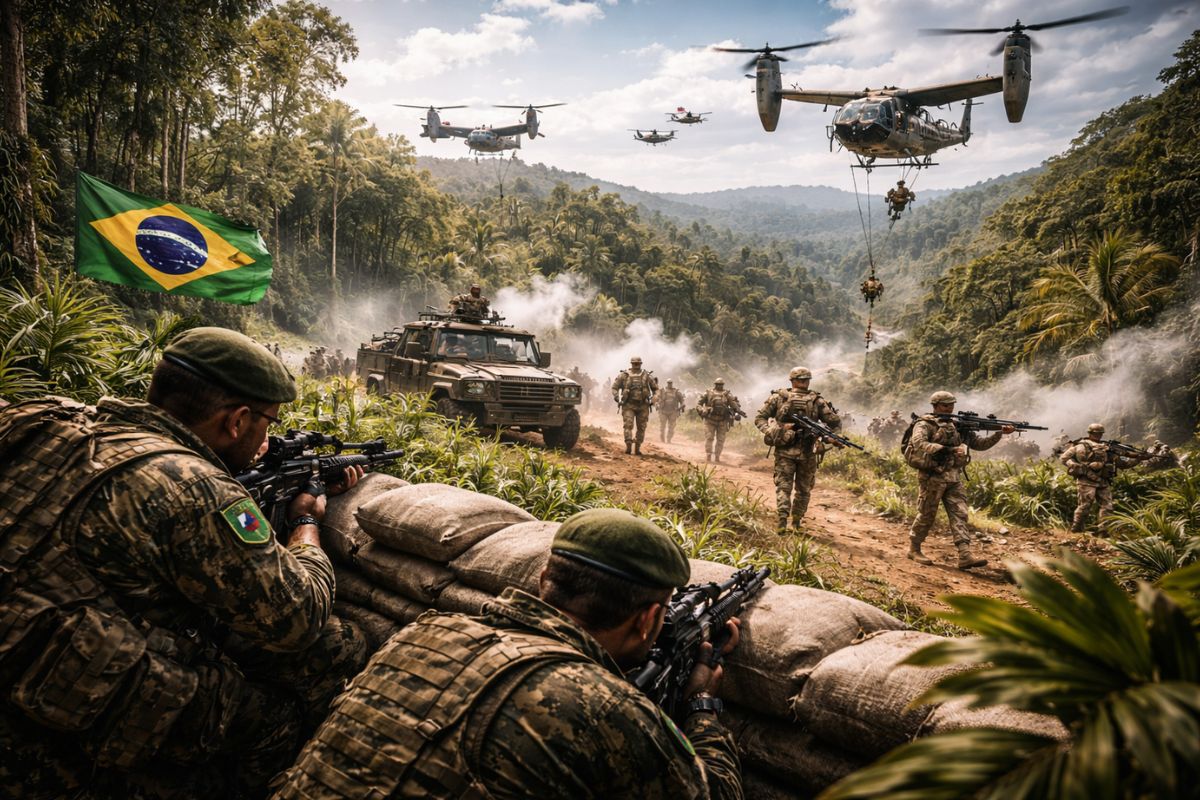
If the USA were to go to war with Brazil, Washington’s greatest fear would not be the attack itself, but facing a vast territory, prolonged resistance, and a costly, chaotic, and unpredictable occupation.
-
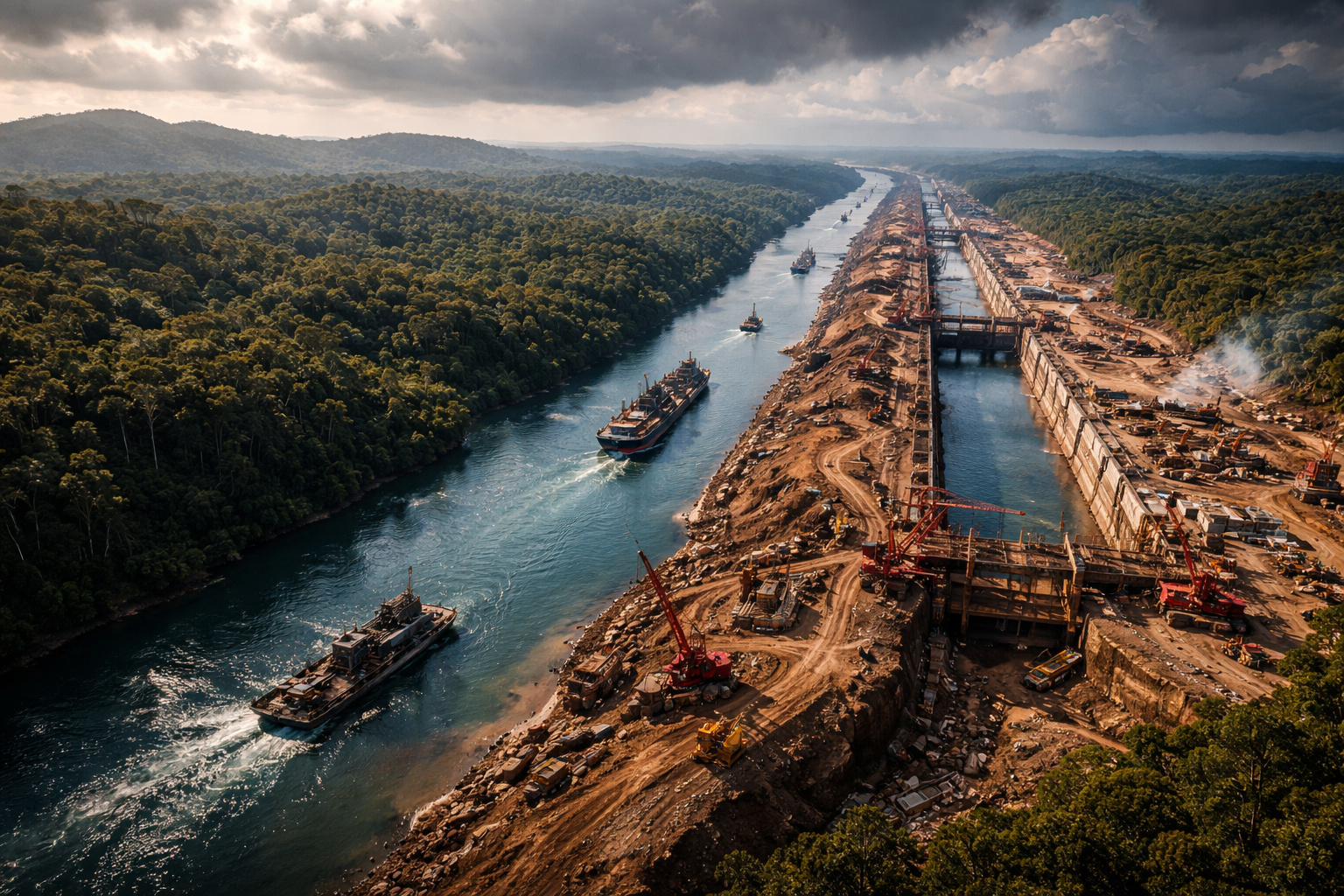
In 2013, Nicaragua sold the concession for a canal to rival Panama to a Chinese billionaire who lost 85% of his fortune, disappeared, and was declared bankrupt. Now the project resurfaces with a new route, a new Chinese partner, and a cost of $64.5 billion.
-
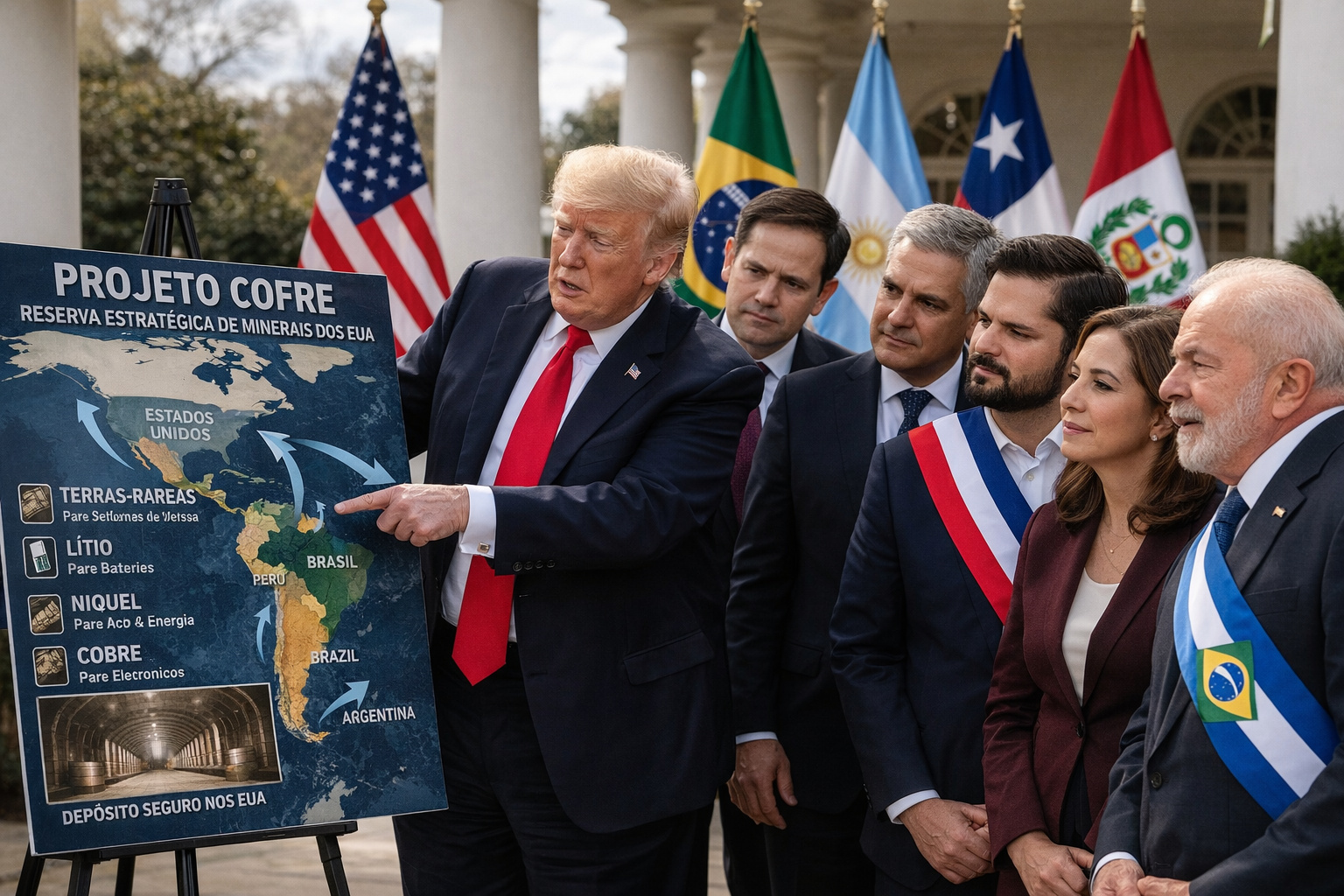
The USA announces a mysterious billion-dollar vault project to store critical minerals, but what intrigues experts is not just the plan itself, but why Latin America, including Brazil, has entered the center of this global dispute against China.
-
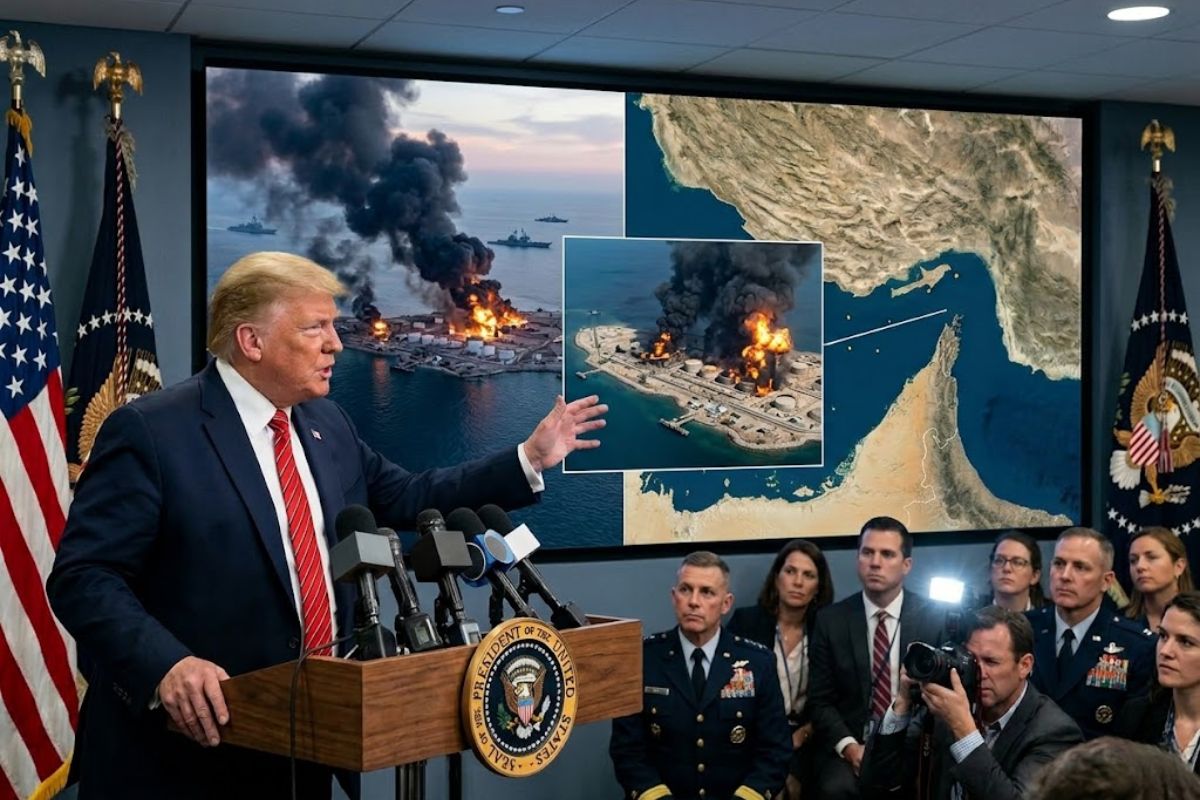
Trump Announces Bombing of U.S. Military Targets on Iranian Island Responsible for About 90% of Iran’s Oil Exports, Warns of Further Attacks if Navigation in Strategic Strait of Hormuz Is Threatened

Strategic Operations in Cuba
The presence of submarines in Cuba, although officially not threatening according to Havana and Washington, is interpreted by many as a demonstration of force by Russia. The U.S. Southern Command described the arrival of the USS Helena at Guantanamo Bay as part of a “routine port visit“, while the Kremlin downplayed concerns about the establishment of a Russian military base on the island.
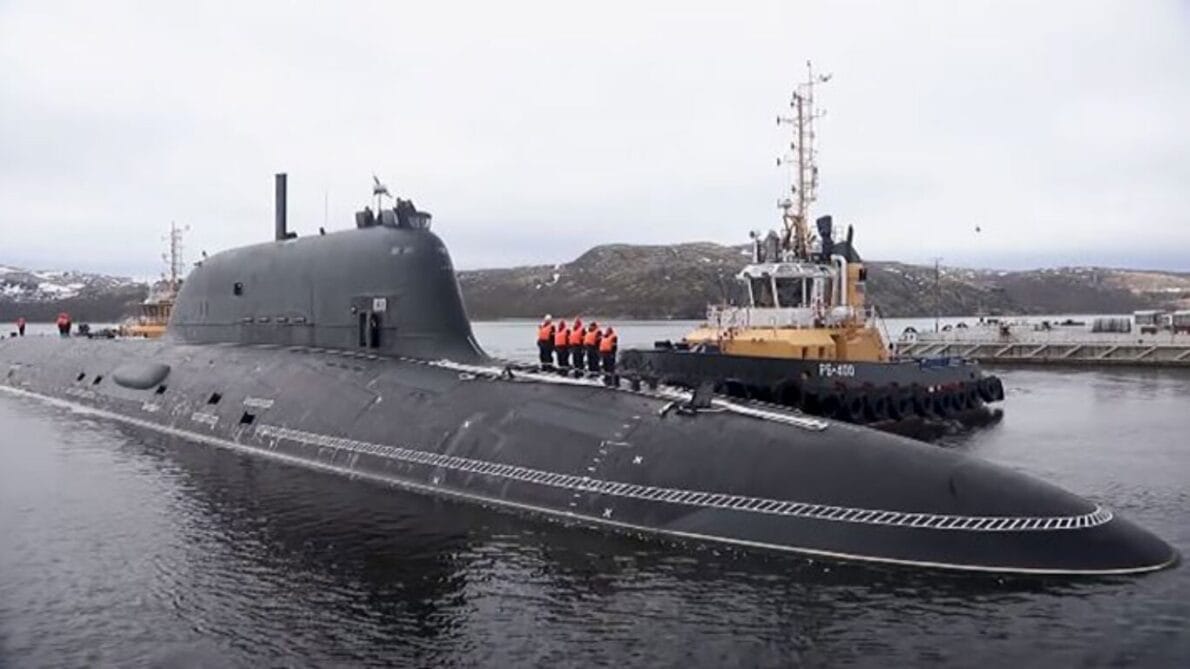
The submarine Kazan arrived in Havana on Wednesday, accompanied by the Admiral Gorshkov frigate, a tanker, and a salvage tug, after exercises in the Atlantic. Dmitry Peskov, spokesman for the Kremlin, stated that these are “normal practices for a major maritime power like Russia“, and there is no cause for alarm.
Geopolitical Context and Global Tension
The arrival of the submarines comes at a delicate moment. Recently, Russian President Vladimir Putin criticized the delivery of long-range weapons from the West to Ukraine, suggesting that Russia could respond by supplying weapons to other countries. This naval visit occurs shortly after Cuban President Miguel Díaz-Canel expressed support for Moscow and condemned the “geopolitical manipulation” by the U.S.
The U.S. Armed Forces are closely monitoring the presence of the Russian ships but claim they do not pose a direct threat. However, the movement is a clear reminder of global tensions and the delicate balance of power among nations.
Technology and Military Capacity
The USS Helena, with a crew of about 130 to 140 sailors, stands out for its advanced stealth technology and long-range strike capability. Equipped to handle various threats, the submarine exemplifies the American defense strategy.
The Kazan, representing one of the newest additions to the Russian fleet, is not lacking in terms of technology and offensive capability. Russia has significantly invested in modernizing its navy, and Kazan is a symbol of that effort, capable of operating on complex missions and for extended periods.
With this movement, both the U.S. and Russia make it clear that they continue to invest in their strategic military presence, using nuclear submarines as key pieces in their geopolitical chessboard.




Seja o primeiro a reagir!