





 English
  Francês
  Alemão
  Italiano
  Japonês
  Norueguês
  Portuguese
  Spanish
  3 min of reading
  0 comments


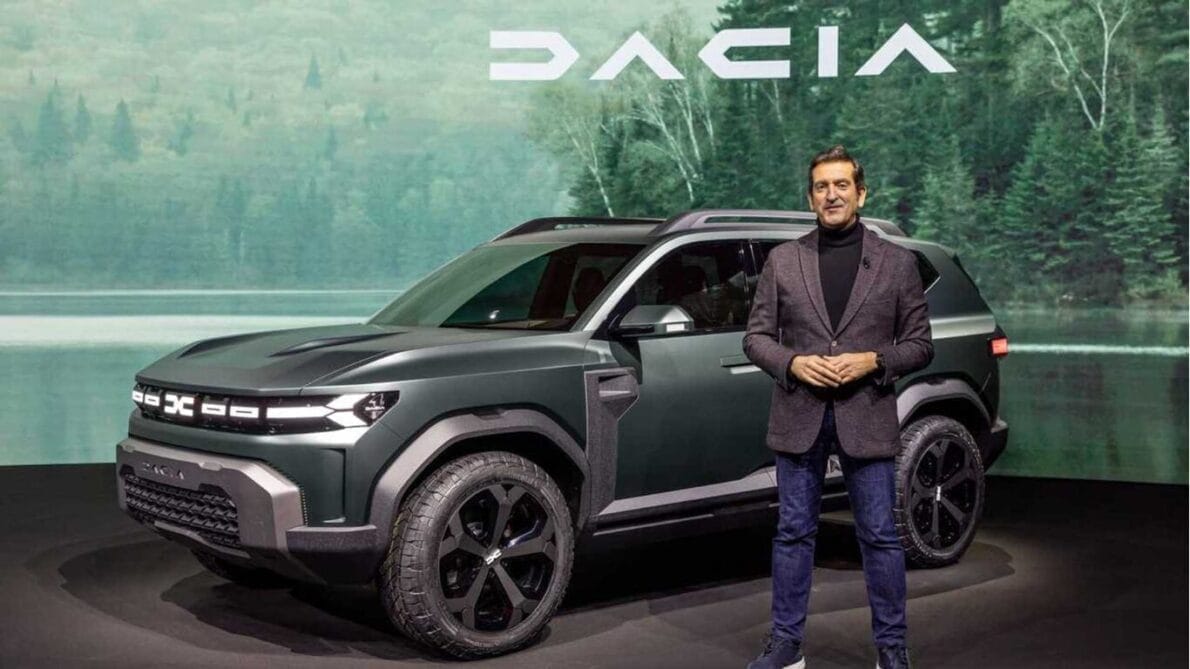
French Manufacturer Heavily Invests in New SUVs to Conquer the Brazilian Market and Face Strong Competition!
Renault has big plans for the Brazilian market. Soon, the French automaker will launch two new SUVs, aimed at shaking up the segment and directly rivaling the popular Jeep Compass. Among the new models is an SUV based on the Dacia Bigster, a medium SUV that promises more interior space and comfort for consumers.
What to Expect from the New French?
The Renault Bigster, initially presented as a concept in 2021, is expected to be launched in Europe by late 2024. Recently, prototypes of the model were spotted testing on European roads, suggesting that its arrival is getting closer.
With a design inspired by the Renault Duster 2024, the Bigster shares various visual elements, such as the headlight design, front grille, and squared wheel arch openings. However, the Bigster is larger, measuring 4.60 meters in length, compared to the Duster’s 4.34 meters. This difference ensures more interior space, allowing it to accommodate up to seven passengers and a trunk with a capacity of 500 liters.
-
Engineers propose a fourth traffic light for intersections – the change promises to affect crossings, queues, and waiting times.

-
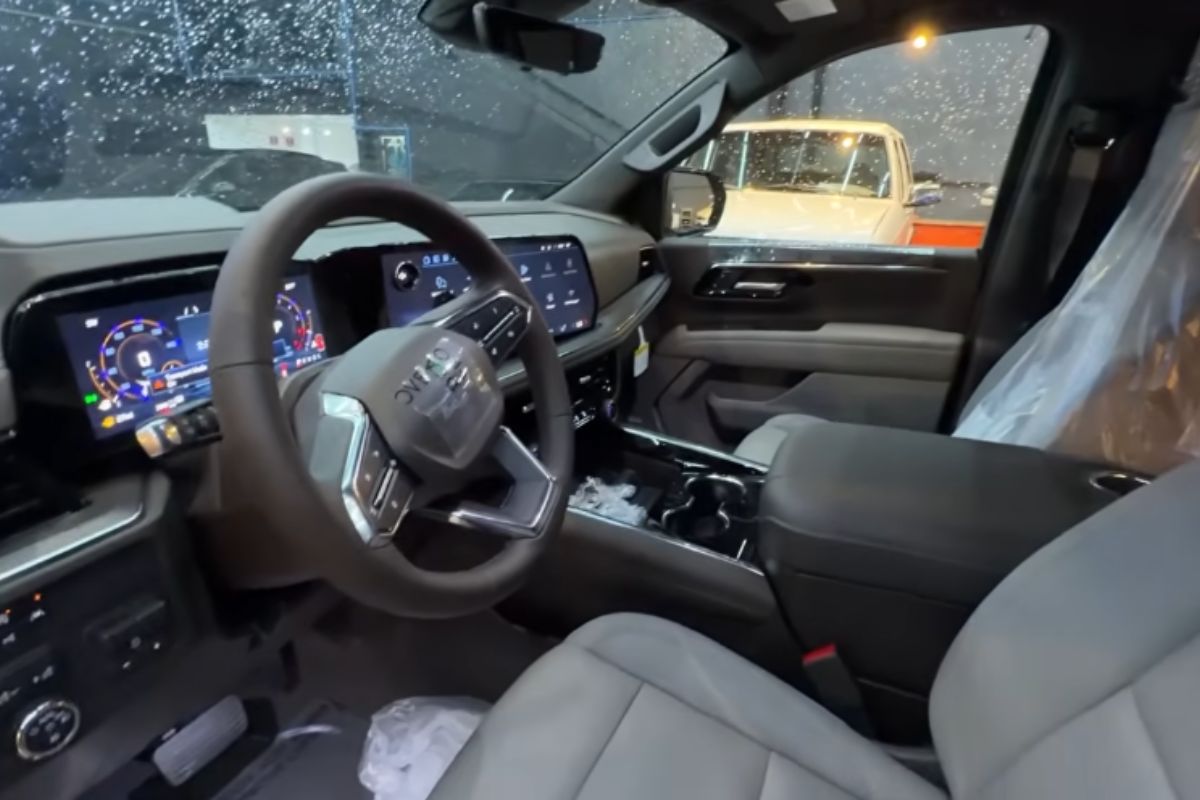
Chevrolet Suburban Z71 lands in Brazil with a V8 engine, off-road design, air suspension, seven seats, and colossal size, a rare version imported for around R$ 1.3 million with luxury and exclusivity.
-
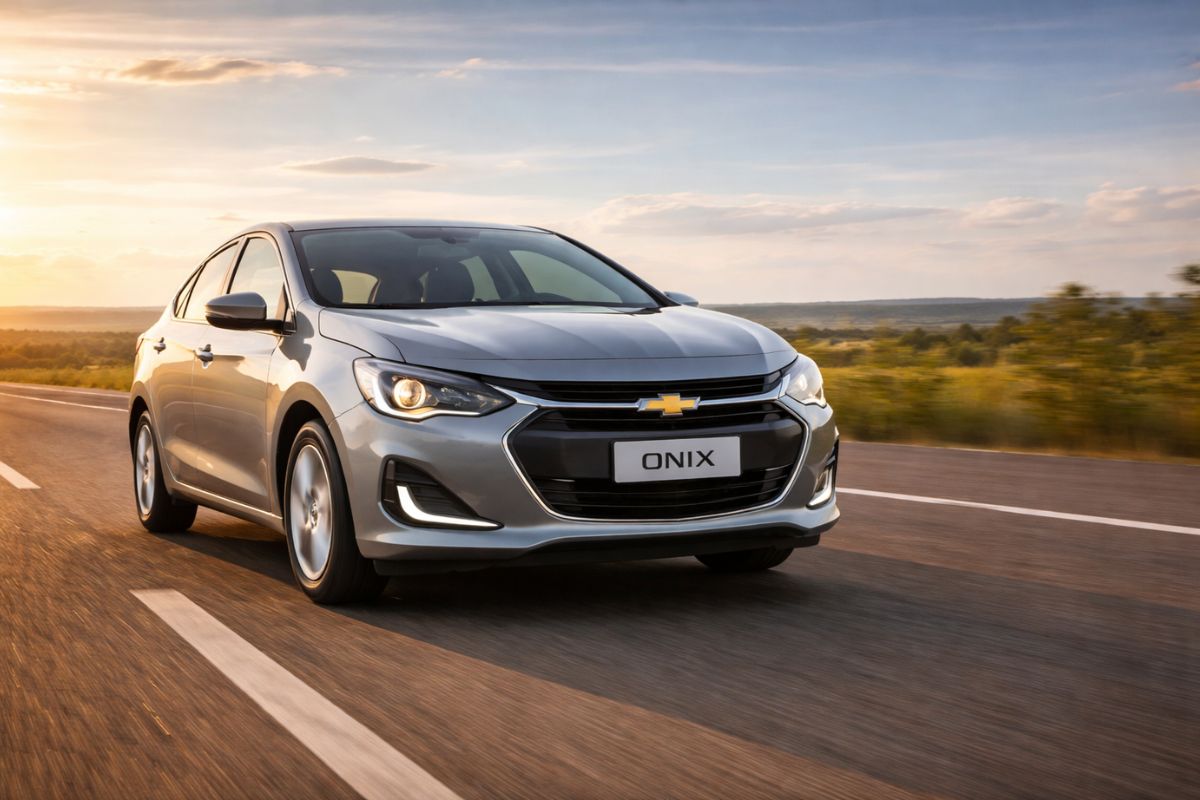
The Chevrolet Onix 1.0 turbo achieves 17.7 km per liter on the highway and ranks among the three most economical cars in Brazil in 2026, alongside two more expensive Toyota hybrids available at dealerships.
-
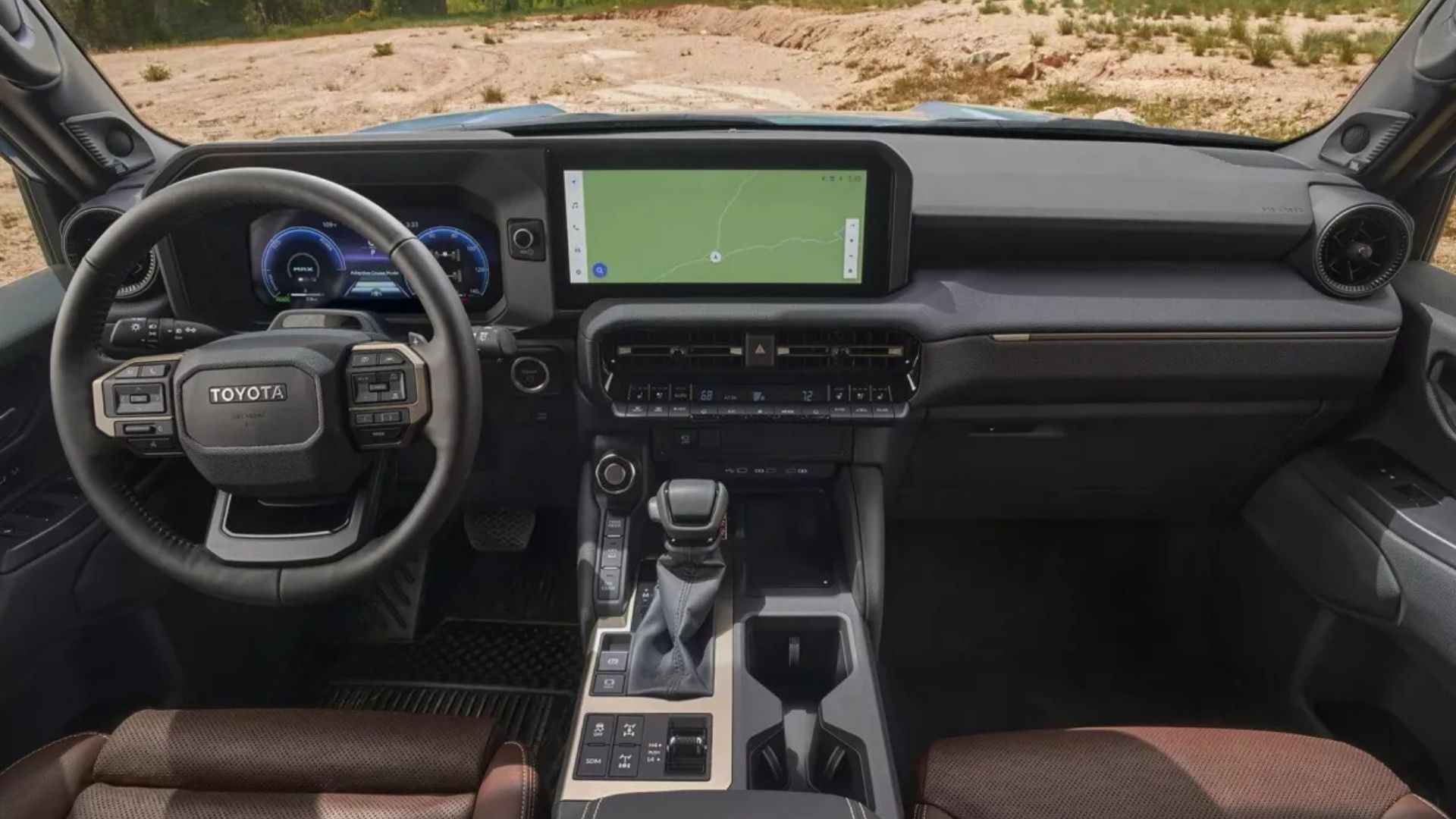
Little sister of the Hilux: Toyota launches Land Cruiser FJ with 4 radical versions, 2.7 engine with 166 hp and 4×4 traction with locking.

Engines and Technology: What’s Coming?
Built on the CMF-B Alliance Renault-Nissan-Mitsubishi platform, the Bigster will offer various engine options in Europe. These include a 1.0 GLP ECO-G engine with 100 hp, a 1.2 mild-hybrid with 131 hp, and a conventional 1.6 hybrid with 140 hp with automatic transmission. For the Brazilian market, the expectation is that the SUV will come equipped with a 1.3 turbo engine with 170 hp.
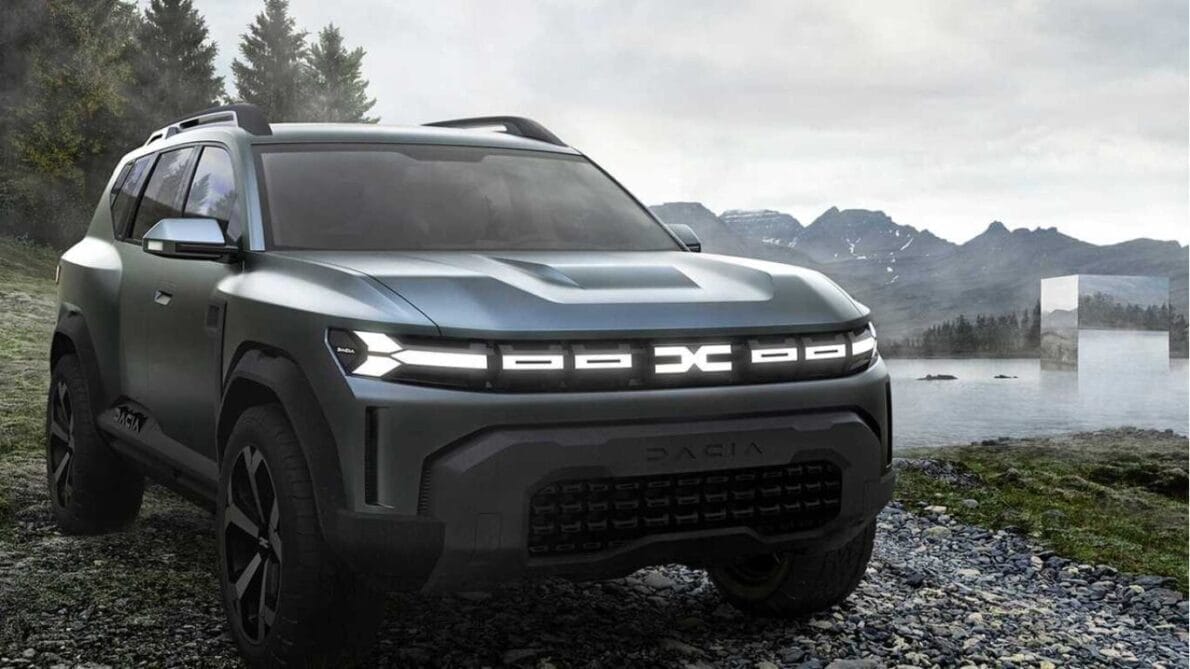
Prices in Europe are expected to range between €20,000 and €30,000, positioning the Bigster in a higher price range than the Duster.
Technical Specifications of the Renault Bigster:
| Category | Specification |
| Engine | 1.3 turbo engine with 170 hp (for the Brazilian market) |
| Engine options in Europe: | |
| – 1.0 GLP ECO-G engine with 100 hp | |
| – 1.2 mild-hybrid engine with 131 hp | |
| – Conventional 1.6 hybrid engine with 140 hp and automatic transmission | |
| Dimensions | Length: 4.60 meters (larger than the Duster) |
| Capacity for up to seven passengers | |
| Trunk capacity of 500 liters | |
| Prices | In Europe, they range from €20,000 (approximately R$115,000) to €30,000 (around R$172,500) |
| Renault’s Strategy | Focus on more refined and technological models in the Brazilian market |
| Development of a coupe-SUV to complement the utility lineup | |
| Market Impact | The Bigster has the potential to stand out among competitors, especially the Jeep Compass |
| Renault’s strategy aims to meet Brazilian consumers’ expectations for comfort and technology |
Renault’s Strategy for Brazil
Renault is adopting a new strategy for the Brazilian market, focusing on offering more refined and technological models instead of basic vehicles. The automaker has already begun acquiring parts for the new model, indicating that the launch could occur next year.
In addition to the Bigster, Renault is developing a coupe-SUV to complement its utility lineup. This new approach aims to strengthen the brand’s presence in Brazil, offering more spacious and technologically advanced vehicles. After all, as they say, “the more, the merrier.”
The Impact of the Bigster in the Market
The arrival of the Renault Bigster promises to shake up the SUV market in Brazil. With more interior space, efficient engine options, and a modern design, the Bigster is set to stand out among competitors, especially the Jeep Compass. Renault’s strategy of investing in more sophisticated models demonstrates the automaker’s commitment to meeting the expectations of Brazilian consumers, who increasingly seek comfort and technology in their vehicles.
Therefore, the Renault Bigster represents a bold bet by the French automaker to conquer the SUV market in Brazil. With a set of characteristics that promise to appeal to consumers, the Bigster is poised to be a sales success and a strong competitor in the segment. Let’s keep an eye on Renault’s upcoming launches, as there will be plenty of news.







Seja o primeiro a reagir!