





 Português
  Inglês
  Espanhol
  3 min de leitura


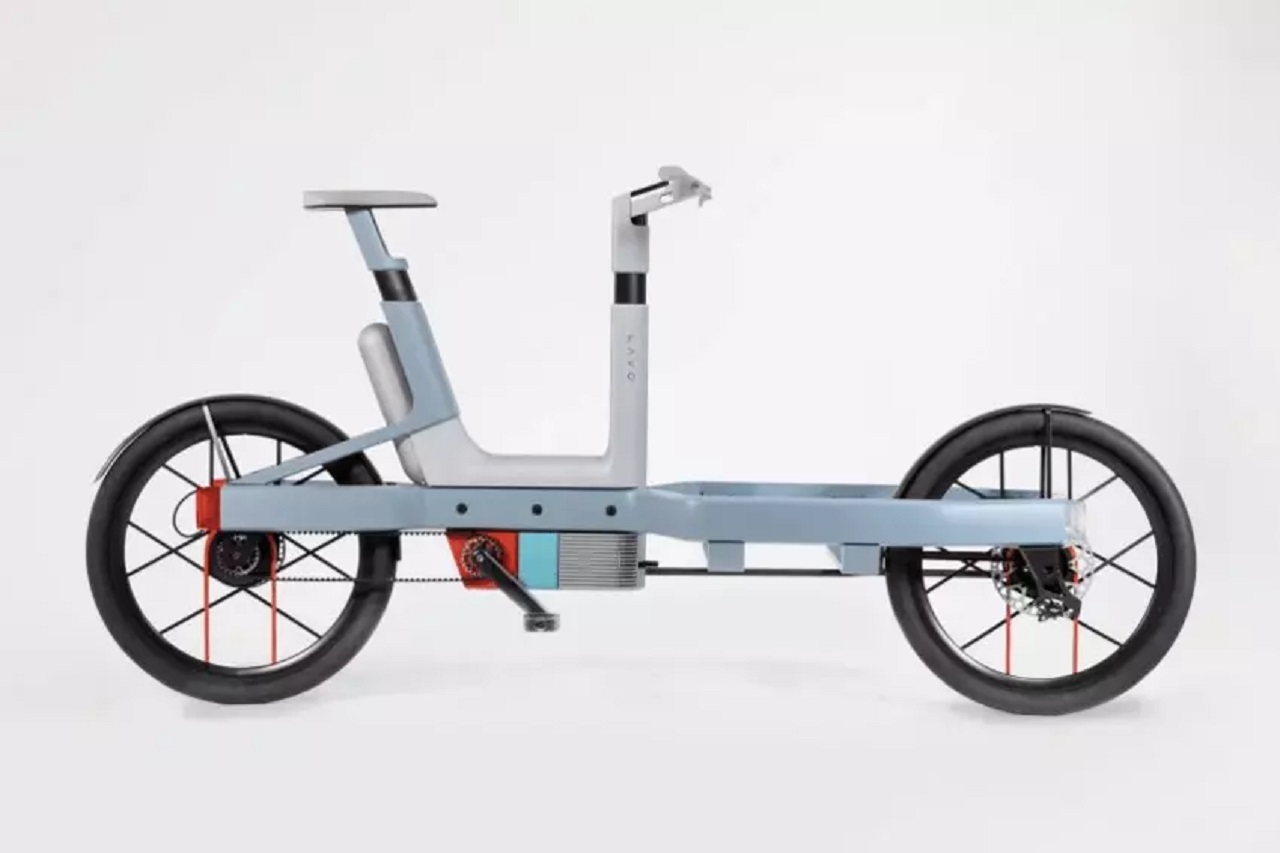
The Dutch Design Office Studio MOM Joined Forces With Hydrogen Cell Pioneer LAVO to Develop an Electric Bicycle That Can Carry Heavy Loads Over Long Distances Using Just 2 Liters of Water, the World’s First Hydrogen-Powered Bicycle.
The Dutch design office StudioMom developed the LAVO bicycle, a compact modular hydrogen transport concept. Commissioned by Providence Asset Group and in collaboration with the University of New South Wales Sydney, Elian Steering, and Hyperkid, the bicycle’s design incorporates hydrogen storage technology developed in Australia, the LAVO System. StudioMom has been designing bicycles, e-bikes, and other sustainable transportation means for various brands, including Gazelle and Cortina. The company has now designed the LAVO bicycle for Providence Asset Group, an investment firm financing and managing multiple renewable energy generation, storage, and technology assets.
Read Other Related News
- New Catalyst Capable of Extracting Hydrogen More Efficiently Could Accelerate the Arrival of Hydrogen Cars in the Global Automotive Industry
- Prototype of the First Car Made of Niobium and Powered by Hydrogen Will Be Launched in 2023 for the Extreme H Championship
- USA Is About to Develop the First High-Efficiency Hydrogen and Steam-Powered Engine for Commercial Aviation
- Renault Will Unveil Its Newest Hydrogen-Powered Car Next Month and Promises to Surprise the Automotive Industry
- Yamaha and Toyota Launch the World’s First Fully Hydrogen-Powered V8 Engine
Hydrogen Bicycle Can Travel 300 Km with Just 2 Liters of Water
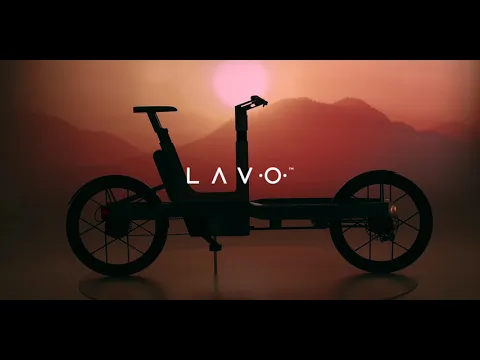

“Hydrogen technology is the promise of emission-free energy and allows for transporting three times more energy per weight unit compared to a state-of-the-art battery,” explained StudioMom at the launch of the bicycle design concept.
“A greater range, higher speed, or more payload is therefore easy to achieve. Small-scale transport in combination with hydrogen is finally solving the short-range issue. As a result, the cargo bicycle can increasingly serve as an alternative to cars for transporting loads over longer distances.”
-
OMODA & JAECOO grows in Europe in 2026 with an integrated strategy of sales, innovation, local production, and technological advancement in the United Kingdom, Italy, and Spain.
-
OMODA & JAECOO expands after-sales service in Brazil with competitive maintenance, a 7-year warranty, and high availability of parts for technological SUVs.
-
OMODA & JAECOO appoints Alessandra Souza as executive marketing director in Brazil and accelerates brand expansion with a focus on innovation, networking, and hybrid portfolio.

-
Jaecoo 7 with super hybrid SHS system exceeds 1,200 km of combined range with a 1.5 turbo engine, high-density battery, and intelligent energy management.

The LAVO bicycle was designed as a toolbox for emission-free mobility. It is adaptable for different applications for use in small businesses; from urban bicycle to cargo bicycle. The unique Elian front steering hub ensures excellent performance, rigidity, and steering comfort.
Strong Competitive Advantage
The hydrogen-powered bicycle features the world’s first and only commercially ready hydrogen energy storage system designed for daily use in homes and businesses, called the LAVO System. Developed by leading researchers at the University of New South Wales, LAVO technology aims to provide a more complete, versatile, and sustainable solution than other existing energy storage solutions currently on the market.
“LAVO technology has three times the storage capacity and a lifespan over twice as long compared to market alternatives, offering a unique value proposition and strong competitive advantage,” the Australians said.
The patented metal hydride from LAVO absorbs hydrogen in a metal alloy to allow for safe and long-term storage within a secure container. Designed to be portable and versatile, LAVO technology is being developed for use in various everyday applications.
In addition to the introduction of the hydrogen-powered bicycle that incorporates the LAVO System, the company is developing a range of lifestyle technology products, including a hydrogen-powered barbecue. The LAVO system is expected to be ready for installation by mid-2021 and will employ Nedstack PEM fuel cells as a critical component.
Previously: Yamaha and Toyota Launch the World’s First Fully Hydrogen-Powered V8 Engine
At the request of Toyota, Yamaha developed a V8 engine (eight cylinders, in a “V” shape) with a capacity of 5.0 liters, intended for hydrogen-powered vehicles. This new project is related to a new alliance formed between Toyota, Yamaha, and other Japanese automotive companies that aims to expand fuel options for combustion engines, proving that electrifying vehicles is not the only sustainable solution for the mobility of the future.
According to Yamaha Motor President Yoshihiro Hidaka, the Japanese manufacturer has been working to achieve carbon neutrality by 2050. Hidaka emphasized that the word ‘Motor’ is in the company’s name precisely because of the strong passion and commitment to the internal combustion engine.








Seja o primeiro a reagir!