






 Portuguese
  Spanish
  3 min of reading


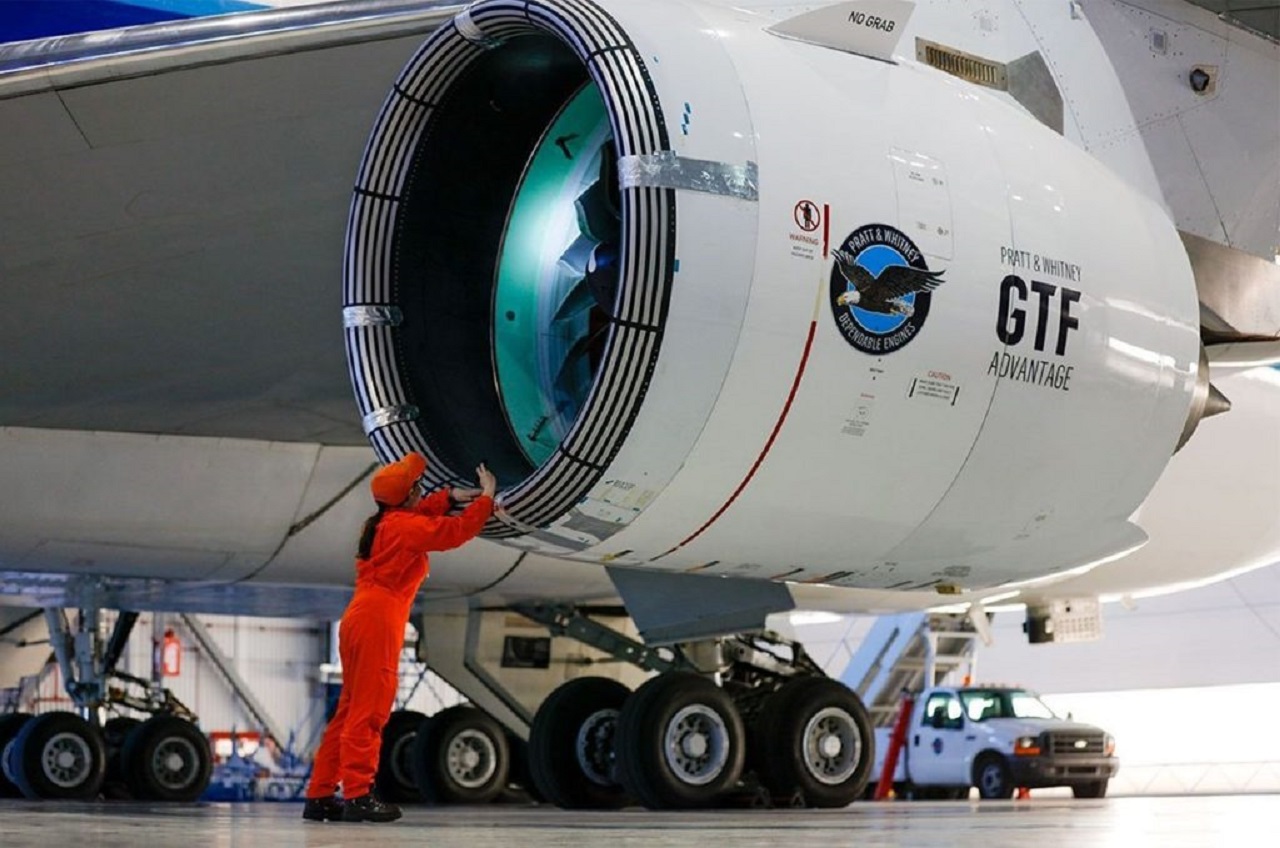
The Development Of The Hydrogen Engine Is The Responsibility Of A Large US Company That Manufactures Engines For Aircraft. With The New Technology, Commercial Aviation Will Have Much More Efficiency And Safety
The American company in the field of aircraft engine manufacturing, Pratt & Whitney, announced last Monday, February 21, that it was selected by the U.S. Department of Energy (DoE) to develop a new hydrogen propulsion technology, with a high degree of efficiency, specifically for commercial aviation. The development of this new technology is of primary interest to the Advanced Research Projects Agency – Energy (ARPA-E) of the DoE.
Read Also
- 100% Electric Airplane Will Be Tested By NASA Later This Week
- Meet Destinus, The Hypersonic Hydrogen-Powered Aircraft Capable Of Transporting Cargo Between Continents In Less Than Two Hours
- Boom Supersonic Is Building The Fastest And Most Sustainable Supersonic Airplane In The World
- Roc Stratolaunch, The Largest Airplane In The World, With The Largest Wing Measuring 117 Meters, 6 Engines And One Of The Strangest Designs In The World, Completed Its First Test Flight Yesterday (01/16) Reaching A Speed Of 330 KM/h
- Mechanic In The Interior Of Rio Grande Do Norte Builds Airplane With Volkswagen Engine And Scrap From Cars, Motorcycles, Trucks, And Bicycles
Understand How The New Hydrogen Propulsion Technology For Commercial Aviation Will Work
The new hydrogen engine project, a type of inter-cooled turbine with ‘Hydrogen Steam Injected, Inter-Cooled Turbine Engine’ (steam injected), the HySIITE, will use combustion of liquid hydrogen, with a water vapor recovery system, aiming to achieve zero CO2 emissions during flights, while nitrogen oxide (NOx) emissions are reduced by up to 80%, also reducing fuel consumption by around 35% for the next generation of single-aisle aircraft.
The new HySIITE hydrogen engine will burn hydrogen in a type of thermodynamic engine cycle, capable of incorporating steam injection, aiming to significantly reduce NOx emissions, which is a greenhouse gas.
ARTICLE CONTINUES BELOWSee also-
India assembles two giant tunnel boring machines weighing over 3,000 tons to dig the country’s first underwater railway tunnel, with 7 km under Thane Creek and high-speed train tracks running up to 114 meters deep.

-
New Zealand aligns nearly 7,000 X-shaped concrete blocks like puzzle pieces to protect railway, highway, and cycle path against waves, erosion, and earthquakes on one of Wellington’s most sensitive coasts.
-
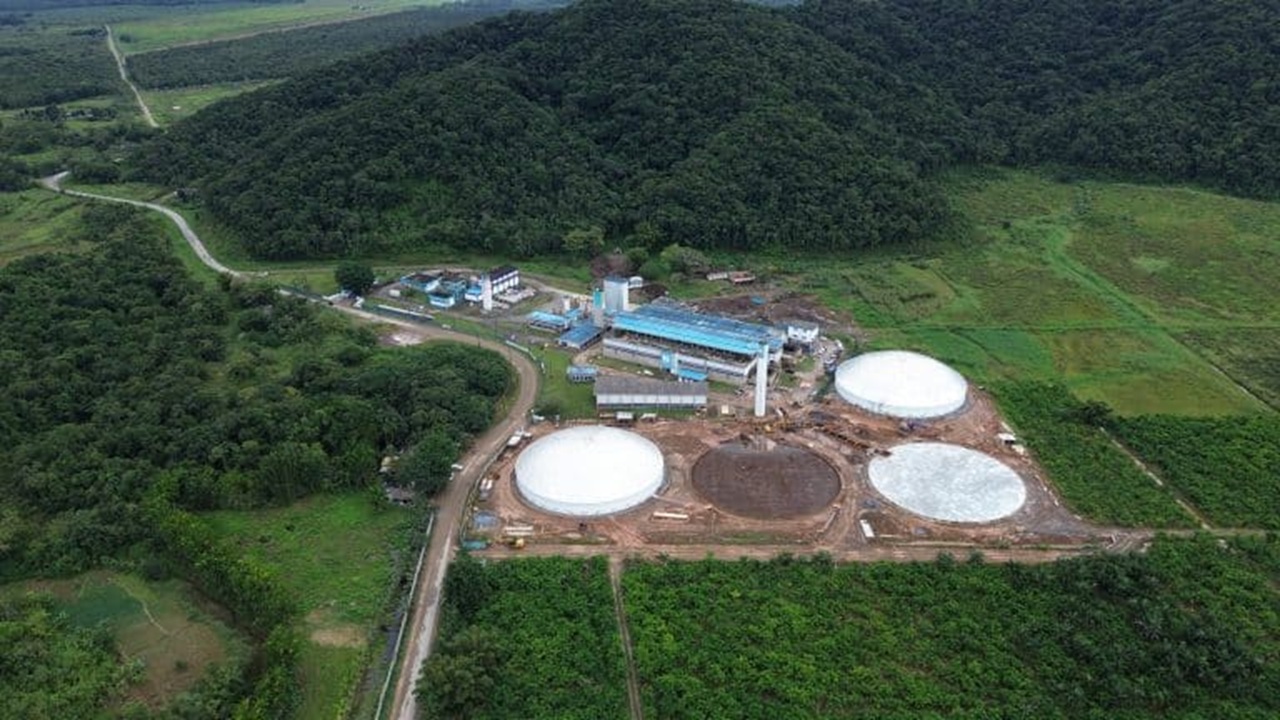
Baixada Santista receives water reservoirs worth R$ 84.6 million in Itanhaém with 20 million liters to reinforce the supply for 1.2 million residents in five cities.

-
A river buried under a highway became an urban park in Seoul after a multimillion-dollar project at Cheonggyecheon, attracting 64,000 visitors per day, increasing biodiversity by 639%, and showing why cities are replacing concrete with water and green areas.
Hydrogen Engine Technologies From Pratt & Whitney
The structure of the semi-closed system that has been exclusively designed for the HySIITE will achieve a thermal efficiency much greater than fuel cells, in addition to reducing total operating costs compared to the use of other sustainable aviation fuels.
The development of this hydrogen engine is the first direct collaboration between Pratt & Whitney and ARPA-E. According to the Senior Vice President of Engineering and Technology at Pratt & Whitney, Geoff Hunt, this is a very exciting opportunity for Pratt & Whitney to start developing core technologies that can bring the first steam-injected, inter-cooled hydrogen engine to life.
Hunt also stated that for nearly 100 years, Pratt & Whitney has been at the forefront of cutting-edge technology innovation that continually helps improve the efficiency of aircraft engines.
Pratt & Whitney’s Satisfaction And Responsibility To The Environment
The Vice President of Engineering at Pratt & Whitney reported that everyone at the company is happy to have been selected to work on the development of what could be the next innovative technology in the aviation sector.
The Director of Sustainability at Pratt & Whitney, Graham Webb, stated that the company has an extensive legacy in developing hydrogen-powered propulsion and also expressed that everyone is excited to vigorously advance this emerging technology, making it part of Pratt & Whitney’s comprehensive strategy as an ambitious support to meet the aviation industry’s goal of achieving net zero CO2 emissions from aircraft by the year 2050.
 Valdemar Medeiros
Graduated in Journalism and Marketing, he is the author of over 20,000 articles that have reached millions of readers in Brazil and abroad. He has written for brands and media outlets such as 99, Natura, O Boticário, CPG – Click Petróleo e Gás, Agência Raccon, among others. A specialist in the Automotive Industry, Technology, Careers (employability and courses), Economy, and other topics. For contact and editorial suggestions: valdemarmedeiros4@gmail.com. We do not accept resumes!
ConstructionA river buried under a highway became an urban park in Seoul after a multimillion-dollar project at Cheonggyecheon, attracting 64,000 visitors per day, increasing biodiversity by 639%, and showing why cities are replacing concrete with water and green areas.
Carla Teles 18/06/2026 at 22:16








Be the first to react!