





 Portuguese
  English
  Spanish
  3 min of reading
  0 comments


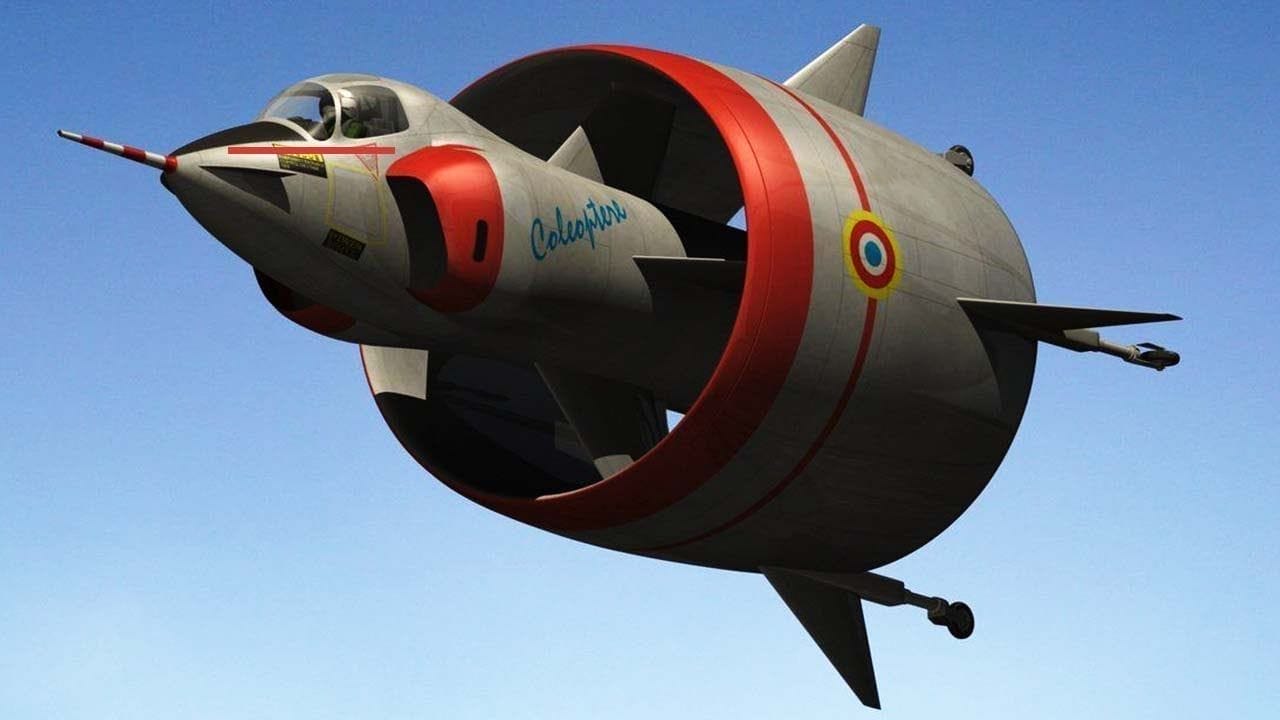
Super Futuristic Project That Seemed To Come Straight Out Of A Science Fiction Movie: The Wingless Plane From France. This Bold Concept From The 1950s Promised To Revolutionize Air Defense With An Aircraft That Took Off Vertically And Flew At Supersonic Speeds.
In the 1950s, France decided to challenge the conventions of aeronautical engineering and design a plane so advanced that it didn’t need a runway to take off. Imagine a plane that simply rises off the ground using a powerful engine and is capable of operating in much smaller areas than any conventional aircraft. This innovative project promised to revolutionize air defense.
The idea was to create a plane without the traditional horizontal wings, capable of taking off and landing vertically anywhere. With powerful engines and a cylindrical wing, the concept was called “Tail Sitter.” France was determined to build something completely new, that could be hidden and launched from anywhere, fundamentally changing how aircraft could be used in conflicts.
The Beginning Of The Wingless Plane Tests


In 1954, a renowned French aerospace company decided to venture into this revolutionary concept. They developed a prototype called SNECMA Coléoptère, equipped with an Atar 101E turbojet engine, which generated an impressive thrust of 3,800 kgf. The design of the plane was so peculiar that it almost didn’t seem real, with a cylindrical wing 3 meters in diameter.
-
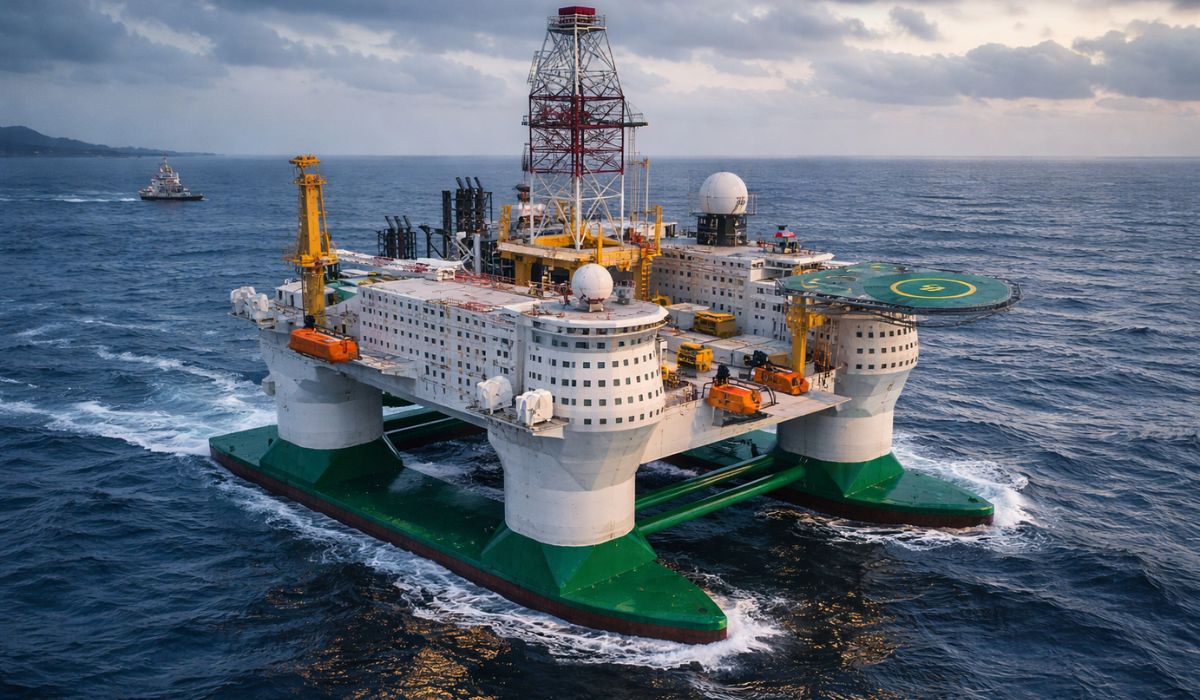
China has launched the world’s first floating artificial island, a scientific structure designed to face open seas, test equipment weighing hundreds of tons, and reach depths of 10,000 meters.
-
China accelerates global science and may surpass the United States in 2 years with increased public investment, continuous growth, and direct impact on the global technological competition.

-
Scientific studies indicate that drought may be strengthening a much greater silent threat: more resistant superbugs.

-
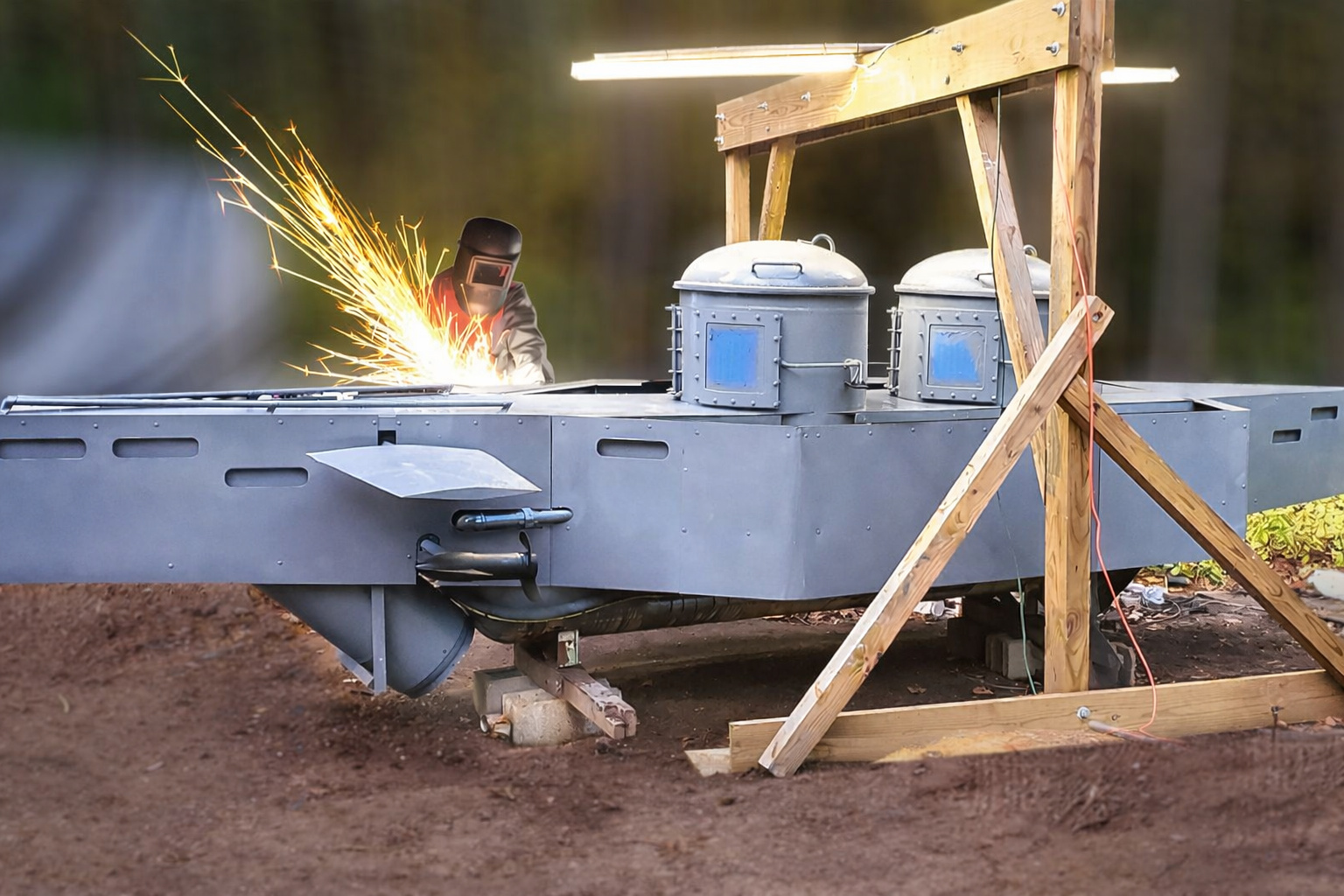
Man builds functional 5-meter submarine in his garage using gas cylinders, PVC pipes, and a refrigerator motor, and navigates with the vessel on a lake in Colombia.

The Coléoptère began its flight tests in April 1959. Initially, it underwent tethered evaluations before progressing to free flights. In May, the plane proved its ability to hover for minutes and even flew to an altitude of 800 meters. However, problems arose during testing. The plane slowly rotated on its axis during hover, making control extremely difficult. Landing was a significant challenge, as the pilot had to look over his shoulder to see the ground.
The End Of The Project
On July 25, 1959, during a crucial test of transitioning from vertical flight to conventional flight, the Coléoptère tilted too far and began to spiral down. The pilot managed to eject just seconds from the ground, but the prototype was destroyed. The project would need additional funding to continue, but that funding never came. The Coléoptère became the last major effort to build a piloted Tail Sitter aircraft.
Although the project did not achieve the expected success, it paved the way for new ideas and technologies in aviation. Innovation is crucial, but reinventing concepts often leads to dead ends. In the following years, technological advances led to the creation of new types of aircraft, including drones capable of taking off and landing vertically.
The story of the wingless plane from France is a fascinating example of how engineering and innovation can challenge conventions and attempt to change the course of history. Despite the technical challenges and the abrupt end of the project, the bold vision of the French engineers continues to inspire new generations.








Seja o primeiro a reagir!