





 Portuguese
  English
  Spanish
  4 min of reading
  0 comments



Discoveries at the Namorotukunan Archaeological Site in the Turkana Basin Indicate That Hominins Produced and Used the Same Stone Tools Between 2.75 and 2.44 Million Years Ago, Maintaining a Continuous Technology Tradition for Almost 300,000 Years Despite Fires, Severe Droughts, and Profound Environmental Changes in Eastern Africa
A study published on November 4, 2025, in Nature Communications reveals that hominins used stone tools at the Namorotukunan site in the Turkana Basin in Kenya between 2.75 and 2.44 million years ago, maintaining the same technology tradition for almost 300,000 years despite intense environmental changes.
An Exceptional Archaeological Record in Eastern Africa
The archaeological site of Namorotukunan, located in the Turkana Basin, houses one of the longest and oldest records of Oldowan stone tools ever documented. The discoveries indicate a continuous sequence of production and use of these tools over approximately 300,000 years.
The identified tools date back to between 2.75 and 2.44 million years ago. They feature sharp edges and multifunctional shapes, compared by researchers to an early type of “Swiss Army knife” created by hominins.
-
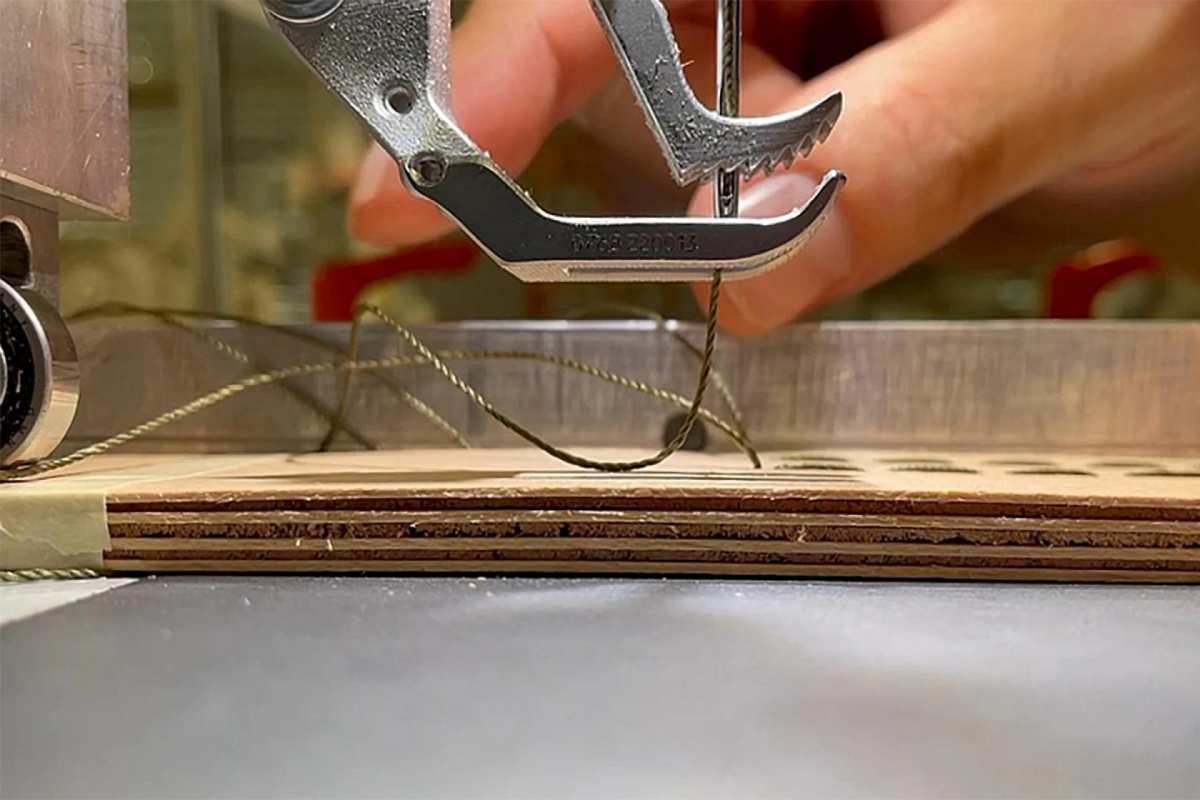
A simple stitch in wood with nylon thread can reduce adhesives, speed up production, and make sheets up to 4 times stronger and 14 times more difficult to break.
-
The gigantic steel shell built to contain Chernobyl for a century has been pierced by a drone, exposing a critical system and creating a hole that could cost over 500 million euros to repair.

-
Brazilian Navy reaches a new level by taking over an airport with a 1,600-meter runway used by 1,800 military personnel and autonomous attack drone testing.

-
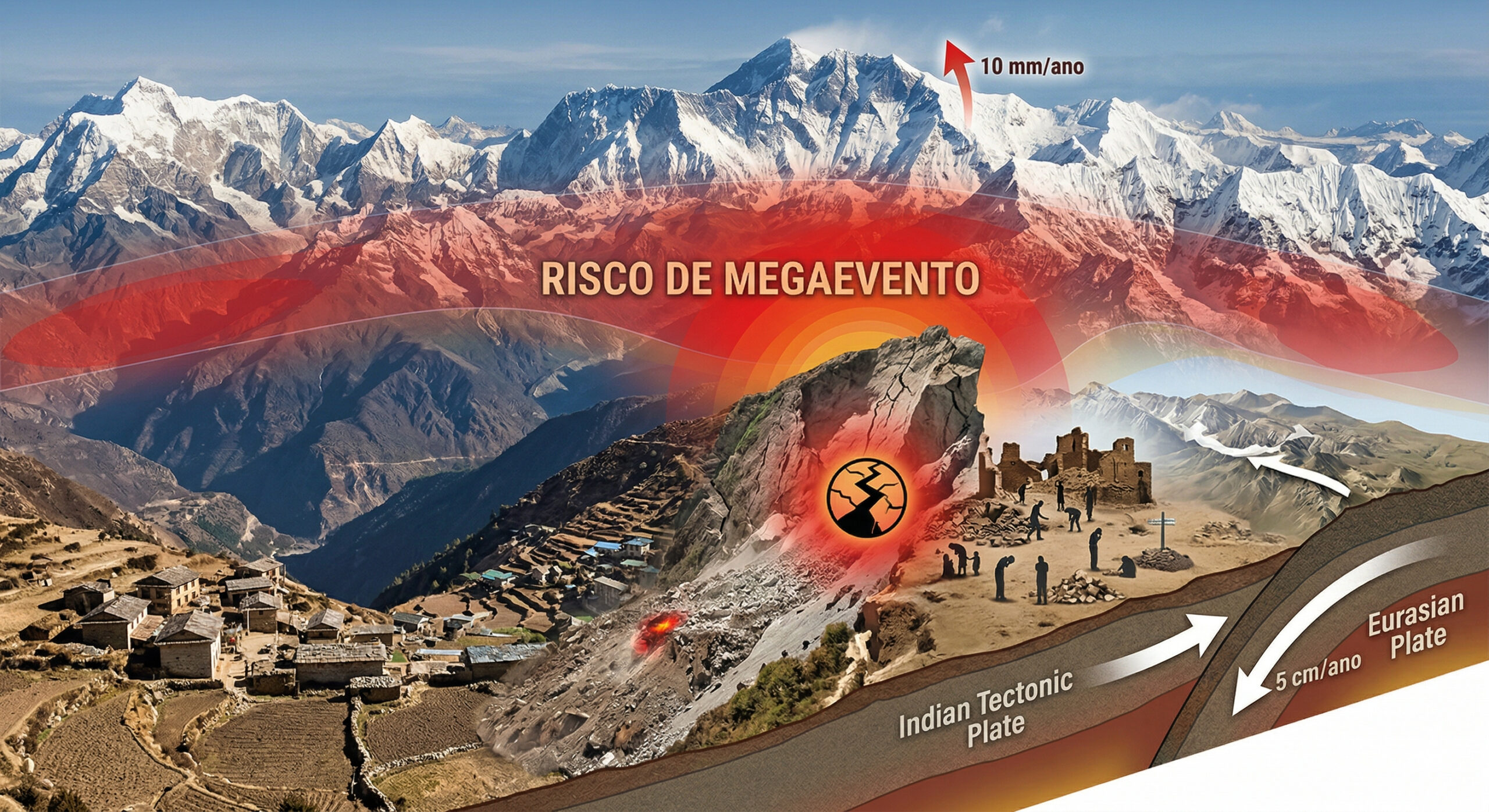
The Himalayas continue to grow to this day, with tectonic plates advancing 5 cm per year, mountains rising up to 10 mm annually, and the 2015 earthquake that killed 9,000 people may have increased the risk of an even larger seismic mega-event.

According to the authors, this set demonstrates not an isolated episode of innovation, but a lasting technology tradition.
The repetition of techniques over hundreds of millennia suggests consistent transmission of knowledge among successive generations.
The study was conducted by an international team of researchers affiliated with institutions such as George Washington University, the Max Planck Institute, Utrecht University, and the University of São Paulo.
Technical Continuity Amid Unstable Environments
The data indicate that the manufacturers of these tools faced one of the most unstable climatic periods in the history of the Earth. The region underwent frequent wildfires, severe droughts, changes in river courses, and a progressive increase in aridity.
Despite this backdrop, lithic technology remained remarkably stable. For lead author David R. Braun, an anthropology professor at George Washington University, the site reveals an extraordinary story of cultural continuity over time.
Braun states that what is observed at Namorotukunan is a long-standing technology tradition, not a one-off adaptation. The permanence of techniques suggests that tool use was already deeply integrated into how these hominins interacted with their environment.
Researcher Susana Carvalho, director of science at Gorongosa National Park, adds that the findings indicate that tool use may have been a more widespread adaptation among primate ancestors than previously thought.
Scientific Methods and Reconstruction of Ancient Climate
To reconstruct the environmental context in which these tools were produced, researchers applied a diverse set of scientific techniques. These include dating of volcanic ash and analysis of magnetic signals preserved in ancient sediments.
Chemical signatures of rocks and microscopic plant remains were also examined. This data allowed the reconstruction of a detailed sequence of climatic changes that affected the region during the studied period.
The fossilized plant record indicates a gradual transformation of the landscape. Areas initially characterized by lush wetlands gave way to dry grasslands, fire-devastated environments, and subsequently semi-desert regions.
According to Rahab N. Kinyanjui from the National Museums of Kenya and the Max Planck Institute, while vegetation changed drastically, tool production remained constant, highlighting a pattern of prolonged technological resilience.
Tool Use, Diet, and Survival
The tools found at Namorotukunan show consistent signs of use, including evidence associated with the hunting and processing of animals. Cut marks identified at the site directly connect these tools to meat consumption.
According to Frances Forrest from Fairfield University, these traces reveal a diverse diet that persisted even as surrounding landscapes transformed. The technology allowed the exploration of new food resources.
Niguss Baraki, also from George Washington University, highlights that the findings show that, around 2.75 million years ago, hominins had already mastered the manufacture of sharp tools. This suggests that the onset of Oldowan technology may be older than previously estimated.
The combination of technological stability and environmental flexibility indicates that these tools played a central role in the survival of early human groups. The technology helped turn environmental challenges into adaptive advantages, even during periods of ongoing climatic chaos.
Permissions, Partnerships, and Funding of the Research
The research was conducted with permission from the National Museums of Kenya and the Kenyan Ministry of Education, Science and Technology. The work was in partnership with the Koobi Fora Field School.
The funding involved various international institutions, including the National Science Foundation of the United States, the Leakey Foundation, the Paleontological Scientific Fund, the Dutch Research Council, and the São Paulo Research Foundation.
The American Museum of Natural History and the Romanian National Authority for Scientific Research also contributed. This comprehensive support allowed for detailed analysis of archaeological and environmental materials over several years of investigation.
The authors conclude that Namorotukunan offers a rare window into a changing world that no longer exists. Moving rivers, devastating fires, and increasing aridity shaped the environment, while the tools remained stable for almost 300,000 years, revealing perhaps one of the oldest roots of human technological use for protection and survival.
This article was based on the study “Early Oldowan Technology Thrived During Environmental Change in the Turkana Basin, Kenya,” published in 2025 in Nature Communications.








-

Uma pessoa reagiu a isso.