





 Português
  Inglês
  Espanhol
  5 min de leitura
  8 comentários


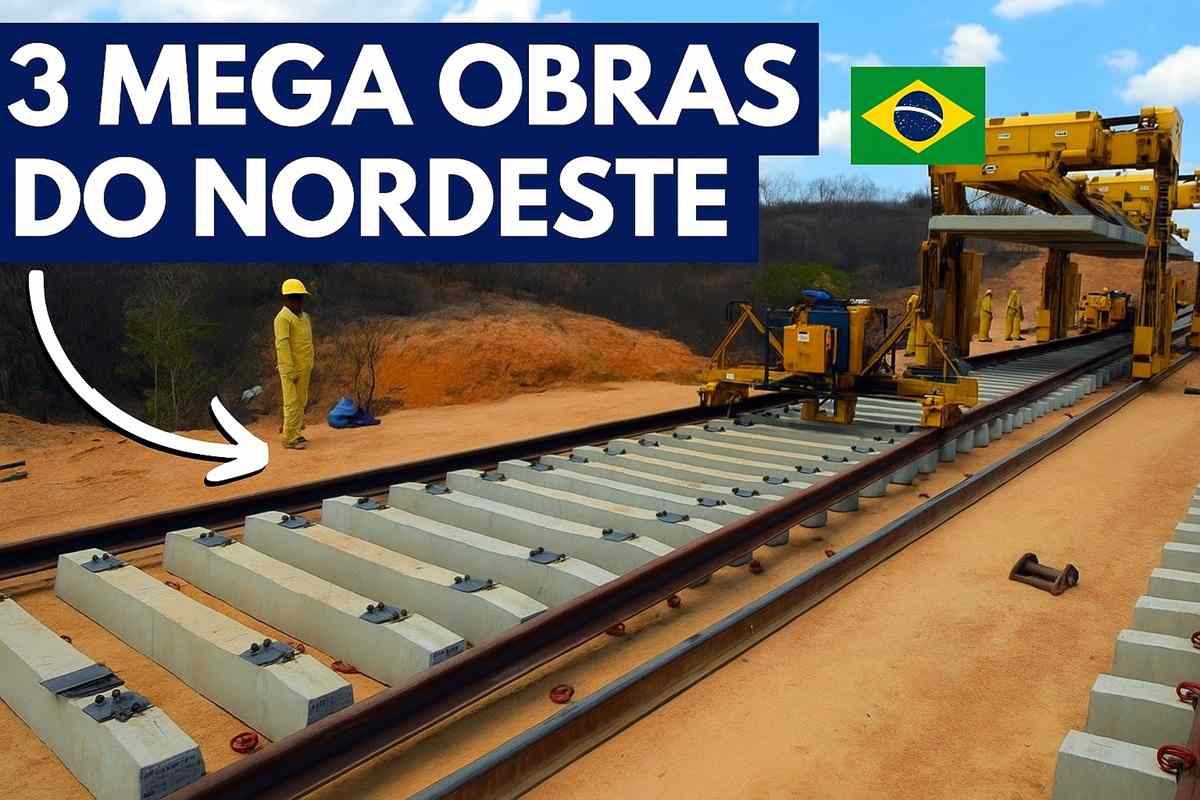


The Brazilian Northeast Has Spent Decades Facing Structural Challenges to Grow Sustainably. The Lack of Efficient Roads, Ports, and Water Access Limited the Development of Several Regions. Three Major Infrastructure Works Have Started to Change This Scenario
Three giants stand out among the largest infrastructure works ever carried out in the Northeast: a long-distance railway, a modern port of international standard, and a water transposition that challenges the geography of the semi-arid region.
Together, these constructions transform the way products circulate, how cities connect, and how water reaches places that were once dry.
-
Drought may be creating stronger superbugs in the soil and helping antibiotic resistance reach hospitals, warns a study highlighting a problem that could grow alongside extreme weather.

-
The biggest scam in history: Napoleon’s France deceived the United States by selling them a territory that was Spanish.

-
Why is the Danakil Desert so dangerous? It has unstable terrain and how extreme temperatures and toxic gases turn the region into one of the most hostile environments on Earth.

-
With a height of 221 meters and a capacity for trillions of liters, Hoover Dam still holds a trick that makes water defy logic.
The Northeast of Brazil has been the stage for major infrastructure projects that transformed the economic and social reality of the region.

Among the most significant works in terms of investment value, three stand out: the Transnordestina Railway, the São Francisco River Transposition, and the Port of Suape.
Transnordestina Railway
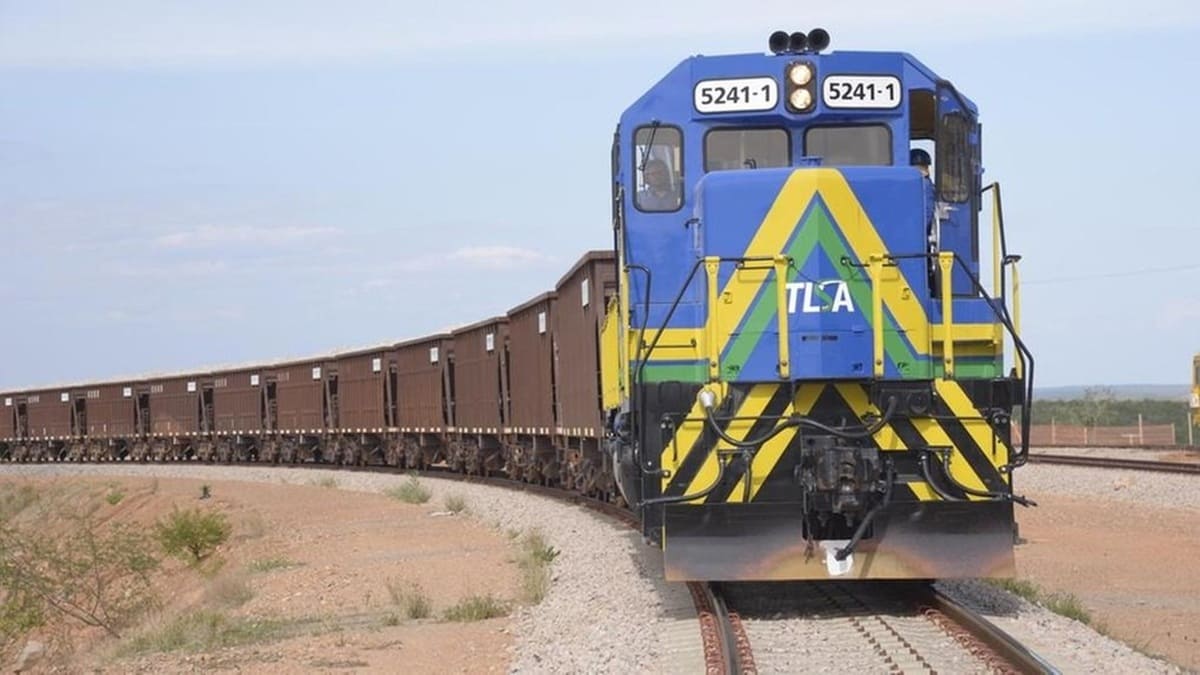
The Transnordestina Railway is one of the largest and most strategic logistics infrastructure projects in Brazil, under construction to connect the interior of the Northeast region to major seaports (Pecém/CE and Suape/PE).
The Transnordestina Railway is a major railway infrastructure project in Northeast Brazil, designed to connect the interior of the region to seaports, facilitating the shipment of products such as minerals and grains.
It was conceived to connect Eliseu Martins (PI) to the ports of Pecém (CE) and Suape (PE), totaling about 1,753 km in length. After recent adjustments, the focus has shifted to just the Eliseu Martins–Pecém stretch, covering approximately 1,206 km.
The project aims to:
- Reduce cargo transportation costs in the region.
- Increase the competitiveness of productive sectors in the Northeast.
- Integrate modes (railway, road, waterway).
- Stimulate regional economic development.
The work has faced delays for years, but recent investments (public and private) are accelerating progress, with partial completion expected in 2026 and total completion by 2027.
In Summary
The Transnordestina Railway is a gigantic project:
- Route: Eliseu Martins (PI) → Pecém (CE) and Suape (PE)
- Length: ~1,753 km (reduced to 1,206 km for the main stretch)
- Connections: integrates multimodal logistics systems
- Objectives: reduce costs, promote production, generate jobs
- Status: advanced construction in several lots, with partial delivery in 2026 and final goal around 2027
São Francisco River Transposition Brings Water to Millions
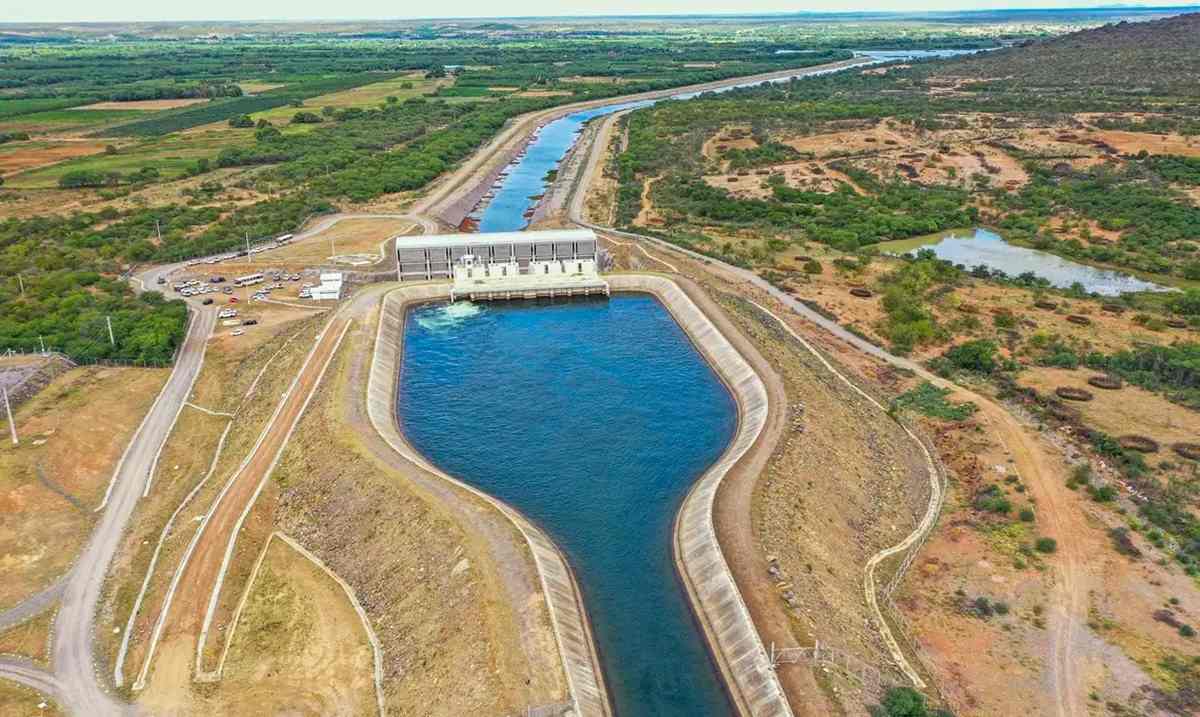
The São Francisco River Transposition is a major water infrastructure project by the federal government of Brazil.
Its goal is to bring water from the São Francisco River to regions of the Northeast that suffer from long periods of drought, especially the states of Ceará, Rio Grande do Norte, Paraíba, and Pernambuco.
How It Works:
The transposition consists of diverting part of the river’s waters through two large axes of channels:
- North Axis: brings water to Ceará, Rio Grande do Norte, and part of Paraíba.
- East Axis: supplies mainly the Agreste regions of Pernambuco and Paraíba.
These channels total over 470 km in length and include reservoirs, tunnels, pumping stations, and aqueducts. The project spans several municipalities and aims to ensure water security for over 12 million people.
Why It Was Done:
- The northeastern semi-arid region suffers from frequent and prolonged droughts.
- Many cities and communities face collapses in water supply.
- The São Francisco River, which originates in Minas Gerais and crosses part of the Northeast, is one of the few permanent sources of water in the region.
Controversies:
Despite its importance, the project has faced criticism for:
- High costs (over R$ 14 billion).
- Delays in construction
- Environmental and social impacts, such as the displacement of communities and interference in local ecosystems.
Nevertheless, the transposition is considered one of the largest water infrastructure works in the country and a milestone in combating drought in the Northeast.
Port of Suape Is a Port Reference in the Country
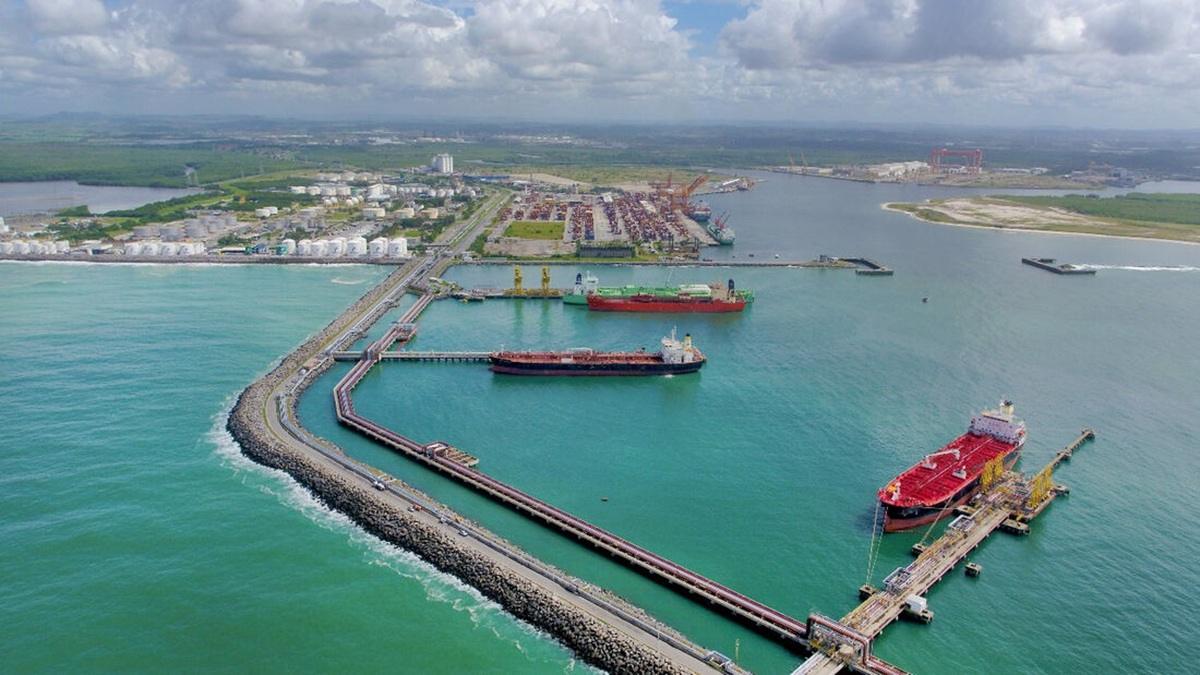
The Port of Suape, officially called Governor Eraldo Gueiros Industrial Port Complex, is one of the main ports in Brazil. It is located on the southern coast of Pernambuco, between the municipalities of Ipojuca and Cabo de Santo Agostinho, about 40 kilometers from the capital Recife.
It is a modern public port, operating continuously throughout the year. Its operation does not depend on tides, ensuring high logistical efficiency.
It has robust infrastructure, with deep channels and protective jetties, capable of receiving large ships, including bulk carriers of up to 170,000 tons of gross tonnage.
In addition to the port itself, the site houses a large integrated industrial hub.
Companies from various sectors operate within the complex, such as the Abreu e Lima Refinery, the Atlantic Sul Shipyard, fuel terminals, and chemical and food industries.
More than 90 companies are established in the area, forming a network of production and export of great importance.
Suape is considered the largest public port in the Northeast and ranks among the five largest in Brazil. In terms of movement, it stands out for the volume of cargo like oil, derivatives, sugar, containers, and vehicles.
Within an 800 km radius, the port directly influences a significant portion of the Northeast’s economic production, serving as a true logistical hub.
Connectivity is another strong point: the port has access via important highways, such as BR-101 and PE-060, and is on the route of the Transnordestina Railway, which will connect the northeastern hinterland to the coast.
A structure for importing liquefied natural gas is also being implemented, further increasing the energy and industrial capacity of the complex.
Thus, the Port of Suape is a strategic engine for the economy of Pernambuco and the entire Northeast, uniting transportation, industry, and commerce on a single development platform.








Apesar de previstas tecnicamente e desejadas estrategicamente, as ligações entre a nova Transnordestina e as ferrovias Norte‑Sul (FNS) e Carajás (EFC) ainda não foram realizadas. A conexão com a FNS segue apenas em fase de estudos e ainda não teve construção iniciada. A ligação com a EFC não faz parte do projeto em execução.
Por que vcs num mencionam quem é o principal agente fomentador/patrocinador aportando determinação, recursos e dedicação na montagem e construção da infraestrutura dessa envergadura? É o Gov Municipal, Estadual, Federal, a China…. O D.Pedro II, o Collor, o FHC, o Lula, a Dilma, o Temer, o Bolsonaro, o Lula?
Existem dezenas de empresas de datacenters querendo vir ao nordeste mas faltam apenas linhas de transmissão de energia
Sugiro pesquisar sobre os impactos dos grandes data centers nos locais onde estão instalados hoje para reflexão.