





 Portuguese
  English
  Spanish
  5 min of reading
  15 comments


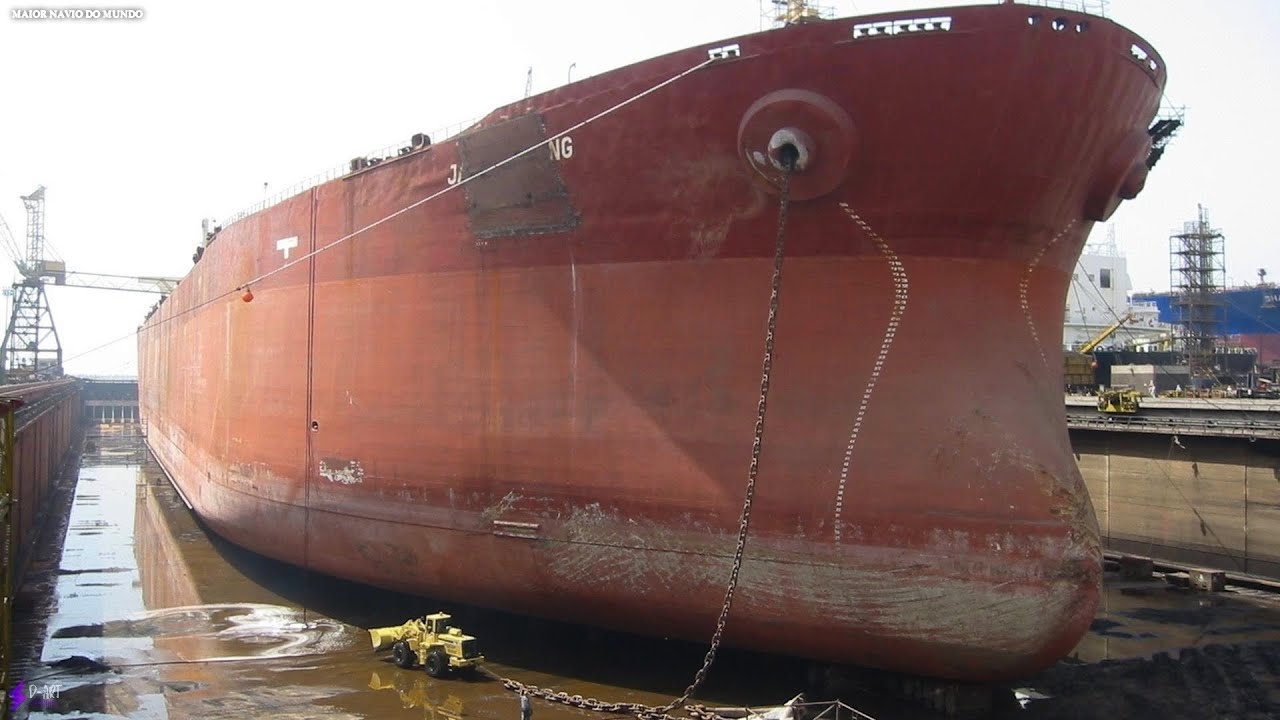


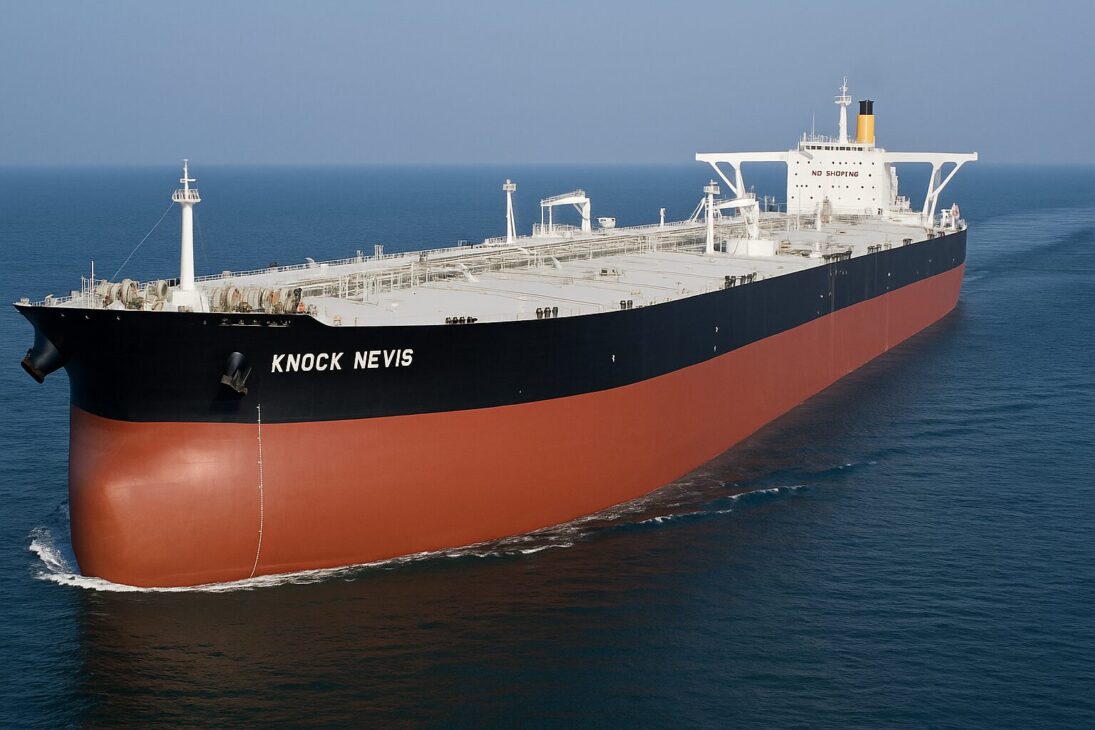
At 458 Meters Long, The Knock Nevis Was So Colossal That It Needed 10 Km To Completely Stop And Was As Wide As A 23-Story Building. Designed To Cross Turbulent Seas Without Capsizing, This Ocean Giant Is Still Remembered Today As The Largest Oil Tanker In The World.
The ship that would become known as Knock Nevis was born in 1979 when it was ordered by a Greek shipowner to be one of the largest tankers ever made. Built by the Japanese shipyard Sumitomo Heavy Industries, the ship’s construction was completed only in 1981, already under the control of Hong Kong magnate C. Y. Tung, who initially named it Seawise Giant. The Knock Nevis was conceived with a very clear goal: to transport colossal amounts of crude oil between the Persian Gulf and the United States. And, for that, its structure could not be modest. It needed to be the largest oil tanker in the world, both in length and cargo capacity.
The vessel was designed to face rough seas, operate for decades under extreme conditions, and withstand natural forces that few ships dared to deal with. Its size was such that, even when empty, it required a specialized port area. When full, it could not even dock at conventional ports, having to be refueled and unloaded at sea.
The Largest Oil Tanker In The World: Specifications That Defy Logic


The largest oil tanker in the world was impressive for its measurements:
-
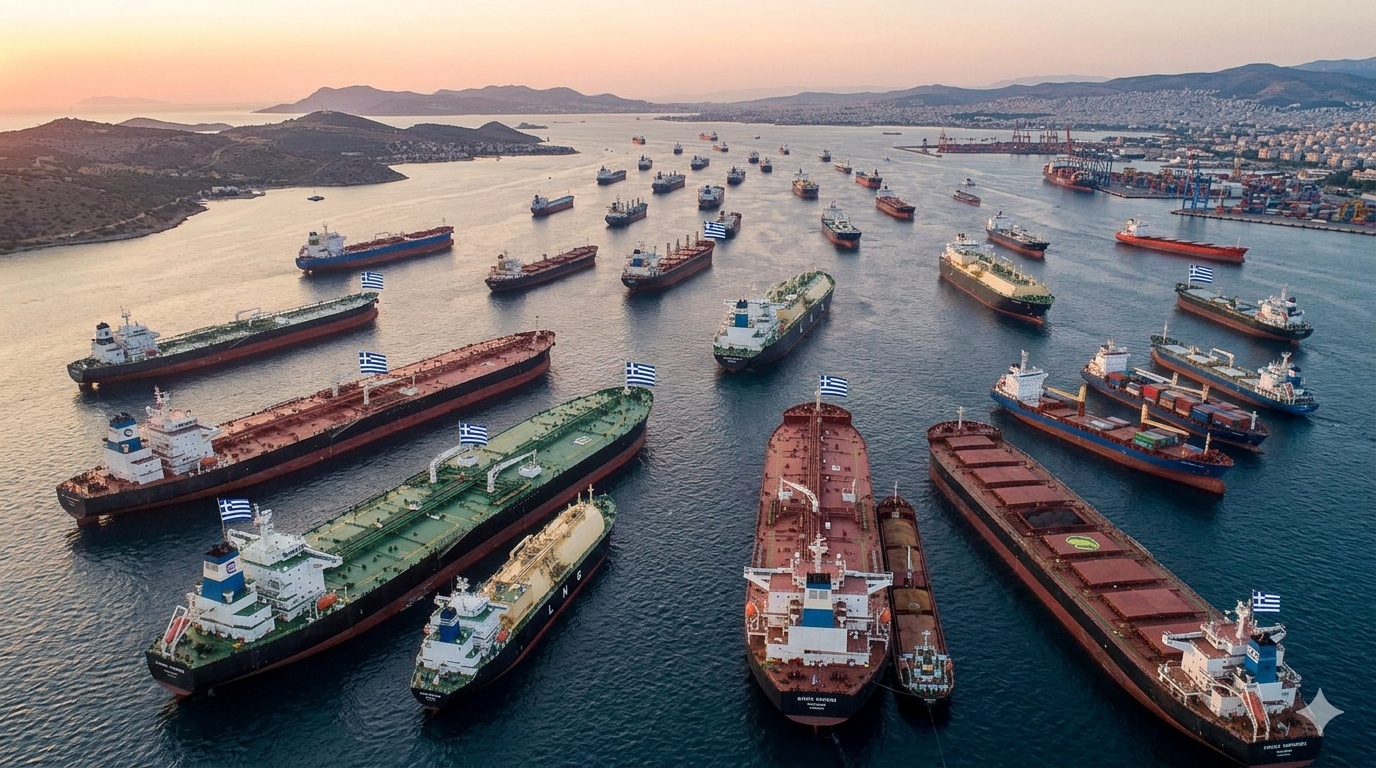
Neither the USA nor China: a small European nation has become one of the largest maritime powers on the planet, controlling one of the largest merchant fleets in the world with thousands of ships and dominating the global transportation of oil and strategic cargo.
-
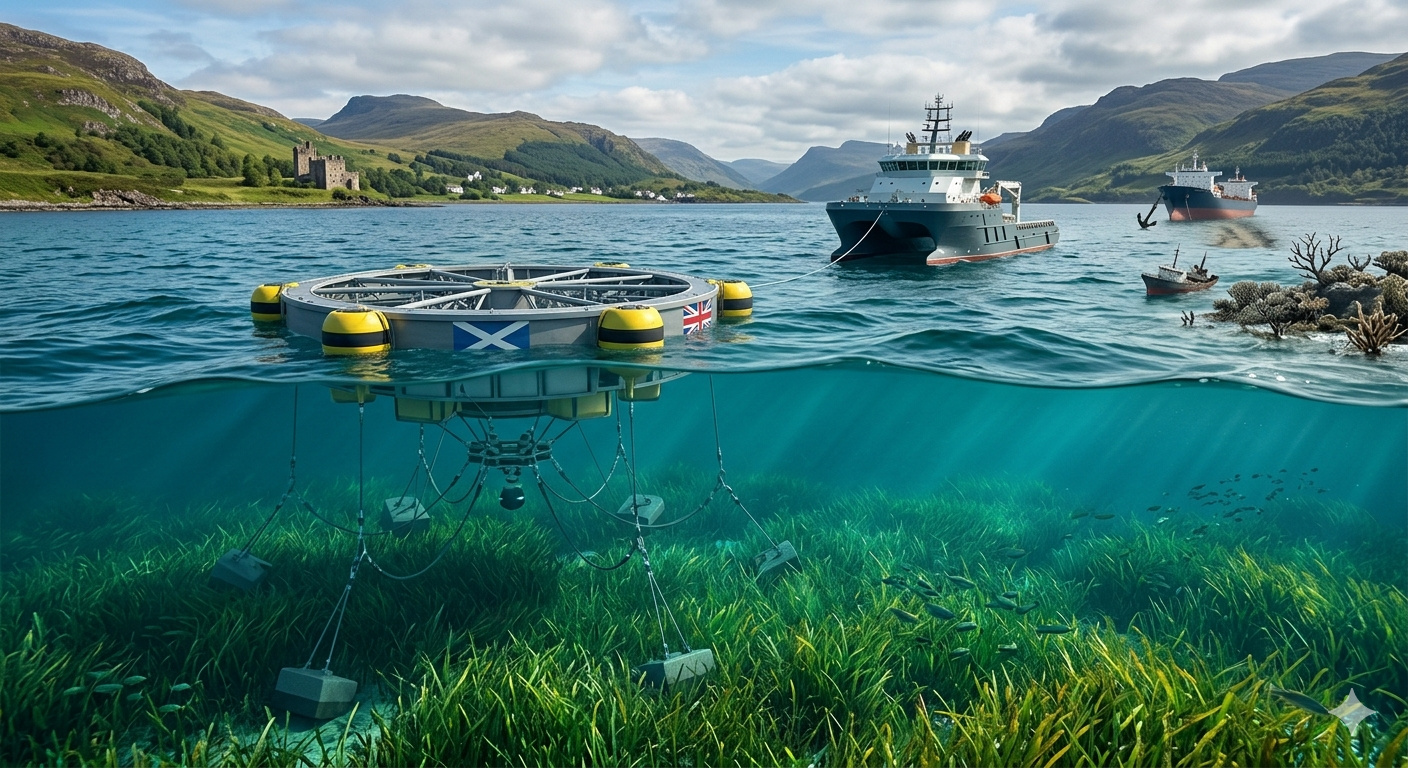
Scotland and the United Kingdom have created a new anchoring system that floats in the water without touching the seabed, after discovering that the current from a conventional anchor destroys up to 50 m² of seagrass meadow per event and that ship-damaged reefs showed no signs of recovery even ten years later.
-
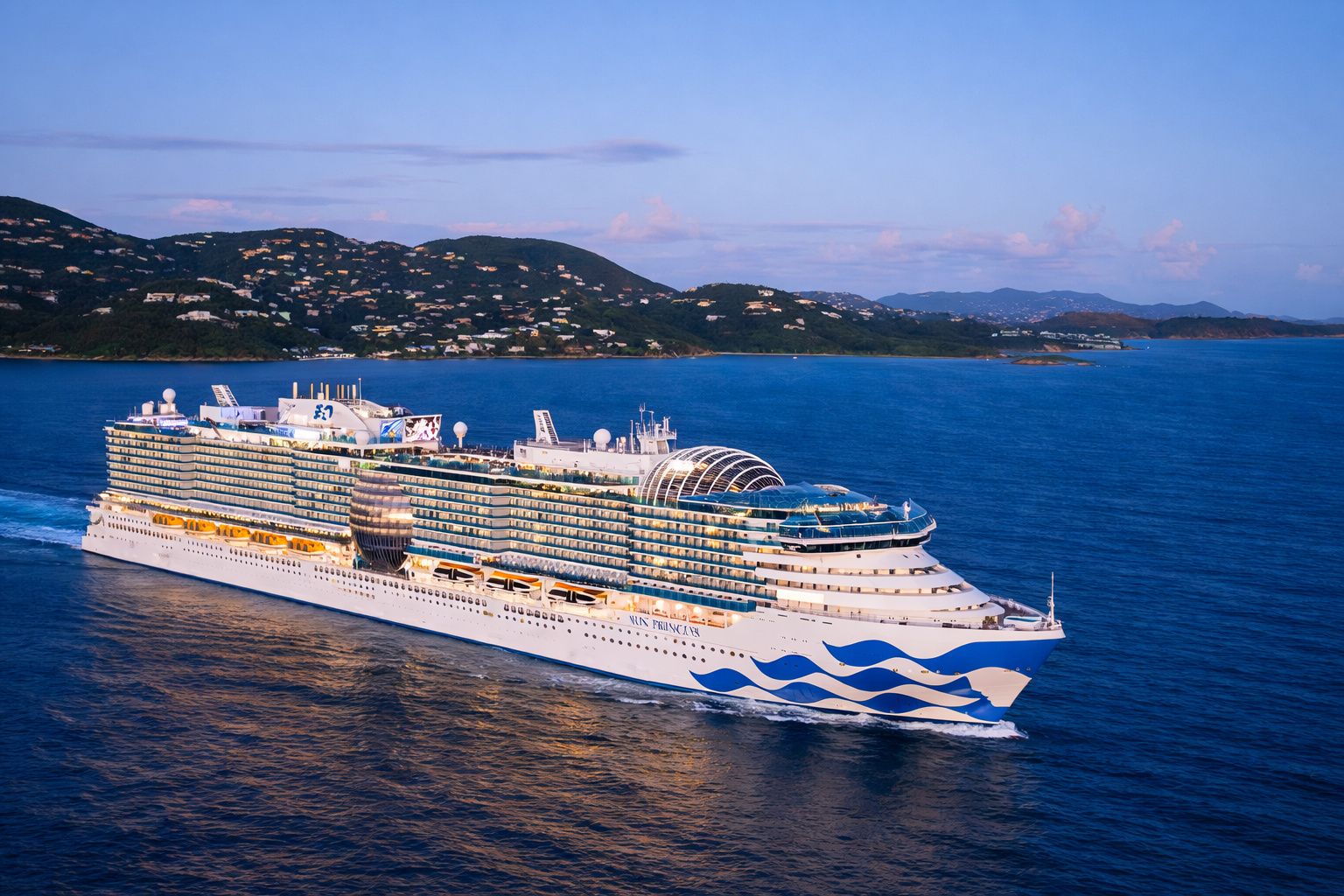
Weighing 175,500 Tons, Measuring 345 Meters Long, and With Capacity for Over 4,300 Passengers, the Sun Princess Becomes the Largest Ship Ever Built by Princess Cruises and Attracts Global Attention for Its Huge Glass Dome Inspired by Santorini’s Architecture Installed on Top of the Vessel
-
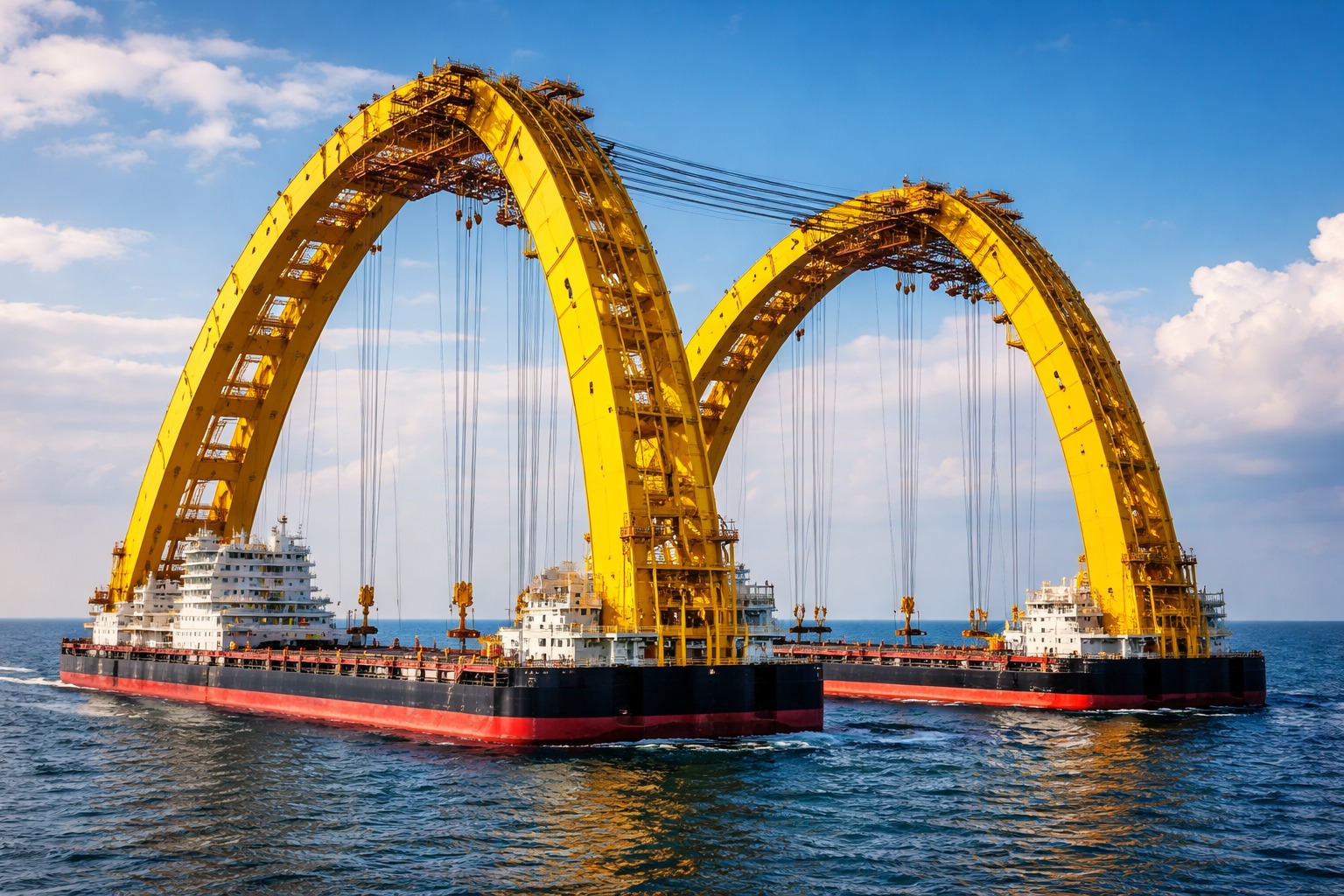
TX-10, The Colossus of The Sea: Largest Lifter Ship in The U.S., With Two Giant Barges, 73-Meter Tall Structure, and Strength to Raise 7,500 Tons of Sunken Oil Rigs

- Length: 458.45 meters (more than four football fields lined up);
- Width: 68.8 meters (equivalent to the base of a 23-story building);
- Draft: 24.6 meters (submerged depth comparable to an 8-story building);
- Loaded Weight: 564,763 tons;
- Capacity: 674,297 m³ or about 4,240,865 barrels of oil;
- Maximum Speed: 16.5 knots (approximately 30.6 km/h);
- Crew: about 40 people.
It was a true ship wider than a building, a colossus that required specialized logistics to operate. Its single 9-meter diameter propeller was powered by steam turbines with 50,000 horsepower. Even with all that power, the ship needed 10 km to come to a complete stop and made turns with a radius of 3.7 km.
A Ship Capable Of Withstanding Giant Waves Without Capsizing
The Knock Nevis was built with a double hull and reinforced to withstand colossal waves. Its width and deep draft ensured unprecedented stability. In open water, even under severe storms, the ship did not critically sway. Therefore, it was also known as the ship capable of facing giant waves without capsizing.
The hull thickness was 3.5 cm throughout the entire structure. This reinforcement, combined with its gigantic width, ensured that the ship behaved with stability even in the roughest waters. It was, literally, a building sailing in the ocean.
A Different Routine: Living Aboard The Largest Ship
With its enormous size, day-to-day life on the Knock Nevis was not conventional. The crew, made up of 40 sailors, used bicycles to traverse the deck. There were workshops, dining halls, accommodations, control rooms, and engineering systems spread over dozens of meters.
The ship could not be received at just any port. Its supplies were made by barges and support ships. On average, the Knock Nevis transported in a single trip enough to fuel all the cars in Brazil for over a week.
Years Of War And Destruction In Combat
In 1988, during the Iran-Iraq War, the then Seawise Giant was hit by Exocet missiles launched by Iraqi fighters while anchored near Kharg Island in Iran. The ship partially sank in shallow waters.
Two years later, it was refloated, taken to Singapore, and refurbished. It left the shipyard under the name Happy Giant and, later, in 1991, was renamed Jahre Viking, a name by which it became famous worldwide.
The Peak As Jahre Viking
During the 1990s, the ship actively operated as a crude oil tanker, with frequent routes between the Persian Gulf and American refineries. But its size was a problem: it could not transit through canals like those of Suez or Panama. Even the English Channel did not allow its passage.
Common ports did not accept it. It had to be anchored dozens of kilometers off the coast, where it was unloaded onto smaller ships, in operations that could take days.
The Transition To FSO: Floating Storage Base In Qatar
In 2004, the Jahre Viking was purchased by Maersk Oil, renamed Knock Nevis, and transformed into an FSO (Floating Storage and Offloading) unit, that is, a floating oil storage base. It was anchored in the Al Shaheen field in Qatar.
There, it remained until 2009, serving as a repository for oil extracted from the region before being sent to transport ships. It marked the end of an era of navigation, but not the end of its relevance to the oil industry.
In 2010, after three decades of service, the Knock Nevis was decommissioned and taken to the coast of India, where it was dismantled at the Alang shipyard. There, it was scrapped, officially ending its journey as the largest oil tanker in the world.
Even dismantled, the legacy of the ship remains alive. It represents a milestone in naval engineering and global logistics. No other ship has matched its size and transport capacity in a single hull to this day.
Comparing With Other Giant Ships
| Ship | Length | Width | Capacity (tons) | Status |
|---|---|---|---|---|
| Knock Nevis | 458.4 m | 68.8 m | 564,763 | Dismantled |
| TI Class Supertankers | 380 m | 68 m | 441,585 | In Operation |
| HMM Algeciras (cargo) | 400 m | 61 m | 228,283 (TEUs) | In Operation |
The Knock Nevis was not only the largest ship, but also the most emblematic. It carried more than any other, even compared to modern super freighters.
The Knock Nevis was more than an engineering feat: it was a floating monument to the oil era. Its monstrous dimensions, unyielding resilience, and long history made it an icon of global navigation.
Even decommissioned, it remains a reference when talking about the largest ship in the world or projects that challenge the limits of human capacity. The Knock Nevis is, for many, the ocean colossus that will never be forgotten.









Há construções que não devem ser desativadas, quase meio km, um pequeno aeroporto.
A matéria aborda o transporte marítimo e como a engenharia naval sempre teve um papel crucial no transporte desse modal, aí começa uma discussão política nos comentários em relação ao tamanho do navio citado na texto, em relação a corrupção no país. O que, na minha opinião todo mundo teria que compreender, política sempre foi suja e nunca teve a intenção de solucionar os problemas do país, do Estado ou das cidades, independentemente do partido ou da ideologia,, seja direita, esquerda ou centro, resumindo, sempre vão ter os ” encantadores de ****” como dizem, para tentar enganar os brasileiros as vésperas das eleições. Não acreditem em políticos, e em nenhum deles, especialmente no Brasil, eles querem o bem para eles, nunca para população.
Aqui em Suape ensaiaram a confecção de um navio que nunca saiu do lugar.
O PT É A MAIOR FÁBRICA DE **** E **** DO PLANETA