





 Português
  Inglês
  Espanhol
  2 min de leitura
  0 comentários


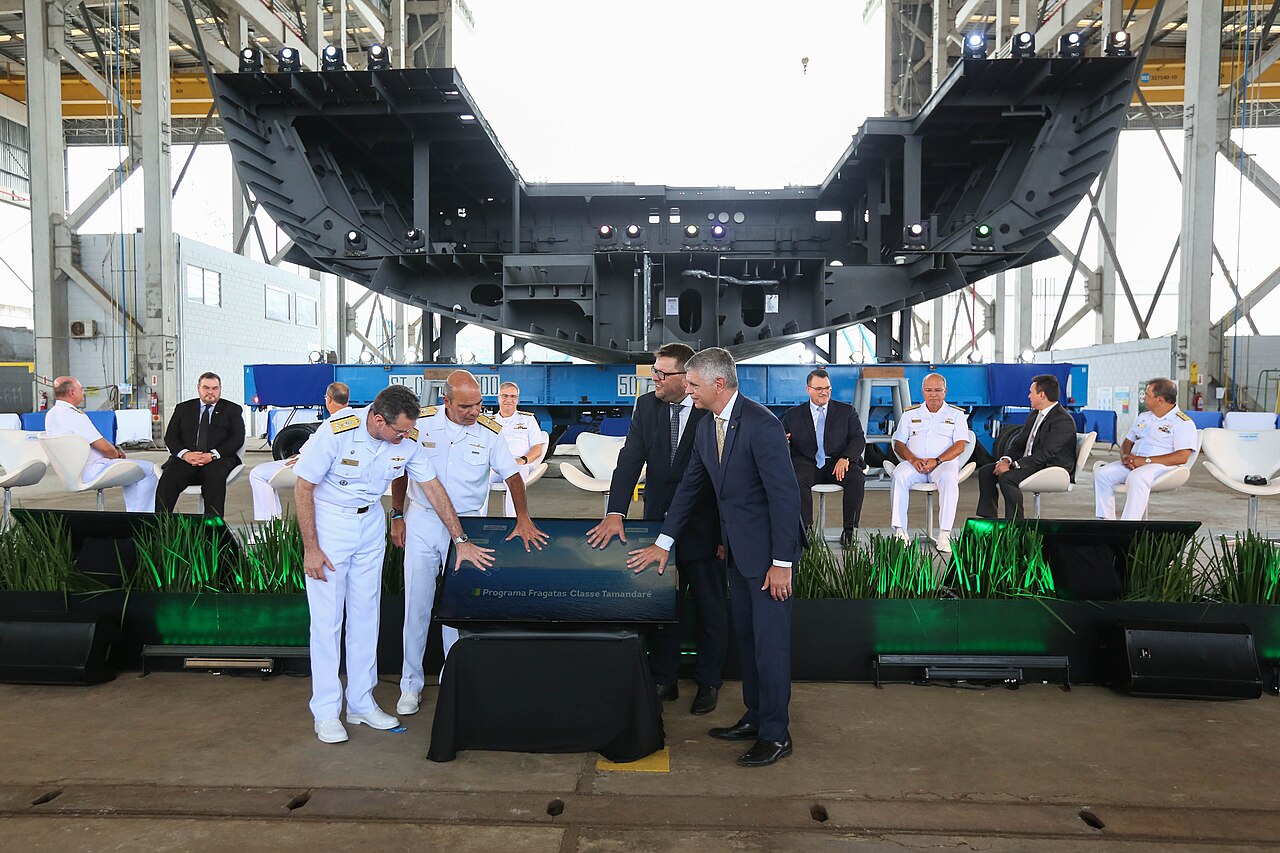
Symbol of Protection and Good Luck, the Keel Laying Ceremony Crosses Centuries of History with Rituals that Unite Superstition, Tradition, and Technology in Modern Shipyards
The construction of a ship begins symbolically. The so-called keel laying is the ceremony that marks the start of the vessel’s assembly. The main gesture is the fastening of the first rivet to the ship’s base structure: the keel.
Considered the heart of the vessel, the keel is surrounded by symbolism and superstitions. The ritual originated as a way to ward off evil spirits and ensure protection during the ship’s life.
Over time, various traditions linked to this moment have emerged. One of the best-known is placing a newly minted coin under the keel, a practice that symbolizes good luck for the ship, its owners, and its crew.
-
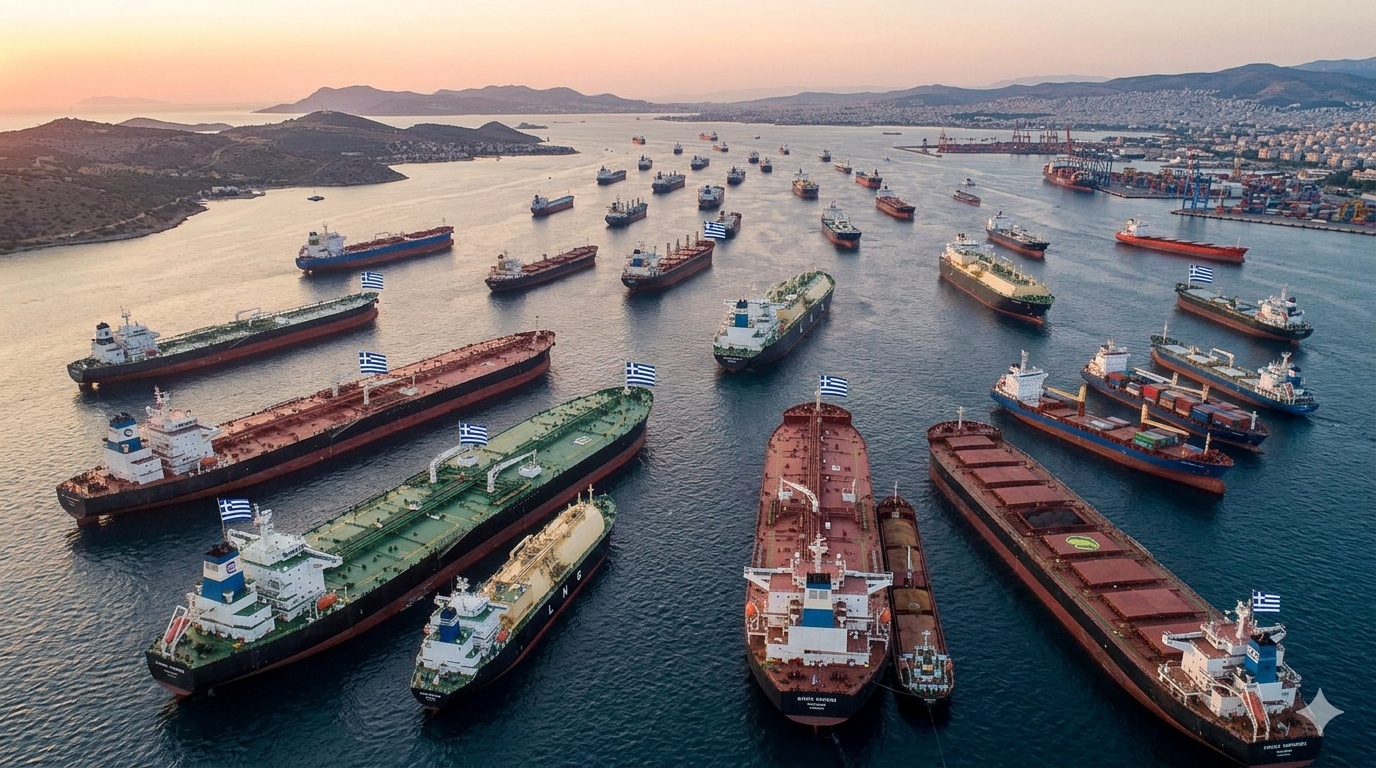
Neither the USA nor China: a small European nation has become one of the largest maritime powers on the planet, controlling one of the largest merchant fleets in the world with thousands of ships and dominating the global transportation of oil and strategic cargo.
-
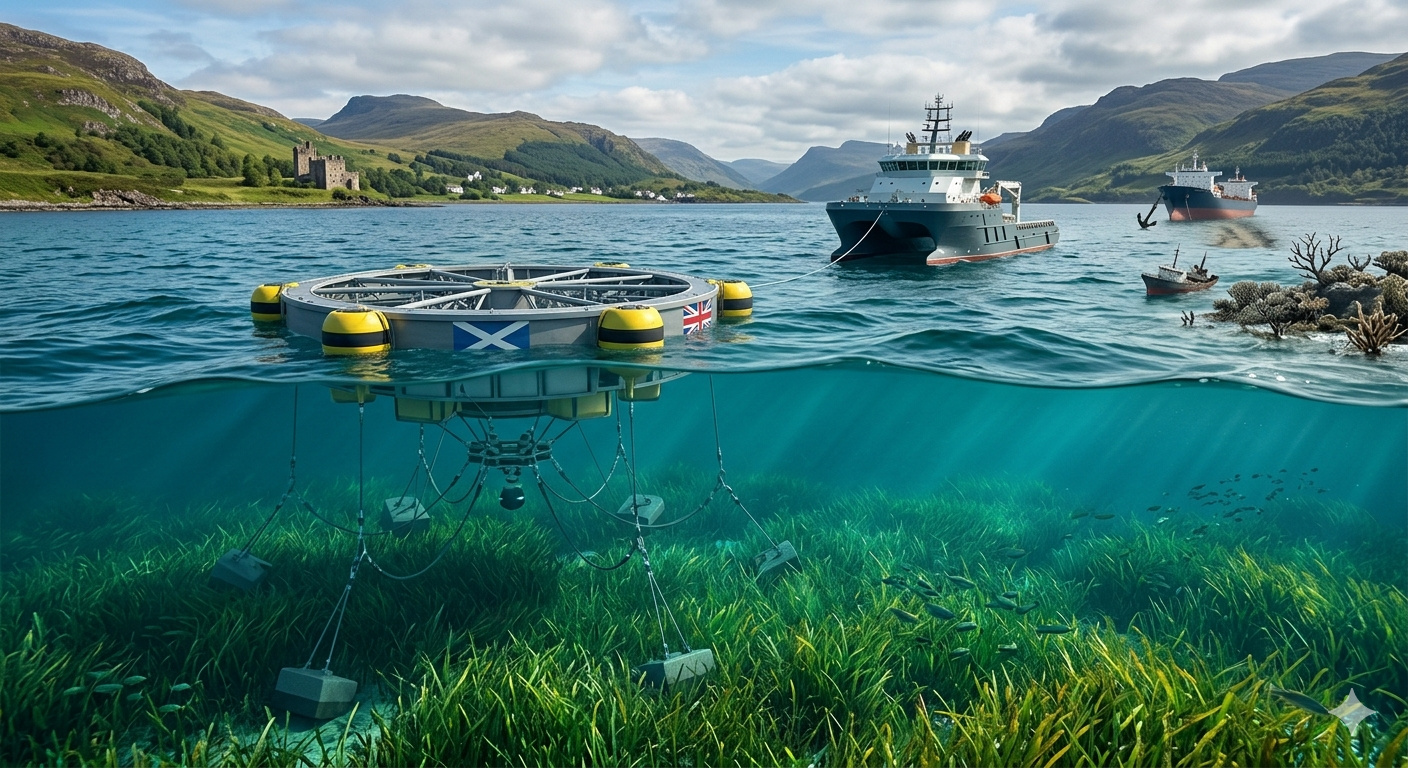
Scotland and the United Kingdom have created a new anchoring system that floats in the water without touching the seabed, after discovering that the current from a conventional anchor destroys up to 50 m² of seagrass meadow per event and that ship-damaged reefs showed no signs of recovery even ten years later.
-
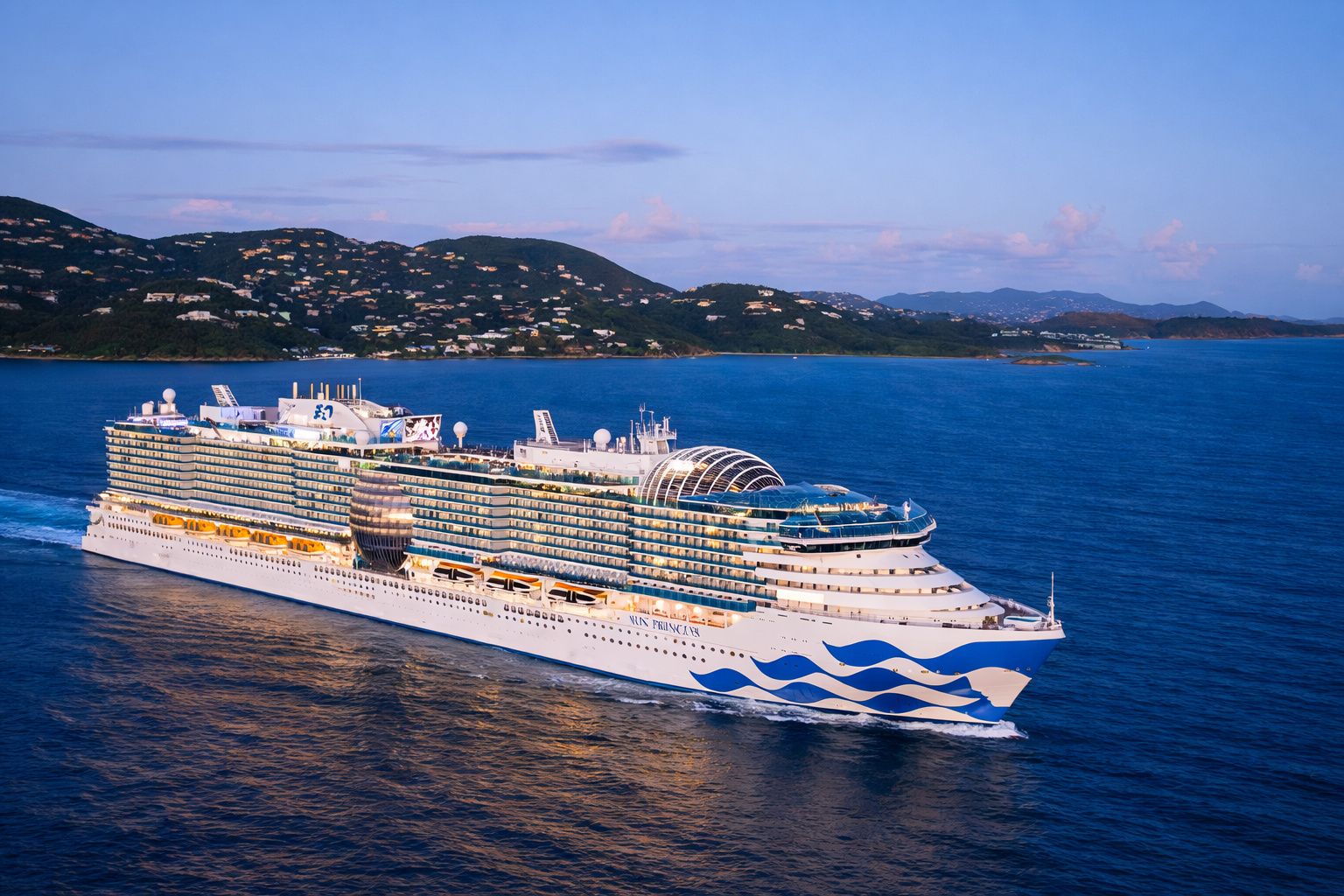
Weighing 175,500 Tons, Measuring 345 Meters Long, and With Capacity for Over 4,300 Passengers, the Sun Princess Becomes the Largest Ship Ever Built by Princess Cruises and Attracts Global Attention for Its Huge Glass Dome Inspired by Santorini’s Architecture Installed on Top of the Vessel
-
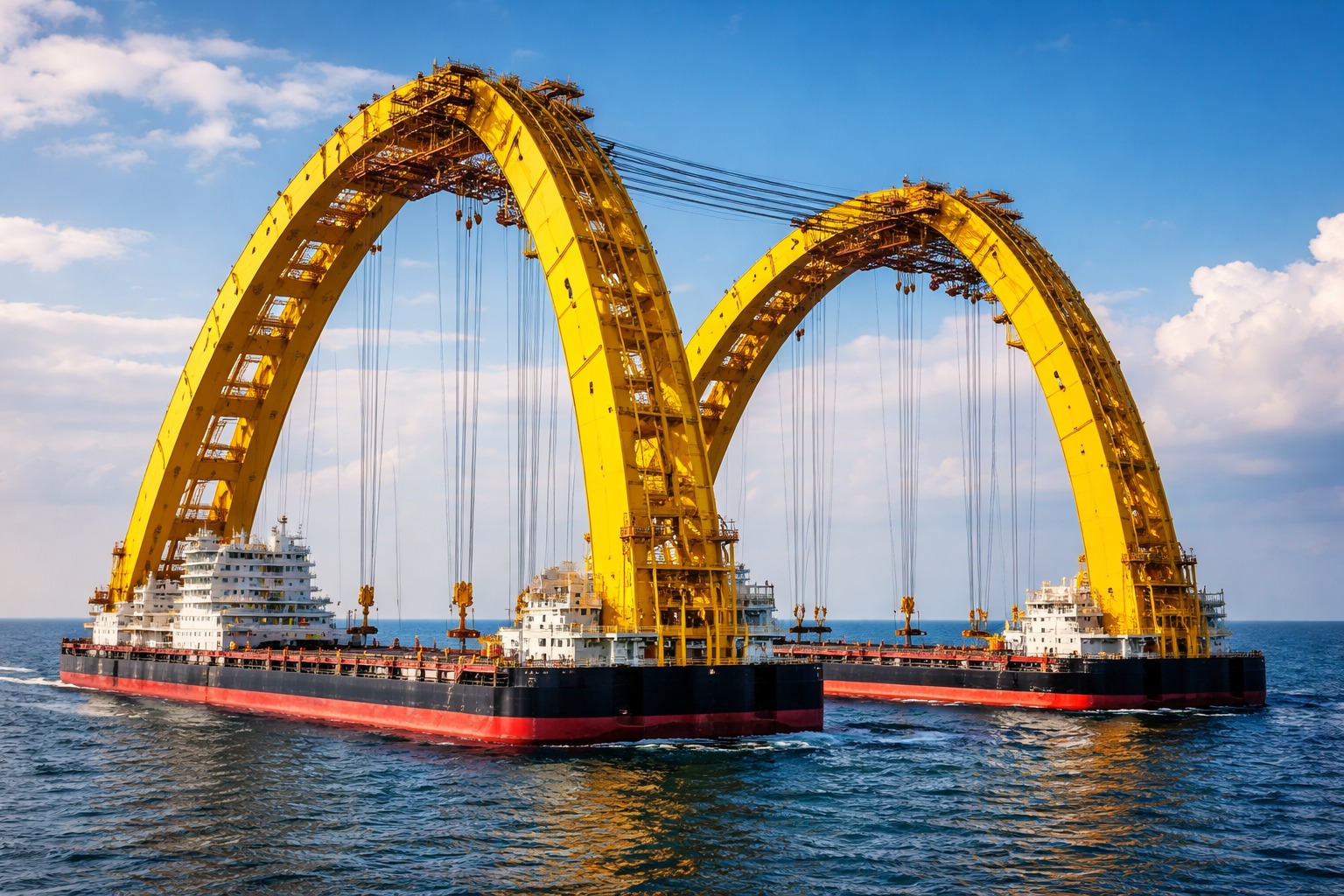
TX-10, The Colossus of The Sea: Largest Lifter Ship in The U.S., With Two Giant Barges, 73-Meter Tall Structure, and Strength to Raise 7,500 Tons of Sunken Oil Rigs

In some cases, the youngest apprentice is responsible for placing the coin. When construction is completed, the block of wood that supported the keel is given as a keepsake to the owners.
This tradition dates back to ancient times. In Greece and Rome, a coin was placed under the mast of ships to “pay the ferryman” who, according to belief, guided the souls of the dead across the river Styx in case the ship sank.
This symbolic gesture, with religious and cultural roots, has crossed centuries and reached today’s shipyards.
With technological advancements and the adoption of modular construction, the ceremony has also evolved. Today, the keel laying marks the placement of the first structural block of a ship.
Despite the innovations, the tradition of the coin continues. The act is maintained in shipyards around the world as a symbol of protection and success in the vessel’s journey.
In Brazil, the Navy continues to respect this rite. In October 2023, during the construction of the Polar Ship “Almirante Saldanha”, a commemorative coin was placed in the structure at the time of the keel laying.
The ceremony took place at the Jurong Aracruz Shipyard in Espírito Santo, with the presence of civil and military authorities.
The ritual remains a bridge between the past and the present, showing that, even with modernity, there is space to respect the roots of naval construction.
With information from Wikipedia.








Seja o primeiro a reagir!