





 Portuguese
  English
  Spanish
  3 min of reading
  0 comments


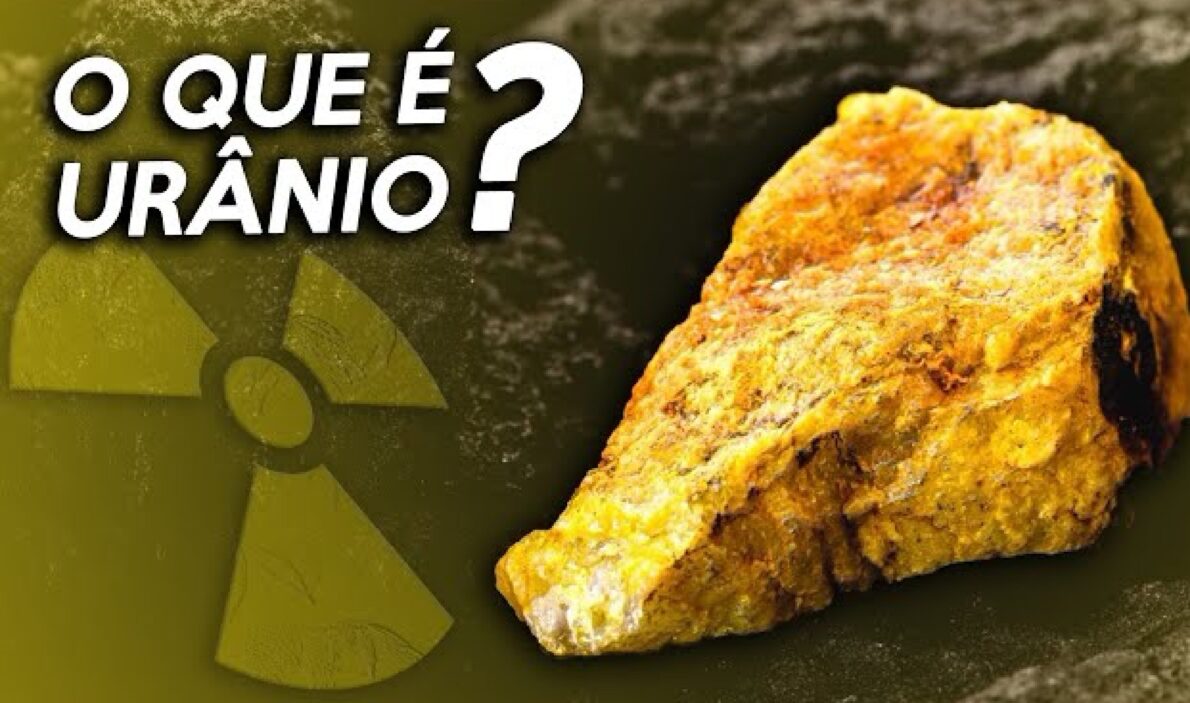
Understand The Role Of Uranium, A Radioactive And Extremely Energetic Element, In The Generation Of Nuclear Energy And In Other Industries
Uranium is one of the most fascinating and controversial chemical elements in the periodic table. Represented by the symbol “U”, this heavy metal plays a central role in both nuclear energy generation and other industrial, scientific, and military applications, according to the video from the channel Engenharia Detalhada. But what makes uranium so special and, at the same time, dangerous?
What Is Uranium And Where Is It Found
Uranium is a naturally radioactive chemical element, found in large quantities in the Earth’s crust. Contrary to what many believe, it is not rare; in fact, it is one of the most abundant elements on the planet. However, uranium is not found in its pure form, but rather combined in minerals such as uraninite and carnotite.

The largest uranium reserves are concentrated in countries such as Kazakhstan, Canada, Australia, Russia, South Africa, and the United States. These countries are the world’s main producers of uranium, extracting it from different types of mineral deposits, such as igneous rocks, sand deposits, and sedimentary rocks.
-
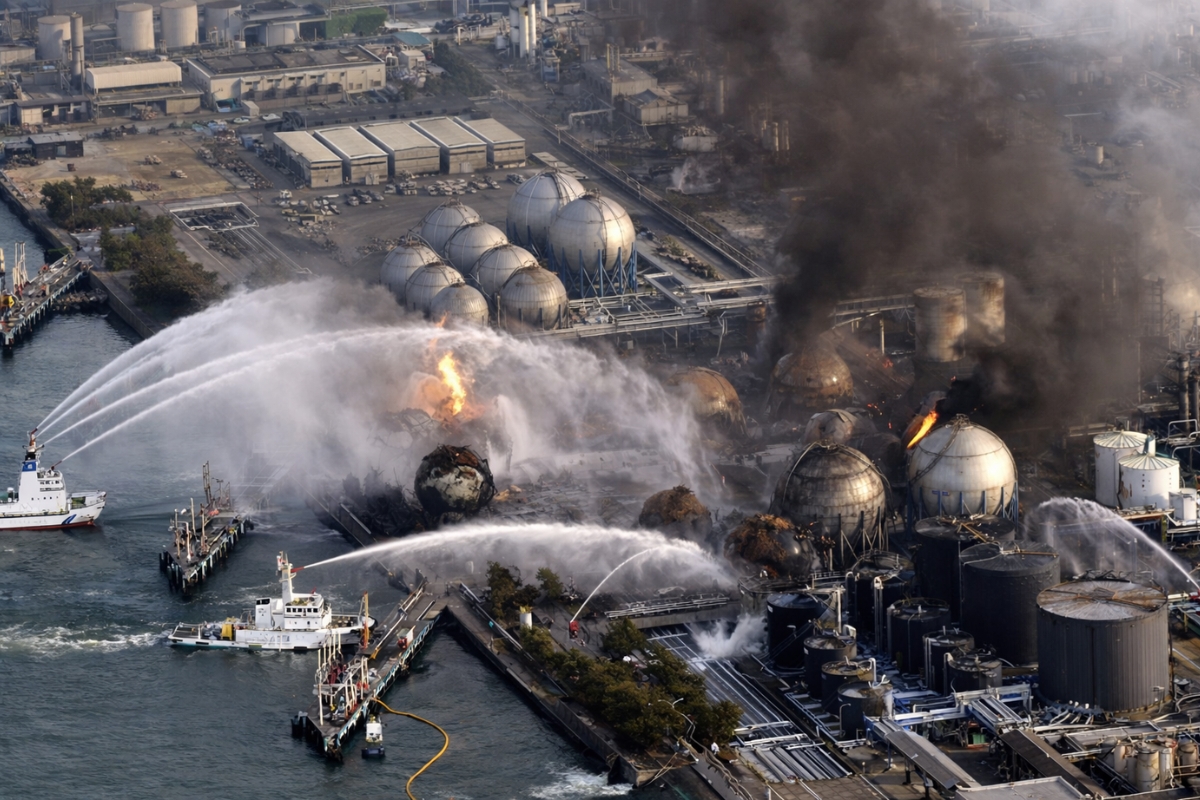
Fukushima Marks A Turning Point In Japan’s Energy Policy: After The Disaster, The Country Shut Down Its 54 Nuclear Reactors And, 15 Years Later, Only A Small Portion Have Returned To Operation
-
How Japan Overcame The Nuclear Bomb And Now Houses Millions In Hiroshima, While Ukraine Lost Chernobyl?

-
Bill Gates Receives Historic Approval to Build Giant 345 MW Nuclear Plant in the U.S. and Promises to Generate Up to 500 MW of Energy with Innovative Technology

-
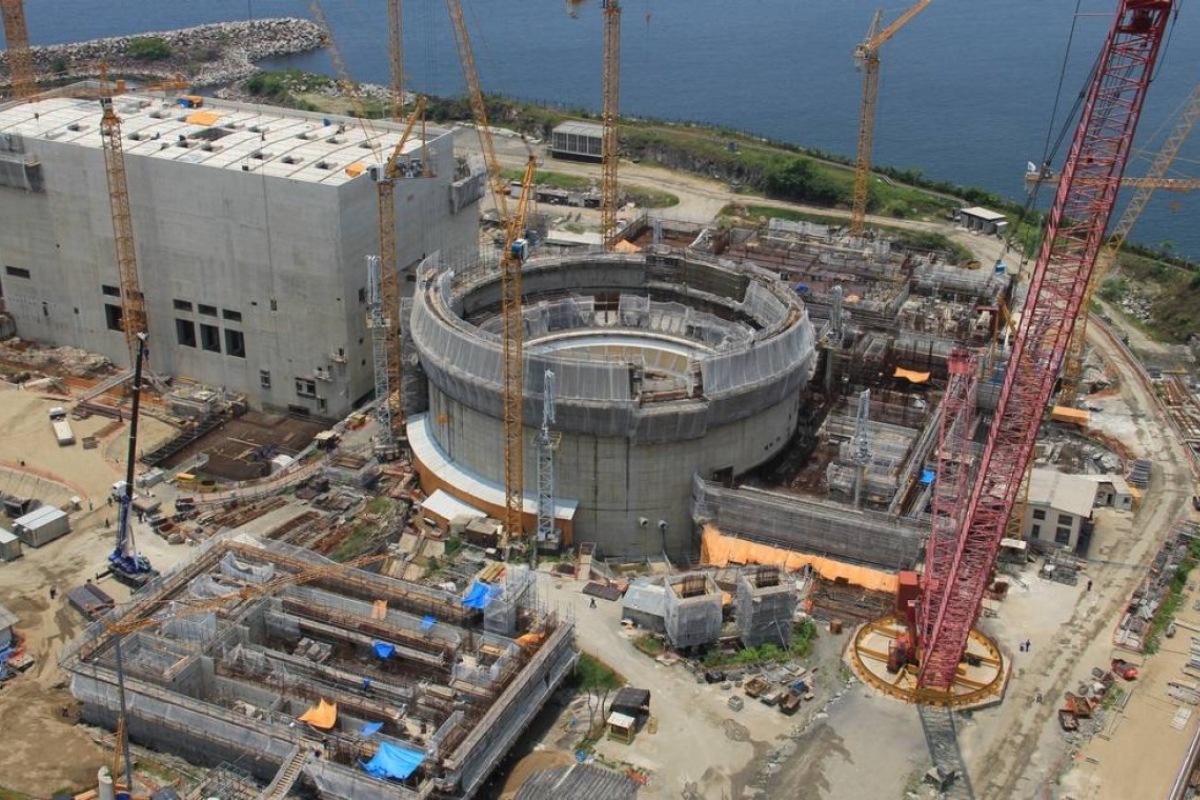
India Opens Nuclear Energy to Private Capital to Accelerate Projects and Attract Billions, While Brazil Remains Stalled at Angra 3 and Discusses Who Will Foot the Bill for Completion

Uses Of Uranium In Energy Generation And Beyond
The main use of uranium is for energy generation and fuel in nuclear reactors, where the fission of uranium-235 generates heat. This heat is converted into electricity, providing power to millions of people around the world. Nuclear energy is considered one of the most efficient and clean sources of electricity, but its use is also marked by safety issues and radioactive waste.

Besides energy generation, uranium has applications in the production of nuclear weapons, where it is enriched to create explosives of enormous destructive power. The arms race of the 20th century and events such as the Chernobyl disaster highlight the dangerous side of the improper use of this material.
In medicine, uranium also plays a crucial role. Radioactive isotopes derived from uranium are used in diagnostics and treatments, such as in cancer therapy, where radiation helps destroy cancer cells. Other applications include the production of ceramics and glass, fluorescent pigments, and even in the propulsion of spacecraft.
Safety And Regulation
Due to its potential risk, handling uranium is highly regulated. Mining companies and industries that use uranium must follow strict standards to ensure the safety of workers and nearby communities. The use of personal protective equipment, adequate ventilation, and constant monitoring of radiation exposure are some of the measures adopted to minimize the dangers associated with radioactivity.








-

Uma pessoa reagiu a isso.