






 Portuguese
  Spanish


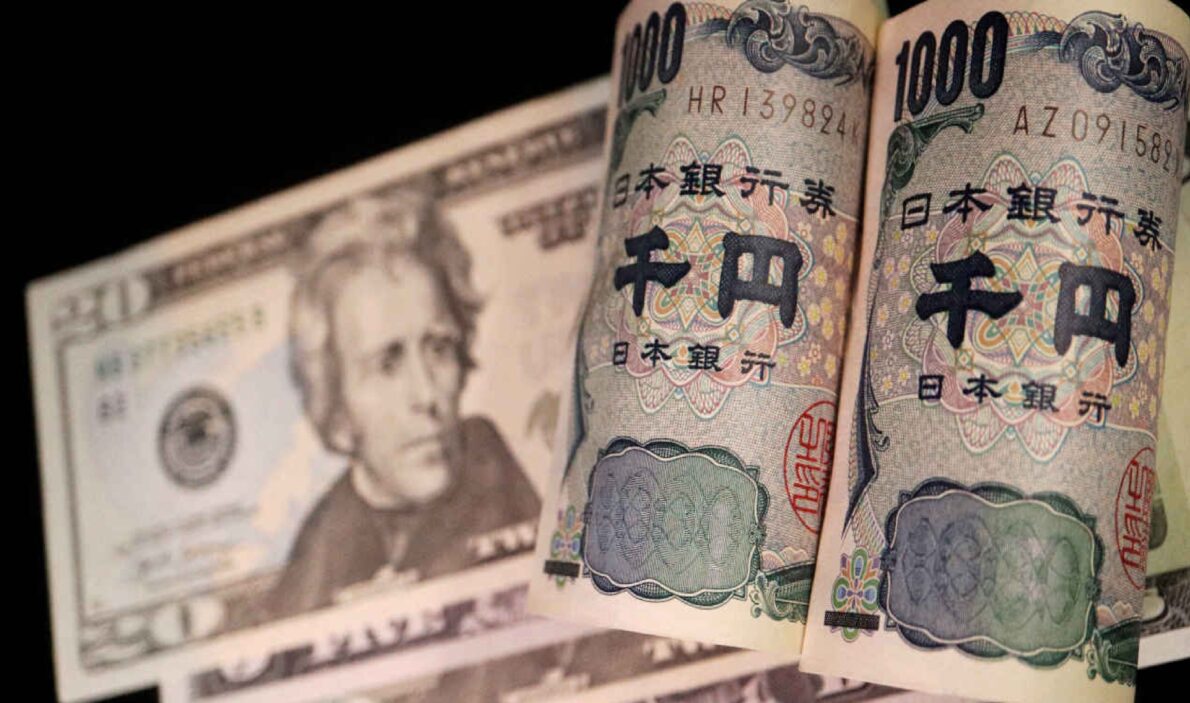

Japan Faces Economic Challenges While China Quickly Conquers The Electric Vehicle Market With Speed And Efficiency
Japan, one of the largest economic powers in the world, is in the midst of a deep crisis in its economy that is shaking its financial and industrial foundations. While the Bank of Japan (BoJ) struggles to control the depreciation of the yen and rising inflation, China, with its aggressive market strategy, is quickly taking over the electric vehicle sector, once dominated by the Japanese, according to a video from the Mobility Channel – MOCHA.
In recent years, the BoJ has taken drastic measures to contain the yen’s decline, accumulating trillions of yen in Japanese government bonds and keeping interest rates at historically low levels. However, these measures have proven insufficient to address the fundamental problems of the Japanese economy. The collapse of the yen is eroding the purchasing power of consumers and increasing import costs, directly affecting the country’s industrial production.
Economic Crisis And Declining Production
The depreciation of the yen has severely impacted the purchasing power of the Japanese population. Although nominal wages are increasing, real earnings, adjusted for inflation, continue to decline, leading consumers to cut spending in non-essential areas. This decline in domestic consumption is a direct reflection of the loss of confidence in the economy, fueled by monetary instability and uncertainty about the future.
-
While NATO secured more than $10 billion in missiles and space surveillance at a single forum, Brazil still spends 1.1% of its GDP on defense and is stalling its own anti-aircraft system.

-
Corn ethanol attracts R$ 23 billion in 21 new plants and prepares for a nearly 50% jump in Brazilian production by 2027, even with high interest rates.
-
A newly opened terminal in the middle of the Amazon has begun transporting soy and corn through Amapá, eyeing the queue of ships that is congesting the ports in the South.
-
Tesla injected an additional $250 million into the German factory, doubled the battery cell target, and opened its own production line for startups.


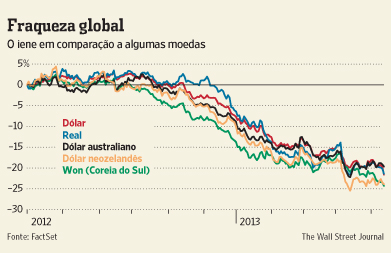
Meanwhile, Japan’s industrial production is declining. Recent data shows that manufacturing output fell by 3.6% in June, a significant decline that was not offset by the yen’s depreciation. Traditionally, a weaker currency would favor exports, making Japanese products more competitive in the global market. However, Japan is facing a different reality, where rising costs of imported inputs, such as energy and metals, neutralize any potential benefits from depreciation.
Toyota, the largest automaker in Japan, exemplifies this situation. The company reported a 13.3% decline in global production in June, marking the fifth consecutive month of decline in the economy. This result highlights the vulnerability of Japanese supply chains in an increasingly competitive global landscape.
China Advances In The Electric Vehicle Market
As Japan struggles to maintain its position in the global market, China is quickly expanding its presence, especially in the electric vehicle market. Chinese companies have shown remarkable adaptability and speed, conquering markets traditionally dominated by Japanese brands. A notable example is the case of GAC Aion, a Chinese electric vehicle manufacturer that in just 74 days since its arrival in Thailand, managed to sell its first electric vehicle in the country.

Thailand, historically a stronghold for Japanese brands, is witnessing a rapid shift in its automotive market. In 2022, 85% of vehicles sold in the country were from Japanese brands. In 2023, that number fell to 76%, while Chinese brands more than doubled their market share, from 4.7% to 10.3%, driven by increasing demand for electric vehicles.
This shift is fueled by Thai government policies that encourage the transition to green energy, offering significant subsidies for the purchase of electric vehicles. Furthermore, the speed at which Chinese companies develop and launch new models, reducing development time to just 18 months, puts Japanese manufacturers at a competitive disadvantage.





A China não sabe mais onde enfiar carro elétrico. Estoques elevados e vendas em queda.
Só quem for muito b u R r o compra um carro elétrico. A bateria tem 10 anos de garantia, com 5, 6 todo mundo vai quer trocar, quem vai comprar esse usado? Ainda prefiro o renomado motor Toyota a combustão que essas **** chinesas!
Tô fora!
Falta é incentivo do governo para colocar mais pontos de enegia outra rápido para carregamento de carros elétricos, 5e6 reais o litros? Só se foi litrão kkk , os bolso dis brasileiro vai sobrar e garantido a picanha na churrasqueira e aquela cerveja bem gelada kkkk