





 Portuguese
  English
  Spanish
  3 min of reading
  0 comments


Discover The Innovative Solar System With Vertical Panels And Reflectors That Reduces The Payback Time By Half And Increases Energy Efficiency In Adverse Climatic Conditions
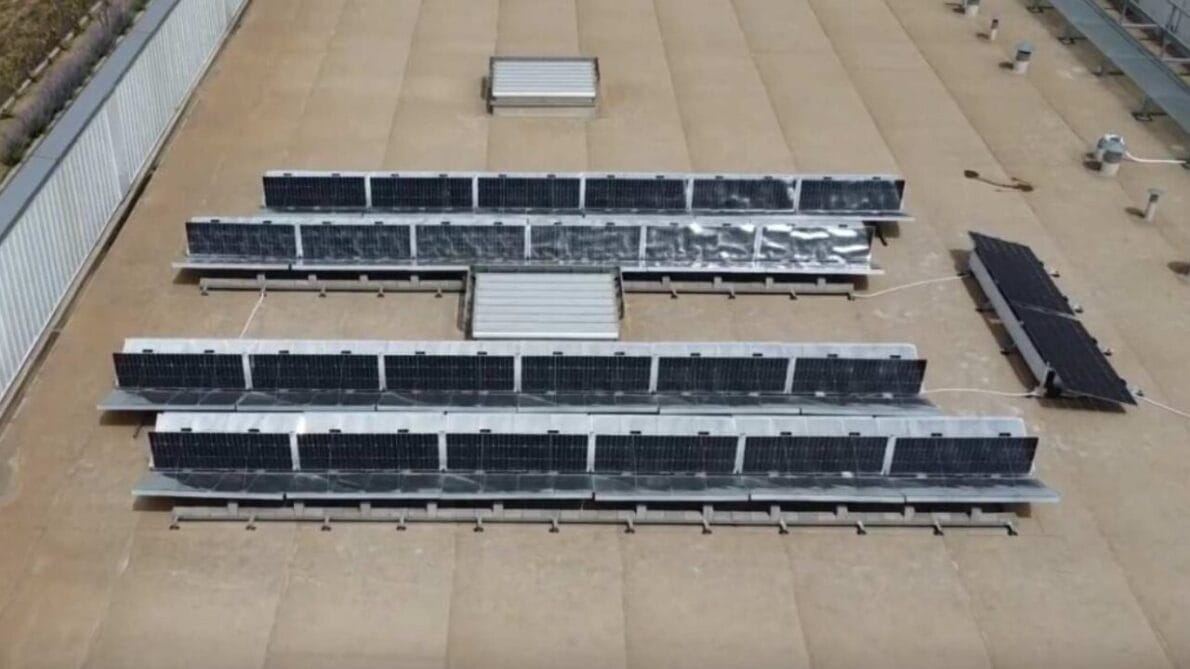
In the field of renewable energy, FutureVoltaics, a spin-off from the Spanish National Research Council (CSIC), has developed VECTHOR, a new photovoltaic solar system based on vertical bifacial solar panels and specially designed reflectors. This article explores the innovations and benefits that VECTHOR brings to the solar energy sector, focusing on its ability to make solar energy more accessible and efficient, particularly in adverse climatic conditions.
VECTHOR: Innovation In Photovoltaic Energy
VECTHOR reduces the payback time of conventional photovoltaic systems installed on rooftops by half. This system’s main goal is to make photovoltaic solar energy more accessible and manageable, producing more energy when it is most needed, such as during winter, early in the morning, late in the afternoon, and on cloudy days.
-
Renewable energy advances over protected areas in Brazil, and a survey by the Energy Transition Observatory reveals silent impacts that challenge environmental conservation and pressure sensitive traditional territories.

-
Rio Grande do Sul accelerates energy transition: State invests in renewable technologies and consolidates decarbonization strategies and pathways to attract billions in new industrial investments.

-
With 160,000 m² of collectors, an area larger than 20 football fields, Silkeborg, in Denmark, hosts a solar thermal plant that heats 19,500 homes and could become the largest solar heating plant in the world.

-
A study reveals the expansion of renewable energy procurement in Brazil and shows how companies are taking advantage of opportunities to reduce expenses, ensure energy efficiency, and strengthen strategic environmental commitments.


The Problem They Solve
Current photovoltaic systems tend to produce more energy than necessary at noon and very little during winter. As more solar energy is installed, the supply of electricity exceeds demand during midday, reducing the value of electricity. A market-ready technology is needed to flatten the solar energy production curve.
VECTHOR Technology
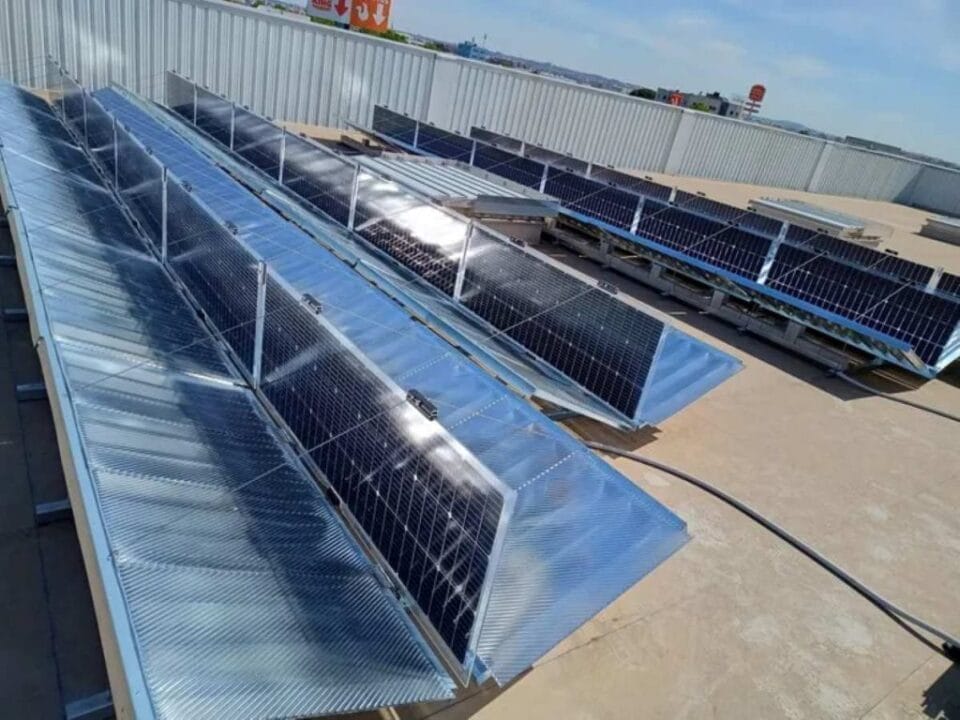
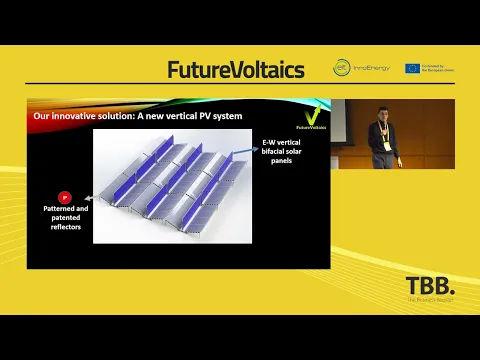
VECTHOR, which stands for VErtical CollecTor with HOrizontal Reflectors, is a patent-pending design that relies on vertical bifacial solar panels and reflectors designed to maintain optimal irradiance on the solar panels at all times without using trackers or moving parts.
Advantages Of VECTHOR:
- Higher Annual Energy Yield: VECTHOR combines the best advantages of fixed-tilt and tracking systems, significantly improving performance in adverse weather conditions.
- Lower Energy Cost, Higher Return On Investment: With greater production at times of higher electricity value, such as cloudy days, sunny winter days, early mornings, and late afternoons, and less need for storage.
- Less Maintenance And Longer Lifespan: The absence of moving parts reduces the need for maintenance compared to trackers. Additionally, there is less exposure to UV rays, which decreases encapsulant degradation and improves radiative and convective cooling.
- Less Urban Heat Island Effect: By reducing heat buildup in urban areas, VECTHOR contributes to mitigating the urban heat island effect.

How They Achieve It
The VECTHOR design, based on vertical bifacial solar panels and horizontal reflectors, maximizes light capture without the need for moving parts. Our minimum viable product (MVP) is ready for small-scale commercialization, based on several prototypes currently operating at our research center. The current prototypes demonstrate performance comparable to single-axis trackers (slightly better in winter and slightly worse in summer) but with ample room for improvement.
VECTHOR represents a significant advancement in photovoltaic solar technology, making solar energy more accessible and efficient under various climatic conditions. With reduced maintenance costs and increased energy production during peak demand times, VECTHOR provides an innovative solution to current challenges in solar energy.
Source: FutureVoltaics









Seja o primeiro a reagir!