






 Portuguese
  Spanish
  3 min of reading
  0 comments


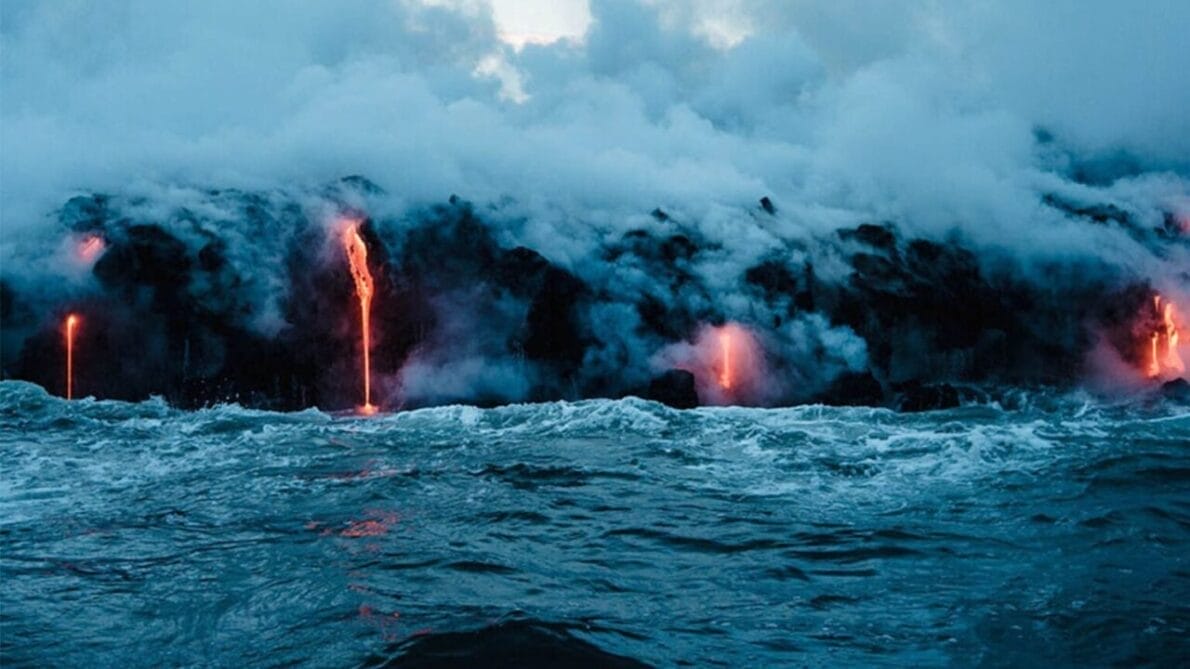
Seafloor Geothermal Energy: The New Electricity Pump That Can Meet Global Demand With Efficiency And Sustainability. See How This Technology Can Change The Future Of Energy
In search of new energy sources that can meet the global electricity demand, a report was recently published claiming to have found an alternative that generates stable and constant energy and hydrogen from the depths of the sea, constituting the most powerful electricity pump known to date.
Where Is This Constant Source Of Electricity?
The Compagnie Générale de Géophysique-Veritas (CGG), specialized in geophysical sciences and technology, developed a report revealing the discovery of an electricity pump in the ocean depths.
The study titled “Energy Offshore: A Green Energy Resource Of Global Importance And Its Responsible Development” confirms the possibility of extracting geothermal energy in an unlimited and accessible way from beneath the sea.
-
Brazilian scientists are simultaneously advancing two research projects on clean hydrogen and driving solutions that could transform the energy matrix, enhance industrial competitiveness, and accelerate large-scale emission reduction targets.

-
Advancement in renewable energy: A R$ 150 million project launched by Petrobras and Finep aims to create state-of-the-art electrolyzers for green hydrogen, strengthening national research and preparing Brazil to compete in a billion-dollar energy market.
-
Illiterate or semi-literate grandmothers were trained to repair solar systems, open rural workshops, and light up homes that still depended on kerosene.
-
The world has bet on green hydrogen as the fuel of the future, but now faces the side effect: producing 1 kilogram requires about 9 liters of ultrapure water, and the largest projects on the planet are precisely in the driest regions of the Earth, where water is already scarce for people.



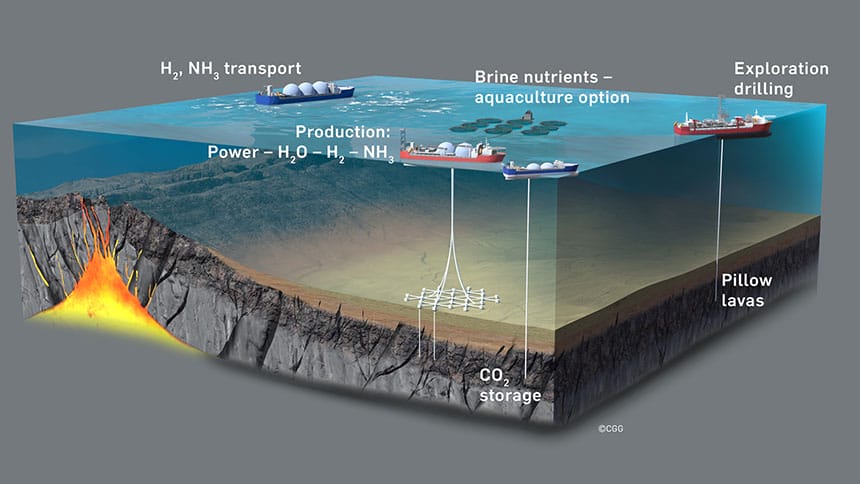
Through the natural dynamics of the movement of underwater tectonic plates, not only would electricity be generated, but hydrogen and ammonia could also be extracted. The found electricity source could significantly reduce energy costs.
The CGG Report That Reveals The Discovery Of An Endless Source Of Energy
Geothermal energy has the potential to offer a constant, endless, and unlimited energy resource, setting it apart from photovoltaic capture methods and wind farms, which rely on weather conditions to achieve greater efficiency.
Thus, the electricity pump operates steadily 24 hours a day, regardless of external factors and in a more accessible way, as it does not require investment in large structures and does not create visual pollution like the previously mentioned sustainable methods.
The challenge of this form of energy extraction is finding a suitable location to install a plant and the high costs incurred. Generally, companies engaged in this work set up in areas with easy access to hot and permeable rocks.
However, the CGG report assures that the constant electricity source is located at the seafloor and that its extraction would be simpler and cheaper using its own technology.
What Is This New Extractive Technology?
The authors of the study claim that geothermal plants should be installed along the seafloor, which is precisely where the tectonic plates constantly separate from each other and generate new pieces of Earth’s crust.
In this context, there would be about 65,000 km of underwater extension where the magma arising from this movement is closer to the surface. This position would be more favorable for extracting energy than solid land.
The inconvenience that geothermal development would face is the cabling structure needed to obtain the energy and inject it into the grid. Therefore, CGG devised a plan that captures fresh water from the steam passing through the turbines and electrolyzes it to convert it into green hydrogen.
This process allows for the production of three elements: fresh water as a by-product, pure hydrogen, and ammonia after the transformation of hydrogen. CGG has already applied for a patent for its invention, though it makes it available for countries to promote its application.
In this sense, there are already companies like Quise, founded by engineers from the Massachusetts Institute of Technology, who invented a drill that can reach more than 20 km in depth for the extraction of underwater energy.
The efficient geothermal energy extraction technology from this electricity pump, replicated worldwide, allows for cost reduction and constant energy supply, eliminating the use of fossil fuels.
Check out the CGG article by clicking HERE








Be the first to react!