





 Portuguese
  English
  Spanish
  3 min of reading
  0 comments


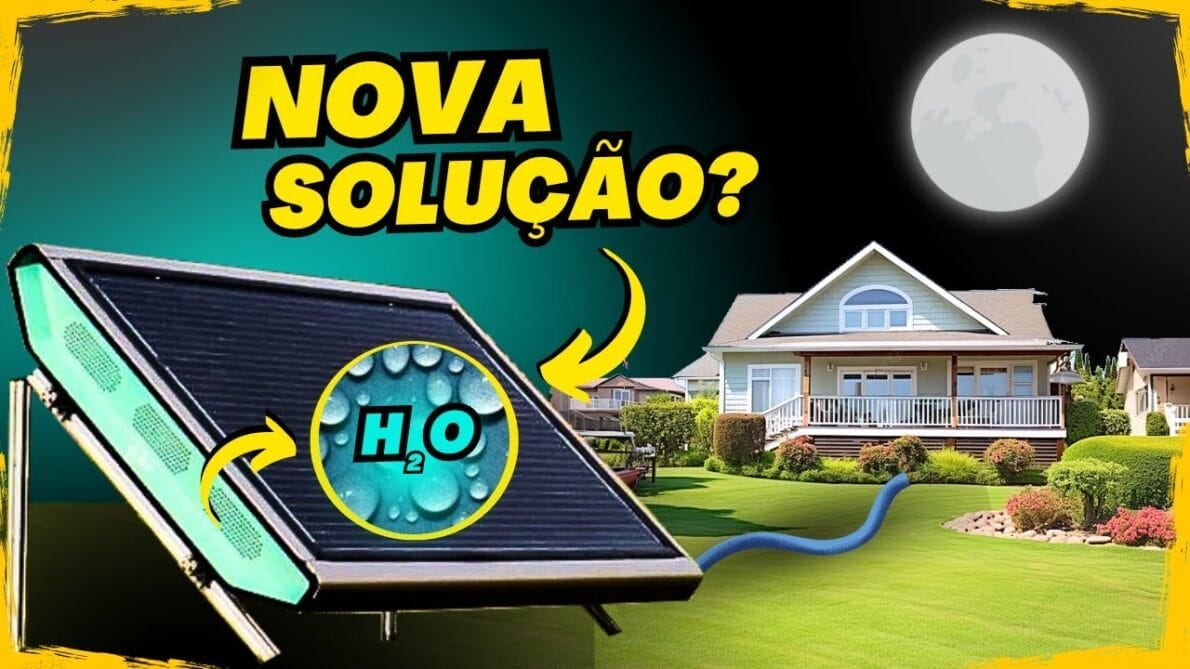
Researchers in Belgium Develop a New Solar Panel Capable of Generating Green Hydrogen. The Solar Energy Equipment Can Produce Up to 250 Liters of Gas Daily.
With sustainability gaining more and more attention, new technologies are emerging focused on clean energy generation. This time, a startup is working on an initiative called Solhyd, which aims to use a solar panel for the production of green hydrogen. Like conventional panels, these hydrogen panels will be connected, but by gas tubes instead of electric cables.
Hybrid Solar Panel Can Produce Up to 250 Liters of Green Hydrogen Per Day

For more than 10 years, researchers have been developing and refining this technology, with the final prototype incorporated into an attractive design by Comate Engineering & Design. The solar panel for the production of green hydrogen transforms the water vapor found in the air into hydrogen, with the help of sunlight.
The creators assure that they can produce about 250 liters of hydrogen daily, achieving an efficiency of 15%. The project, called Solhyd, has entered the transition phase from research to investment through a partner company.
-
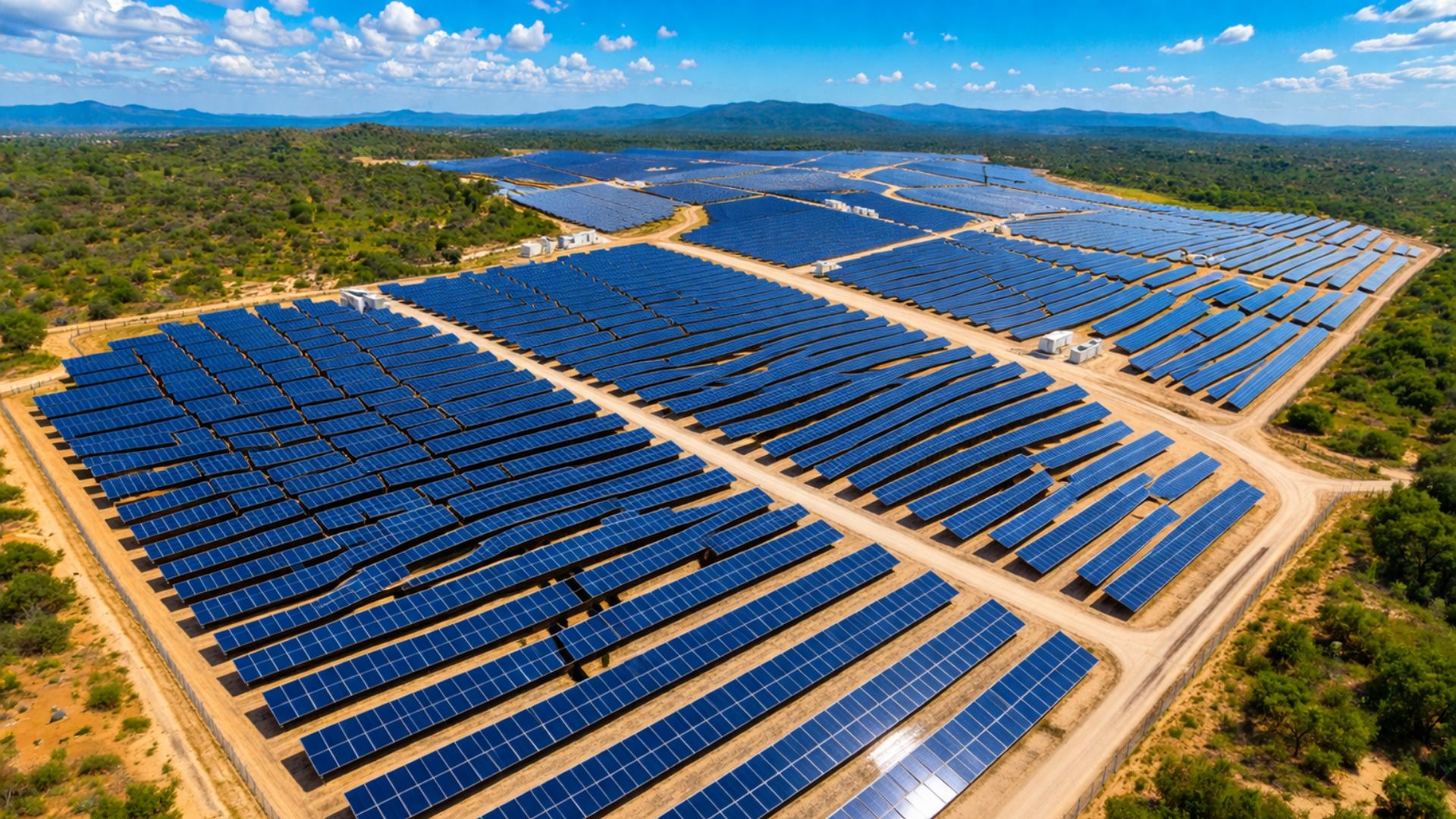
The Sol do Agreste Photovoltaic Complex begins operations in Pernambuco and accelerates the expansion of solar energy in Brazil, directly impacting the reduction of emissions and strengthening the sustainable energy matrix.
-
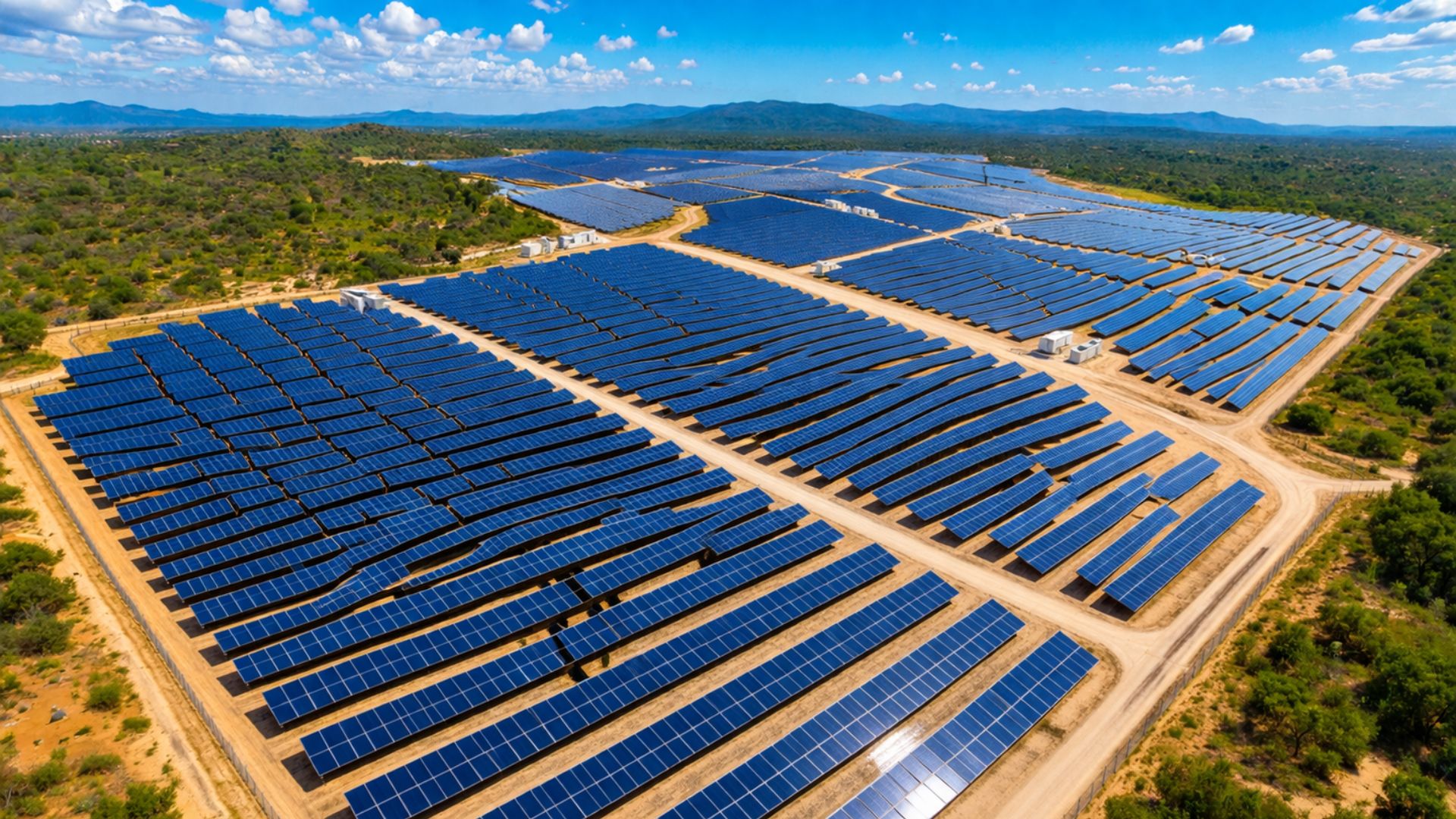
The Sol do Agreste Photovoltaic Complex begins operations in Pernambuco and accelerates the expansion of solar energy in Brazil, directly impacting the reduction of emissions and strengthening the sustainable energy matrix.
-
Renewable energy advances over protected areas in Brazil, and a survey by the Energy Transition Observatory reveals silent impacts that challenge environmental conservation and pressure sensitive traditional territories.

-
Rio Grande do Sul accelerates energy transition: State invests in renewable technologies and consolidates decarbonization strategies and pathways to attract billions in new industrial investments.


In simpler terms, this solar panel splits water molecules, generating hydrogen gas, with the help of solar energy. However, very arid places on Earth are not suitable locations for this technology.
These new panels are, in summary, similar to traditional solar panels, but instead of being linked by an electric cable, they are linked by gas tubes. The upper layer of the panel generates electrical energy, while beneath it, a piping system generates green hydrogen from extracting water molecules present in the air, through a membrane.
About 20 Solar Panels Can Supply a House
According to researcher Jan Rongé from KU Leuven, the green hydrogen solar panel is compatible with most modern photovoltaic modules and can connect directly to the system. This way, the company can benefit from technological developments and cost reductions in the photovoltaic industry.
The hydrogen solar panels are small, modular, and excellent for decentralized production. The estimate is that 20 of these units can provide electricity and heat for a well-insulated house with a heat pump throughout the winter.
When installed alongside a solar thermal collector and traditional solar panels, hydrogen solar panels can help heat homes and provide electricity year-round. These solar panels do not store hydrogen, operate under low pressures, thus offering significant safety and cost benefits.
The green hydrogen produced is collected from the panel and then compressed if necessary. It is worth mentioning that some applications do not require the gas to be compressed and may use other forms of storage.
How the Hydrogen Produced with the Aid of the Solar Panel Can Be Used?
The green hydrogen generated by the Solhyd solar panel can be used in various applications, such as mobility or for medium-use applications like energy support and heavy transport.
In the future, with the development of new technologies, any type of application can be considered, such as large-scale ammonia production or even small-scale systems off the grid.
The costs will be similar to the photovoltaic energy market, as no precious materials are used in the production of these panels, allowing for an affordable price.
Since 2011, several prototypes of these panels have been tested, and researchers are confident about launching industrial production of these green hydrogen solar panels.










Seja o primeiro a reagir!