





 Portuguese
  English
  Spanish
  4 min of reading
  0 comments


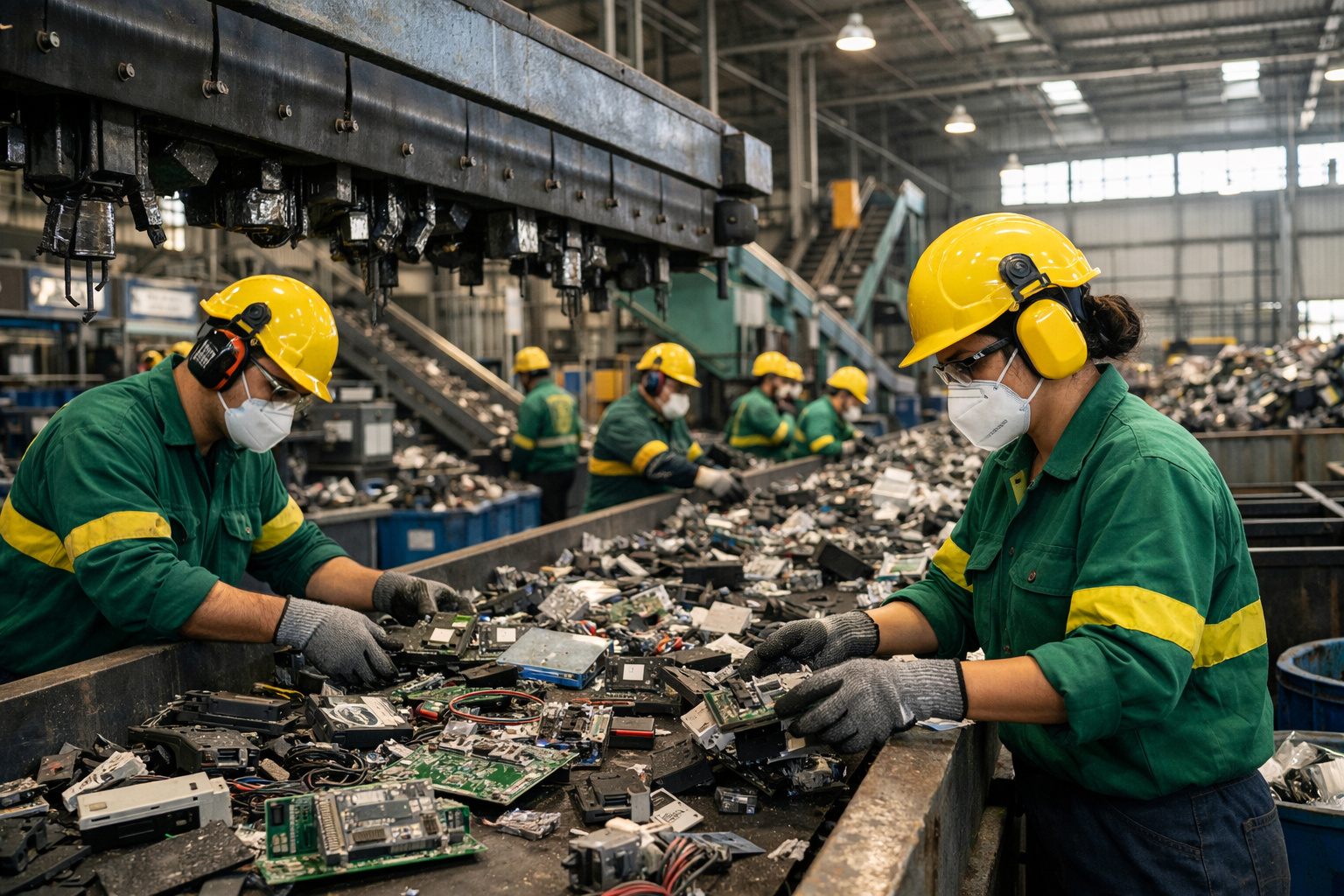
Today we went to Cabreúva, in the interior of São Paulo, to closely observe how the recycling of electronic waste works in Brazil. Many people still refer to these devices as “garbage,” but this term does not apply here. After all, garbage is what no longer has any utility. Electronic devices, even when broken or aging, still contain valuable materials that the industry can repurpose.
This information was released by “Manual do Mundo,” in partnership with Abree (Brazilian Association for the Recycling of Electronic and Household Appliances), which coordinates the reverse logistics of these products in the country. According to the report, specialized companies receive the waste and carry out all stages of the process with strict control.
Firstly, it is worth clarifying: if the device plugs into an outlet or runs on batteries, it falls into the category of electronic waste. Therefore, this list includes refrigerators, stoves, washing machines, microwaves, air conditioners, TVs, monitors, computers, laptops, printers, hair straighteners, blenders, radios, and other small portables.
-
Embrapa’s discovery reveals an unexpected advancement by allowing the production of seedlings from the caatinga using brackish water, opening a new frontier for farmers to face drought more efficiently.
-
6 sources of free fertilizer that you are throwing away every day and can transform your garden without spending anything.
-
With a water crisis on the radar, Sabesp invests in reclaimed water for data centers and transforms sewage treatment into a solution that saves millions of liters and protects public supply.
-
Foresea achieves 100% offshore waste reuse in 2025, eliminates landfill disposal, and consolidates sustainable strategy with 1,500 tons recycled.

Manual Sorting Ensures Separation into Seven Groups and Maximum Reuse
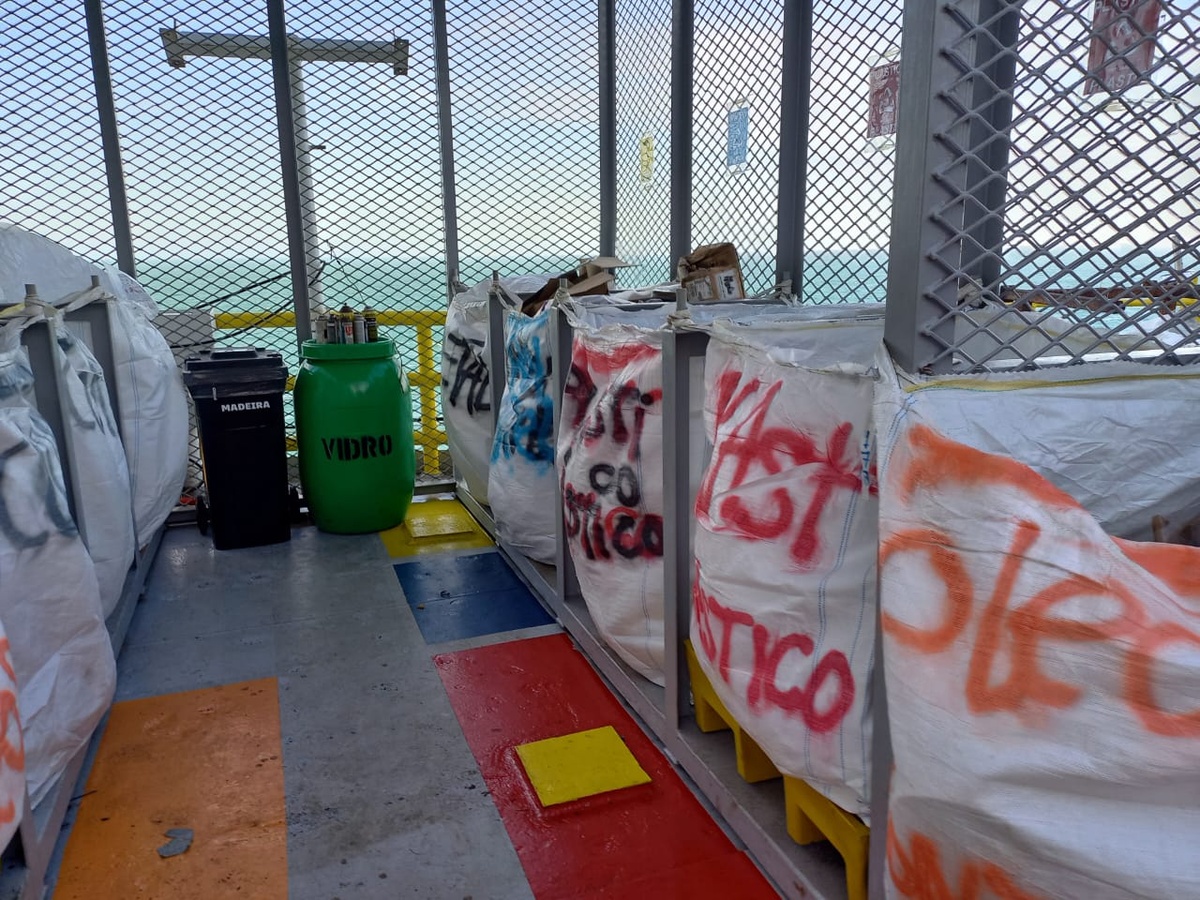
As soon as the material arrives at the company, the team weighs everything at the entrance. Next, the manual sorting begins. The professionals sort the waste into seven groups: refrigerator and freezer; stove; washing machine and microwave; air conditioner; TV and monitor; blue line (small portables); green line (computers, laptops, and printers); in addition to an exclusive category for batteries, cartridges, and batteries.
Since each type of appliance requires specific treatment, the team directs batteries and batteries to specialized companies. Similarly, electronic boards are sent to partners who recover metals and internal components.
During this phase, workers use personal protective equipment, as many appliances contain mercury, lead, and nickel. For this reason, experts advise that no one disassembles electronic devices at home. Tube TVs, for example, contain lead and phosphorus and require extra caution.
After sorting, the decharacterization begins. Technicians disassemble the devices and already separate motors, wires, metal casings, and plastics by material type. This care increases the reuse rate and reduces waste.
In the case of refrigerators, the team carries out a special procedure. Before disassembly, a device suctions the refrigerant gases to prevent them from escaping into the atmosphere. Then, technicians chemically treat these gases for reuse. As the refrigerator also contains polyurethane foam with insulating gas, the company sends the entire unit to a closed shredding machine.
Within this system, cylinders with metal teeth pull and completely shred the casing. The machine automatically separates foam, steel, plastic, aluminum, and copper. From this point, no one needs to handle the material manually.
Shredding, Magnetic Separation, and Strict Control Transform Waste into Industrial Input
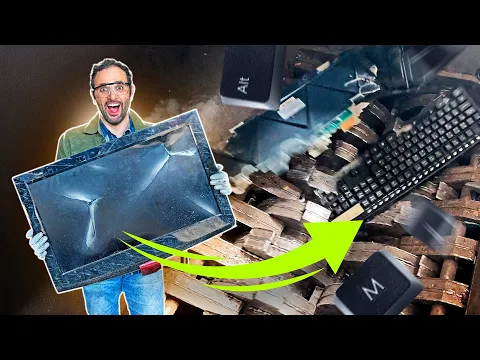

Meanwhile, smaller electronic devices follow a different processing line. First, technicians remove wires, batteries, and batteries. Then, machines perform a pre-shredding that reduces the equipment to small fragments. Subsequently, operators manually remove glass, electronic boards, and small motors.
Right after this stage, a magnetic conveyor extracts the iron. Later, the system uses electromagnetism to separate plastic from the remaining metals, such as copper and aluminum. This process ensures purity in the final material and increases its industrial value.
The company executes all stages according to ABNT standards. Additionally, it weighs the material again at the exit, already shredded, and compares it to the initial weight. In this way, it verifies that all received volume has been repurposed.
But what comes out of this industry? Raw material. Foundries receive the aluminum. Steel mills melt the iron. Industries transform plastic into pellets for injection into new products. The polyurethane foam, already pelletized, serves as industrial fuel. Therefore, each component returns to the production cycle.
This system integrates the reverse logistics required by law in Brazil. The legislation obliges manufacturers and importers to take responsibility for the environmental fate of their products. Thus, Abree coordinates the process from receipt to the sending of materials to new production chains.
Circular Economy Reduces Environmental Impact and Strengthens Collective Responsibility

When the industry repurposes metal or plastic, it reduces the need to extract new natural resources. Consequently, it decreases environmental impacts. Instead of contaminating soil or water bodies, electronic waste turns into input for new products.
Unfortunately, many people still abandon appliances on the streets. However, rain and prolonged exposure release toxic substances into the environment. For this reason, experts emphasize the importance of proper disposal.
Those who wish to dispose of equipment can access the Abree website and locate the nearest collection point. The association also offers the Abree for Education platform, with educational content and activities about recycling.
Now that you know the entire process of electronic waste recycling, the question remains: have you checked if there are any unused devices stored in your home waiting for the right disposal?
Source: Manual do Mundo










Seja o primeiro a reagir!