





 English
  Francês
  Alemão
  Italiano
  Japonês
  Norueguês
  Portuguese
  Spanish
  2 min of reading


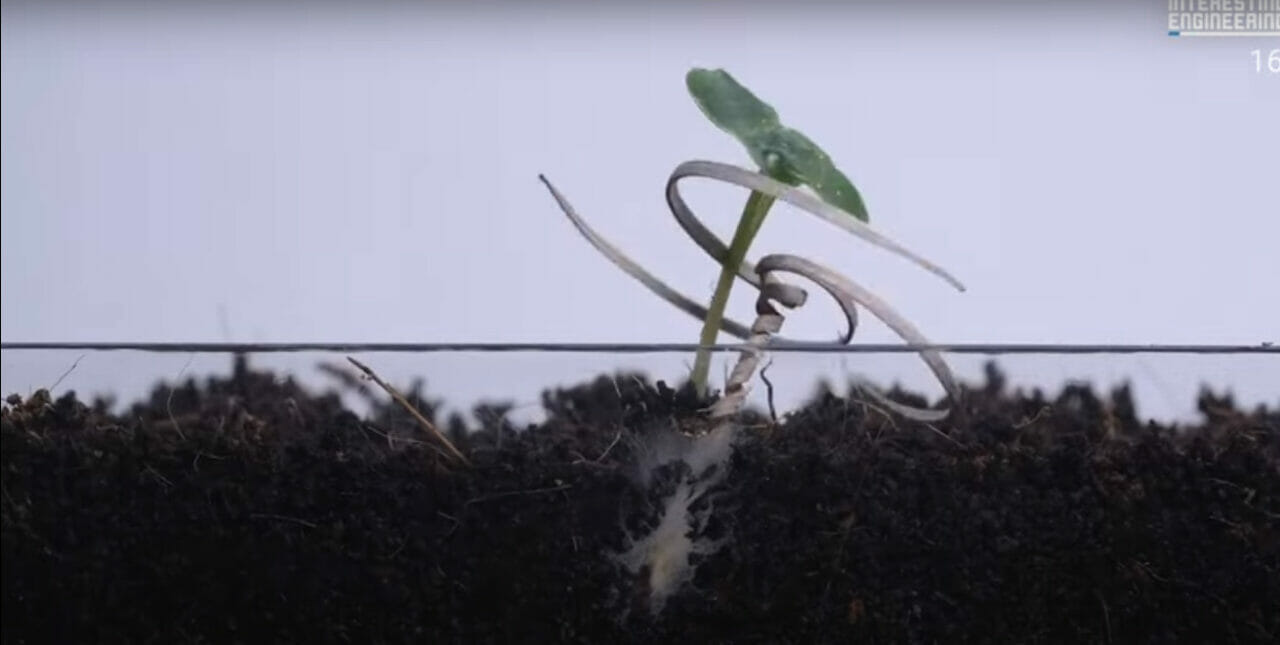
Discover How Small Wooden Robots Are Using the Science of Hygromorphia to Plant Seeds and Revolutionize Global Reforestation.
Deforestation and biodiversity loss are urgent threats to our planet. But have you ever imagined that a small robot, inspired by a plant, could be the solution to these gigantic problems?
This is the goal of the new innovation from Morphing Matter Lab. A reforestation robot made of wood that, besides being completely biodegradable, also integrates perfectly into the environment. It is more than an ecological project; it is a revolution in the way we understand technology and nature.
Functioning
To understand this incredible project, simply place the robot in the soil. From there, the robot begins to slowly bury itself, mimicking the action of a natural structure called Hygromorph. If you attach a seed to it, the robot plants the seed deeply in the ground. This protects the seed from natural threats such as fires, rains, and animals.
-
A “silent skill” is allowing Brazilians to earn up to R$ 22,000 per month without a degree and become indispensable for companies that rely on millions of data to survive.

-
Researchers at the Toyota Research Institute found that if a human uses robotic arms to flip a pancake 300 times in an afternoon, the robot learns to do it on its own the next morning, and this is currently the most promising method to solve the biggest bottleneck in modern robotics.

-
Goodbye iron: a common item in households is starting to lose space to technology that smooths clothes in minutes without an ironing board and with less energy consumption.

-
Antarctica reveals an unusual clue high in the Hudson Mountains, and what appeared to be just an isolated rock began to expose a secret hidden under the ice for ages.


The secret lies in the number of spirals that the robot contains. The right amount of spirals ensures that the robot has enough strength to perform the “actuation”, that is, the act of burying the seed.

Material Used
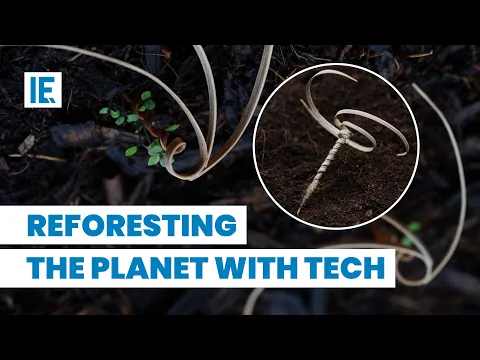
Oak wood is the material chosen for the construction of these robots, going through a series of chemical processes and mechanical molds that maintain its strength while making it pliable. No plastics or synthetics are used, making the robot completely biodegradable.
Tests and Results
The research group has already conducted aerial tests, where multiple seeds were launched by drones. The success of this approach was 90%, demonstrating the effectiveness of the technology. Additionally, these robots can be deployed with symbiotic species, such as fungi and nematodes, to further increase the survival rate of the plants.







Seja o primeiro a reagir!