Portuguese
  Spanish


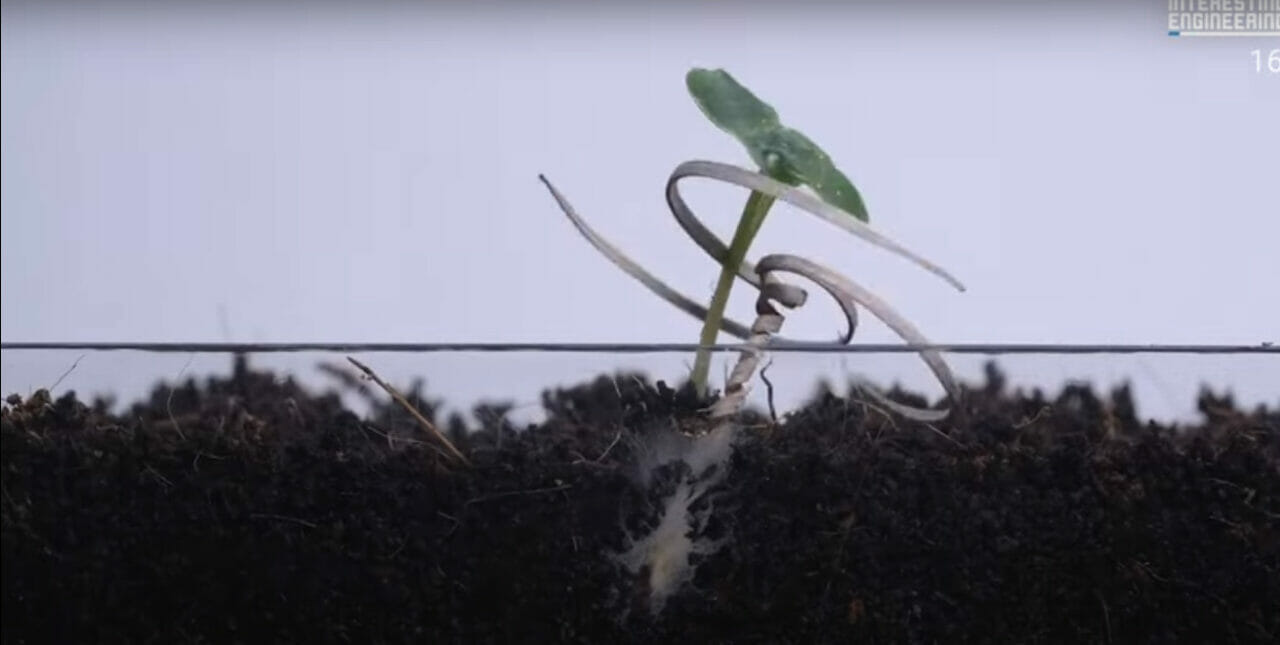

Discover How Small Wooden Robots Are Using the Science of Hygromorphia to Plant Seeds and Revolutionize Global Reforestation.
Deforestation and biodiversity loss are urgent threats to our planet. But have you ever imagined that a small robot, inspired by a plant, could be the solution to these gigantic problems?
This is the goal of the new innovation from Morphing Matter Lab. A reforestation robot made of wood that, besides being completely biodegradable, also integrates perfectly into the environment. It is more than an ecological project; it is a revolution in the way we understand technology and nature.
Functioning
To understand this incredible project, simply place the robot in the soil. From there, the robot begins to slowly bury itself, mimicking the action of a natural structure called Hygromorph. If you attach a seed to it, the robot plants the seed deeply in the ground. This protects the seed from natural threats such as fires, rains, and animals.
-
Ship Returns from Brazilian Coast with Thirty Newly Discovered Life Forms

-
Nigerian Professor Invents Electricity-Free Refrigerator Using Clay Pots and Wet Sand, Extending Shelf Life of Vegetables to 27 Days; 7,000 Units Distributed in Energy-Deprived Villages

-
Flower Farms Supplying London and Amsterdam Face Backlash for Environmental Impact on African Lake, Threatening Jobs for 50,000 Workers

-
World’s Largest Container Ship Departs Shanghai with 24,000 Containers, Set to Debut in Europe in July


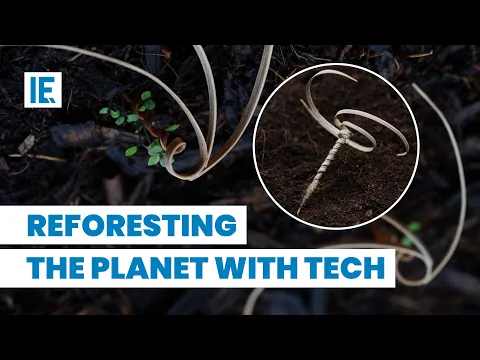
The secret lies in the number of spirals that the robot contains. The right amount of spirals ensures that the robot has enough strength to perform the “actuation”, that is, the act of burying the seed.

Material Used
Oak wood is the material chosen for the construction of these robots, going through a series of chemical processes and mechanical molds that maintain its strength while making it pliable. No plastics or synthetics are used, making the robot completely biodegradable.
Tests and Results
The research group has already conducted aerial tests, where multiple seeds were launched by drones. The success of this approach was 90%, demonstrating the effectiveness of the technology. Additionally, these robots can be deployed with symbiotic species, such as fungi and nematodes, to further increase the survival rate of the plants.