





 Portuguese
  English
  Spanish
  3 min of reading


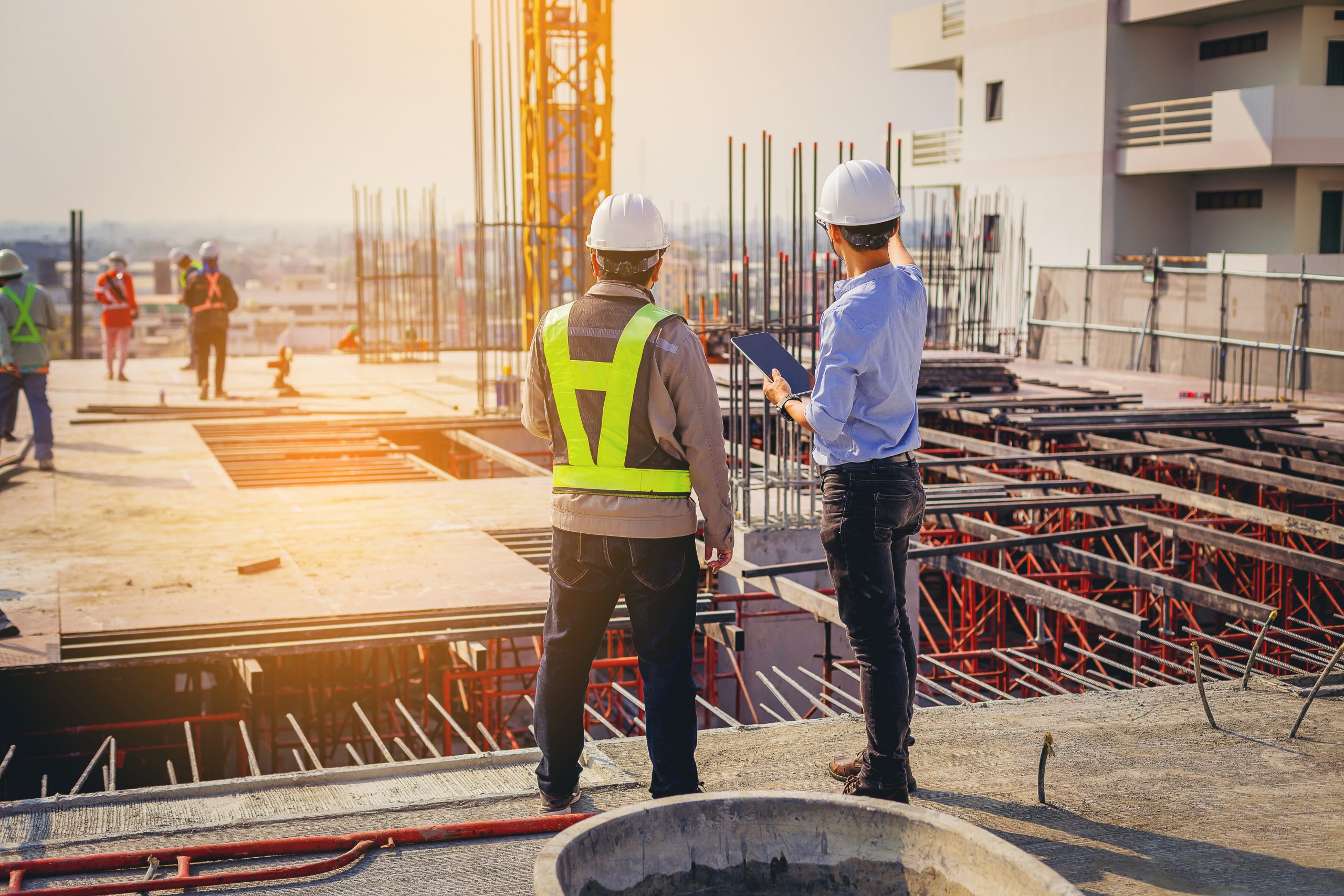
Come Discover In This Post About The Main Impacts Of Industry 4.0 On The Civil Construction Field
Technology is increasingly contributing and becoming essential for people – and especially for companies. A fact of this is that since 1780, we have already experienced 3 industrial revolutions. And now, with the emergence of Industry 4.0, we are already heading towards the fourth revolution of technology.
More About Civil Construction At The CPG
- Biopark Offers Job Openings In Civil Construction For Masons, Carpenters, Reinforcers, And Much More In Paraná
- Job Openings By Service Providers In Electric Power Networks For Electricians, Supervisors, Technicians, Engineers, Interns, And Doctors In Various States Of Brazil
- Civil Construction And Other Activities Have Been Authorized And Can Now Resume In Macaé
Especially with the market becoming increasingly competitive, technology has arrived for companies to innovate their processes and implement new solutions. And in the civil construction sector, it is no different.
Technology has already provided many benefits to the sector, from optimizing various types of energy (such as wind energy and biodiesel energy) to simplifying processes on construction sites.
-
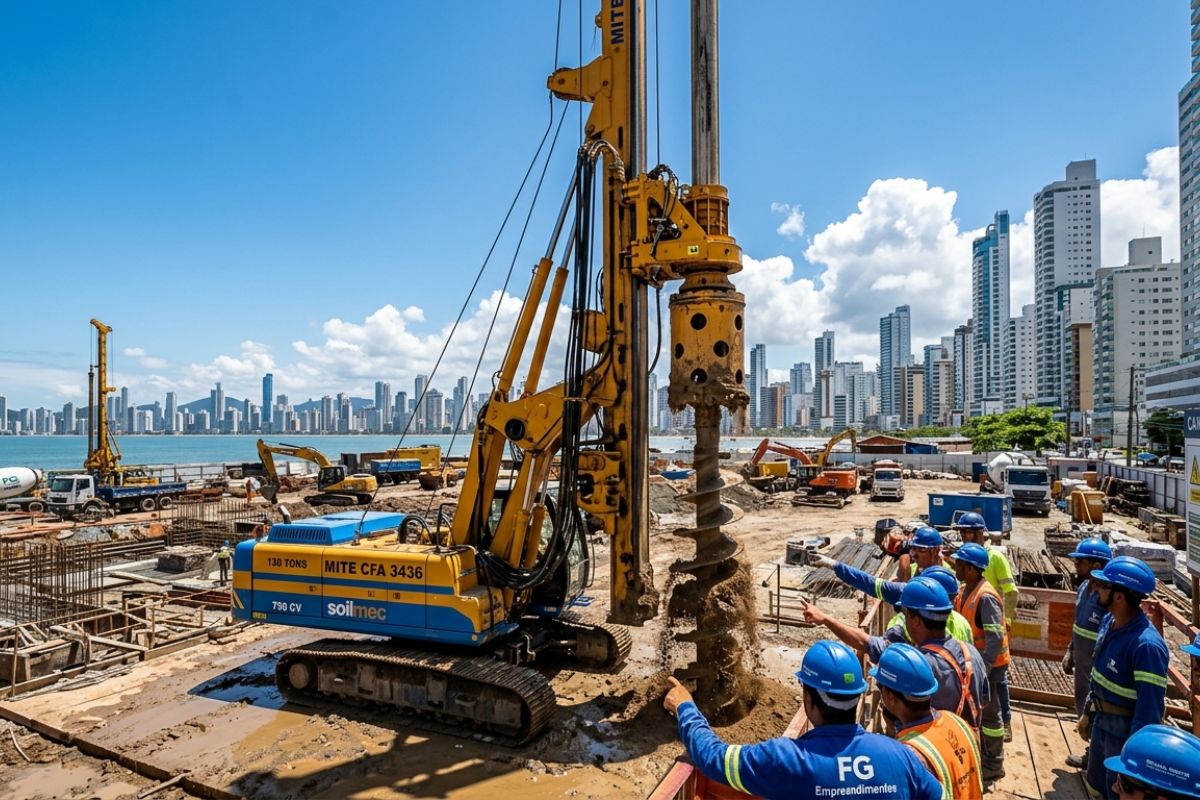
Italian giant of 130 tons arrives at the Senna Tower construction site and accelerates foundations: Mite CFA 3436 drills up to 50 m, 750 hp engine, investment of R$ 20 million, unique in Latin America.
-
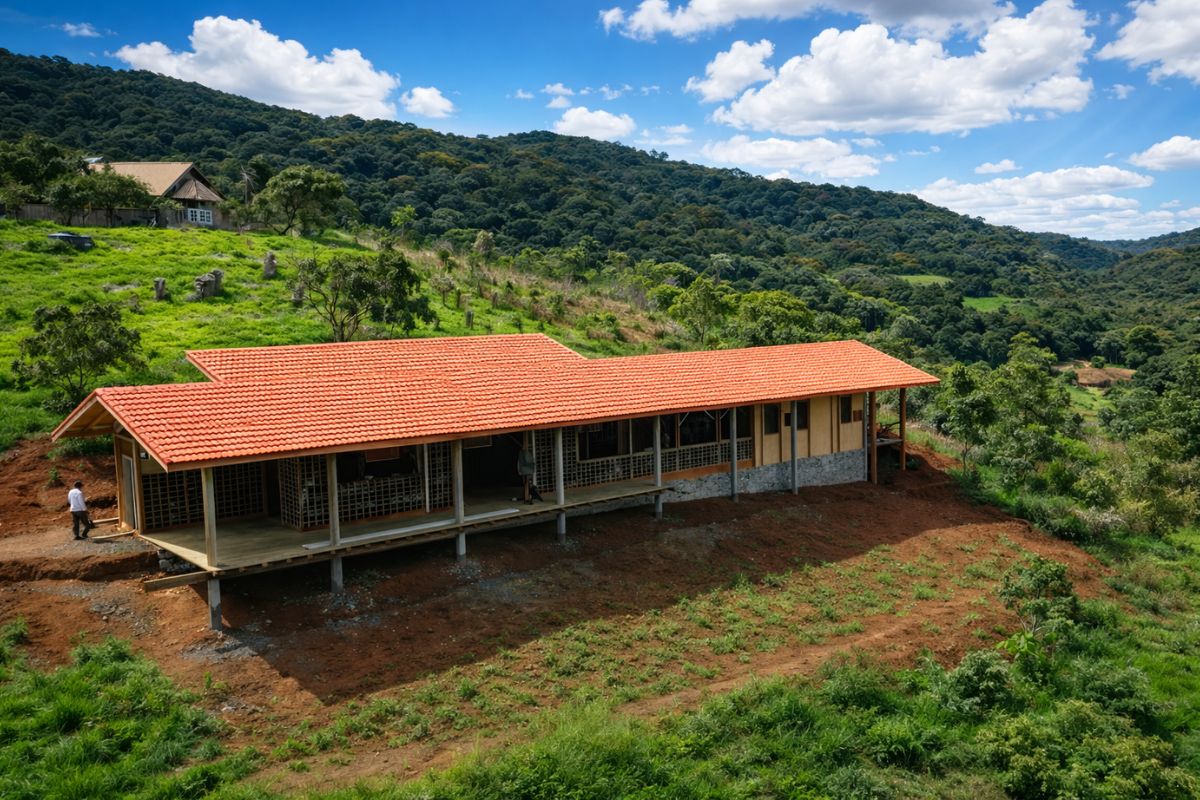
The adobe house in Monteiro Lobato takes shape with bamboo and clay from the land, a stone foundation, and a roof for the wind; cracks are normal, and finishing with lime turns it into a “common house.”
-
Four friends with over 30 years of friendship built a “mini village” by the banks of a river in Texas to grow old together, with houses of just 32 m² and a shared common space. The Bestie Row project has become a model of alternative living that is starting to spread around the world.

-
The ancient Japanese capital, planned over 1,200 years ago, still withstands earthquakes with colossal wooden temples and palaces, built without concrete or modern steel, by masters who created engineering capable of enduring centuries.


But after all, what are the impacts of Industry 4.0 on construction sites and the civil construction market? How can the sector make the best use of this technological evolution?
Thinking of answering these questions, we have prepared this post to show you the connection between Industry 4.0 and Civil Construction.
Want to know more about all this? Then be sure to follow us in this post! Let’s go?
Automation
The civil construction market is still taking its first steps towards interaction between robots and humans.
It is still not possible to replace entire teams with construction machines. However, new methods are making construction sites more efficient and productive.
One example of automation technology is structural masonry, Wood Frame, concrete walls, Steel Frame, among others.
With these technologies, a company specializing in high-pressure hydro jetting can ensure better guidance for making its decisions, as well as achieving better control of processes.
Increase In Productivity
Another positive impact with the entry of Industry 4.0 in the civil construction field is the increase in productivity.
With automation, a company can have more availability to control activities, whether by delegating tasks, monitoring construction, purchasing resources from suppliers (such as paint catalyst), among others, thus promoting better results for the business.
Implementation Of New Systems
Industry 4.0 will certainly revolutionize many existing technologies in construction companies. See below some examples of technologies:
- BIM Software: is a system used to visualize all the steps of a 3D construction, such as a new project for a fiberglass reservoir, among others.
- Construction Management System: also known as ERP for construction management, it manages and stores relevant information, reducing the chances of errors.
- 3D Printing Solutions: 3D printers are also part of civil construction. They innovate the creation of parts and components in an optimized way.
- Textile Devices: this technology pertains to sensors that can be applied to professionals’ uniforms, aiming to promote more safety.
Now that you know the main impacts of Industry 4.0 in the civil construction field, what do you think about adapting to all these changes? Did you like the post?
This article was written by Rafaela Ricardo, Content Creator at Soluções Industriais.








Seja o primeiro a reagir!