





 Portuguese
  English
  Spanish
  2 min of reading
  0 comments


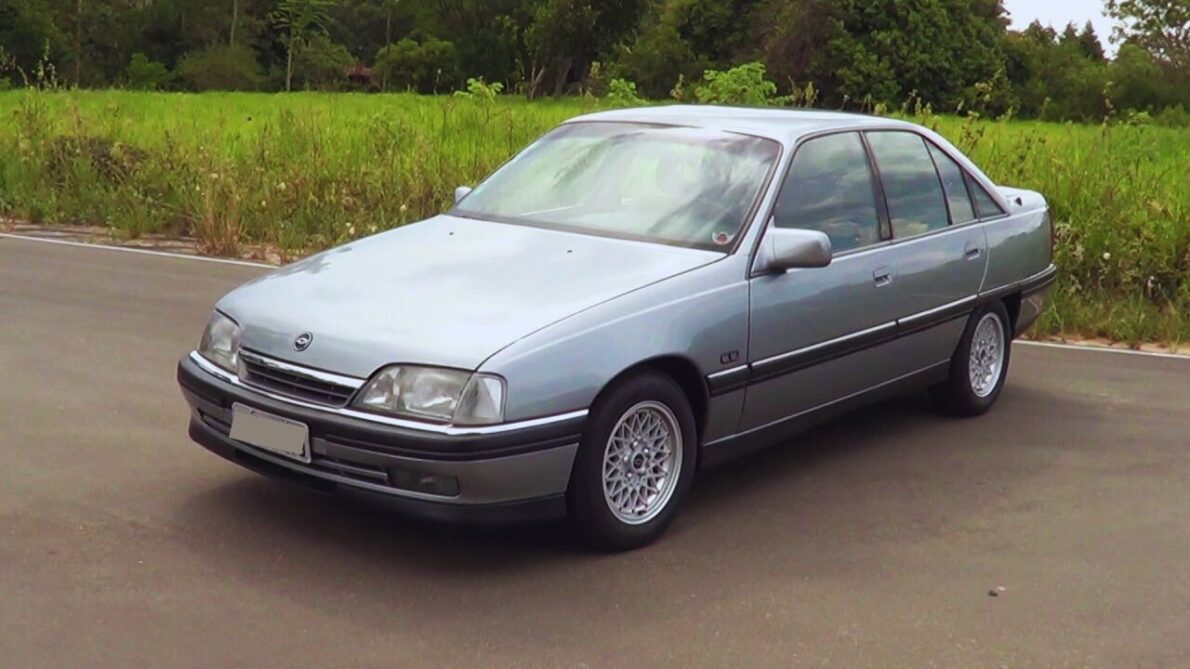
Discover the Journey of the Chevrolet Omega in Brazil, a Luxury Sedan that Stood Out in the Market from 1992 to 1998 with Its Versions Ranging from 2.0 to 4.1-Liter Engines, Winning Consumers with a Mix of Robust Performance, Luxurious Options, and Innovations that Marked an Era in the National Automotive Sector.
The Chevrolet Omega, a name synonymous with sophistication and power in Brazil, was introduced to the national market in 1992, bringing with it the legacy of the European Opel Omega. The latter, successor to the Opel Rekord, came to life in 1986 with a design aimed at better aerodynamics and a variety of engines ranging from 2.0 to 6.0 liters, including diesel options.
In Brazil, the Omega emerged as Chevrolet’s response to the need for a full-size sedan that could compete with the imported vehicles starting to arrive due to the market’s opening. The car was well-received, thanks to its modern design and an array of engines that catered to both everyday needs and the desire for performance.
Chevrolet Expanded the Omega Line with the Introduction of the Suprema


The national Omega began with the GLS and CD versions, both initially equipped with 2.0-liter engines, which offered a balance between efficiency and power. The more luxurious CD version stood out for its interior and exterior finishes, which included features such as fog lights and chrome details.
-
OMODA & JAECOO grows in Europe in 2026 with an integrated strategy of sales, innovation, local production, and technological advancement in the United Kingdom, Italy, and Spain.

-
OMODA & JAECOO expands after-sales service in Brazil with competitive maintenance, a 7-year warranty, and high availability of parts for technological SUVs.

-
OMODA & JAECOO appoints Alessandra Souza as executive marketing director in Brazil and accelerates brand expansion with a focus on innovation, networking, and hybrid portfolio.

-
Jaecoo 7 with super hybrid SHS system exceeds 1,200 km of combined range with a 1.5 turbo engine, high-density battery, and intelligent energy management.

In 1993, Chevrolet expanded the Omega line with the introduction of the Suprema, a station wagon that combined the elegance and comfort of the sedan with the practicality needed for families and professionals who required more luggage space.
Omega Saw Significant Evolution in Its Engine Options
Throughout its journey in Brazil, the Omega saw significant evolution in its engine options. In 1994, a 4.1-liter engine was introduced, an enhanced version of the engine from the old Chevrolet Opala, which offered superior performance suitable for a car of its size.
The end of national Omega production in 1998 gave way to the imported Omega from Australia, marking the end of an era for Chevrolet in Brazil. This new model brought significant updates in terms of design and technology, maintaining the Omega’s legacy as a prestigious car.
The Chevrolet Omega left a lasting legacy in the Brazilian automotive market, being remembered not only for its performance and luxury, but also for its ability to cater to a wide range of consumers, from those seeking a robust and reliable car for everyday use to those desiring luxury and power under the hood.









Seja o primeiro a reagir!